REVIEW · DAKAR
5-Day Trekking in Kédougou from Dakar
Book on Viator →Operated by Amazing Teranga · Bookable on Viator
Waterfall country starts with a long bus ride. This 5-day trek from Dakar to Kédougou pairs village time with serious nature, including visits to the Bedik peoples at Andjel and Ethiowar and more community encounters in Eastern Senegal. I especially like the way the schedule mixes walking with direct culture, not just scenic stops.
The best nature block is the day in the Reserve Naturelle Communautaire de Dindéfelo. You’ll tour rock formations called Dents de Dandé, see a huge 19th-century cave (the village grotto), and then head to the Dindéfelo waterfall where you can bring a bathing suit. It’s the kind of day that turns into memories, even if you’re not a “nature person.”
One thing to take seriously: the route demands strong physical fitness. Day 2 includes a 6-hour trek with elevation and mandatory trekking shoes, and you also have two long travel legs by bus.
In This Review
- Key Points You’ll Care About
- First Stop: The Ride From Dakar to Kédougou
- Day 2 in Bandafassi: Bedik Villages of Andjel and Ethiowar
- Day 3 Dindéfelo Reserve: Dents de Dandé, a 19th-Century Grotto, and the Waterfall
- Day 4 Waterfall Country Near Guinea: Wet-Season Falls vs Dry-Season Villages
- Day 5 Back to Dakar: Timing, Food, and Long-Bus Reality
- Price and Value: What $1,062.98 Buys You
- Logistics That Affect Your Comfort (and Your Fun)
- Who This Trek Is For (and Who Might Want a Different Pace)
- Should You Book This Trek?
- FAQ
- FAQ
- Where do we meet in Dakar?
- How long is the experience?
- How do I travel between Dakar and Kédougou?
- Are meals included?
- Is trekking shoes required?
- Can I swim at Dindéfelo?
- When will the waterfalls be strongest?
- Is this a private tour?
- What kind of fitness level do I need?
- What is the cancellation policy?
Key Points You’ll Care About
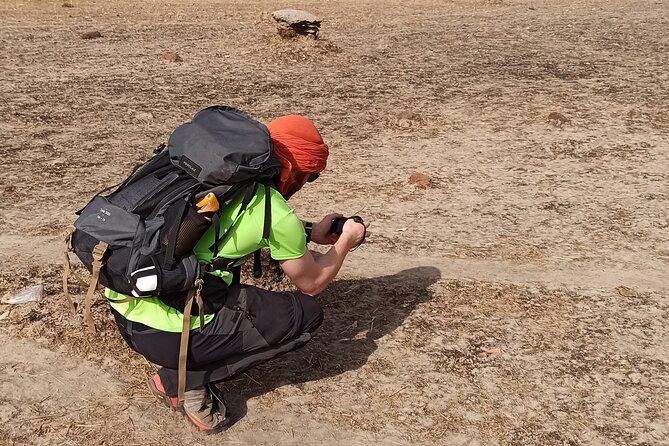
- Bedik villages with real names (Andjel and Ethiowar): you’re not just passing through a region on a map.
- Dindéfelo Reserve day is packed: Dents de Dandé, a village grotto cave, then the waterfall.
- Bathing is encouraged at Dindéfelo: plan to bring a bathing suit if you want to swim.
- Waterfall timing depends on the season: June to January is best; dry season can shift to a Bassari village visit.
- Private tour for your group: you won’t be shuffled with strangers.
- Meals are handled on trekking days: dinners, lunches, and breakfasts are included, but not the long bus meals.
First Stop: The Ride From Dakar to Kédougou
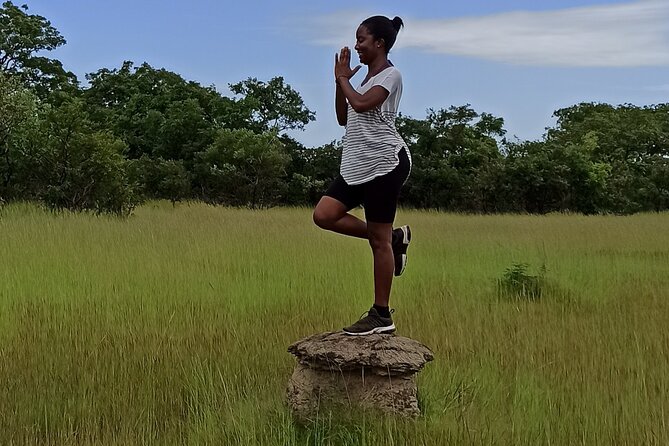
Your trip begins at the Senegal demdikkTerminus Liberté V in Dakar. From there, you travel to Kédougou by public bus, using air-conditioning and planning for short breaks in several towns. This isn’t a scenic coastal hop; it’s a practical, overland transfer that helps you reach Eastern Senegal in time for the trekking days.
Why I like this approach: it keeps the itinerary focused. Once you arrive, you spend your energy on walking and village time instead of losing days to extra transfers. Still, do plan your body for travel. On travel days, it’s easy to feel heavy-legged before the first real hike, especially in warmer conditions.
Meals during the Dakar–Kédougou journey (both directions) are not included. That matters because you may want water and simple snacks ready, rather than relying on casual purchases along the way. Drinks also aren’t included, so if you’re particular about hydration, bring what you know works for you.
Day 2 in Bandafassi: Bedik Villages of Andjel and Ethiowar
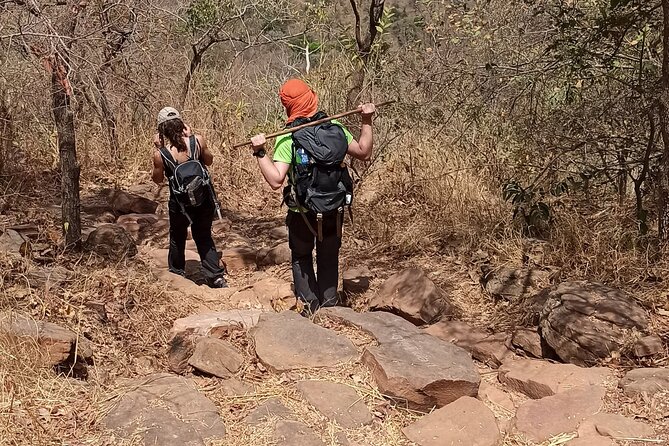
Bandafassi is where the trip starts feeling like a real trek with a human rhythm. After reaching the area, you visit Bedik villages including Andjel and Ethiowar. Expect village walking time plus a trek that includes elevation, lasting about 6 hours.
Two things make this day worth it:
- It’s structured cultural time, not a drive-by. You’re scheduled to visit specific villages, and the trip treats the Bedik communities as the main event.
- The walking effort matches the terrain. That elevation trek is part of how you experience the region rather than an optional add-on.
The key practical detail: trekking shoes are mandatory. So, don’t “make do” with flimsy footwear. If your shoes aren’t truly stable for uneven ground, day 2 can feel harder than it should.
Possible drawback to keep in mind: this is the first long walking day, and you’re coming off travel. If you’re not used to walking with elevation, you’ll want to pace yourself from the start. Take short breaks when you need them, drink regularly, and save a little energy for the later waterfall day.
Day 3 Dindéfelo Reserve: Dents de Dandé, a 19th-Century Grotto, and the Waterfall
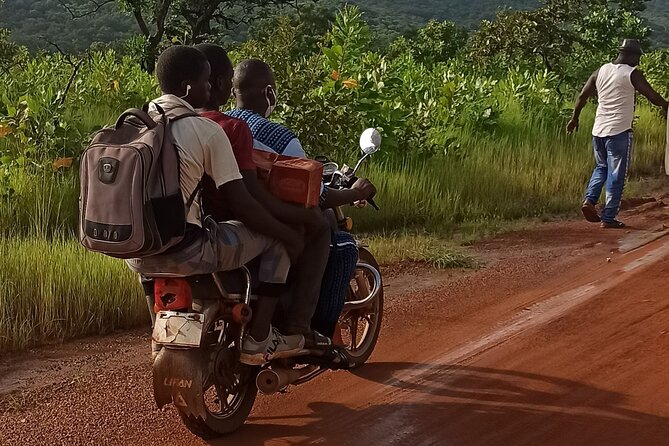
Day 3 is your big nature-and-culture combo, built around the Reserve Naturelle Communautaire de Dindefelo. After breakfast, you visit the Fulani village of Dandé. This is where the trip shows its character: different peoples, different places, and a trail route that connects rock, water, and community.
First stop: the Dents de Dandé rock formations on the plateau. These offer some of the best panoramic views of the area, and you’ll also connect the scenery to the practical geography—this is tied to the source of the waterfall.
Then comes one of the standout moments: the village grotto, described as a huge cave carved into the rock in the 19th century. Even if you’re not into caves for their own sake, this one is memorable because it’s tied to how people have shaped and used the rock for generations.
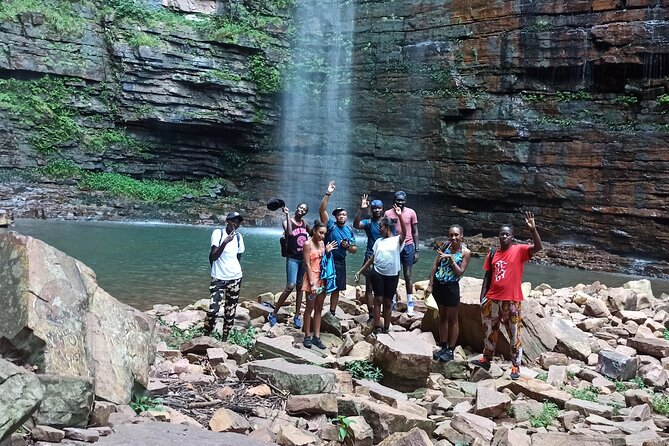
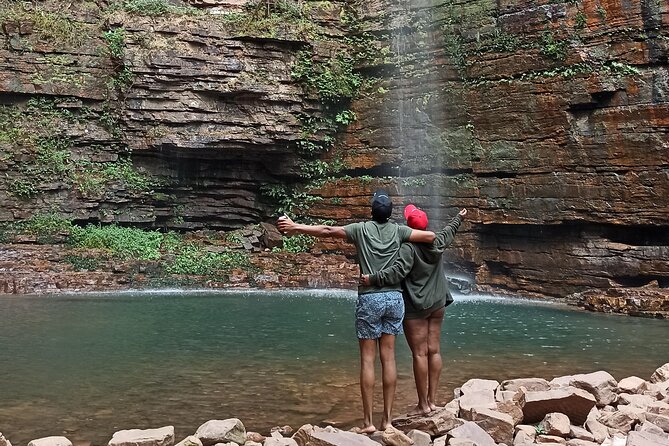
In the afternoon, you head to the Dindéfelo waterfall in the village area. This is the day where you can actually plan to cool off. The trip specifically suggests taking a bathing suit, and the description emphasizes that there’s no shortage of water here.
Why this is great value in one day:
- You get views, geology, and water in the same schedule.
- Your time at the waterfall is not just “look then leave.” It’s built as part of the day’s rhythm.
A consideration: the day is long—about 8 hours. Bring a realistic mindset: you’ll be moving, stopping, and walking through hot or humid conditions depending on weather. Good shoes still matter, and so does planning your energy.
Day 4 Waterfall Country Near Guinea: Wet-Season Falls vs Dry-Season Villages
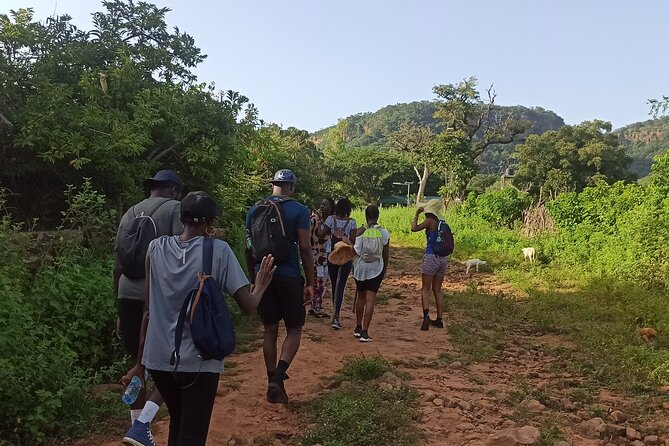
Day 4 is all about waterfalls—at least when Mother Nature cooperates. This area borders Guinea and is described as full of waterfalls, with a key seasonal note: from June to January, waterfalls are full, and you’ll have the opportunity to visit one.
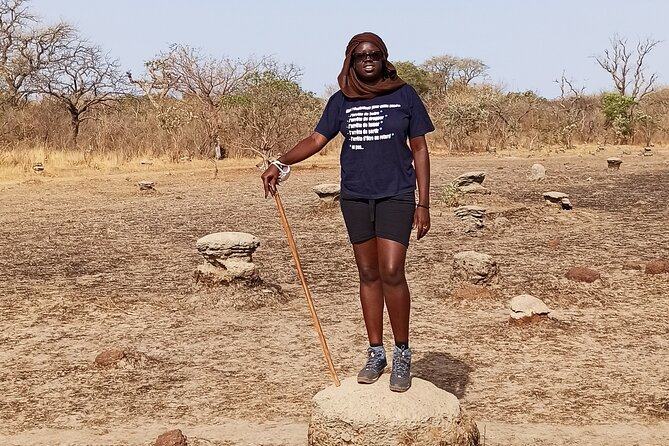
That seasonality is more than trivia. It changes what the day feels like. In wet season, you’re likely to see stronger water and more dramatic falls. In the dry season, the trip can replace this waterfall stage with another village visit in Bassari country.
What I like about this flexibility: it prevents the itinerary from collapsing when the water level drops. Instead of forcing you into a weak waterfall moment, the tour adjusts the plan toward community visits that still fit the trek’s overall theme.
A practical note for your planning: if you’re traveling outside June to January and you’re specifically chasing waterfall power, you’ll be depending on the dry-season substitution plan. That’s not a deal-breaker, but it’s worth aligning expectations before you go.
Day 5 Back to Dakar: Timing, Food, and Long-Bus Reality
You leave Eastern Senegal early—about 7am—for Dakar. Breakfast and meals are not included on this day, so you’ll want to handle food in whatever way you can before departure or during stops.
The return trip uses a local company bus, and it includes stops on the way. The scheduled time is about 12 hours, which is long enough that you should plan your comfort in advance: hydrate, wear something you can sit in for hours, and pack layers in case the air-conditioning swings.
This is the day where you cash in your walking fatigue. If your legs are sore from the trek days, go gentle on the first part of the return, and use the bus time to recover. The schedule ends back at the meeting point in Dakar.
Price and Value: What $1,062.98 Buys You
At $1,062.98 per person, this trek isn’t the cheapest way to spend five days in Senegal. But the price makes more sense when you break down what’s included versus what you’d otherwise pay separately.
Here’s what you’re getting for the money:
- Meals covered on trekking days: dinner (4), lunch (3), breakfast (3).
- Entrance/tickets covered where listed: Day 2 and Day 4 include free admissions, and Day 3 includes admission.
- A guided, structured route: multiple community visits and timed walking blocks.
- Private group format: only your group participates, which often reduces the friction of meeting strangers and waiting around.
The value question usually comes down to organization and time. This itinerary does a lot in a short window: you’re not just looking at one waterfall or one village. You’re getting a sequence—Bedik villages, Fulani plateau views and grotto cave, then waterfall country near Guinea, with a seasonal adjustment.
Where the value may feel less great:
- Meals during the Dakar–Kédougou and Kédougou–Dakar bus legs aren’t included.
- Drinks aren’t included.
- If you arrive with weak shoes or without the physical fitness to handle elevation, you’ll pay in discomfort rather than in extra money.
If you’re the type who wants real local encounters and you’re ready to walk, the price can feel fair fast. If you want a relaxed sightseeing loop with minimal hiking, look elsewhere.
Logistics That Affect Your Comfort (and Your Fun)
A few practical notes can make or break how you remember the trip.
Fitness and footwear matter. Day 2 is a 6-hour trek with elevation and mandatory shoes. If you only have sandals or soft sneakers, this becomes a misery test.
Water and heat planning helps. The itinerary includes waterfall time where you might swim, but the rest of the day is walking. You’ll feel better if you stay ahead of dehydration and don’t wait until you’re tired to take water breaks.
Donations to villagers aren’t included. That doesn’t mean you can’t give—just plan that it’s optional and budget-dependent. People may also appreciate basic respect and a light touch with photography, depending on what’s comfortable locally.
Finally, this trip is described as private, and that usually means fewer logistics headaches. You’ll still want to be ready for early mornings and long bus segments, but your group won’t get scrambled with other parties.
Who This Trek Is For (and Who Might Want a Different Pace)
This experience fits best if you:
- enjoy walking with purpose, not just casual strolls
- want authentic community encounters with the Bedik and Fulani villages, plus potential Bassari-area substitution
- like nature days that include more than one type of stop (views, rock formations, cave, then waterfall)
It may not be the best match if you:
- struggle with elevation or long hiking days
- need a lighter schedule and a lot of downtime
- want meals and drinks fully covered at all times (they’re only included on specific days and not during the bus journey)
The route is set up for travelers with strong physical fitness and a willingness to live simply for a few days. That’s part of the point.
Should You Book This Trek?
If your goal is Eastern Senegal beyond the usual highlights, this is a solid choice. The itinerary is built around meaningful village visits, and the nature day in the Dindéfelo Reserve feels like the centerpiece: Dents de Dandé viewpoints, a dramatic 19th-century cave grotto, and then the waterfall where bathing is encouraged.
I’d book it if you’re comfortable with a real hiking day and you can handle long bus travel. I’d hesitate if you want a mostly flat walking plan or you’re not ready for the physical demands of Day 2.
FAQ
FAQ
Where do we meet in Dakar?
The start point is Senegal demdikkTerminus Liberté V, Dakar 11125, Senegal, and the activity ends back at the meeting point.
How long is the experience?
It runs for about 5 days.
How do I travel between Dakar and Kédougou?
You travel by public bus (air-conditioned) from Dakar to Kédougou with short breaks in several towns, and on the return day you take a local company bus with stops.
Are meals included?
Yes for the trek days: dinner is included for 4 nights, lunch for 3 days, and breakfast for 3 days. Meals during the Dakar–Kédougou and Kédougou–Dakar journey are not included, and drinks are not included.
Is trekking shoes required?
Yes. Trekking shoes are mandatory for Day 2.
Can I swim at Dindéfelo?
The itinerary specifically suggests bringing a bathing suit for the Dindéfelo waterfall.
When will the waterfalls be strongest?
From June to January, waterfalls are full, and you’ll have the opportunity to visit one. In the dry season, the waterfall stage can be replaced with a village visit in Bassari country.
Is this a private tour?
Yes. Only your group participates.
What kind of fitness level do I need?
You should have a strong physical fitness level.
What is the cancellation policy?
You can cancel up to 6 days in advance for a full refund. Canceling 2–6 days before the start time gives a 50% refund, and canceling less than 2 days before the start time is not refunded. If it’s canceled due to poor weather, you’ll be offered another date or a full refund.
If you tell me when you’re traveling (month matters for waterfall conditions) and your hiking comfort level, I can help you sanity-check whether this pace fits you.