REVIEW · SA PA
From Sapa: Guided Full-Day Trekking with Lunch and Drop-Off
Book on GetYourGuide →Operated by NEW LAND INTERNATIONAL TOURIST COMPANY LIMITED · Bookable on GetYourGuide
Ten kilometers of trails, and the views keep coming. This Sapa trek strings together rice terraces and ethnic villages in Northern Vietnam, guided by a local English-speaking guide from hotel pickup. I love that the route actually feels like you’re moving village to village, not just hopping between photo stops. I also love that you stay with your guide the whole way so you’re not stuck figuring out the trails and timing.
The main drawback is effort. Expect around a 10km walk on uneven paths, and in wet weather the ground can turn muddy and slippery fast.
In This Review
- Key highlights you’ll care about
- A 6-Hour Sapa Trek That Connects Villages, Terraces, and Mountain Views
- Morning Pickup and the Walk Into Y Linh Ho
- Muong Hoa Valley to Lao Chai: Rice Terraces and Minority Life
- Ta Van Village and Stilt Houses: Where the Day Gets More Personal
- Hoang Lien Son Mountain Break: Time for Photos and Breathing Room
- Lunch at a Local Restaurant, Then the Ride Back
- Guide Quality, Real Trail Advice, and Village Encounters
- Price and Value: What You Really Get for About $22
- When This Trek Works Best (and When to Skip It)
- Packing Tips for Mud, Cold Mornings, and Sticky Afternoon Sun
- Should You Book This Sapa Full-Day Trek?
- FAQ
- What time does the tour pickup happen in Sapa?
- How long is the trekking tour?
- About how far will I walk?
- Where is lunch included?
- Is the tour guided and in English?
- What transportation is included?
- Are entrance tickets included?
- What should I bring for the trek?
- Is luggage allowed?
- Is this tour suitable for children or people with mobility issues?
Key highlights you’ll care about
- Hotel pickup in central Sapa, then a short walk to the departure point
- Muong Hoa Stream + rice terraces walking toward Lao Chai
- Ethnic minority villages with guided stops in Y Linh Ho, Lao Chai, and Ta Van
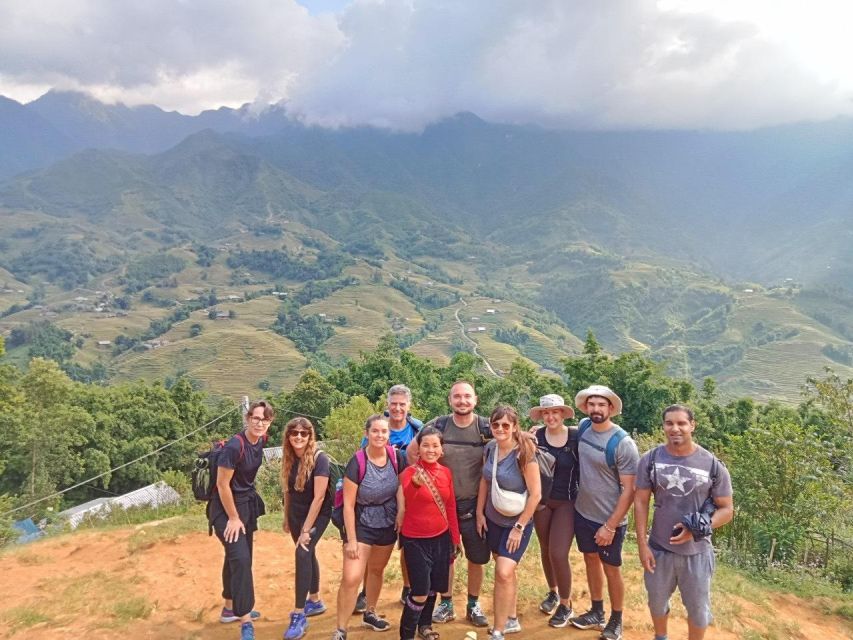
- Hoang Lien Son mountain viewpoint break for photos and a breather
- Lunch included at a local restaurant, then a ride back from Ta Van
- Non-slippery shoes matter because the trail can get muddy
A 6-Hour Sapa Trek That Connects Villages, Terraces, and Mountain Views
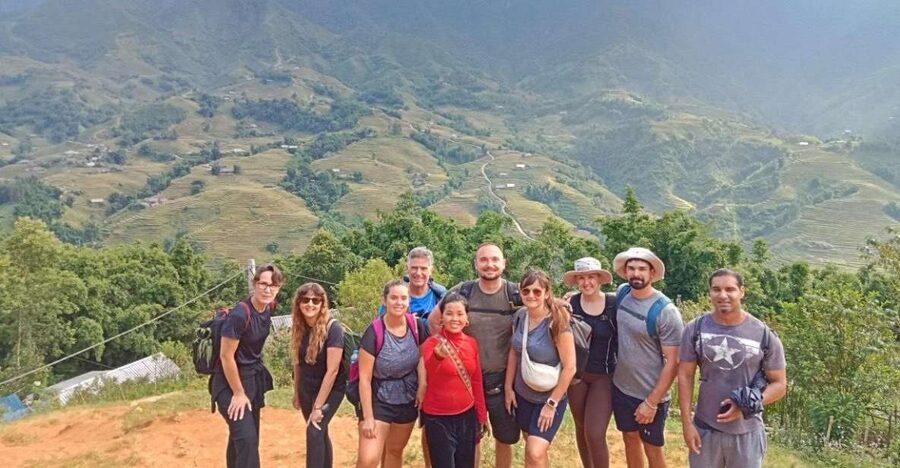
This is a classic Sapa “walk the valleys, meet the communities” day. You’ll start in Sapa town, work your way through the Muong Hoa area, and end the day back in town around 2:00–2:30pm. It’s built for people who like moving on foot, taking photos, and learning a little from a guide along the way.
At about $22 per person, the value is mostly in three things: the local English guide, lunch, and the transport back to Sapa from Ta Van. The rest is on you: your fitness, your shoe choice, and your willingness to walk through muddy patches when the weather turns.
Most people go for the scenery, but what makes this trek really click is how the villages shape the day. Y Linh Ho, Lao Chai, and Ta Van aren’t just backgrounds. They’re part of the route, with time to pause, walk, and look around with your guide translating what you’re seeing.
You can also read our reviews of more tours and experiences in Sa Pa.

Morning Pickup and the Walk Into Y Linh Ho
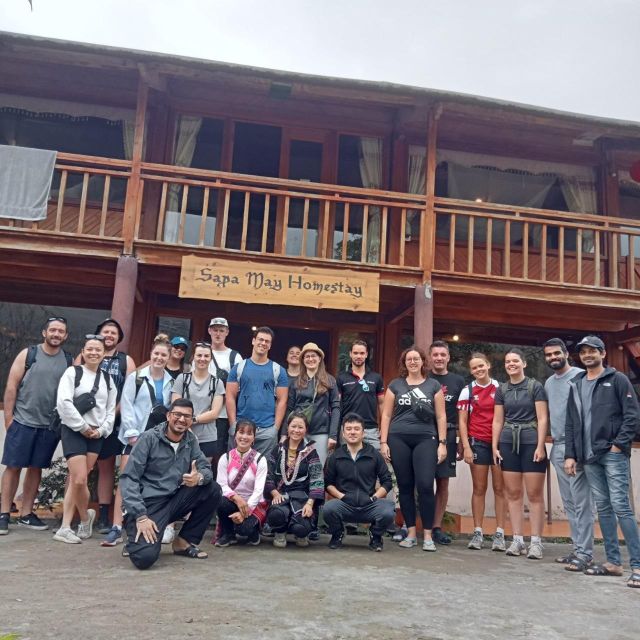
Your day starts easy enough. Between 8:00 and 8:30am, your guide picks you up from your hotel in central Sapa (the guide walks to meet you). You’ll then head toward the departure point at Sapa Retreat Condotel.
By about 9:00am, you’re on the trail. The first stop is Y Linh Ho Village. Expect a mix of walking, a guided visit, and time for photos—plus a chance for softer light for picture-taking as the morning progresses. This first segment matters because it sets the tone: you’ll feel the elevation changes early, and you’ll quickly learn how the trail surface behaves.
One practical note: the tour does include “hiking,” and the day is planned around that. If you show up in regular sneakers with worn soles, you’ll feel it later. Use your best walking shoes from the start, not the shoes you think might be fine.
Muong Hoa Valley to Lao Chai: Rice Terraces and Minority Life
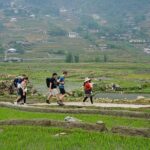
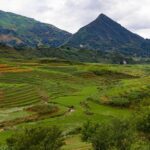
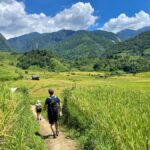
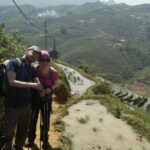
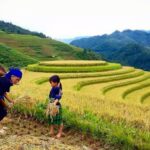
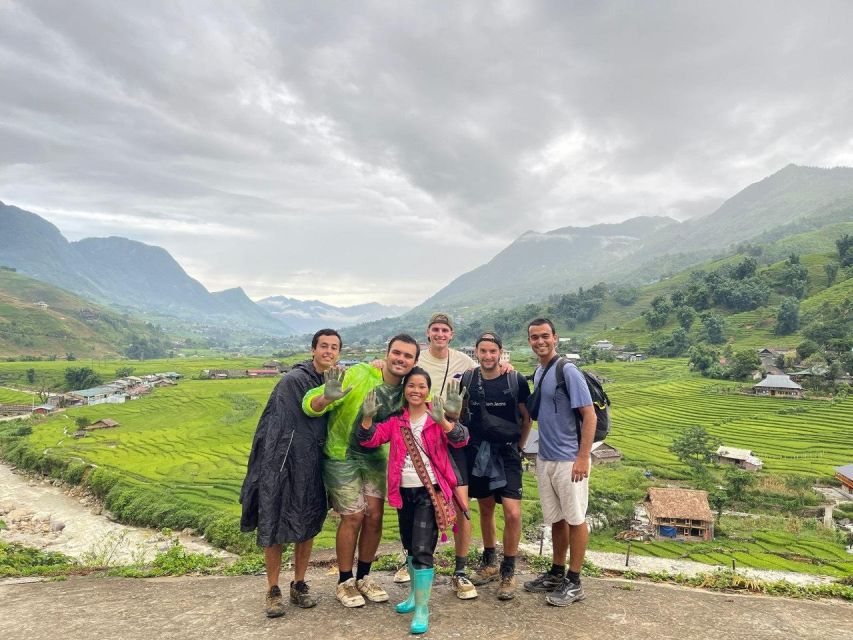
After Y Linh Ho, you start trekking along the Muong Hoa Stream, following the rice-terrace path toward Lao Chai Village. This is the core scenic stretch. You’ll spend time walking through terrace views and countryside scenery toward Black H’mong community areas.
What I like about this portion is that the trail gives you a moving “view corridor.” You’re not stuck looking at one spot for long. As you walk, the terraces change shape and depth, and your angles for photos keep improving.
Your guide’s role becomes more important here. Even when you’re only stopping briefly, you’ll have someone there to help you make sense of what you’re seeing in each village. A useful detail: the route runs through areas where locals may follow along the path to sell handmade items. You don’t have to buy anything. If you do want something, treat it as a direct, personal purchase from someone you met on the trail—not a souvenir shelf situation.
A realistic consideration: Lao Chai is part walking, part pausing. If you want deep cultural time at every village, you may wish there were more hours. If you like a balanced day that mixes movement with short guided context, this flow works well.
Ta Van Village and Stilt Houses: Where the Day Gets More Personal
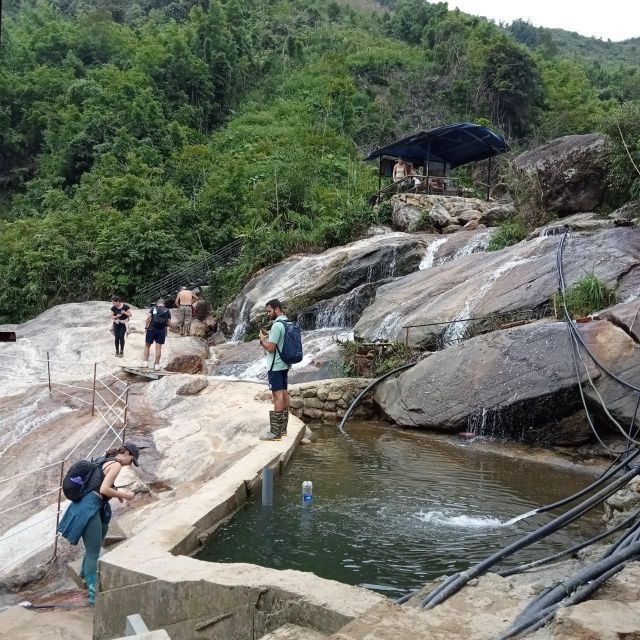
Around 11:30am, after about 3 hours and roughly 8km of walking, you reach Ta Van Village. This is when the day often feels more grounded and village-like. You’ll see terraced fields up close and stilt houses, along with the kind of simple village architecture that makes Sapa worth visiting in the first place.
This stop is also where the “hard trail” reality tends to show up. You may hit muddy stretches depending on the season and recent rain. One helpful thing you’ll notice if you’re paying attention: people locally may assist with trickier sections. In past days on similar routes, women from the village have sometimes helped the group on the steeper bits. If that happens for you, a small thank-you and respectful attitude go a long way—whether that means buying an item or offering a little cash if you’re not purchasing anything.
Ta Van isn’t just a photo break. You also get time to rest and refuel before lunch, and that matters because the second half of the walk is still part of the day’s rhythm.
Hoang Lien Son Mountain Break: Time for Photos and Breathing Room
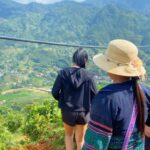
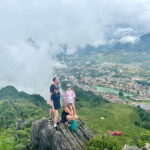
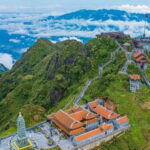
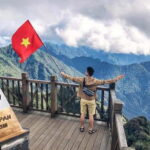
After lunch or during the later stage (depending on how the timing flows that day), you’ll get a viewpoint moment tied to Hoang Lien Son mountain. The schedule includes a break time, sightseeing, and a hop-on/hop-off style photo stop for scenic angles.
This part is less about “walking and walking” and more about taking a breath and letting the day’s effort pay off visually. If you’re the kind of person who likes a final big view before going home, this is the section to watch. Keep your camera ready but don’t rush. You’ll get better photos when you’re not moving as fast as your legs want you to.
If the weather is foggy or rain-heavy, manage expectations. You can still enjoy the village vibe, but mountain visibility can change quickly in Northern Vietnam.


Lunch at a Local Restaurant, Then the Ride Back
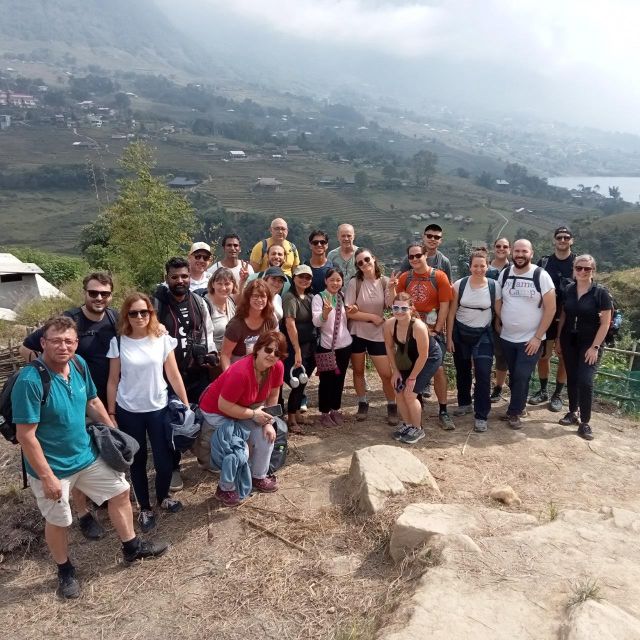
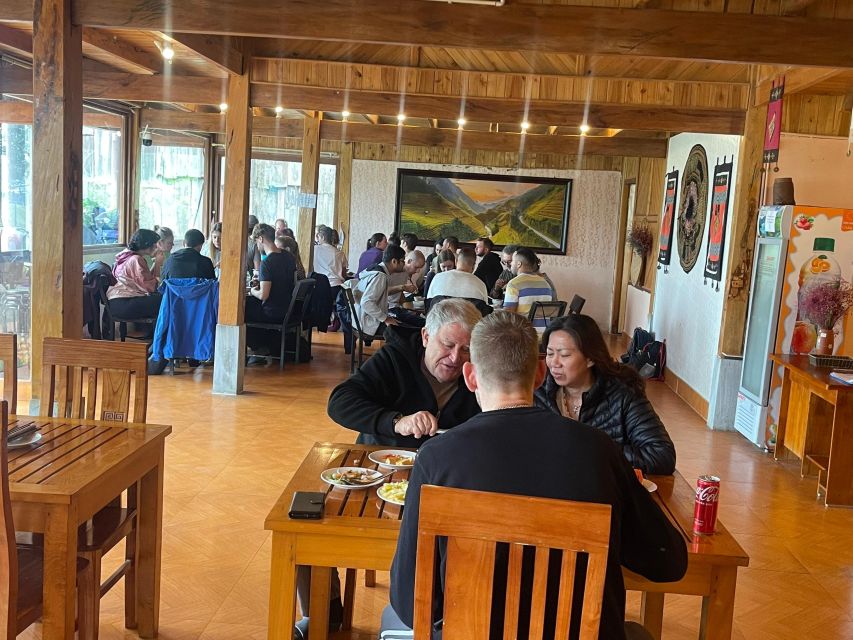
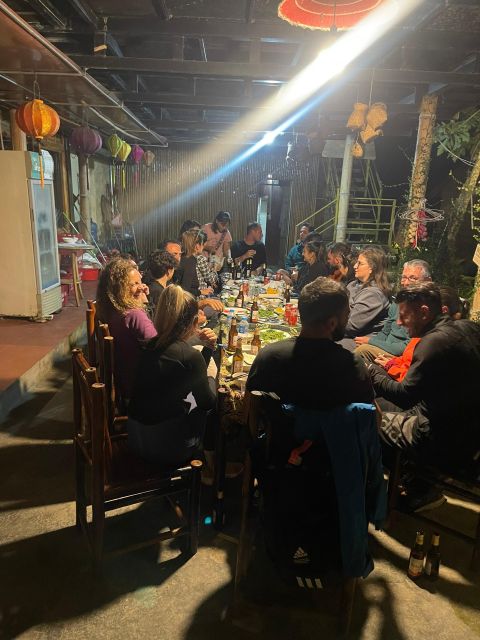
Lunch is included, and it arrives after the morning trekking. You’ll typically have around 2 hours in the lunch/rest window. The food is described simply as local restaurant lunch, and the upside is you’re not paying extra for a meal during the main part of the hike.
Two things to keep in mind:
- Drinks during meals are not included. Bring cash if you want water, beer, or other drinks.
- After lunch, your legs will need the reset. Don’t plan to “power through” immediately after the meal—your guide will take you on the next short walk segment.
Then it’s a short walk toward the bus connection. You’ll take the ride back to Sapa town after reaching the pickup/board point around Ta Van.
Guide Quality, Real Trail Advice, and Village Encounters
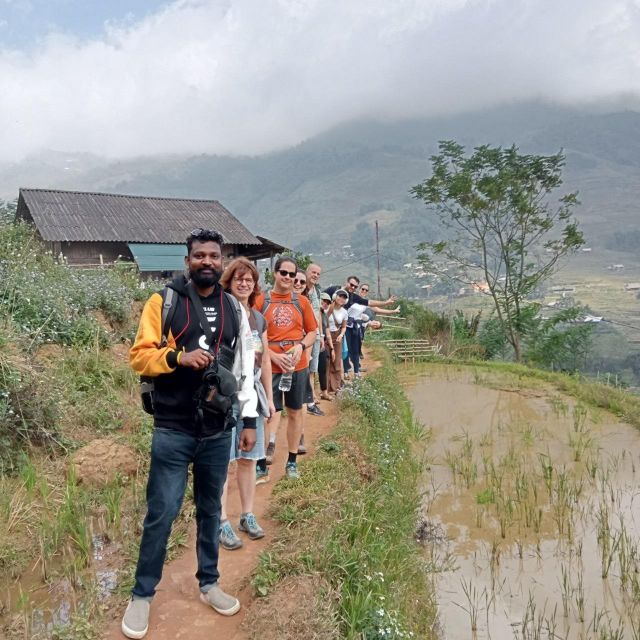
The tour is guided by a local English-speaking guide, and that’s a real quality-of-life upgrade. You won’t just be dropped into the countryside with a map. Your guide stays with you through the core walking sections and helps organize the day’s pacing.
What you should know, based on how these treks tend to play out: the guide also helps you navigate the “where do we go now” moments on narrow paths. And if rain has fallen, they’ll adapt to conditions where they can.
Shoes are the #1 non-negotiable. One strong piece of practical advice from past experiences on this route: use non-slippery shoes, and if it’s muddy, your sole grip is what keeps your confidence high. People have also pointed out that the trail can be strenuous in sections but still doable with proper footwear.
Finally, about village encounters: you’ll likely see handmade items offered along the way. You can pass politely. If you want to buy, do it because you genuinely like something—not because you feel pressured. Most of these exchanges are straightforward when you keep your tone respectful.
Price and Value: What You Really Get for About $22
For $22, you’re paying for more than entertainment. You’re paying for:
- Local English guide for the full day framework
- Entrance ticket (specific site isn’t detailed in your info, but the ticket is included)
- One lunch
- One-way bus from Ta Van back to Sapa town
- Hotel pickup in central Sapa (with the small walk to the departure point)
What’s not included is equally important. Drinks during meals aren’t included, and personal expenses aren’t included. That means you should plan to buy at least water if you don’t want to bring your own. If you’re budgeting, factor in snacks and drinks so the hike doesn’t become a “surprise cost” day.
In value terms: if you were to do this independently, you’d still need footwear, transport between Sapa and Ta Van, and some kind of local guide support to make sense of village routes. Paying for the guide is what keeps you moving efficiently and helps you avoid the stress of trial-and-error.
When This Trek Works Best (and When to Skip It)
This trek is for active people. It’s marked as not suitable for:
- people with mobility impairments
- wheelchair users
- people over 80
- children under 5
Also, expect a hiking day with muddy, dirty roads in wet weather. The tour is about 10km of walking, and it uses paths that aren’t designed for wheelchairs or slow strolling.
If you’re fit, comfortable with uneven ground, and you enjoy villages and terraces, this is a great fit. You’ll get a full “Sapa rhythm” day: walk, pause in villages, take in mountain views, eat, then ride back before late afternoon.
If you’re traveling with very young kids, have limited mobility, or you know you’ll struggle on slippery slopes, you’ll likely feel stressed rather than relaxed. In that case, it’s better to choose a shorter, flatter option elsewhere in Sapa.
Packing Tips for Mud, Cold Mornings, and Sticky Afternoon Sun
For this trek, pack like you’re hiking—because you are. Here’s what you should prioritize:
- Comfortable shoes (hiking boots or suitable non-slip shoes)
- Comfortable clothes for the walking
- Warm clothes from October to March
- Sunscreen
- Insect repellent
One more rule: avoid bringing luggage or large bags. If you have to carry a bag, keep it small and manageable for long walk segments.
And if rain is in the forecast, think in layers and plan for mud. You might not get soaked, but you can get dirty fast.
Should You Book This Sapa Full-Day Trek?
Book it if you want an honest village-and-terrace trekking day that fits into a half-day window, with lunch included and a guide to keep you oriented. It’s especially worth it for your first Sapa trekking experience because the route is structured and the guide stays with you.
Skip it if you need a gentle walk, if you can’t handle uneven terrain, or if you’re traveling with very young children. The trail effort and mud risk are the deciding factors, not the scenery.
If your schedule is flexible, you can cancel up to 24 hours in advance for a full refund and you can reserve now and pay later, which helps if you’re waiting for weather to firm up.
If you want, tell me your travel month and fitness level, and I’ll suggest whether to go in wet season or how to adjust footwear and clothing for that timing.
FAQ
What time does the tour pickup happen in Sapa?
Pickup is scheduled between 8:00 and 8:30am from your hotel in Sapa town central or at the meeting point. The guide will walk to pick you up.
How long is the trekking tour?
The tour is listed as about 6 hours, and it typically ends around 2:00 to 2:30pm.
About how far will I walk?
The hike is around 10km.
Where is lunch included?
Lunch is included and you’ll have a rest break at a local restaurant during the middle of the tour.
Is the tour guided and in English?
Yes. You’ll have a local English tour guide who stays with you during the tour.
What transportation is included?
You’ll take a one-way bus from Ta Van village back to Sapa town. Pickup is included from central Sapa, with the guide walking to meet you.
Are entrance tickets included?
Yes. Entrance ticket(s) are included as part of the tour.
What should I bring for the trek?
Bring comfortable shoes (hiking boots or suitable shoes), comfortable clothes, sunscreen, insect repellent, and warm clothes from October to March.
Is luggage allowed?
Luggage or large bags are not allowed.
Is this tour suitable for children or people with mobility issues?
No. It is not suitable for children under 5 years old, people with disabilities, wheelchair users, or people over 80 years. The hike involves uneven terrain.