REVIEW · KAMPALA
3 Days Gorilla Trekking Safari
Book on Viator →Operated by Freka African Holidays · Bookable on Viator
Gorillas on your terms, but jungle calls shots. This 3-day small-group safari brings you into Bwindi Impenetrable Forest for a trek that ends with a focused one-hour gorilla encounter.
I also love the route’s mix of wildlife and culture: Batwa Cultural Visit on day one, plus Lake Bunyonyi downtime and a boat ride near Kigali. One consideration is the physical side—treks can run 2–8 hours through steep slopes, valleys, and thick vegetation.
In This Review
- Key Highlights You’ll Actually Feel
- How a Kampala-Based Trip Ends Up in Bwindi
- Bwindi Gorilla Trekking: The Jungle Sets the Schedule
- What the Gorilla Hour Feels Like (and How to Prepare for It)
- Batwa Cultural Visit: A Different Kind of Forest Connection
- Lake Bunyonyi: Your Physical Reset in a Big Scenic Place
- Rwanda Morning, Rwanda Memory, and the View of Five Volcanoes
- Returning via Katuna and a Boat Ride Near Kigali
- Price and Value: What $1,890 Really Buys
- Your Guide Team and the Small-Group Advantage
- What to Pack and How to Handle the Trek Day
- Should You Book This Gorilla Trekking Safari?
- FAQ
- What is the duration of the 3 Days Gorilla Trekking Safari?
- Where does this safari take place?
- What time does the tour start?
- How many people are in the group?
- Is pickup offered?
- Does it include a mobile ticket?
- How long is the gorilla trek, and how long do you stay with the gorillas?
- Is the tour suitable for everyone physically?
- What happens if the weather is poor?
- Is there free cancellation?
Key Highlights You’ll Actually Feel
- Max 7 travelers means more flexibility and less crowding on the trail.
- Gorilla viewing is capped at one hour once you’re lucky enough to locate a group.
- Trek timing is variable (2–8 hours) depending on where the gorillas are that day.
- Batwa Cultural Visit adds a people-and-place layer, not just wildlife viewing.
- Lake Bunyonyi break includes serious scenery time, and swimming is described as safe because the lake is bilharzias-free.
- Rwanda adds major context: Kigali Genocide Memorial Centre, Twin Lakes Burera and Ruhondo, and viewpoints over five volcanic mountains.
How a Kampala-Based Trip Ends Up in Bwindi
Even though the tour is listed with Kampala as the base location, the experience is really built around a cross-border route. You start early (the meeting time is 7:00am), and the itinerary moves through Rwanda before it brings you into Uganda’s Bwindi Impenetrable National Park area.
That routing matters. You’re not only going after gorillas—you’re also getting a serious dose of regional geography and history along the way. If you like your safaris to feel like travel, not just a transfer between checkpoints, this plan tends to land well.
You’ll also feel the “small group” vibe from the start. With a maximum of 7 travelers, your day-to-day pace is less likely to feel chaotic, especially when you’re heading to briefing points and then stepping into the forest.
You can also read our reviews of more tours and experiences in Kampala.
Bwindi Gorilla Trekking: The Jungle Sets the Schedule
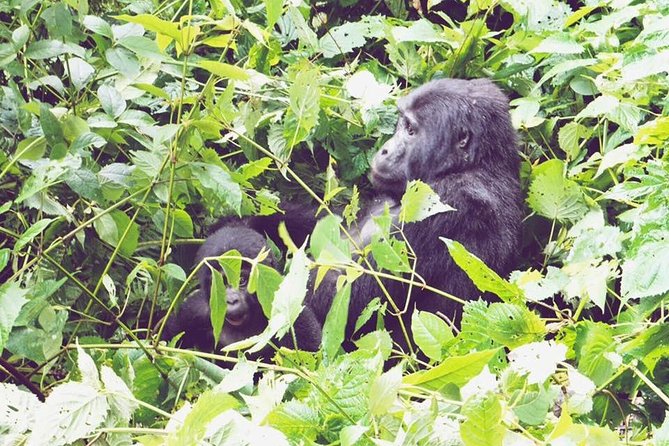
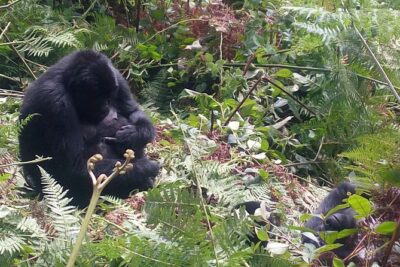
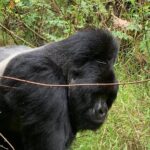
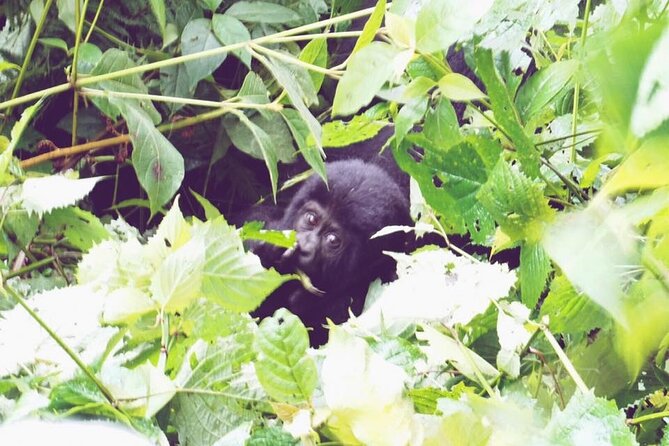
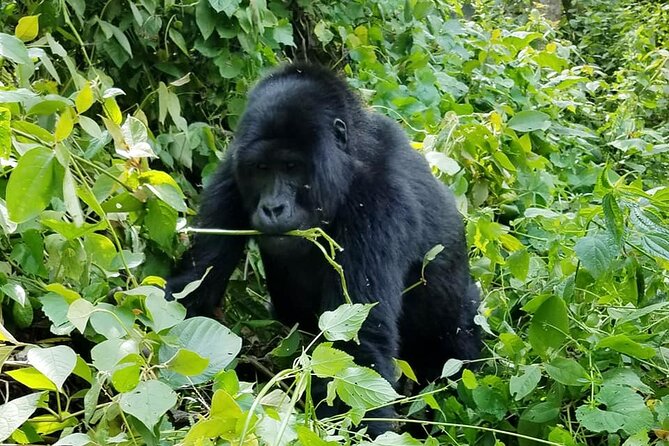
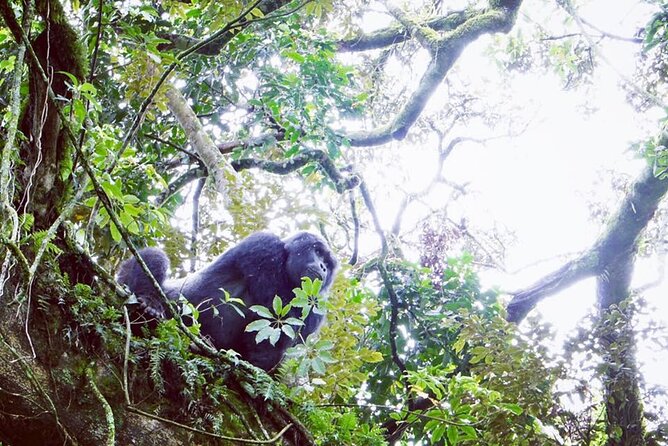
This is the core of the safari, and Bwindi is the reason people come. The forest is home to more than half of the remaining 720 Mountain Gorillas, and it’s also a strong birding area—so even on a tough trek day, you’re not only staring at the ground.
You begin with a briefing at the park headquarters, which is crucial. The tour specifically notes guidance on what to do and what not to do during a gorilla trek, and it’s there to keep both you and the gorillas safe. After that, you head out into thick vegetation where the forest sounds take over fast.
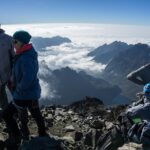
Expect the hike to be physically demanding. The trek ranges from 2 to 8 hours, with movement over rugged terrain, including steep slopes and valleys. This is not the kind of walk where you can “set and forget.” You’ll be adjusting your footing constantly, and you may feel it in your legs by the time you arrive.
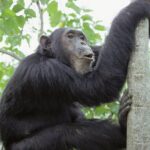
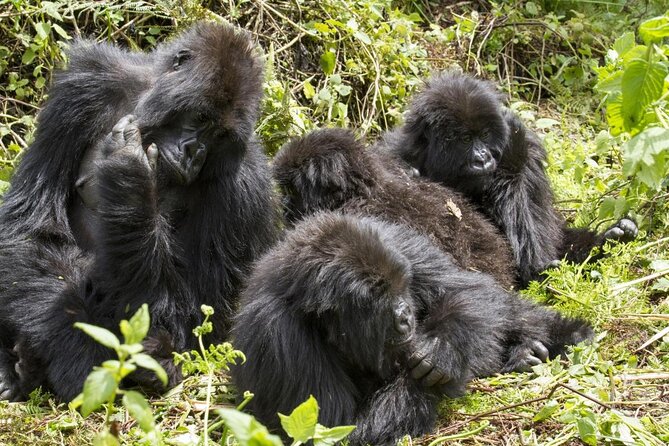
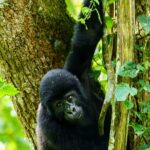
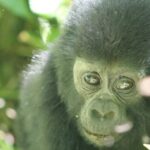
Once the gorillas are located, you’ll get up close and personal—but there’s structure. You’ll have one hour to stay with the gorillas once you find them, watching them feed, play, and relax. That time limit can sound short until you realize it protects the experience for you and the animals.
What the Gorilla Hour Feels Like (and How to Prepare for It)
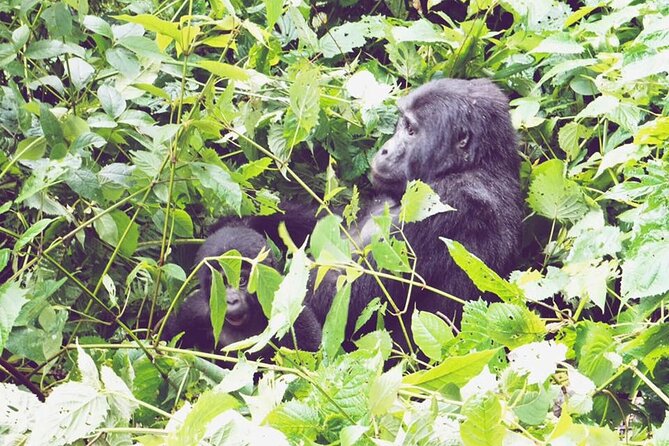
When the gorillas show up, it changes the energy of the entire group. You’ll go from endurance trekking to careful, quiet observation. The goal is to stay calm, follow instructions, and give the gorillas space while still getting the close-range moments that make this trip worth it.
Because your walk time varies, you need a flexible mindset. You’re not trekking on a fixed timetable like a theme-park line. If you’re the type who gets stressed by uncertainty, try to reframe it: the jungle decides when you see the gorillas.
Your best practical move is to plan for a “full day body.” That means being ready for thick vegetation, uneven ground, and a long wait that may come with a lot of standing around. The briefing helps, but your body still has to do the work.
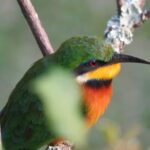
Also, take birding opportunities seriously, even if you’re focused on gorillas. Since Bwindi is described as a unique birding destination, you can get extra value from the trek beyond the big moment. Just keep your eyes up carefully so you’re not tripping while you’re enjoying the forest life.
Batwa Cultural Visit: A Different Kind of Forest Connection
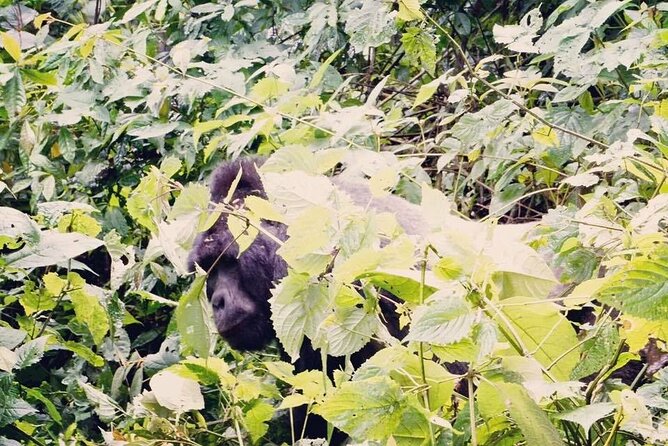
One evening stop that adds real texture is the Batwa Cultural Visit. It happens after you arrive in the Bwindi area and check into your lodge.
This isn’t just a “show” added to fill time. It’s an opportunity to learn about the forest from people who have long had an intimate relationship with it. For many visitors, that context makes the gorilla trek feel more grounded, because you understand the human side of the same landscape you’re hiking through.
You’ll usually leave this kind of cultural visit with a different mental map of the area. Instead of only thinking about trees and animals, you start thinking about how people live, adapt, and interpret the forest around them.
The downside? It’s another evening activity after a long day. You’ll want to keep your energy for the next morning’s trekking. Think of it as evening enrichment, not the time to cram in extra sightseeing.
Lake Bunyonyi: Your Physical Reset in a Big Scenic Place
After the gorilla trekking day, you shift to Lake Bunyonyi—and that change of scenery is a welcome relief. The itinerary describes it as one of the most beautiful places in western Uganda, and it also comes with a practical advantage: downtime when your legs need it.
This lake is described as the second deepest lake in Africa, with a depth of about 900 meters. More importantly for many travelers, the tour notes it’s bilharzias-free, which means swimming is considered safe in this area.
That detail is more than trivia. When you’re coming off a long trek—2 to 8 hours of rugged walking—swimming can feel like a legitimate recovery tool, not just a vacation perk. Even if you don’t swim, the lake setting tends to restore your mood after the intensity of gorilla tracking.
Plan for dinner and an overnight stay around this lake. That’s where the trip balances out: one day of strain, then a day where the pace can slow down and you can properly absorb the views.
Rwanda Morning, Rwanda Memory, and the View of Five Volcanoes
The trip doesn’t ignore Rwanda, and that’s a big part of why it feels like more than a single-activity safari. On the first day, you’re scheduled for a Kigali City tour beginning with the Kigali Genocide Memorial Centre.
It’s not a casual stop, so treat it with care. If you want context for the region, this is one of the most meaningful places you’ll visit on the route. It also sets the tone for the rest of your journey: you’re traveling through real lives and real history, not just scenery.
After that, the day moves toward northern Rwanda for the Twin Lakes of Burera and Ruhondo. You’ll have a lunch focused on lake fish, then you go to a viewpoint where you can see the two lakes and the stretch of five volcanic mountains reaching toward the Congo DRC border area.
There’s also a geography moment that many travelers find memorable: the itinerary notes that the three countries—Rwanda, Uganda, and Congo DRC—meet at the tip of Sabyinyo peak. That’s the kind of detail that makes photos feel like more than decoration.
Then you cross into Uganda at Cyanika border, drive through Kisoro town, and arrive in the Bwindi area in the afternoon. This is one of those “you spend time in transit” itineraries, so if you hate long drives, know that this plan trades comfort for breadth.
Returning via Katuna and a Boat Ride Near Kigali
By day three, the pace shifts again. You start with breakfast, then you’re scheduled for a boat ride on the lake near Kigali, touring different islands and scenic viewpoints. That’s a nice contrast to the forest trekking: open water, more breathing room, and time for photos without worrying about slippery slopes.
After the boat ride, you drive back to Kigali City via Katuna border, then you arrive in the evening with time to catch a late evening departure flight. So plan your schedule with buffer for border delays and traffic.
This final day is a gentle close—more scenic than strenuous—while still keeping the trip tight enough to fit a short safari timeframe.
Price and Value: What $1,890 Really Buys
At $1,890 per person for approximately 3 days, you’re paying for a whole package, not just a single activity. The tour includes pickup offered, a mobile ticket, cross-border routing, a gorilla trek with park-time structure, and the lakes-and-culture components that fill out the schedule.
In gorilla trekking, costs often reflect logistics-heavy planning. Even without getting into permit breakdowns, it’s clear you’re covering guided movement, park headquarters coordination, and the reality that Bwindi is remote and requires long travel days. This package also adds multiple Rwanda experiences, which increases the value if you’re already interested in Kigali and the Twin Lakes region.
What I’d watch for at this price point is fit, not “extras.” This itinerary expects a moderate fitness level and includes trekking that can reach 8 hours. If you’re physically cautious, you may find the plan less comfortable than the brochure tone.
Also note the trip runs in small numbers. With a maximum of 7 travelers, you’re not just buying access—you’re buying a less crowded experience, which can matter a lot when your day depends on wildlife timing.
Your Guide Team and the Small-Group Advantage
The human side is where a lot of these trips rise or fall, and this one is built around named support. The operations manager Ruth comes up repeatedly, and the guide team includes people such as Eddy, Sam, Godwin, and Muhammad.
That matters because gorilla trekking is partly wilderness skills and partly stress management. When the forest gets tough and the trek feels long, you want a guide who keeps the group moving safely and clearly. You also want someone who can manage the one-hour gorilla viewing moment so everyone gets a fair experience.
With up to 7 travelers, coordination tends to be easier. You can usually hear instructions, ask quick questions, and adjust your pace without feeling like you’re stuck behind a long line. It’s one of those “small details” that becomes big on a day where you’re walking through thick vegetation.
What to Pack and How to Handle the Trek Day
Since you’re trekking in thick vegetation with steep slopes and valleys, pack like you expect mud, sweat, and uneven footing. Comfortable, grippy shoes matter more than style. Bring layers you can adjust, because forest days can feel cooler at some points and hot at others.
For the gorilla hour, think calm and practical. You’ll want to keep your hands free for steady camera handling and avoid anything that makes noise or startles attention. Most importantly, follow the briefing rules closely. That guidance is specifically there for behavior and safety during the trek.
Also, plan hydration and snacks in a way that won’t slow you down. The trek duration varies from 2–8 hours, so you might be out longer than you planned for. If you’re not used to long walks on uneven ground, test your fitness before you go.
Finally, remember the whole itinerary is weather-dependent. Good conditions help everything run smoothly, especially trekking and lake time.
Should You Book This Gorilla Trekking Safari?
If you want a short safari that combines Bwindi gorilla trekking with Rwanda lakes, Kigali history, and a Batwa cultural stop, this package makes sense. The small group size and the structured gorilla viewing (including the one-hour time once you find the gorillas) are strong reasons to choose it.
Book it if:
- You’re okay with a trek that may run 2–8 hours and you have at least moderate physical fitness
- You want both wildlife and culture, not just one main event
- You like travel days with meaningful stops, including Kigali’s Genocide Memorial Centre
Hold off if:
- You’re uncomfortable with rugged slopes and long, thick-vegetation walking
- You need a very low-commitment schedule, because day one and day two run long (listed around 12 hours each)
If you’re ready for a real gorilla trek and you don’t mind that the jungle sets the pace, this is a solid value at $1,890—especially when guided by an experienced team like Ruth and guides such as Eddy, Sam, Godwin, and Muhammad.
FAQ
What is the duration of the 3 Days Gorilla Trekking Safari?
The safari runs for 3 days (approx.).
Where does this safari take place?
It is based around Kampala, Uganda, with gorilla trekking in Bwindi Impenetrable National Park, plus time in Rwanda and lake areas like Lake Bunyonyi and a boat ride near Kigali.
What time does the tour start?
The meeting start time is 7:00am.
How many people are in the group?
The tour has a maximum of 7 travelers.
Is pickup offered?
Yes, pickup is offered.
Does it include a mobile ticket?
Yes, the experience includes a mobile ticket.
How long is the gorilla trek, and how long do you stay with the gorillas?
The trek ranges from 2 to 8 hours, and once the gorillas are located, you have one hour to stay with them.
Is the tour suitable for everyone physically?
It is recommended for travelers with a moderate physical fitness level.
What happens if the weather is poor?
The experience requires good weather. If it is canceled due to poor weather, you’ll be offered a different date or a full refund.
Is there free cancellation?
Yes. You can cancel up to 24 hours in advance for a full refund. If you cancel less than 24 hours before the start time, the amount paid is not refunded.