REVIEW · KAMPALA
5 Days Gorilla and Chimpanzee Trekking in Uganda
Book on Viator →Operated by Adventure In The Wild Safaris · Bookable on Viator
That one-hour gorilla moment changes the whole trip.
This 5-day Uganda route strings together Kibale Forest for chimps and other primates, then heads to Bwindi Impenetrable Forest for mountain gorillas, finishing with Lake Bunyonyi. You get guided wildlife time, included permits, and a smooth chain of transfers starting from Kampala or Entebbe.
I especially like the chance to see primates twice—first in Kibale, then in Bwindi—with a Bigodi Wetlands nature walk for birds and butterflies in between. I also like the strong guiding reputation in this trip’s history: names like Robert, Ariyo Timothy, Dan, and Joram come up with praise for being on time, patient, and taking good care of the group.
One watch-out: you’ll be doing forest trekking that demands moderate fitness and patience. The terrain is thick and steep in places, and the chimp/gorilla days start early, so plan for sore legs and long hours in the bush.
In This Review
- Key points to know before you go
- Primate safari logic: why Kibale first, then Bwindi
- Chimp trekking at Kibale Forest, plus the Bigodi bird walk
- The drive to Bwindi and what check-in really means
- Gorilla trekking in Bwindi: briefing, thick forest, and one hour with the gorillas
- Lake Bunyonyi: the reset after primates
- Price and value: what $2,350 covers (and why permits matter)
- Guides, pacing, and the private-group feel
- What to pack and how to prep for moderate fitness treks
- Should you book this 5-day chimp and gorilla trip?
- FAQ
- What’s included in the price?
- Do I get picked up in Kampala or Entebbe?
- How long is chimp trekking in Kibale?
- How long is gorilla trekking in Bwindi?
- Where do you go besides the parks?
- Is this a private tour?
- What physical fitness level do I need?
Key points to know before you go
- Two different primate ecosystems: chimps and other primates in Kibale, then mountain gorillas in Bwindi
- Early starts are real: chimp tracking can take about half a day; gorilla trekking can run from half an hour to three quarters
- Your gorilla time is capped: once found, you get one hour with the gorillas
- Bigodi is for bird-and-butterfly lovers with birds like Great Blue Turaco and Papyrus Gonolek and 137 species listed
- Lake Bunyonyi offers a breather: you’ll transfer there and later do canoeing
- Private feel, group pricing: it’s private for your group, with group discounts possible
Primate safari logic: why Kibale first, then Bwindi
This trip is built around a simple idea: see Uganda’s primates where they live best. Kibale Forest is known for chimpanzees and a whole roster of other primates in one protected area. Bwindi is where you go for mountain gorillas, with Bwindi holding half of the remaining mountain gorilla population.
The route also keeps the rhythm sensible. You don’t spend all five days in one park. You get a chimp morning in Kibale, a Bigodi nature walk in the same region, then you shift to Bwindi and hit the gorilla trek next. That change of scenery matters because your brain needs a break from the intensity of animal tracking before the gorilla day.
You can also read our reviews of more tours and experiences in Kampala.
Chimp trekking at Kibale Forest, plus the Bigodi bird walk
Day 1 is all about getting into position. After pickup in Kampala or from Entebbe International Airport, you head west toward Kibale, with a lunch stop via Fort Portal. You arrive late afternoon, then settle in for dinner and sleep at your lodge of choice.
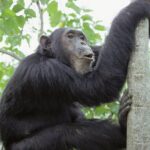
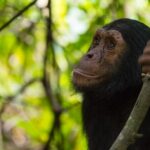
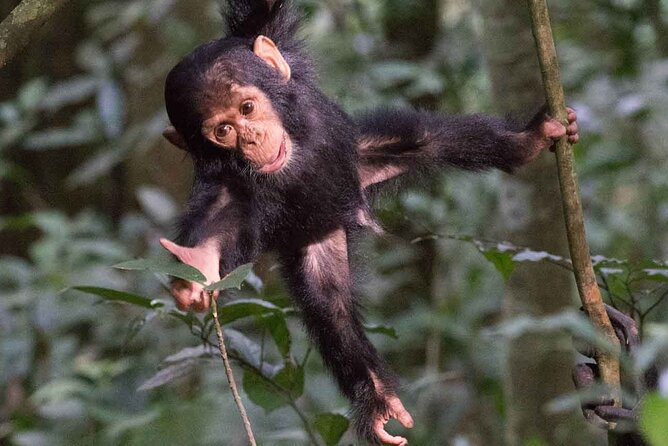
Day 2 is the big one. You wake up early for chimp tracking near Kanyanchu. In practice, this kind of trek can take around half a day depending on where the chimps are and how the group moves. The walk itself is not just about chimps. Kibale is home to 13 other primate species, so you might encounter several during the same trek.
Here’s what you should realistically expect could show up during the chimp trek:
- Golden monkey
- L’Hoest monkey
- Baboons
- White and black colobus monkeys
- Grey checked mangabey
- Red colobus
- Blue monkeys
- Pottos
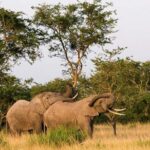
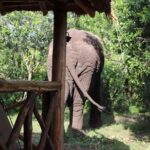
You might also spot forest elephants (a different kind than the common one), giant forest hogs, and some striking tree species. The value here is that the trek feels like a living forest, not a checklist.
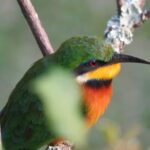
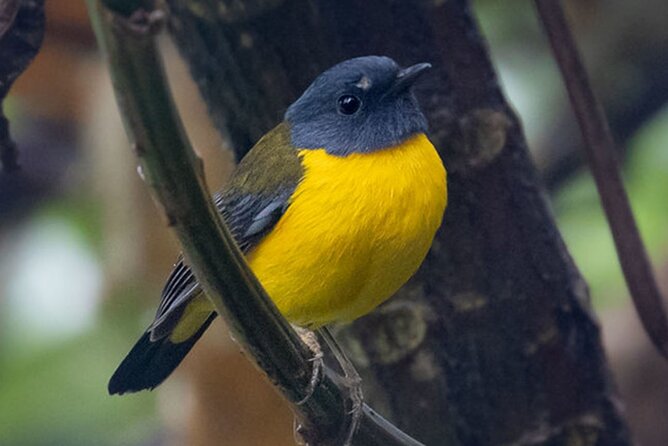
After lunch, you shift to Bigodi Wetlands Sanctuary for a guided nature walk. Bigodi is the calmer, bird-focused counterpoint to chimp tracking. It’s a great stop for birding. The birds listed there include the Great Blue Turaco and Papyrus Gonolek, and the site is noted for 137 bird species. There’s also an array of butterflies, so even if your main goal is primates, Bigodi gives you variety without the all-day strain.
Practical note: you’ll likely move at a comfortable walking pace on the Bigodi portion, but it’s still outdoors. Bring sun protection and water so the birding stays fun, not miserable.
The drive to Bwindi and what check-in really means
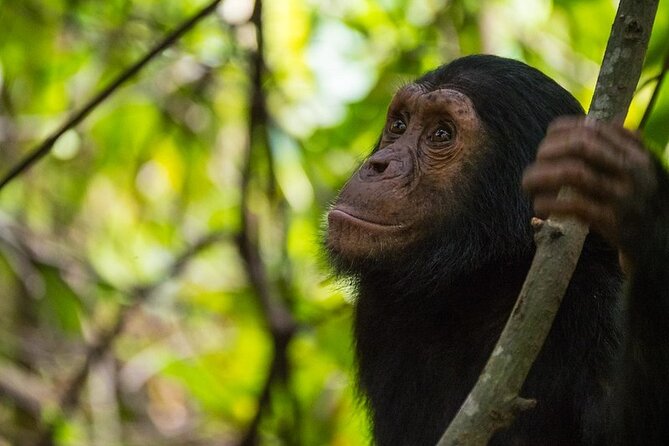
Day 3 switches gears from Kibale to Bwindi. After breakfast, you travel to Bwindi Impenetrable Forest, with lunch en route. Bwindi is home to endangered mountain gorillas, and it’s especially important because it holds half of the remaining mountain gorilla population.
When you reach Bwindi, you check into your lodge for dinner and overnight. This matters because the gorilla day depends on you being well rested. Even if you arrive tired, a solid sleep helps you handle the early start and the slow, physical trekking pace.
Day 4 is where you’ll see how the program handles safety and rules. You’ll head to park headquarters for registration and a gorilla trekking briefing about the dos and don’ts. This briefing is not busywork. Those rules are what let you get close without stressing the animals, and they keep the trek safer for everyone.
Gorilla trekking in Bwindi: briefing, thick forest, and one hour with the gorillas
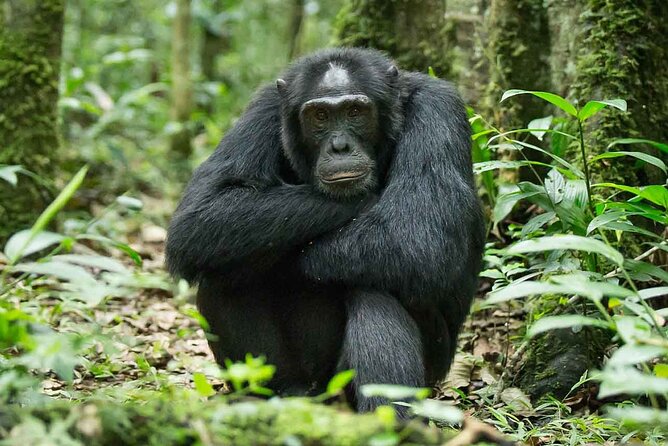
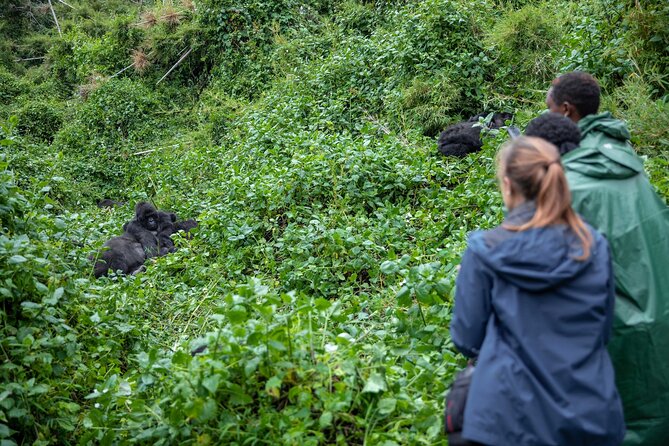
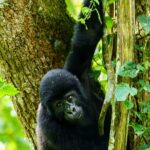
Gorilla trekking in Bwindi is a long experience measured in effort, not speed. After the briefing, you trek through dense forest with your guides. The terrain can be steep and very thick with creepers and undergrowth. It’s not a casual walk, but Bwindi is also described as crisscrossed by animal trails. That’s good news: you’re not hacking through random brush.
The trek can take from half an hour up to three quarters of the day, depending on where the gorillas are and how quickly the group can reach them. As you hike, you may spot other primates, birds, and rare tree species. In other words, even if the gorillas are not immediately visible, the forest still keeps giving you things to notice.
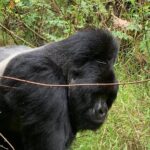
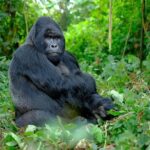
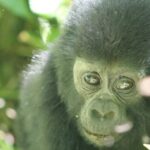
When the gorillas are found, the rules kick in: you’re allowed one hour with the gorillas. That hour is the heart of the trip. You’ll be close enough to see their behavior up close, not just spot them from far away. After that, you trek back to park headquarters.
One consideration: because the trek and follow-up are measured in time rather than distance, your physical comfort depends on the day’s conditions. Some days can feel slower than you expect. That’s normal here. If you come prepared for a workout, you’ll enjoy the experience more.
Lake Bunyonyi: the reset after primates
By late afternoon on Day 4, you transfer to Lake Bunyonyi. This is the palate cleanser part of the journey. The lake is described as Uganda’s deepest and one of its most beautiful, with several islands dotted around it. You check in at your lodge for a restful evening and a different type of view than the forest canopy.
Day 5 continues the relaxed theme with canoeing on Lake Bunyonyi. You’ll take photos, and you’ll have time to interact with locals. Then you transfer back to Kampala, with lunch en route, and you’ll be dropped off at your hotel in Kampala or Entebbe, or at the airport.
This is a smart way to finish. Gorilla days are emotionally intense, and you don’t want to end the trip with another long, demanding trek. The lake day gives you space to think about what you saw and how it felt, while still keeping the trip active.
Price and value: what $2,350 covers (and why permits matter)
At $2,350 per person for 5 days, you’re paying for two of the most expensive wildlife experiences on the planet: chimpanzee permits and gorilla trekking permits. In most countries, those permits are the main cost driver. Here, those permits are listed as included.
The price also includes accommodation and meals—breakfast (4), dinner (4), and lunch (5)—plus all fees and taxes. That matters because it reduces the amount you have to budget for on the ground. You’re not constantly working out what’s next and what costs extra.
What’s not included is also clearly stated: your Uganda visa and international flights. So the real comparison isn’t just the headline price. It’s that your major in-country costs are bundled, but you still need to handle visas and getting to Uganda.
If you want the value angle in plain terms: this trip is expensive because it’s built around permits and logistics that don’t get cheaper. The value comes from getting both chimps and gorillas in one package, with guided time and transfers that link the parks efficiently.
Guides, pacing, and the private-group feel
One thing I like about this style of trip is the human layer. You travel with a guide who handles pickup, transfers, registration, and the trek guiding. The strongest praise tied to this experience centers on guide quality and care. Names like Robert, Ariyo Timothy, Dan, and Joram show up in feedback as people who were on time, friendly, and patient—especially when there was language friction.
Your trip is also described as private, meaning only your group participates. That’s a big deal on safari. It usually translates to less crowd pressure and more flexibility in how the day flows, compared to busier shared-departure formats.
At the same time, the listing notes group discounts. That suggests the operator may price better when a group size is larger, even if the outing is still private for your party. Either way, your best value will often come from traveling with others who can share the cost.
What to pack and how to prep for moderate fitness treks
The tour asks for moderate physical fitness. That’s fair, because you’re walking in thick forest and dealing with uneven ground. Your best move is to prepare for slow movement and sustained effort.
Pack basics that support trekking:
- Comfortable hiking shoes with grip
- Light rain protection (forest weather can change)
- Long sleeves or light layers for undergrowth and sun
- Water and snacks if you tolerate them well (your trek days are long)
- A hat and sunscreen for the earlier starts and open stretches
Also think about how you’ll handle waiting. Chimp and gorilla tracking depend on animal movement and guide decisions. The pace is not under your control, so your comfort planning matters.
If you’re used to fast hikes, this might feel different. If you’re ready for a steady, patient trek, you’ll enjoy it more.
Should you book this 5-day chimp and gorilla trip?
If your dream is seeing chimps in Kibale and mountain gorillas in Bwindi, this is one of the most direct ways to do it in a tight 5 days. The included permits, meals, and guided structure make it easier to plan and less stressful once you land. The Bigodi walk adds birding and butterflies without stealing time from the primate highlights.
I’d be cautious only if you know you dislike early starts, steep muddy paths, or long forest treks. This tour is built for people who can handle moderate fitness work and accept that animal encounters drive timing.
FAQ
What’s included in the price?
The tour price includes chimpanzee permits, gorilla trekking permits, accommodation, all fees and taxes, and meals (breakfast 4 times, lunch 5 times, and dinner 4 times). Visa and international flights are not included.
Do I get picked up in Kampala or Entebbe?
Yes. Pickup is offered from your hotel in Kampala or from Entebbe International Airport on arrival.
How long is chimp trekking in Kibale?
Chimpanzee tracking near Kanyanchu can take about half a day, with a total chimp trek time noted as around 6 hours for the day’s activities.
How long is gorilla trekking in Bwindi?
Gorilla trekking can take from half an hour to three quarters of the day, and once you find the gorillas you’ll spend one hour with them.
Where do you go besides the parks?
You’ll also visit Bigodi Wetlands Sanctuary and Lake Bunyonyi. On the final day, you’ll do canoeing on Lake Bunyonyi.
Is this a private tour?
Yes. It’s private, and only your group will participate.
What physical fitness level do I need?
The tour is suited for travelers with a moderate physical fitness level.