REVIEW · KAMPALA
8-Day Murchison Falls, Chimp and Epic Gorilla Trekking
Book on Viator →Operated by Ngoni Safaris Uganda · Bookable on Viator
Murchison Falls roars, and your plan just works. I like how this trip strings together three of Uganda’s biggest wildlife stories—Murchison Falls, Kibale chimps, and Bwindi gorillas—without you juggling reservations. I also like the private guide setup, because it keeps the days logical and gives you real help when you’re moving fast between parks.
One thing to keep in mind: you’ll be on the road a lot, and primate treks are physically real. Gorilla tracking can mean a walk of 2 to 7 hours, depending on where the family is, so bring a steady pace mindset and not just a camera mindset.
Key reasons this safari feels worth it
- Private, door-to-door routing from Entebbe so you don’t waste energy planning connections
- Murchison Falls game drive plus a boat cruise to get animals from land and water
- Kibale chimp trekking on well-maintained trails in one of East Africa’s richest primate zones
- Bwindi gorilla tracking with ranger guidance and time for quiet watching once you find the family
- Ishasha tree-climbing lions on the way to the forests of Bwindi
- A balanced close-to-nature finish at Lake Mburo with a horse ride and a return drive via Kayabwe
In This Review
- Private Uganda Wildlife Routing From Entebbe: How the Logistics Actually Feel
- Murchison Falls National Park: Ziwa Rhino Tracking, Big Game Drives, and the 3-Hour Boat to the Falls
- Kibale National Park and the Nile Delta: Chimp Trekking Plus a Birdwatcher’s Boat Day
- Queen Elizabeth National Park at Dusk: Game Tracks, Hippos, and Predator Chances
- Ishasha Tree-Climbing Lions to Bwindi: A Route Change That Adds Meaning
- Bwindi Impenetrable National Park Gorilla Trekking: Ranger-Led Walks and an Hour of Quiet Watching
- Lake Mburo Horse Riding and the Return via Kayabwe: A Softer Finish Before Entebbe
- Price and Value for a $12,000 Private Group (Up to 4)
- Guides, Organization, and What to Ask Before You Go
- Who This 8-Day Uganda Safari Suits Best
- Final Verdict: Should You Book This 8-Day Murchison, Chimp, and Gorilla Trekking Tour?
- FAQ
- What is the meeting point and start time?
- Is this tour private?
- How many people are in a group?
- Does the tour include pickup?
- What wildlife activities are included?
- How long is the gorilla trekking walk and how long do you watch the gorillas?
- What level of physical fitness do I need?
- Where do you return at the end of the trip?
- Is there free cancellation?
Private Uganda Wildlife Routing From Entebbe: How the Logistics Actually Feel
This is built for people who want Uganda wildlife, not Uganda spreadsheet stress. You start at Entebbe Airport at 8:00 am, and you get pickup as part of the package, which matters on day one when everything is still new.
What you’re really paying for is time and decision fatigue. Instead of calling around for permits, negotiating routes, and trying to read local schedules, a driver and guide handle the navigation between Murchison Falls, Kibale, Queen Elizabeth, Bwindi, and Lake Mburo. That lets you focus on the fun parts: sightings, ranger instructions, and the slow wonder of watching animals do their thing.
Group size is up to 4 people per group, and it’s private, meaning your pace stays yours. That’s a big deal when gorilla trekking and chimp trekking have time windows, and when you don’t want “sit and wait” energy eating your daylight.
Murchison Falls National Park: Ziwa Rhino Tracking, Big Game Drives, and the 3-Hour Boat to the Falls
Murchison Falls is the kind of park that hits different from every angle. On day one, you travel from Entebbe toward the falls area, with a stop at Ziwa Rhino Sanctuary for rhino tracking before continuing into the park. If you’re aiming for rare sightings, this is a smart warm-up day—less pressure than a full-day trek, but still wildlife-focused.
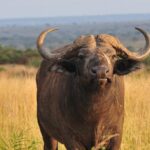
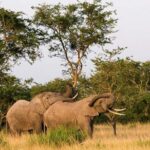
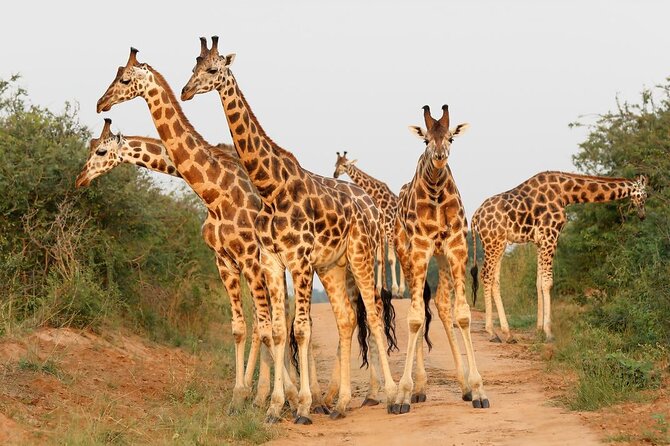
Day two is where Murchison earns its reputation. You start with a game drive in the northern area of the park, looking for the big mammals like buffalo, lion, and elephants, and you might also find leopards depending on luck. Alongside the big animals, you’re likely to run into more of the everyday stars—giraffes, warthogs, waterbuck, hartebeest, and other antelope types.
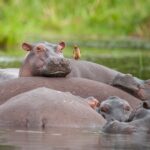
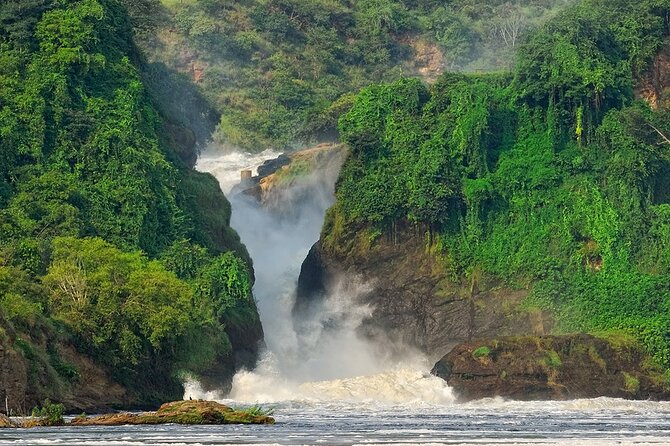
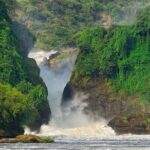
Then you get the signature move: a 3-hour boat trip to the base of the falls. This is valuable because it changes your animal viewing position. Instead of scanning from a dusty lookout, you’re watching from the water, passing hippo pods, Nile crocodiles, and aquatic birds as you work toward the roaring section where the river forces itself through the landscape.
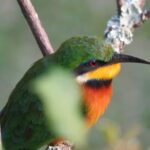
For birders, Murchison is a strong add-on stop. The park’s bird life includes shoebill stork (often a dream sight), dwarf king fisher, white-thighed hornbill, and Goliath heron, and you’re told there are 450 bird species in the area. Even if birds aren’t your main goal, the sheer variety is a nice bonus when the light is good and the air feels calm on the boat.
Potential drawback here: you’ll likely feel the schedule load. Murchison covers a lot—driving, a game drive, and a boat cruise—so this is not a “sleep in and lounge” day. If you’re sensitive to long days, build a little extra buffer into your overall Uganda plans.
You can also read our reviews of more tours and experiences in Kampala.
Kibale National Park and the Nile Delta: Chimp Trekking Plus a Birdwatcher’s Boat Day
Kibale National Park is where the safari goes from big-mammal strategy to primate intimacy. Before heading into Kibale, you make time for the Nile Delta, where the Victoria Nile flows into Lake Albert. You’ll take an approximately 5-hour boat tour, and the day is timed for the calm joy of early water travel—breaking things up from driving, and giving you a wildlife rhythm that feels slower.
This boat day is especially appealing for people who like birds and local life. You can see fishermen in canoes using their methods on the water, and you might spot animals along the banks while you’re passing papyrus scenery and approaching Lake Albert. The tour includes breakfast while on the water, which makes it feel less like a transfer and more like a proper experience.
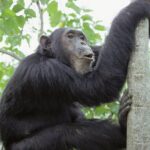
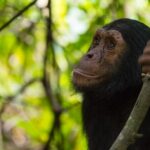
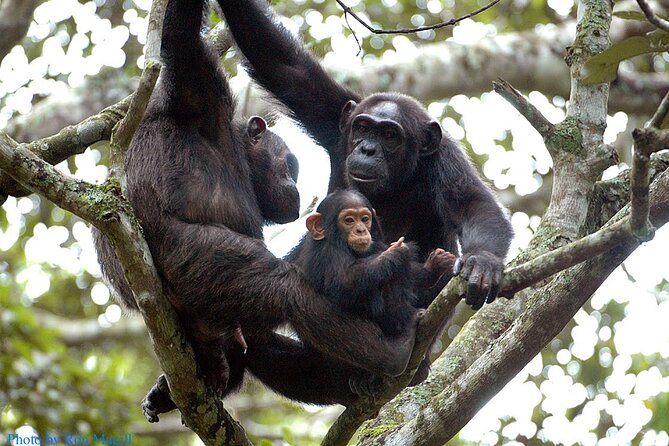
Then comes day four: chimpanzee trekking in Kibale. The chimp walk is done on well-maintained trails, and it’s designed to get you close enough to understand chimp behavior, not just collect a quick sighting. You’re also told chimpanzees share 98% of human genes, which is a reminder of why this trek can feel personal in the moment.
Kibale also holds other primates beyond chimps—red colobus and red-tailed monkeys are specifically mentioned—so even if chimp sightings aren’t instant, the walk usually stays interesting. The best part of chimp trekking is the mix of quiet anticipation and then sudden movement when you finally catch up to the group.
Trade-off to expect: chimp trekking depends on where the chimps are that day. That means you may walk more than you expect, and the trek timing isn’t something you can speed up. The upside is you don’t feel rushed; the downside is you should be ready for an active forest morning.
Queen Elizabeth National Park at Dusk: Game Tracks, Hippos, and Predator Chances
Queen Elizabeth National Park gives you a different “Uganda look” than the forests of Kibale and Bwindi. On day five, you drive to Queen Elizabeth and spend the afternoon with an evening game drive. Evening drives matter because animals often move more as the temperature drops, and tracks let you position for sightings at the right hours.
Queen Elizabeth is described as having 200 kilometers of well-maintained game viewing tracks, which helps your chances because you aren’t limited to one small viewing zone. The numbers you’re given are huge: around 5,000 hippos, 2,500 elephants, and 10,000 buffalo. That kind of wildlife density usually means your day doesn’t depend on single-luck sightings.
And predators are in the mix. You might see lions and leopard, plus smaller carnivores like civet and genal and serval cats. If you’re hoping for the classic “African safari” feel—big animals, open grasslands, and dramatic dusk—this is one of the most straightforward parts of the trip.
Day five also includes plenty of non-mega-mammal interest. There are mentions of black-and-white colobus monkeys in trees, along with baboons. It’s the sort of park where your eyes keep moving, even when your mind thinks it’s waiting for lions.
One consideration: you’re moving into a different ecosystem, so you may feel the day-to-day change in temperature and conditions. Plan to treat each park like its own mini-climate.
Ishasha Tree-Climbing Lions to Bwindi: A Route Change That Adds Meaning
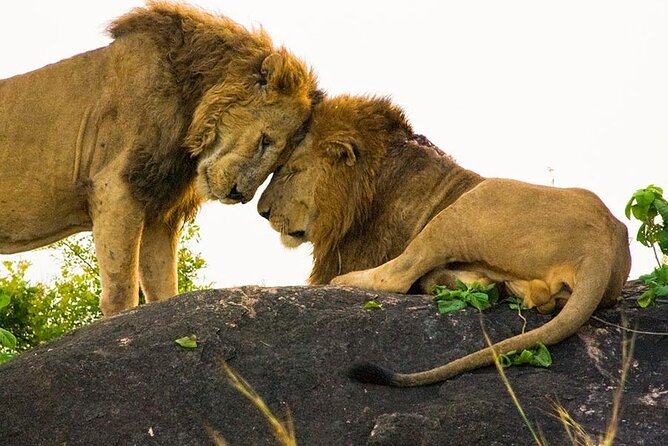
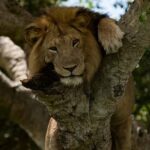
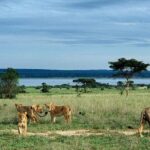
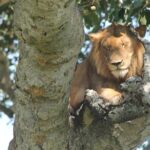
Day six is more than just a transfer. You head toward Bwindi by way of the Ishasha Sector, and this is where the itinerary adds a signature “only Uganda” moment: tree-climbing lions.
The story here is specific and practical. Lionesses in Ishasha sometimes rest in fig trees, and you’re told they do it partly to escape tsetse flies and to enjoy a cooler breeze. That’s not just trivia. It explains why you might actually see lions in a place that doesn’t scream lion headquarters.
You also get scenery and bird life in this remote southern section, which makes Ishasha feel like a chance to slow down for a few hours rather than a pure road trip pause.
Then you move on to Bwindi on day six and the gorilla-focused portion starts soon after. This route change is valuable because it makes your Uganda trip feel intentional: open plains lions energy first, then forest gravity next.
Potential drawback: day six can feel packed. You’re switching parks, and you’re trying to absorb an Ishasha highlight before moving into Bwindi’s intensity.
Bwindi Impenetrable National Park Gorilla Trekking: Ranger-Led Walks and an Hour of Quiet Watching
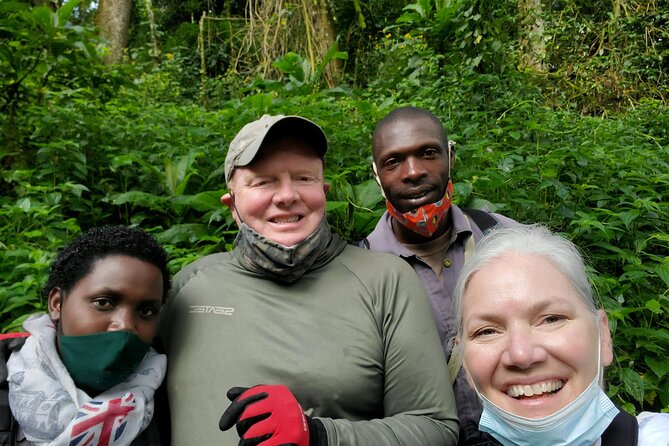
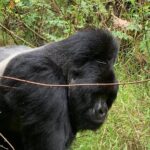
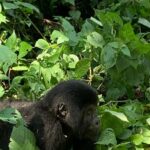
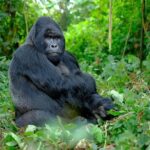
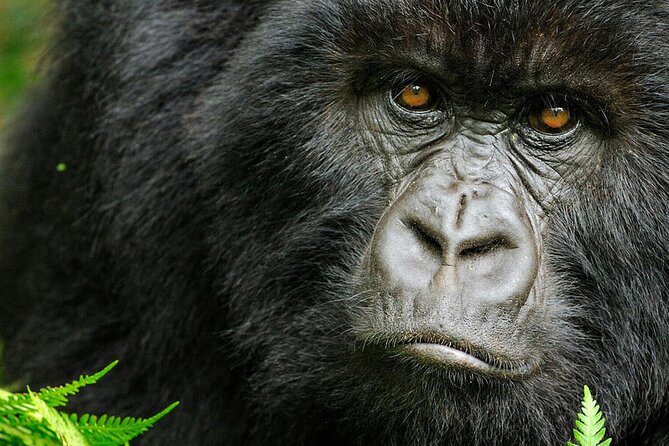
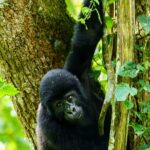
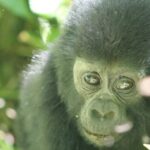
Bwindi is the heart of the gorilla experience, and the trekking structure is straightforward. You track one of the nine habituated gorilla family groups in the park in the company of an experienced park ranger. This ranger guidance matters because they help you read the forest and stay safe while you move.
Once the family is found, the waiting game turns into a slow, controlled experience. You’re told the quiet observation time is one hour. That’s long enough to see patterns—feeding, moving, grooming—without rushing you out of the moment.
The physical side is real. The walk to find the gorillas can take 2 to 7 hours, depending on where they are. That’s a wide range, and it’s the reason this tour calls for moderate physical fitness. You don’t need to be a trail athlete, but you do need comfort with uneven ground, weather changes, and a steady pace.
Bwindi also gives you an emotional payoff many people travel for. Half of the world’s population of mountain gorillas lives in Uganda, and Bwindi is part of that story. Your guide and ranger make it feel grounded rather than like a theme park moment.
Practical tip: if you’re planning your day with energy management in mind, treat the gorilla day as your big exertion day. Everything after will feel easier.
Lake Mburo Horse Riding and the Return via Kayabwe: A Softer Finish Before Entebbe
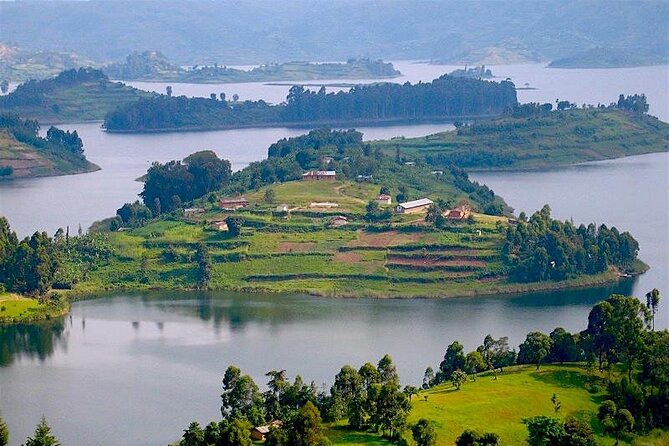
After Bwindi-focused days, day eight shifts pace. You start with a relaxed breakfast and then enjoy a two-hour horse ride, which adds something different from vehicle-based viewing. Lake Mburo is the setting for this portion, and the horse ride gives you a more active way to experience the area without just watching from the road.
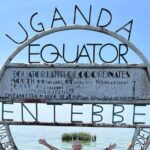
Then it’s back toward Entebbe. You return with en route stopovers at the Uganda Equator line mark in Kayabwe, which is ideal for photos and stretching your legs. There’s also mention of time to buy art pieces, which can be a nice way to bring something small home without turning it into a shopping marathon.
The day ends with arrival at the airport late afternoon or evening for onward travel. If you have control over your flight timing, aim for the kind of outbound schedule that gives you buffer, because late-day traffic and final timing can be unpredictable in any country.
Why this works: this is a “wrap-up” day with lower intensity than a trek. It helps you land at the airport without feeling completely fried.
Price and Value for a $12,000 Private Group (Up to 4)
The listed price is $12,000 per group for up to four people. That number can feel steep until you translate it into what you’re actually buying.
You’re paying for a private driver and guide across multiple parks, round-trip transportation from Entebbe, and included meals and accommodation. You’re also getting multiple major wildlife experiences built in, like chimp trekking, gorilla trekking, game drives, and boat cruises. Many people underestimate how quickly Uganda safari costs add up once you factor in park fees, guide time, and the “logistics tax” of moving between regions.
So for a group of four, the value can make sense fast: you’re splitting the cost of transport and guide attention while still getting the flexibility that a private safari provides. For solo travelers, it depends heavily on what’s included in your personal quote, but the structure still aims to remove planning stress and help you avoid day-one mistakes.
In plain terms: if you want Uganda wildlife with less effort and more certainty, this package is designed to deliver that. If you prefer to DIY your itinerary, you’ll be trading that certainty for your own planning time.
Guides, Organization, and What to Ask Before You Go
One theme in the feedback is how strong the planning and day-to-day organization feels, and guide personalities matter here. Names that show up include Eddy and Reagan, with lots of praise for being personable, disciplined, and attentive to what happens each day.
A useful move for you: ask the operator who your guide will be and how they handle timing on trekking days. Since chimp and gorilla treks are schedule-sensitive, you want a clear plan for starts, how delays are handled, and what “prepared” looks like each morning.
Also, because this route includes a wide mix—savanna game drives, forest trekking, river boats—your guide’s interest can genuinely change the feel of the trip. One guide with birding knowledge can help you spot more than just the big mammals. Another guide can help you interpret animal behavior on the drive and boat.
Finally, think about your expectations. A private safari still involves wildlife uncertainty. But a well-run team can make the uncertainty feel manageable instead of frustrating.
Who This 8-Day Uganda Safari Suits Best
This trip is a good fit if you want a classic Uganda wildlife route without planning headaches. You’ll like it if you care about big animals at Murchison and Queen Elizabeth, but you also want the brain-and-heart experiences of chimp trekking and gorilla tracking in Kibale and Bwindi.
It also fits travelers who want private pacing and dependable movement between parks. You don’t have to share vans with strangers, and you can keep your schedule more cohesive across all eight days.
If you don’t handle walking well, the gorilla trekking day is the key stress test. The trek can run 2 to 7 hours, and the tour expects moderate physical fitness, so be honest with yourself.
Final Verdict: Should You Book This 8-Day Murchison, Chimp, and Gorilla Trekking Tour?
If you want Uganda wildlife that feels organized and high-impact, this is a smart way to do it. The combination of Murchison Falls (game drive + boat to the falls), Kibale (chimp trekking), and Bwindi (ranger-led gorilla tracking) is exactly the kind of route that’s hard to piece together cleanly on your own.
My main caution is stamina and schedule intensity. You’ll be active on trek days, and you’ll spend plenty of time on the road. If you can handle that, you’re set up for a trip that hits both the big-picture safari dream and the close-up primate reality.
If your ideal safari includes a mix of land, river, and forest, and you want a private team to keep everything moving, this one belongs on your shortlist.
FAQ
What is the meeting point and start time?
The tour starts at Entebbe Airport with a start time of 8:00 am.
Is this tour private?
Yes. It is a private tour/activity, and only your group participates.
How many people are in a group?
The price is listed per group (up to 4).
Does the tour include pickup?
Yes, pickup is offered.
What wildlife activities are included?
The tour includes Murchison Falls game drives, a boat cruise to the base of the falls, rhino tracking at Ziwa Rhino Sanctuary, chimpanzee trekking in Kibale, game drives in Queen Elizabeth National Park, tree-climbing lions in Ishasha, and gorilla trekking. It also includes a horse ride at Lake Mburo and a boat trip on the Nile Delta.
How long is the gorilla trekking walk and how long do you watch the gorillas?
The walk can take 2 to 7 hours, and once the gorillas are found you have one hour to quietly observe them.
What level of physical fitness do I need?
The tour says travelers should have a moderate physical fitness level.
Where do you return at the end of the trip?
You depart toward Entebbe and arrive late afternoon/evening for drop-off at the airport to catch your journey back home.
Is there free cancellation?
Yes. You can cancel for a full refund if you cancel at least 24 hours in advance of the experience start time. If you cancel less than 24 hours before, the amount paid is not refunded.