REVIEW · UBUD
Mount Agung Sunrise Trekking with Local Guide
Book on Viator →Operated by Mount Agung Trekking · Bookable on Viator
Night starts, then sunrise hits. This Mount Agung climb from Ubud is built around getting you to the summit in time for dawn, when Bali’s view wakes up all at once. It’s a serious hike to Mount Agung, with a local guide who helps you move safely on a dark trail and makes the whole thing feel more manageable than the fear factor suggests.
I especially like the local-guide focus on safety and pacing. Guides such as Juna and Kadek are praised for being patient and attentive, and for guiding people carefully on the descent when your legs feel wobbly. I also love the built-in rhythm for photos—there are lots of chances to stop and frame shots, not just grind straight up.
One drawback to plan for: this is a steep, high-altitude trek. Even if beginner hikers are welcome, you still need stamina, and the descent can feel intimidating in the dark or on rocky ground—so bring a realistic mindset and let the guide set the pace.
In This Review
- Key highlights you’ll feel fast
- Why Mount Agung sunrise feels different from a typical Bali hike
- The climb timeline: what a 13-hour day actually means
- Stop at the summit: the sunrise payoff you’re really paying for
- Night trekking reality: what your guide should do for you
- The descent: why it can feel scarier than the climb
- Photo stops without losing the schedule
- Who this trek is best for (and who should think twice)
- Price and value: what $99 buys you here
- Guides make the experience: the names worth noticing
- What to bring (based on what the trek demands)
- Weather and altitude: the two big factors you can’t ignore
- Should you book Mount Agung Sunrise Trekking with Local Guide?
- FAQ
- FAQ
- What is the price of the Mount Agung sunrise trekking?
- How long is the trekking experience?
- What time does the trek start?
- Is pickup available from Ubud?
- Will I receive a ticket electronically?
- What is the maximum group size?
- Is this trek only for experienced hikers?
- Why is a local guide recommended for Mount Agung?
- What views do you get from the summit?
- What is the cancellation policy?
Key highlights you’ll feel fast
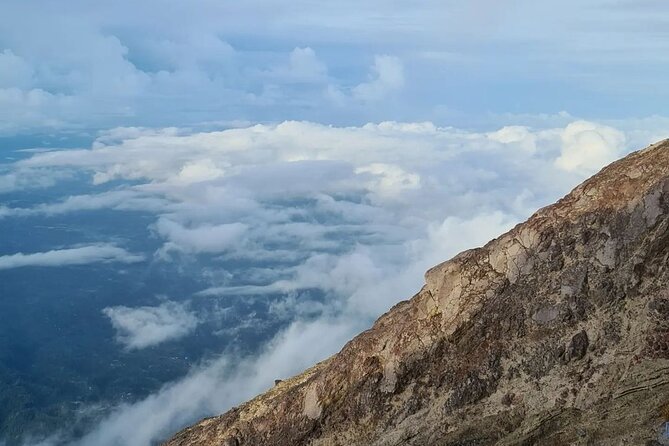
- Sunrise-at-the-summit timing on Bali’s highest peak (over 3,000 meters)
- Photo stops along the way, so you’re not rushing through every view
- Local guide support for navigation when the trail is harder to read at night
- Small group size capped at 15, which helps you move as a unit
- Panoramic rewards from the top, with views across Bali and toward Mount Rinjani
Why Mount Agung sunrise feels different from a typical Bali hike
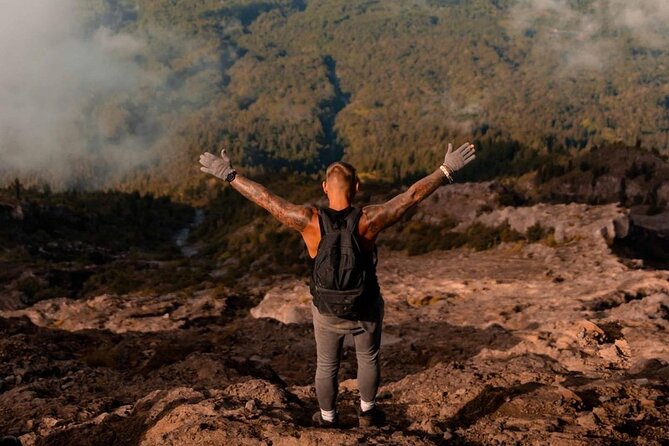
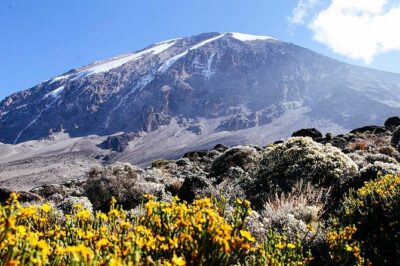
Mount Agung is Bali’s tallest mountain, rising to over 3,000 meters (about 9,800 feet). That altitude matters. You feel it in your breathing. You feel it in how your body warms up late in the night. And because the hike is timed for dawn, you’re working in the dark for hours before the sky starts changing.
That’s also why having a local guide is more than a nice extra. The trail can be tricky to follow in darkness, and the mountain has cultural importance. A good guide helps you find your way, keeps the group together, and also adds context so the hike feels like something more than just exercise.
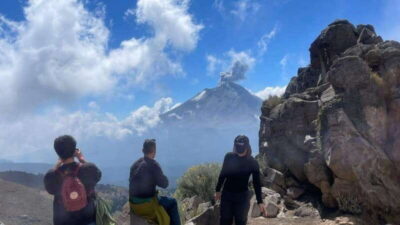
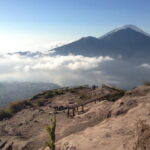
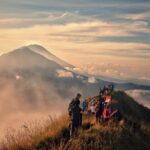
The best part is the payoff. When you reach the summit, the views aren’t just pretty. They’re panoramic—across Bali and the surrounding islands, with Mount Rinjani visible from the top (weather dependent, of course). It’s the kind of moment where you understand why people plan their vacation around this climb.
You can also read our reviews of more tours and experiences in Ubud.
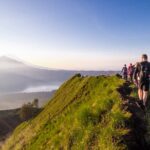

The climb timeline: what a 13-hour day actually means
The listed duration is about 13 hours, and the start time is 11:00 pm. So you’re signing up for a late-night start that turns into an early-morning finish. In practice, that means:
- You’ll be meeting your group and heading out before most normal Bali life wakes up.
- You’ll trek in darkness toward the summit.
- You’ll pause once dawn arrives to take in sunrise and the big views.
- Then you’ll head back down, which is often where hikers feel it most.
The tour mentions a pickup option and a mobile ticket. That matters because sunrise treks live or die by timing. Fewer hassles before departure means more energy for the climb.
Also, because the group is capped at 15, you’re less likely to feel like you’re being dragged or left behind. You can stick with your guide’s pace, and that pacing is a huge deal on a mountain like Agung.
Stop at the summit: the sunrise payoff you’re really paying for
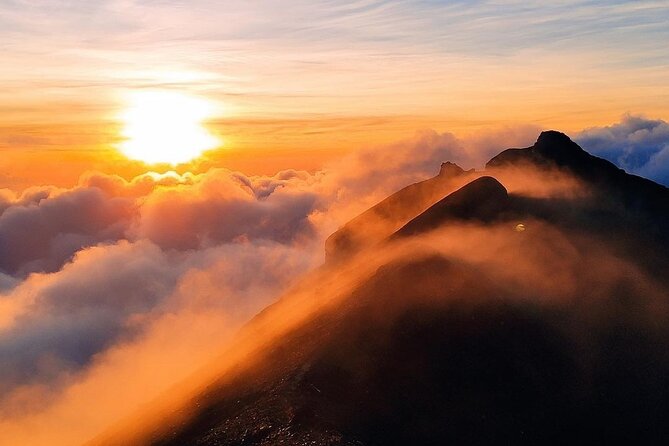
Mount Agung’s summit is the star of the show, and the trek is designed specifically to get you there for dawn. The mountain is physically demanding—steeper than Mount Batur is often the comparison people bring up—and that’s exactly why the sunrise feels earned.
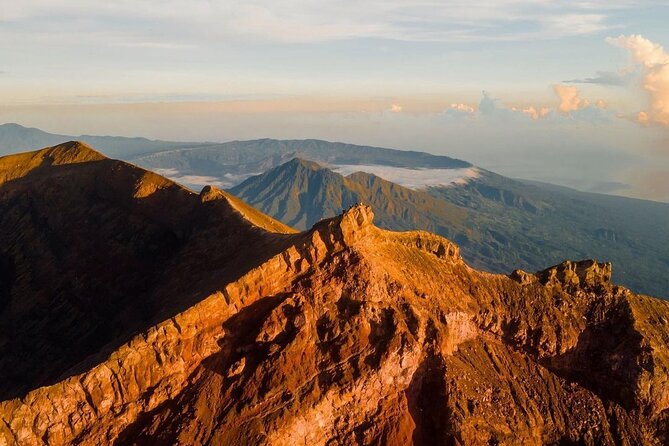
When you make it to the top, expect panoramic views of Bali and the islands around it, including Mount Rinjani. Sunrise itself changes fast. That’s why you start so late: you’re not just hiking for a view. You’re hiking for a short window when the sky turns from night to light and the scenery snaps into focus.
Photo stops are part of this experience. The tour highlights “lots of chances to stop for photos,” and the guide style shows up in the reviews too. People talk about guides creating moments to pause without losing the safety rhythm of the hike.
Night trekking reality: what your guide should do for you
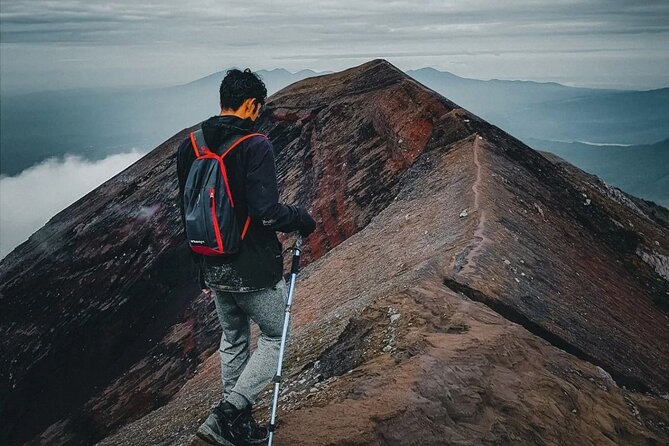
A sunrise trek sounds simple on paper: walk up, watch dawn, walk down. At night, it becomes more complex. Your headlamp beam only reaches so far. Rocks can look similar. Steeper sections feel worse when you can’t see the full line ahead.
This is where guides earn their pay. The tour description notes that climbing Mount Agung usually requires a permit and that going with a local guide is recommended for safety and navigation—especially when the trail is challenging to follow in the dark. Guides also understand the mountain’s cultural significance, which can turn the night trek into a richer experience rather than just a workout.
The reviews give you extra proof of what to look for in your guide. Juna is specifically praised for being patient and encouraging and for guiding carefully through the descent so someone didn’t fall once. Kadek gets highlighted for kindness, friendliness, and experience, plus allowing breaks and offering snacks. That last detail matters more than people think: on a long night climb, small refuels help you keep moving with less fatigue-crankiness.
The descent: why it can feel scarier than the climb
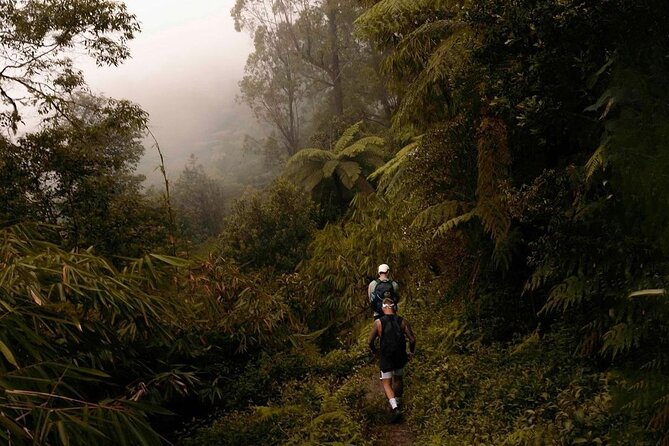
Here’s the part I want you to take seriously: descending can feel intimidating. One review notes that the descent was pretty intimidating for them, but the guide guided carefully the whole way. Another mentions breaks and snacks during the climb, which likely helps with energy management for the return.
On steep volcanic terrain, your quads take the hit. Your footing matters more. And if you’re tired, your balance can get worse even if your strength still feels okay.
So what should you do? Trust the guide’s pacing, and don’t try to “power down” to beat the group. You’ll go faster by going carefully. Bring shoes with grip and plan on taking it slow—your goal is sunrise and a safe return, not a personal speed record.
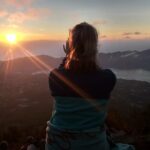
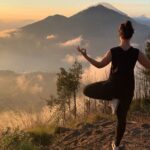

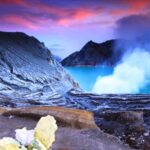
Photo stops without losing the schedule
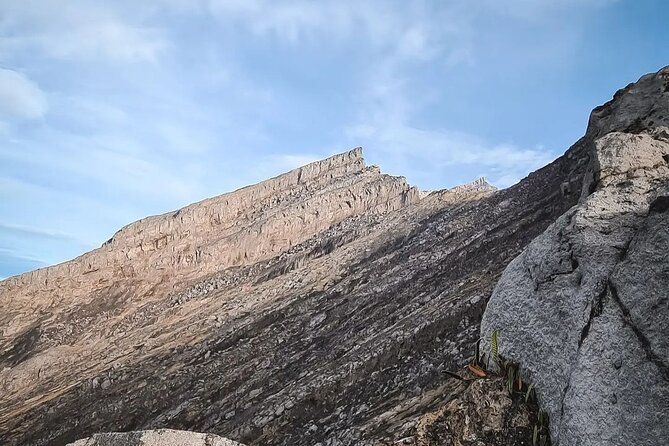
One of the tour’s big promises is “lots of chances to stop for photos.” That’s not just a nice add-on. Sunrise trekkers often get rushed: move, move, move, and suddenly dawn is gone.
A guide who builds in photo stops helps you enjoy the moment before and after the sunrise peak. It also reduces the stress of trying to stop and shoot on your own while navigating rough terrain in the dark.
When you pack for this, think practical: protect your phone from cold air and moisture, keep your camera accessible, and avoid fiddling while you’re stepping. If you’re taking photos, do it during safe pauses the guide calls out.
Who this trek is best for (and who should think twice)
The tour is described as great for physically fit travelers, and it also says beginner hikers are welcome. That combination makes sense if you interpret it correctly:
- You can be a beginner at hiking technique.
- You still need to be ready for stamina demands and altitude conditions.
- The guide helps you manage pace and safety, especially on tricky footing.
So this works best for you if you’re the type who can stay calm during a long night, follow instructions, and keep expectations realistic. It’s also a good fit if you really want sunrise with a local guide guiding you through the hard parts.
It may not be the right call if you already know you struggle with steep descents, feel nervous on rocky ground, or you’re looking for something gentle and easygoing.
Price and value: what $99 buys you here
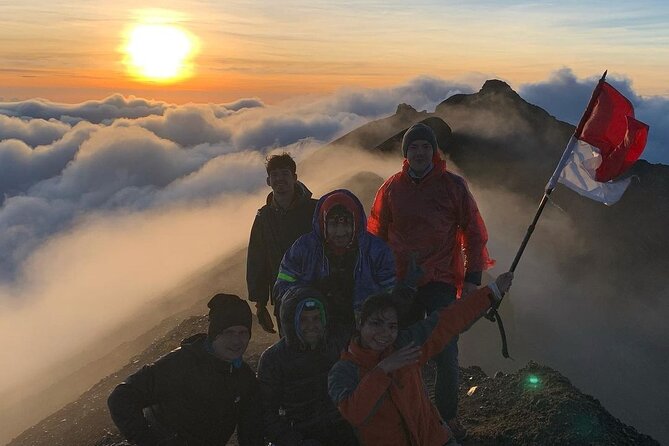
At $99 per person, this is priced like a “real experience” rather than a casual city outing. The value comes from a few clear elements:
- A local guide for safety and navigation on a challenging route
- Sunrise timing, which requires late-night coordination
- Group size capped at 15, which typically helps with pacing and attention
- Pickup offered and a mobile ticket to reduce friction
- Summit views that are hard to replicate without doing the climb
Is it cheap? Not really by local standards, but it’s reasonable for a guided sunrise mountain trek where you’re paying for logistics and guide time in the middle of the night. You’re also paying for the chance to get to the top for dawn, which is the difference between a mountain hike and the Mount Agung sunrise experience.
Guides make the experience: the names worth noticing
The reviews put a bright spotlight on guide behavior. If you care about how people treat your body during a hard hike, you’ll like the pattern here:
- Juna: patient, encouraging, very attentive, especially during descent
- Kadek: kind, friendly, experienced, with breaks and snacks
- Made and Ady: appreciated for feeling safe and for friendly, knowledgeable guidance
Those aren’t just compliments. They’re the traits you want on a steep, dark, high-altitude climb. A guide who watches the group, offers pauses, and helps you keep balance makes the entire experience feel doable.
What to bring (based on what the trek demands)
The tour data doesn’t list packing items, so I’m not going to pretend there’s a perfect official checklist. But for a late-night high-altitude hike designed for sunrise, you should plan for the basics that keep you safe and comfortable:
- Sturdy hiking shoes with grip (especially for the descent)
- Warm layers for late night and early morning
- A headlamp or reliable lighting setup
- A small snack and water plan, since some guides offer snacks during the hike, and you’ll benefit from having your own backup
- A phone/camera setup that won’t become a hassle when you stop for photos
If you get cold easily, think extra warmth. Night climbs can turn chilly fast, and the summit experience often means standing around briefly once dawn hits.
Weather and altitude: the two big factors you can’t ignore
Two realities sit behind every Mount Agung sunrise plan:
- Sunrise requires clear enough conditions for views.
- Altitude affects how you feel during the climb.
The experience emphasizes the difficulty and mentions the mountain is steeper and more demanding than Mount Batur. That’s why the guide pacing matters and why the tour asks for strong physical fitness. Beginner hikers may be welcome, but your comfort depends on how your body handles altitude and sustained steep effort.
If you’re prone to getting winded, go slower than you think you can. Let the guide set the tempo, and use breaks when offered.
Should you book Mount Agung Sunrise Trekking with Local Guide?
Book this if you want a sunrise that feels like the main event and you’re willing to put in real effort. The blend of late-night timing, guided navigation, small group size, and photo-friendly pacing is exactly what turns this into a memorable Bali experience rather than a checklist hike.
Skip it—or at least reconsider—if you’re not comfortable with steep terrain and you know descents make you anxious. Even with a great guide, the mountain is the mountain, and the descent can feel intimidating.
If you’re deciding between options, here’s your simple filter:
- Choose it if you value safety + a patient guide + sunrise payoff.
- Pass if you want something easy, short, or low-effort.
FAQ
FAQ
What is the price of the Mount Agung sunrise trekking?
The price is $99.00 per person.
How long is the trekking experience?
The duration is approximately 13 hours.
What time does the trek start?
The start time is 11:00 pm.
Is pickup available from Ubud?
Pickup is offered.
Will I receive a ticket electronically?
Yes, the tour includes a mobile ticket.
What is the maximum group size?
The experience has a maximum of 15 travelers.
Is this trek only for experienced hikers?
The trek is described as great for physically fit travelers, and beginner hikers are welcome.
Why is a local guide recommended for Mount Agung?
The trail can be challenging to follow in the dark, and climbing Mount Agung usually requires a permit. A local guide helps with safety, navigation, and context about the mountain.
What views do you get from the summit?
You get panoramic views of Bali and the surrounding islands, including Mount Rinjani.
What is the cancellation policy?
Free cancellation is available. You can cancel up to 24 hours in advance for a full refund; if you cancel within 24 hours of the start time, the amount paid is not refunded.