REVIEW · SA PA
Sapa: Muong Hoa Mountain Views and Villages Trek with Lunch
Book on GetYourGuide →Operated by HELEN · Bookable on GetYourGuide
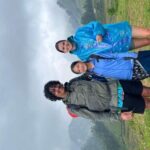
One big mountain view starts the day. This trek to Sa Seng Mountain blends hard walking with real village stops, plus a family lunch and a chance to hear about Hmong traditions.
The small-group setup (up to 10) also makes it easier to ask questions and slow down when you hit the views, especially with an English guide like Su (Châu A Su).
One possible drawback: this is a challenging, steep-incline day, so it is not a good match if you have back issues, vertigo, or fear of heights.
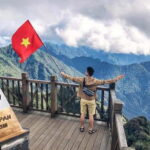
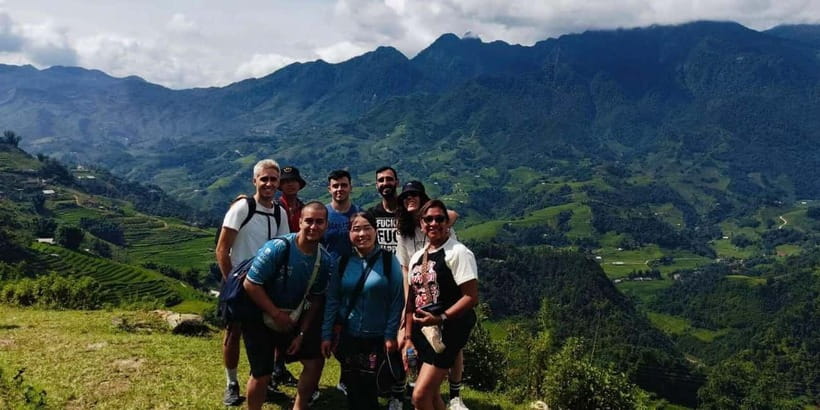
I especially like the way the route is built around viewpoints. After an uphill push, you reach the top with a clear view of Fansipan (3,143m), Sapa town, and the famous Muong Hoa rice terraces.
I also like how the cultural stops feel practical, not staged: Hang Da and Hau Thao villages, farm animals, and explanations of Hmong marriage traditions, rice-field work, and house building techniques, finished with lunch at a small local restaurant run by a family.
The main consideration is effort. You will be climbing for about an hour, then descending on uneven paths, and later walking again toward Giang Ta Chai before pickup—so bring real trekking shoes and don’t plan this as a casual stroll.
In This Review
- Key things worth knowing before you go
- Why this trek is a great fit for active culture lovers in Sapa
- Hoàng Văn Thụ pickup and the moment the trail starts
- Sa Seng Mountain: the climb for Fansipan (3,143m) and the Muong Hoa view
- Hanging out with Hang Da: Black Hmong village life and farm animals
- Lunch at a local family restaurant: included, simple, and useful
- Hau Thao Village: daily work, rice fields, and Hmong marriage traditions
- The end of the trek: Giang Ta Chai walk and the return to Sa Pa
- Price and value: what $20 actually buys you here
- Who should book this tour (and who should skip it)
- Practical tips that make the day easier
- The decision: should you book this Sapa trek?
- FAQ
- Where does the tour meet?
- How long is the tour?
- Is the tour guide English-speaking?
- What’s included in the price?
- What should I bring?
- Who is the tour not suitable for?
- Can I get a full refund if my plans change?
Key things worth knowing before you go
- Sa Seng Mountain first, not last: you earn the big panoramic views after a tough start.
- Fansipan and the Muong Hoa terraces: the stop is made for wide-angle photos and long looks.
- Black Hmong villages with everyday detail: Hang Da and Hau Thao focus on daily life, not just viewpoints.
- A family-run lunch: it’s included and helps keep the tour authentic and good value.
- Hmong marriage traditions explained: you get cultural context while you walk and observe.
- A short “pickup walk” at the end: transport waits at Giang Ta Chai after your village time.
Why this trek is a great fit for active culture lovers in Sapa
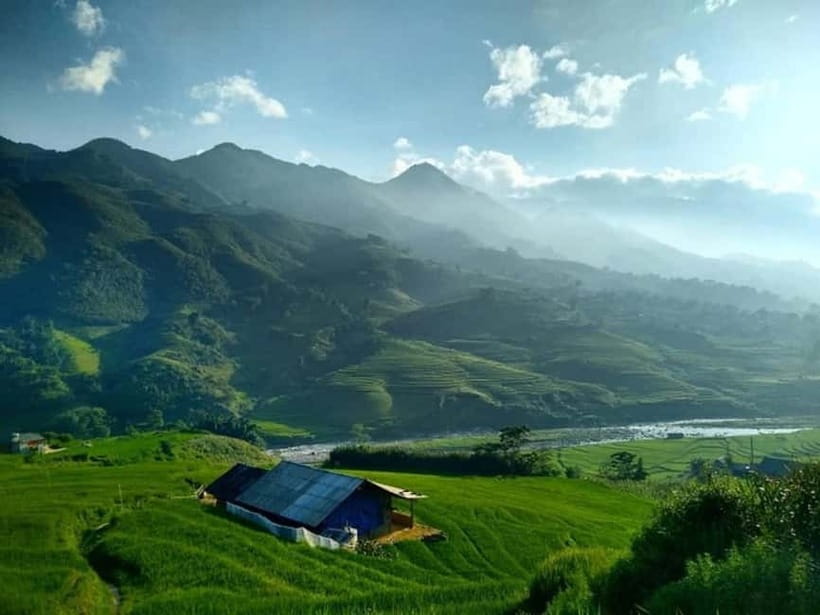
This is the kind of Sapa day trip that makes sense if you want two things at once: big mountain views and real-life village context. At $20 per person for roughly 9 hours, you’re not just buying sightseeing—you’re buying a guided route with transportation, a included lunch, and time in Black Hmong villages where you can actually see how people work the land.
Small group size (up to 10) matters more than it sounds. When you’re on steep trails and narrow paths, bigger groups get stretched out fast. A smaller group also tends to mean your guide can keep the explanations moving at the pace you need, whether that means quick translations or time to regroup before the next descent.
The day does move, though. The trek is described as hard with steep inclines, and the tour also includes walking after lunch. So think of it as a hike with cultural stops, not a sit-and-watch tour.
You can also read our reviews of more tours and experiences in Sa Pa.

Hoàng Văn Thụ pickup and the moment the trail starts
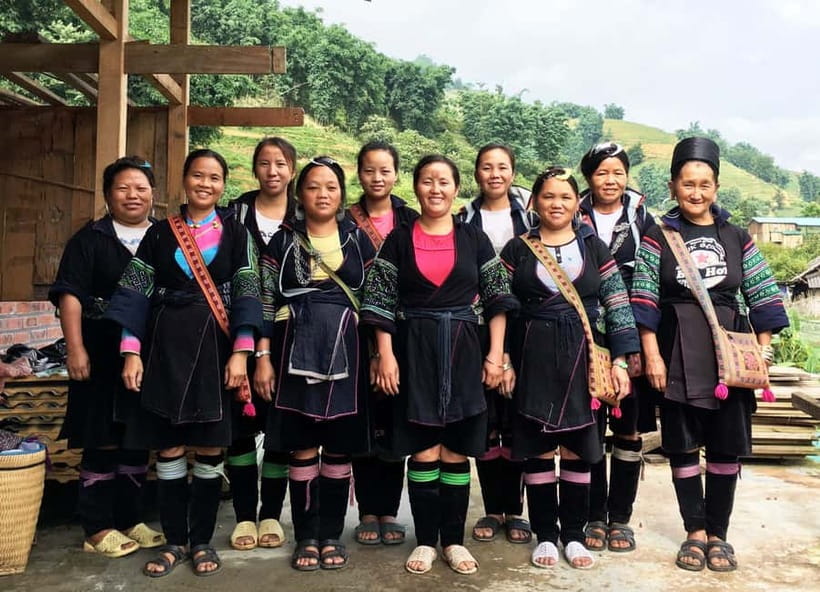
The tour meets at Massage Lits, 01 Hoàng Văn Thu in Sapa. That’s convenient if you already plan to book a massage later, since you’ll end the day with the option of using your voucher.
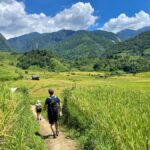
At about 9:00, your guide and van pick you up and you’ll get a quick introduction. Then you begin with about a 1 km uphill on a small trail. This is your warm-up, but it’s not gentle—this is the kind of uphill that makes you settle into a steady rhythm fast.
A practical tip: arrive a little early and be ready to go. Even with a well-run tour, mountain timing is tight. One negative experience shared by others involved waiting at the meeting point, so building in a buffer for yourself is smart.
Sa Seng Mountain: the climb for Fansipan (3,143m) and the Muong Hoa view
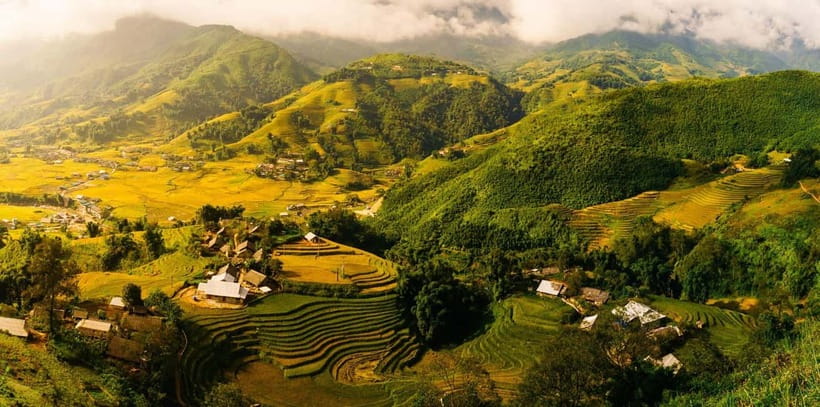
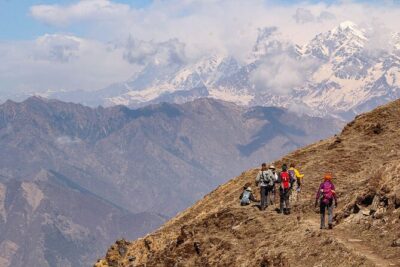
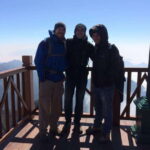
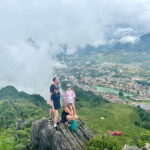
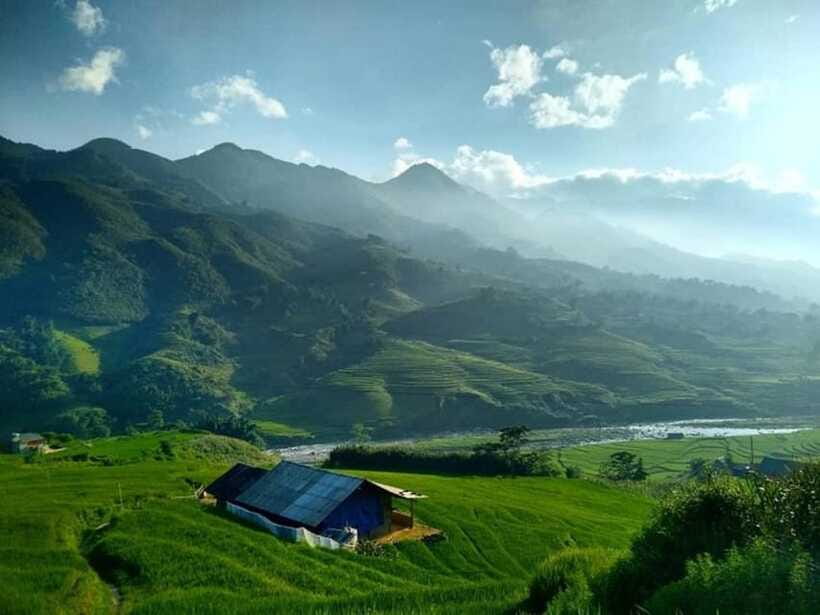
After about 1 hour of harder trekking, you reach the top of Sa Seng Mountain. This is the “why” stop. From here, you look out toward Fansipan (3,143m), the highest peak in Indochina, and you can see Sapa town spread out beneath you.
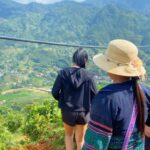
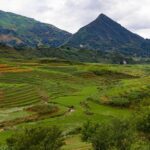
Then comes the part you’ll remember later when you’re planning your photos: the view downward into the Muong Hoa valley and its famous rice terraces. The route description also calls out seeing the biggest river and valley in Sapa from this high angle. Even if you don’t take a single photo, being up there helps you understand why the terraces matter—how the slopes were shaped to fit farming and how water and valleys guide the whole region.
What I like about how this tour is structured is that you get the big view before you’re tired from later walks. You still have hiking ahead, but the best panorama comes when energy is higher and light may be better.
Hanging out with Hang Da: Black Hmong village life and farm animals
After you enjoy the view, you start the mountainside descent toward Hang Da, a village of the Black Hmong minority. This part is where your day shifts from “hike mode” into “walk-and-learn mode.”
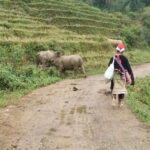
You’ll pass scenes connected to everyday life, and the itinerary includes a stop to see farm animals—listed as buffalos, cores, and pigs. The practical value here is that these animals aren’t just scenery. They fit into how households farm and survive in a mountainous environment where every resource counts.
One thing to be ready for: village walks are not museum visits. You’re moving through a living area. You’ll get the guided context, but you should also keep your attitude flexible. If you see people working, that’s the point.
Lunch at a local family restaurant: included, simple, and useful
Lunch is included and served at a small restaurant run by a local family. This matters for two reasons.
First, it breaks the day with actual food at the midpoint, instead of forcing you to scramble for snacks on the trail. Second, it keeps the tour’s money circulating locally in a way that feels more grounded than a big tourist restaurant.
Since the lunch is part of the schedule, you’ll want to approach it like a reset. Your feet will feel it later if you try to power through the afternoon without re-fueling. Bring a small water bottle if you’re prone to getting thirsty, and plan to drink when you can rather than waiting for the last possible moment.


Hau Thao Village: daily work, rice fields, and Hmong marriage traditions
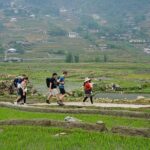
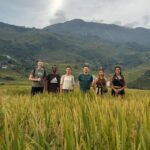
After lunch, you’ll travel on a small road down to Hau Thao, another Black Hmong village. If timing lines up, you may see people working the fields—either harvesting or planting rice. That “if it’s the right time” detail is important. In Sapa, seasons control what you’ll witness. Even so, the village stop is still valuable because the guide doesn’t just point—your guide explains how life and work connect.
Here’s one of the standout cultural elements on this route: your tour guide introduces Hmong marriage traditions, along with context on rice-field work and house building techniques. That combination is smart, because it links culture to practical survival skills.
When you’re in a village and you understand marriage traditions alongside how houses are built and fields are worked, it stops feeling like trivia. You start to see it as a system—how families live, how they connect, and how they plan for the realities of mountain farming.
The end of the trek: Giang Ta Chai walk and the return to Sa Pa
By about 15:30, you’ll walk toward Giang Ta Chai village, where your transport is waiting on the main road. This is the final walking segment, and it’s worth mentally saving energy for it. You’ll likely feel it in your legs, especially if the trail was muddy or if you pushed hard on the way down earlier.
Once you’re with the van again, you’ll ride back to Sa Pa and the tour ends near the original area around Hoàng Văn Thụ.
Price and value: what $20 actually buys you here
At around $20 per person for a 9-hour guided experience, the value comes from what’s included:
- Round-trip van transportation
- A live English-speaking guide
- Lunch at a local family restaurant
- A voucher for a 20% discount on massage at Massage Lits (01 Hoàng Văn Thu)
What you should weigh is that the tour is priced for a full day that includes both walking and cultural education. If you’re trying to put together a similar mix on your own, you’ll spend time coordinating transport, and you’ll still need a guide to make village stops meaningful.
Also, because it’s a small group (up to 10), you’re paying for time with a guide rather than packing in more people.
Who should book this tour (and who should skip it)
This works best for you if:
- you enjoy walking and can handle steep inclines
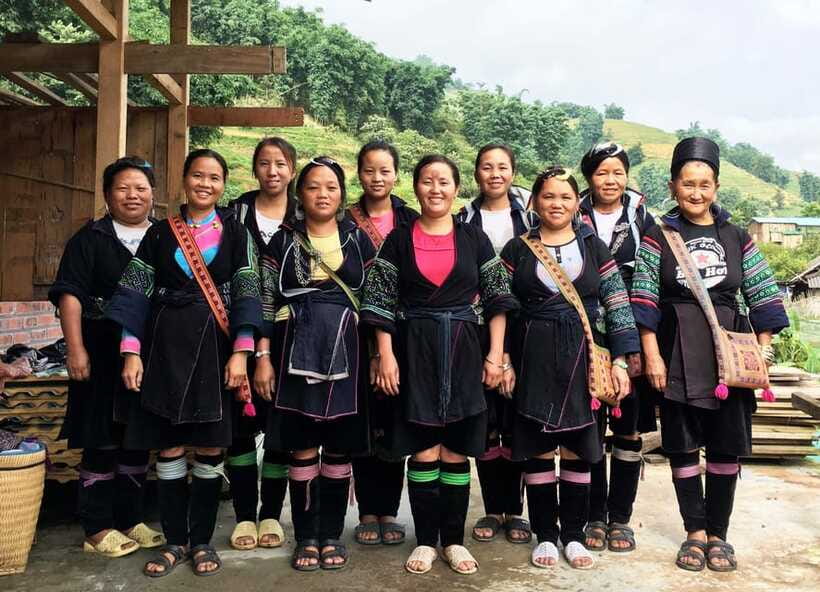
- you want more than a photo stop and want context about Black Hmong culture
- you like guided explanations tied to real village life
- you want a day with both nature and people, finished with lunch included
You should skip or choose another option if:
- you are afraid of heights or deal with vertigo
- you have back problems, mobility limits, or need a less demanding route
- you are pregnant
- you hate uncertain timing on farm life moments (since some field activities depend on the day and season)
Practical tips that make the day easier
- Wear comfortable shoes that handle uneven dirt and steep steps. This is not a flip-flop day.
- Bring a hat, sunscreen, and water. Even if clouds appear, the sun can still catch you on exposed parts of the trail.
- Bring a camera—the panoramic view at the top is made for wide shots, and the terraces provide layered compositions.
- Consider bringing small snacks and extra water. The tour notes suggest bringing water and snacks to stay energized.
- Plan your day around the end stop at Massage Lits, since you have a 20% massage discount voucher ready after the trek.
- No smoking. Simple rule, but worth remembering in rural areas.
The decision: should you book this Sapa trek?
Book it if you want a day that’s active but not random: you’ll climb to Sa Seng Mountain, get your Fansipan + Muong Hoa terrace views, then spend real time in Hang Da and Hau Thao with cultural explanations centered on Hmong traditions and daily work.
Don’t book it if you need a gentle walk or if steep paths and height exposure would make you miserable. Also, if punctual pickup is a big deal for your schedule, arrive early at Massage Lits, 01 Hoàng Văn Thụ, and plan a buffer.
FAQ
Where does the tour meet?
The meeting point is at Massage Lits, 01 Hoàng Văn Thụ in Sapa.
How long is the tour?
The tour runs for 9 hours.
Is the tour guide English-speaking?
Yes. The tour includes a live tour guide in English.
What’s included in the price?
It includes round-trip van transportation, a driver, a guide, lunch at a local family restaurant, and a voucher for a 20% discount on massage at Massage Lits.
What should I bring?
Bring comfortable shoes, a hat, camera, sunscreen, water, and trekking gear. It’s also suggested to bring snacks and stay energized.
Who is the tour not suitable for?
It’s not suitable for pregnant women, people with back problems, people with mobility impairments, people afraid of heights, or people with vertigo.
Can I get a full refund if my plans change?
Yes. There is free cancellation up to 24 hours in advance for a full refund.