REVIEW · POKHARA
4 Days Mardi Himal Base Camp Trekking in Pokhara
Book on Viator →Operated by Crystal Holidays Nepal · Bookable on Viator
Rhododendron trails to Mardi Himal’s big views. I love the way this trek is paced from Kande through Australian Camp and onward to Forest Camp, then up to High Camp for the best payoff. I also like that you’re not left guessing, with an English-speaking guide doing the heavy lifting on route and timing. The main drawback to know up front: you’ll hike about 6 to 9 hours per day, so you’ll want a solid base level of fitness before you go.
This is built for comfort in the “roughing it” way: hotel pickup and drop-off in Pokhara, a private car to start the trek at Kande, and a sharing jeep back from Siding Village. You’ll also get the core paperwork handled with trekking permits and TIMS, plus guest-house accommodation each night—so you can focus on walking and enjoying the mountains.
You’re also not only walking through scenery. Along the way, the route is designed to include quieter paths and real contact with local communities, which adds texture to the trip beyond photos. If you like a guided plan that still feels personal, this one fits well—just make sure you’re comfortable with moderate daily effort.
In This Review
- Key Points to Know Before You Go
- Why Mardi Himal Base Camp Feels Like a Manageable Mountain Adventure
- Pokhara to Kande: The Start That Sets the Tone for Day 1
- Forest Camp to High Camp: Rhododendron Forests and a View-First Climb
- The Mardi Himal Base Camp Morning: The Long Walk That Pays Off
- Siding Village to Pokhara: Finishing Strong (Even After a Big Trek)
- Price and Value: What $245 Really Covers (and What You’ll Pay Extra)
- The Guide Factor: Why an English-Speaking Team Matters on the Trail
- What to Expect Day by Day (Without the Guesswork)
- Who This Trek Suits Best (and Who Should Think Twice)
- Should You Book This 4-Day Mardi Himal Trek from Pokhara?
- FAQ
- Is hotel pickup and drop-off included?
- How do you get to the start of the trek in Kande?
- What’s included for permits?
- Will I have a guide?
- Where will you stay during the trek?
- Are meals included in the price?
- Is this a private trek?
- How long is the trek?
- What’s the cancellation window?
Key Points to Know Before You Go
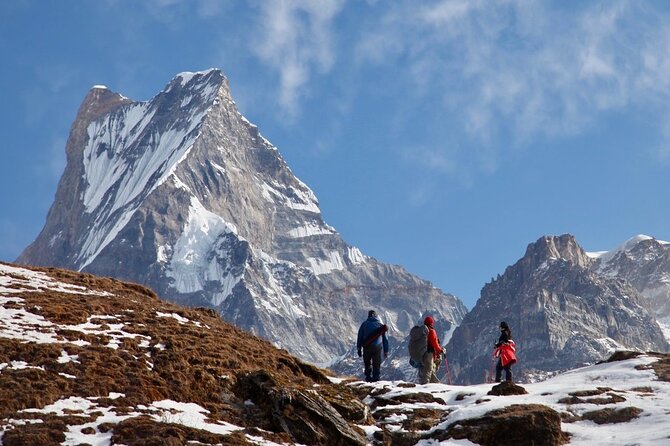
- Pickup plus direct transfer to Kande, then a sharing jeep back from Siding Village
- Early starts on the higher days to maximize mountain views
- Rhododendron forests on the climb, with serene stretches and big panoramas
- Guest-house trekking with accommodations included for all trekking nights
- Permits and TIMS included, so you’re not scrambling last minute
- Guide-led safety for solo hikers, with English support and reputable local coordination
Why Mardi Himal Base Camp Feels Like a Manageable Mountain Adventure
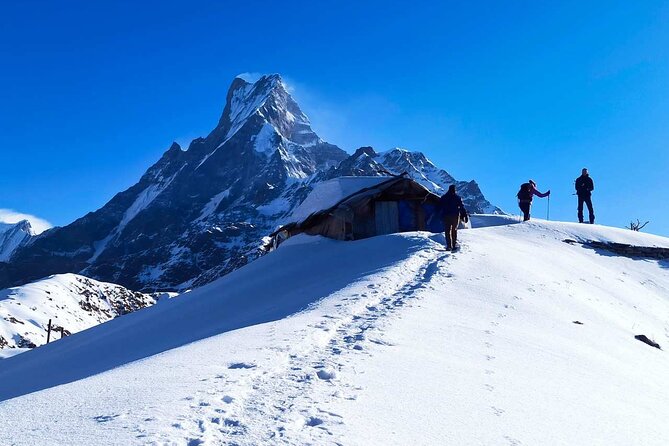
Mardi Himal Base Camp is the kind of trek that works when you want Himalayan views without turning the trip into a months-long expedition. From the structure of the days, you can see how the walk time is meant to be challenging but not chaotic. Day by day, the trek rises and settles, giving your body a rhythm: climb, gain altitude, then return to a lower camp before the next push.
I also appreciate how the route design isn’t only about the top of the trek. The path includes smaller waypoints that turn the hike into more than a straight line toward a final destination. That matters because the best moments on these trips often happen before you reach the “big” spot—when you’re walking through forest sections and watching the light change across the mountains.
Finally, this trip’s strongest selling point is the human side. You’re not just booking a trail; you’re getting an English-speaking guide and a team organized around safety and pacing. That’s especially valuable if you’re traveling solo and want confidence that you’re in good hands.
You can also read our reviews of more tours and experiences in Pokhara.
Pokhara to Kande: The Start That Sets the Tone for Day 1
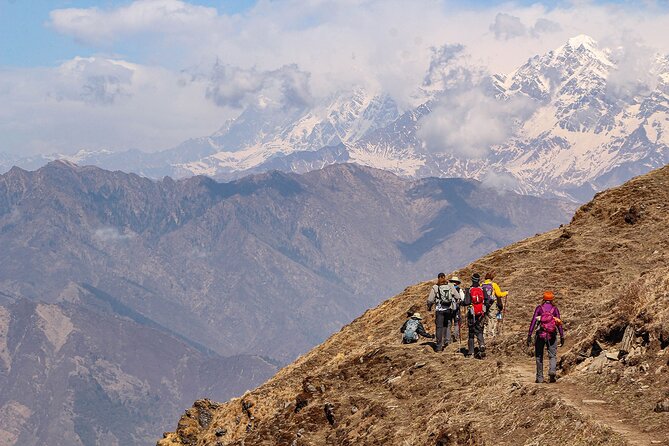
Day 1 begins with hotel pickup in Pokhara, then a private car transfer to Kande. This is a smart way to start because it saves you from complicated public transport right at the beginning of a trek. Once you’re at Kande, you begin trekking and pass the Australian Camp before continuing toward Forest Camp.
What I like about this first day is that it gives you time to settle into the rhythm. Six hours is long enough to feel like a real trek day, but it’s not an early-week gut check. It’s also long enough for the trail to show its character—forest segments, changing views, and that steady upward feeling that makes you want to keep going.
One small consideration: this is still a full hiking day. Even though it’s the first day, you should treat it like a warm-up hike that asks for consistent walking, not a casual stroll.
Forest Camp to High Camp: Rhododendron Forests and a View-First Climb
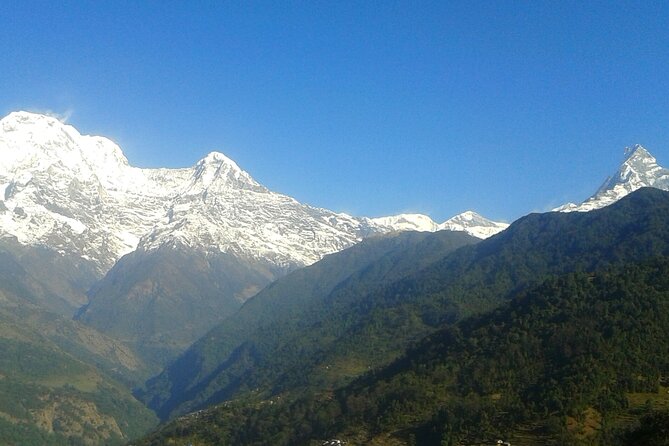
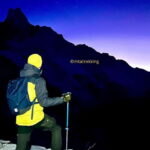
On Day 2, you start early from Forest Camp heading toward High Camp. The trail is described with beautiful rhododendron forests and “serene landscapes,” which is exactly what you hope for on a mid-trek day. It’s the kind of environment that keeps your attention on the path, not just your feet.
The hike time is about 6 hours, and the design here feels like it’s balancing two needs: you’re still building altitude, but you’re given enough time on the trail to enjoy the changes. Rhododendron forest sections tend to mean cooler, shaded walking compared with more exposed routes, and that can make the day feel easier than the total altitude gain might suggest.
The key practical tip for this day is to treat the early start as part of the plan. Since the itinerary calls for leaving early, you’ll want to be ready quickly after breakfast and not overschedule your morning in Pokhara the night before. If you’re the type who likes to take a slow start, this trek will gently push you to move.
Also note: the entry/admission line in the plan shows as free for this day, which suggests the trek’s cost elements are handled by the operator in a day-by-day way. You still shouldn’t assume everything is covered unless your organizer confirms it for your date.
The Mardi Himal Base Camp Morning: The Long Walk That Pays Off
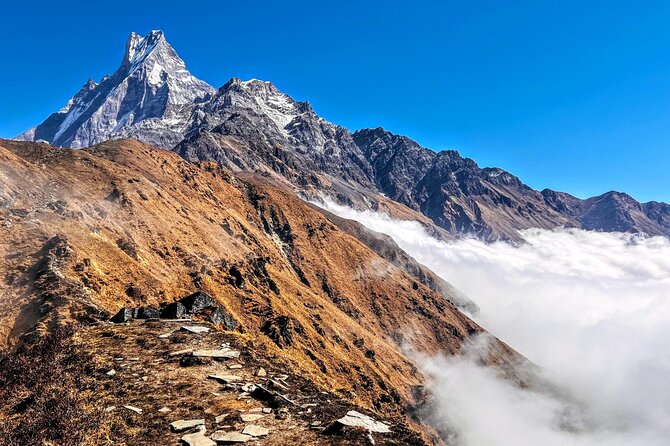
Day 3 is the day most people remember, because it reaches Mardi Himal Base Camp. You’ll start early from High Camp for the base camp push, with time built in to enjoy the view before you head back. Then you return to Low Camp, which the schedule notes might be something you do with enough time to recover before the final day.
This day is also the longest in the itinerary—about 8 hours—so it’s not just a photo stop. It’s a full trekking day with a clear purpose: get you to the panoramic viewpoints, then get you safely back down to keep the overall trip from turning into a grind.
What makes this day work well is the structure: early start for the view, then a return to lower ground. That reduces the chance your body feels stretched too thin at the end of the overall trek. In practical terms, it means you still have a real chance to enjoy Day 4 without arriving at the end totally done.
Your biggest consideration for Day 3 is mental pacing. When it’s longer, you want to keep your effort steady. Short breaks are better than letting yourself stop for too long and cool off.
Siding Village to Pokhara: Finishing Strong (Even After a Big Trek)
Day 4 is about coming down and switching from “climb mode” to “return mode.” You trek downhill to Siding Village, passing through lush forest sections and enjoying the more relaxed atmosphere that tends to come when you’re not gaining altitude.
The trek duration is about 9 hours—yes, longer on paper than Day 2 and Day 3—but the downhill nature often makes it feel different. Instead of pushing uphill for most of the day, you’re walking down and letting gravity do some of the work. Still, it’s a long day on your legs, so bring smart trekking habits: good foot placement and steady movement.
From Siding Village, the plan includes a sharing jeep back to Pokhara. That detail matters because it means you don’t have to figure out transport after a long hike day. It also helps you transition back into normal life in Pokhara without losing hours to logistics.

Price and Value: What $245 Really Covers (and What You’ll Pay Extra)
At $245 per person for a ~4-day trek, the value is strongest when you look at what’s included. Your price covers:
- hotel pickup and drop-off in Pokhara
- trekking permit and TIMS
- an English-speaking trekking guide
- Pokhara to Kande by private car, and Siding to Pokhara by sharing jeep
- guest-house accommodation
- the trip setup itself (listed as private trip)
What’s not included is meals, which the plan estimates at about 3500 NPR per person per day. That estimate is actually useful because it helps you avoid the surprise of paying nearly everything out of pocket once you’re on the trail. Your actual meal total will depend on how you eat, but it gives you a real budget target.
Here’s the fair way to think about it: you’re paying for coordination, safety support, and basic infrastructure (permits, guide, lodging, and transport). If you tried to piece this together yourself, you’d likely spend time and stress chasing permits, guide availability, and reliable transfers. Paying this price often buys you fewer headaches, not just trail access.
If you care about value, double-check that your accommodation type matches what you expect for a guest-house trek. The plan says guest house stays are included, but it doesn’t spell out room style. Still, guest houses are the standard practical choice for this kind of multi-day route.
The Guide Factor: Why an English-Speaking Team Matters on the Trail
One of the highest points in the whole experience is the guide-led approach, and there’s a specific reason it’s reassuring: solo travelers often feel the biggest uncertainty is not the hiking itself—it’s whether the process is well managed.
Having an English-speaking trekking guide reduces that uncertainty. You’re not trying to interpret signs, route decisions, or timing on your own. Instead, someone who works in this terrain guides the plan and keeps the trip moving at a sensible pace. That matters most on the longer day and on the base camp push, where you don’t want to get mentally lost in fatigue.
The operator also highlights route selection through less-used paths. For you, that translates into a trek that feels like more than a repeatable checklist. You’ll still hit the key points, but the experience should have more natural variation along the walk.
One more practical benefit: being guided often helps you plan your energy. Even if the itinerary says “roughly” for trekking durations, a guide can manage breaks and movement so you don’t arrive at the next camp completely drained.
What to Expect Day by Day (Without the Guesswork)
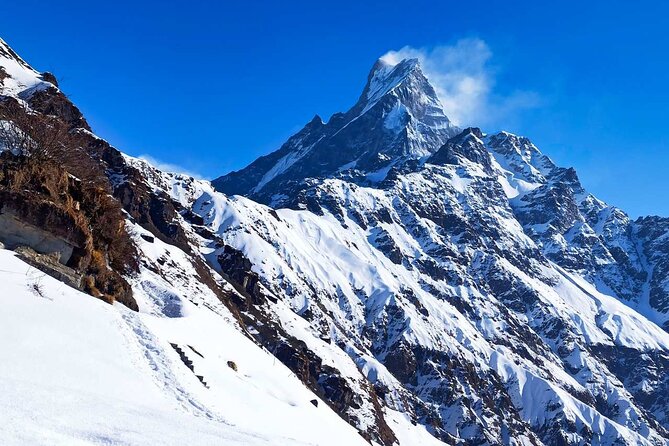
Here’s the day-by-day flow as you’ll experience it, in plain terms:
Day 1: Pokhara to Kande, then to Forest Camp (about 6 hours)
Private transport gets you to Kande. You start trekking past Australian Camp and continue onward to Forest Camp.
Day 2: Forest Camp to High Camp (about 6 hours)
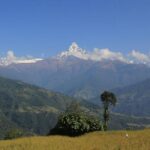
You leave early for a rhododendron forest walk and climb toward High Camp with stunning mountain views noted on the route.
Day 3: High Camp to Mardi Himal Base Camp, then down to Low Camp (about 8 hours)
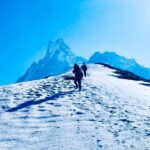
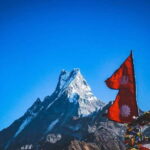
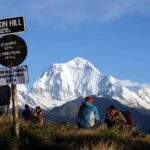
Early start to reach Base Camp with time to enjoy panoramic vistas, followed by returning down to Low Camp.
Day 4: Low Camp area down to Siding Village, then jeep back to Pokhara (about 9 hours)
Downhill trek through lush forest areas, then a sharing jeep ride to finish in Pokhara.
That structure is the best part. The trek is designed so each day builds toward the next big viewpoint, and the return movement helps you finish the overall trip feeling like a trek, not a survival mission.
Who This Trek Suits Best (and Who Should Think Twice)
This trek is aimed at people with moderate physical fitness. That means you don’t need to be an elite hiker, but you should be comfortable walking for hours and keeping a steady pace even when you’re tired.
It’s especially good for you if:
- you want a guided trek with an English-speaking guide
- you like the idea of guest-house accommodations instead of camping
- you’re traveling solo and prefer a reputable, organized support structure
- you want a 4-day plan that still reaches Base Camp
It might not be the best match if:
- you’re expecting short, easy hikes with lots of downtime
- you struggle with long walking days, even when part of it is downhill
- you need a fully all-inclusive price, since meals are an extra expense
Should You Book This 4-Day Mardi Himal Trek from Pokhara?
I’d say book it if you want a well-organized, guide-led Mardi Himal Base Camp trek with practical logistics taken care of—pickup, permits, guide support, and guest-house stays. For solo hikers in particular, the English-speaking guide element and the guided pacing make the experience feel less risky and more comfortable.
I’d hesitate if you’re looking for a low-effort trek or if you hate long days on foot. With around 6 to 9 hours of trekking most days, you’ll want to train a bit and pack smart for the early starts.
If you can handle moderate hiking and you like having someone else manage the process, this is a strong value way to see Mardi Himal’s viewpoints without turning your trip into a full-blown logistics project.
FAQ
Is hotel pickup and drop-off included?
Yes. The plan includes hotel pickup and drop-off in Pokhara.
How do you get to the start of the trek in Kande?
You’ll be transferred from Pokhara to Kande by private car as part of the tour.
What’s included for permits?
The trekking permit and TIMS are included.
Will I have a guide?
Yes. You get an English-speaking trekking guide.
Where will you stay during the trek?
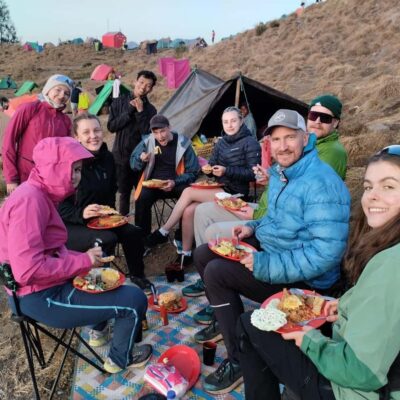
Accommodation is included in guest houses.
Are meals included in the price?
No. Meals are not included. The estimate is about 3500 NPR per person per day, available for purchase.
Is this a private trek?
Yes. It’s listed as a private trip, and only your group participates.
How long is the trek?
The trek runs for about 4 days, with daily hiking times roughly around 6 to 9 hours.
What’s the cancellation window?
Free cancellation is available up to 24 hours in advance for a full refund.