REVIEW · SA PA
Sa Pa: Fansipan Peak One Day Trek with Local Guide
Book on GetYourGuide →Operated by Motorbike Tour Sapa · Bookable on GetYourGuide
Fansipan doesn’t give out views for free. This one-day trek from Sapa takes you from Tram Ton Pass (2,000m) into Hoang Lien Son forests toward the Roof of Indochina, guided by an English-speaking local who keeps the day moving. I especially like the cardamom-scented trail and the way the path changes as you climb.
What really sells the experience is the lunch at 2,800m and the summit goal of 3,143m—the kind of altitude that makes your body pay attention. The guide (Binh is a standout name from the experience) adds local context and keeps you steady during the tougher bits.
The main drawback is also the most common one: fog or cloud can erase the panoramic payoff, and rain and strong winds can make footing slick. If you’re aiming for guaranteed views or you’re low on fitness, you’ll want to think hard before committing.
In This Review
- Key highlights you’ll feel during the day
- From Sapa Church to Tram Ton Pass: setting you up for altitude
- Cardamom forest, giant pines, and the slow change of scenery
- The 2,800-meter lunch stop that keeps the summit realistic
- Fansipan Peak (3,143m): what the Roof of Indochina feels like
- Going down Tram Ton: taxis, rain coats, and staying steady
- Price and value: is $64 per person worth it?
- Who this one-day Fansipan trek fits best
- Packing tips that matter (and what to wear in real conditions)
- Should you book this trek?
- FAQ
- What is included in the $64 per person price?
- Where does the trek start in Sapa?
- How high does this one-day trek go?
- Is lunch provided, and at what altitude?
- Is the cable car included?
- Do I need to send my passport after booking?
- Is this trek suitable for people with heart or respiratory problems?
Key highlights you’ll feel during the day
- Roof of Indochina summit push to 3,143m with a local guide
- Hoang Lien Son national park trek through pine, yellow bamboo, and cardamom plants
- Bamboo forest transition after about 2 hours, when the vegetation drops and sightlines improve
- Lunch at 2,800m, served to refuel you for the final ascent
- Weather reality checks: fog, rain, and wind can change what you see at the top
- Guides who care about the small stuff, including supportive pacing and end-of-trek touches like medals
From Sapa Church to Tram Ton Pass: setting you up for altitude
Your day starts with a pickup in Sapa, typically from Sapa Church or a central meeting spot. Then it’s a taxi ride up to Tram Ton Pass, which sits at 2,000 meters above sea level. That transfer matters more than it sounds. You’re not starting from town at low elevation, so you get right into the mountain rhythm.
Once you arrive, you start hiking immediately. There’s no long, drawn-out warmup where you question why your legs suddenly feel heavier. You also get to avoid the classic mistake: trying to rush the climb because you think you still have “time.” Here, the pace is usually built into the plan, and you’ll feel that when you hit the deeper forest.
You’ll also get practical support baked into the trip: an English-speaking guide, entry into Hoang Lien National Park, and even a 1.5-liter bottle of water are included. Rain gear is too, which is important because the mountains don’t follow your phone weather app.
You can also read our reviews of more tours and experiences in Sa Pa.
Cardamom forest, giant pines, and the slow change of scenery
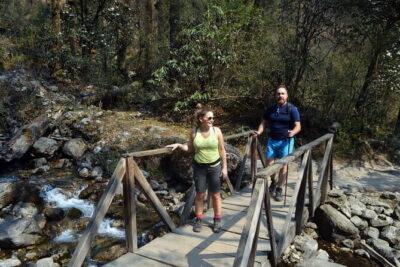
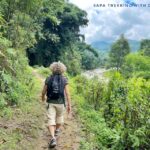
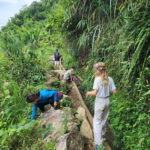
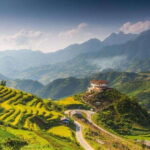
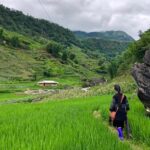
The hike takes you deep into the forested part of the Hoang Lien Son mountain area. Early on, the trail feels like a living botanical guide: giant pine trees, yellow bamboo, and the distinct aroma of cardamom plants. It’s the kind of detail you remember later because it’s sensory, not just scenic.
About two hours into the walk, you reach the bamboo forest. This is a key turning point. Vegetation lowers, and that tends to open distant views—when the weather is cooperating, of course. Even when visibility is limited, you still get that sense of moving from thick canopy to more exposed mountain walking.
This part is also where your guide’s role shows up. A good guide helps you read the trail without overthinking it: where to place your feet, when to slow down, and what to watch for. In this trek, supportive guidance really stands out, especially during more difficult or slippery sections.
One more thing: the forest portion can feel different under clouds and mist. That’s not a dealbreaker—just reality. In the mountains, the experience is often just as much about earning your way forward as it is about the view at the end.
The 2,800-meter lunch stop that keeps the summit realistic
Around 2,800 meters, you stop for lunch. This isn’t a quick snack break. It’s a true refuel moment, and it’s scheduled at a point that makes the rest of the ascent feel possible instead of punishing.
A big reason I like this design is simple: after hours of climbing, your energy level is your limiting factor, not your motivation. Feeding you at a high altitude helps you avoid the common crash that makes the last push feel longer than it needs to be.
Also, lunch isn’t just included—it’s described as delicious in the experiences you’ll likely hear about from guides like Binh. Having the meal “up high” changes your whole mood. You’re not just pausing; you’re resetting for the top.
If you’re prone to getting cold, remember that conditions can shift fast at altitude. Even if the day starts pleasant, bring and wear your jacket during breaks. That’s where comfort becomes safety.
Fansipan Peak (3,143m): what the Roof of Indochina feels like
The summit is at 3,143 meters. That’s the headline goal: the Roof of Indochina. But the real experience is how you get there—the gradual build of effort until you reach a point where the mountain feels bigger than your plans for pictures.
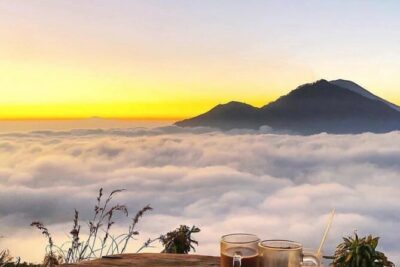
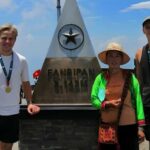
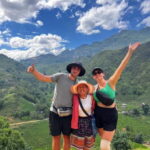
At the top, you take in the views. This is where weather becomes the deciding factor. If fog or clouds roll in, the summit can feel more like a dramatic hike than a postcard moment. Still, there’s value even on low-visibility days. You’re standing at a major elevation milestone with a guide who can help you interpret what you’d be seeing if conditions were clearer.
One neat touch mentioned in the experience: when visibility isn’t good, the guide may show photos of what the view looks like in clearer weather. It helps you connect effort to payoff, even when the sky won’t cooperate.
And yes, there can be celebratory end-of-trek extras. Some groups receive medals at the end, which is a small thing—but it makes the achievement feel tangible when your legs are ready to beg for mercy.
Going down Tram Ton: taxis, rain coats, and staying steady
Descent starts from Fansipan Peak back toward Tram Ton Pass. This is where the mountain asks a different question than it did on the way up: not how hard you can work, but how carefully you can move.
Many people feel the descent most in their knees and ankles, and reviews describe the hike as tough and sometimes slippery. That’s not surprising. Mud, wet stones, and wind-driven rain can turn the final stretch into a careful footwork test.
The included rain coat helps, especially when sudden rain hits. Still, don’t count on rain gear to make you invincible. The right hiking shoes matter a lot here. If your shoes are more “sneaker” than “trail,” you’ll feel it.
Once you’re back at Tram Ton, you take a taxi back to Sapa and end the tour there. This taxi drop is part of what keeps this a one-day plan. You don’t have to arrange another transport scramble after a long day on the mountain.
Price and value: is $64 per person worth it?
At $64 per person, the trek isn’t a budget walk—but it doesn’t look overpriced once you break down what’s included.
Here’s why the value can work:
- Transport between Sapa and Tram Ton Pass is included.
- Hoang Lien National Park entrance fee is included.
- You get an English-speaking guide, plus the guide’s on-trail support.
- Lunch is included (served at 2,800 meters).
- 1.5 liters of water is included.
- A rain coat is included, which saves money and hassle if you show up underpacked.
- For groups of 4 or more, there’s a porter option, which can take the strain off.
What makes it less “cheap,” and where you should plan ahead:
- The cable car is not included. If you want to ride down by cable car after reaching the top, you’ll pay separately.
- Snacks and soft drinks aren’t included, so bring a little extra cash for your own comfort.
In other words: you’re paying for a guided, managed day where the big logistics are handled. If the weather lines up and you feel good physically, it can feel like excellent value. If you get persistent fog and rain, you’ll still climb and experience the mountain ecosystem, but the summit-view payoff might not match your expectations.
Who this one-day Fansipan trek fits best
This is a challenge climb. It’s listed as not suitable for:
- people with heart problems
- wheelchair users
- people with respiratory issues
- people with low fitness
That’s not a formality. The trek involves forest walking and climbing to high altitude. Even if you’re active, you’ll want a realistic fitness base for uneven ground, long effort, and slippery sections.
It’s a great fit for you if:
- you want a full day mountain goal with a clear summit target
- you prefer guided support over self-navigation
- you enjoy learning as you walk (the guide brings mountain and culture context)
- you like structured breaks, like lunch at 2,800m
It’s not the right pick if you want something casual, or if you need low-risk, low-variation terrain.
Packing tips that matter (and what to wear in real conditions)
The essentials are simple, but they decide whether the day feels tough or miserable.
Bring:
- Hiking shoes with grip
- Hat for sun or rain
- Sunscreen (even mountains can surprise you)
- Jacket for wind and temperature swings
- Comfortable clothes you can move in
- A daypack
Plan for weather changes. The climb can run into rain and strong winds, which can complicate things fast. The included rain coat helps, but your layers still matter.
Also, don’t leave waste behind. No littering. No making fire. Those rules protect the park and keep the forest ecosystem intact.
One more practical note: after booking, you may need to send your passport for the climbing procedure. If you travel with an emergency backup plan for IDs, make sure you have the flexibility to provide what the operator requests.
Should you book this trek?
Book it if you want a one-day, guided shot at a serious summit goal. You’re paying for logistics and support: transport up to Tram Ton, park fees, a real lunch at high altitude, rain gear, and an English-speaking guide who helps you push through the hardest parts.
Skip it if any of these are true:
- you can’t comfortably handle steep, slippery walking
- you’re hoping for guaranteed views regardless of weather
- you have medical limitations listed by the operator (heart or respiratory issues)
If you’re fit, prepared, and okay with the mountain’s weather being the boss, this trek can be a memorable, meaningful day—especially because the effort is supported, not just scheduled.
FAQ
What is included in the $64 per person price?
The price includes an English-speaking guide, lunch, Hoang Lien National Park entrance fee, 1.5 liters of bottled water, transport between Sapa and Tram Ton, a rain coat, and porter support for groups of 4 or more. It also includes certification.
Where does the trek start in Sapa?
You’re picked up from Sapa Church or another central location in Sapa, then you take a taxi to Tram Ton Pass.
How high does this one-day trek go?
The route starts at Tram Ton Pass (2,000m) and reaches Fansipan Peak (3,143m).
Is lunch provided, and at what altitude?
Yes. Lunch is included and served at about 2,800 meters.
Is the cable car included?
No. The cable car is not included if you want to take it down after reaching the top.
Do I need to send my passport after booking?
Yes. After booking, you may be asked to send your passport to carry out the climbing procedure.
Is this trek suitable for people with heart or respiratory problems?
No. It is not suitable for people with heart problems or respiratory issues, and it’s also not suitable for wheelchair users or people with low fitness.