REVIEW · SA PA
SAPA TREKKING, RICE FIELDS, LOCAL VILLAGES, BAMBOO FOREST
Book on GetYourGuide →Operated by Do Sung Sapa Trekking and Homestay · Bookable on GetYourGuide
Rice terraces pull you in fast. And Do knows how to make the walk meaningful. This Sapa trek strings together Y Linh Ho, Lao Chai, and Tả Van in about 5 hours, with real village encounters and plenty of time to look, ask, and photograph. I especially liked how Do explains what you’re seeing (not just where you’re walking) and how the stops feel like everyday life in the valley. One thing to consider: the route runs close to schedule, but it can stretch a bit beyond 5 hours depending on questions, pace, and timing.
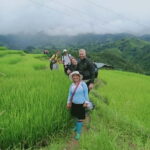
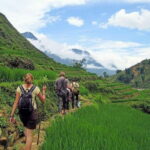
Do starts you with an easy meet-up at Sapa church around 9:00–9:15am (or pickup at your hotel, if that’s arranged). You’ll move downhill through rice terraces, stop for lunch in a Hmong village, and finish in Tả Van where you can spot the bamboo forest. If you want a relaxed, no-stops hike, this is not that kind of tour. You’ll be walking, but you’ll also be learning.
I’d book this when you want authentic Sapa beyond the town view. It’s also a good fit if you travel with limited time and still want the countryside feel. Wear hiking shoes and plan on sun exposure, because this trek doesn’t hide from the weather.
In This Review
- Key things you’ll notice on this Sapa rice-terrace trek
- From Sapa town to the rice terraces: how the tour really starts
- Entering Y Linh Ho: where the scenery turns into a story
- Lao Chai and Hmong lunch: a stop that gives you fuel and context
- Ta Van Village: Giay and Hmong daily life, plus bamboo forest
- Timing and pace: what 5 hours feels like in real life
- What to wear and pack
- Price and value: 500,000 VND for guide, lunch, and transport
- Photos, comfort, and making the most of rice-terrace views
- Who should book this Sapa trek with Do Sung?
- Should you book this Sapa trek?
- FAQ
- What time does the tour start?
- How long is the trekking tour?
- What villages will I visit?
- What’s included in the price?
- Is lunch provided, and where do we eat?
- What should I bring, and what should I avoid?
Key things you’ll notice on this Sapa rice-terrace trek
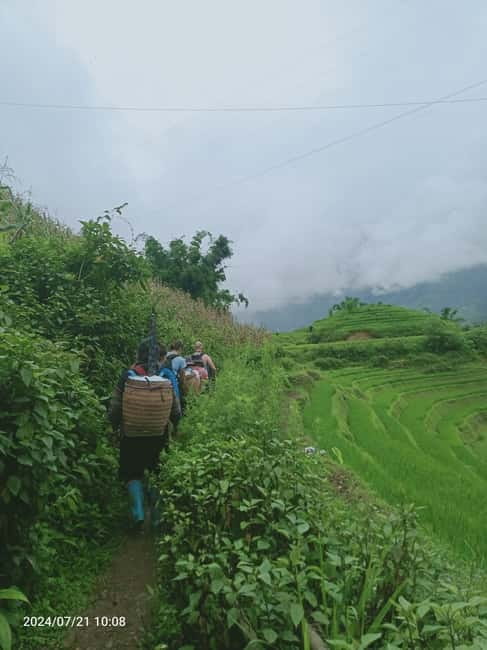
- Y Linh Ho rice terraces: one of the prettiest fields you’ll see in Sapa, right from the start
- Lao Chai + Hmong lunch: a practical midday break inside a long-established community
- Tả Van village culture: mostly Giay and Hmong villages with daily-life moments
- Bamboo forest section: a texture shift from fields to wooded paths
- Seasonal planting/harvesting: if timing matches, you might see farming work in action
- Do’s energy as the guide: friendly, funny, and focused on what the landscape means
From Sapa town to the rice terraces: how the tour really starts
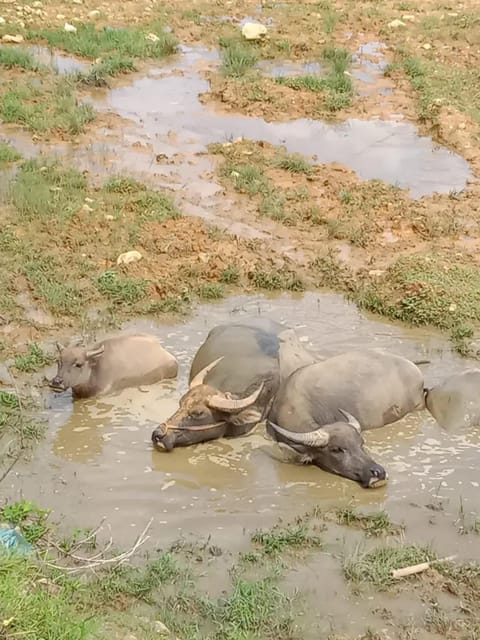
This tour is built around one simple goal: help you see Sapa’s fields and villages in a few hours, without turning it into a rushed checklist. You meet Do at Sapa church at 9:00–9:15am, or you can be picked up from your hotel. That early start matters because the valley is easier to read in the morning—light hits the terraces better, and it feels less hectic on the paths.
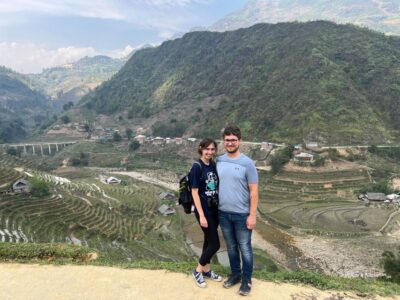
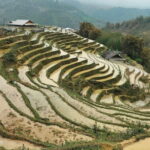
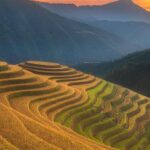
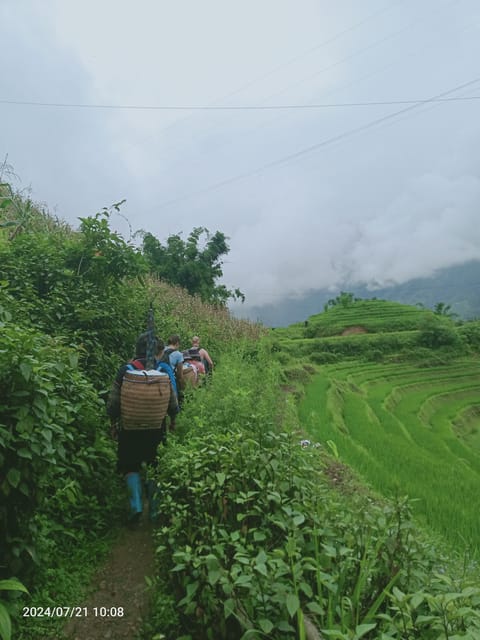
After a quick introduction, you begin trekking down from Sapa toward Y Linh Ho village. The first big payoff is the view of rice terraces. In this area, the fields don’t look like background scenery. They’re the main character. The terraced structure pulls your eyes downhill and gives you a sense of how people shaped the slopes over generations.
Do’s style is a big part of why this works. You’re not just pointing at scenery. You’re learning what you’re looking at. In my experience with guides like this, that’s the difference between taking photos and really understanding the place. Here, Do connects the food, the farming, and the village life to the walk you’re doing.
You can also read our reviews of more tours and experiences in Sa Pa.
Entering Y Linh Ho: where the scenery turns into a story
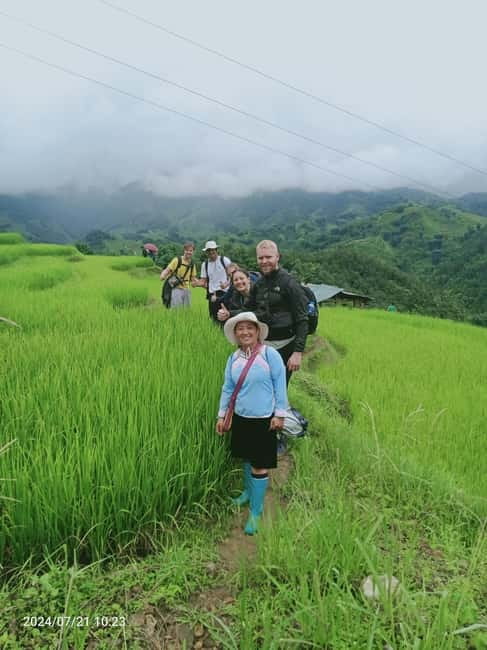
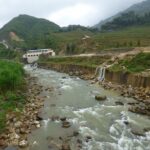
The trek drops you into Y Linh Ho village territory, and the rice terraces are the headline. You’ll see the kind of terrace pattern that makes Sapa famous—layered green steps that follow the contour of the hills. This is where you slow down naturally. If you keep moving at full speed, you’ll miss the details: the way the terraces channel water, the way paths thread between field edges, and the way villages sit close enough that daily life overlaps with farming.
This part is often the most visually satisfying because it’s early, and you’re fresh. It also helps you mentally shift from Sapa town pace to valley pace. Sapa town can feel like a basecamp. The terraces make it feel like a place where work and scenery are the same thing.
A practical note: if it’s sunny, this section can feel bright and hot. Sunglasses and sunscreen matter here. Also, bring a hat that stays on your head—breeze plus downhill walking is a combo that can steal flimsy caps.
Lao Chai and Hmong lunch: a stop that gives you fuel and context
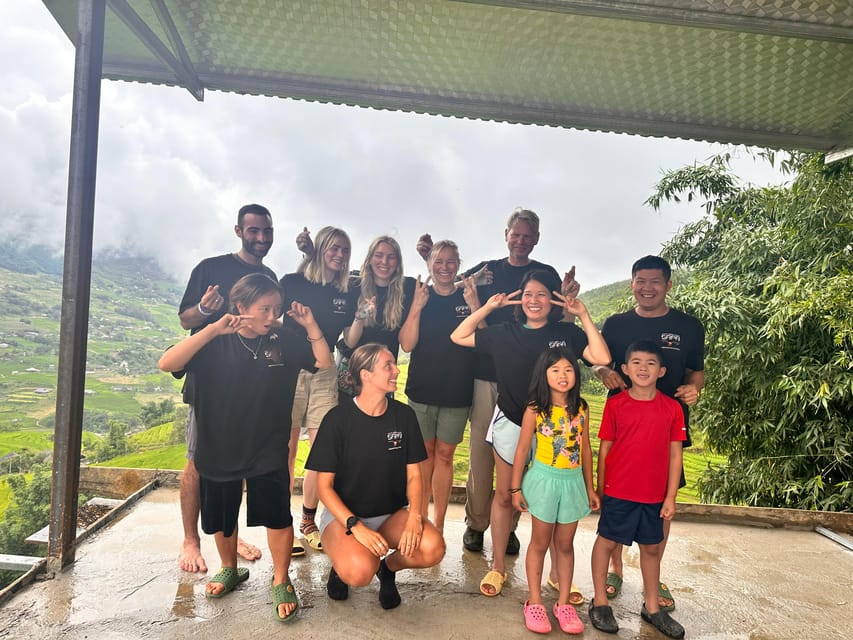
Next you head toward Lao Chai, and you stop for lunch in a Hmong village. Lao Chai is one of the most well-known names in the Sapa trek circuit, but the point of this tour is what happens when you get there—not the name on a map.
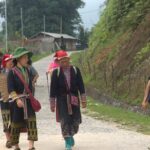
Lunch is included, and it’s not just a break. This is where you get a cultural window into how the day is structured for local families. The Hmong community here is described as one of the oldest and largest in the area, and that shapes the feel of the place. Even if you don’t memorize every detail, you’ll sense the continuity: the village isn’t staged for tourists as much as it is living alongside them.
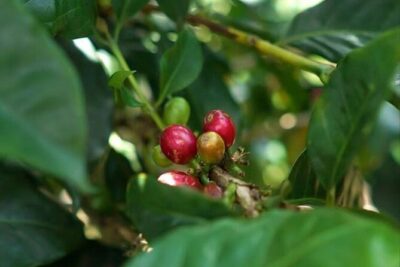
Do tends to keep conversations going in a natural way—why people farm the way they do, and what cultivation looks like across seasons. One interesting thing I picked up on a similar trek style is how guides explain farming beyond “rice grows here.” In this case, Do also covers indigo and other cultivation topics in a way that makes the village feel connected to everyday materials, not just traditional costumes for photo ops.
If you’re sensitive to spicy food, ask early what’s in your meal—or simply plan for something traditional. I’d also drink water before you feel thirsty. Water is included, but it doesn’t last forever when you’re walking.
Ta Van Village: Giay and Hmong daily life, plus bamboo forest
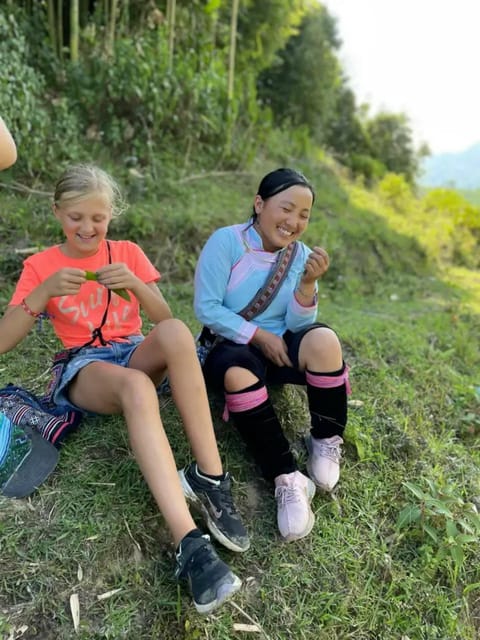
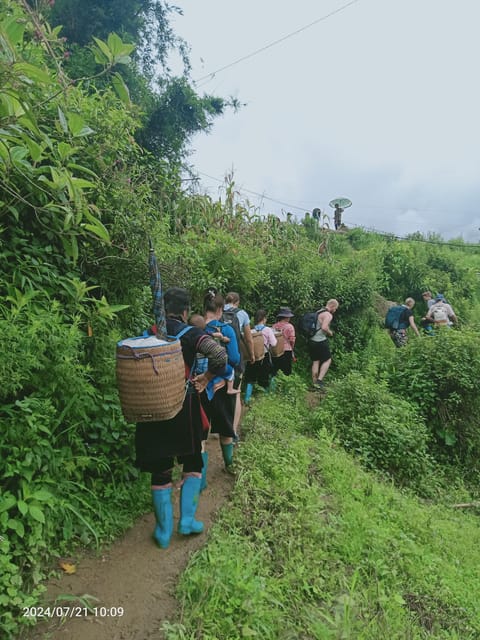
After Lao Chai, the route moves to Tả Van Village, which is mostly inhabited by the Giay and Hmong ethnic minorities. You’ll notice the village vibe shift again here. The terraces may still be part of the picture, but you’re now walking in a place where houses, paths, and fields are tighter together.
One of the standout features is the bamboo forest. That’s a welcome change from open fields. Bamboo can make the air feel cooler and the path feel more enclosed. It also tends to improve the “walk-and-watch” feeling—less wide-open glare, more texture, and more natural shadows for photos.
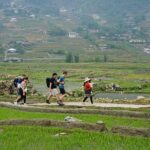
If timing is right for the season, you can see people planting rice or harvesting it. Even when you don’t catch a farming moment, you’ll still see the rhythms of the area: where paths meet fields, how the village connects to the surrounding farmland, and how daily routines shape the scenery.
You end your trek in Tả Van village. Then a car or motorbike picks you up and returns you to Sapa. This matters because it keeps the day from becoming a long, exhausting out-and-back. You get the walk without having to negotiate the same trails in reverse.
Timing and pace: what 5 hours feels like in real life
On paper, you’re out about 5 hours. The itinerary also notes around 4 to 5 hours walking time, and you typically finish around 3:00–3:30pm in Sapa town. That’s a nice window because you can still plan a bus back to Hanoi after you’re done.
In practice, I suggest planning for a little variation. With guides like Do, the pace adjusts to questions, photo stops, and how long you spend in each village. I’ve been on tours where the schedule stayed close to the target, but I’ve also seen it run longer without feeling like a waste. You’ll be walking and learning at the same time.
So the best mindset is this: think of it as a half-day countryside outing, not a strict timing exercise.

What to wear and pack
Bring:
- Hiking shoes (the paths can be uneven)
- Sun hat and sunglasses
- Sunscreen
- Comfortable clothes you don’t mind getting a little dusty
- Cash (handy for any optional purchases)
- A light layer if the morning feels cool
Not allowed:
- Alcohol and drugs
Also, you’ll be walking in sun, so pack for brightness. If you rely on a phone camera, keep it protected from glare and sweat.
Price and value: 500,000 VND for guide, lunch, and transport
This tour is listed at 500,000 VND per person per day. That sounds modest until you break down what’s included. You’re paying for:
- A local English-speaking guide (Do)
- Lunch
- Water
- Transportation back to Sapa after the trek
That’s the real value: logistics. In Sapa, it’s easy to spend money and energy just trying to make routes line up. Here, the route is managed end-to-end. You walk the valleys you want, and you get back without needing to arrange your own ride from the final village.
It’s also clear what you’re not paying for. Drinks (like beer or soft drinks) are not included, and tips are not included. If you want a drink later, plan on paying out of pocket.
One more pricing detail: the tour is handled through GetYourGuide, with a 100,000 VND payment for confirmation and 400,000 VND paid to Do when pickup happens. That split makes it easier to secure your spot while keeping a little flexibility in planning.
Overall, if you want a guide-led village day that includes lunch and return transport, this is good value for the time you have.
Photos, comfort, and making the most of rice-terrace views
You’ll take photos no matter what. But you’ll get better photos if you do a couple things:
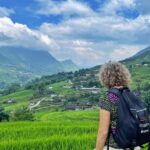
- Aim for the terrace angles early. The Y Linh Ho views are your best chance to get wide shots before the day warms up and shadows shift.
- Plan for bamboo shots later. Bamboo forest lighting tends to be softer. It’s good for photos that show texture and path depth.
- Bring a hat that won’t fight you. Downhill walking plus wind is a hat-testing gym session.
- Use water regularly, not all at once. Small sips keep you steady during climbs and stops.
Also, bring your curiosity. The tour works best when you ask questions. Do is friendly and tends to keep things light and fun while still explaining the meaning behind farming and village life. It’s a good vibe for travelers who don’t just want pictures—they want stories.
Who should book this Sapa trek with Do Sung?
This tour is a great match if you:
- Want rice terraces plus village culture in one day
- Prefer a guided walk in English with local context
- Like stopping for lunch and learning instead of racing through viewpoints
- Have limited time in Sapa but still want countryside scenery
It’s less ideal if you:
- Want a very fast, minimal-walking experience
- Don’t enjoy uneven paths or sun-heavy conditions
- Are looking for an indoor or wheelchair-friendly plan (this trek involves walking)
One explicit suitability note: it’s not suitable for people over 95 years. If you’re in that range or have mobility limits, you’ll need to choose a different style of experience.
Should you book this Sapa trek?
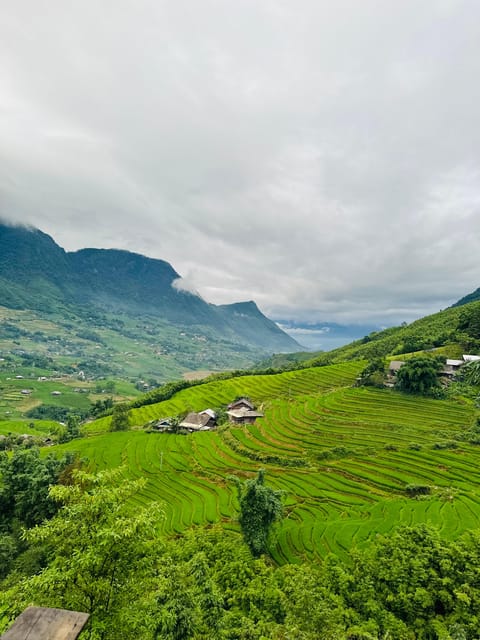
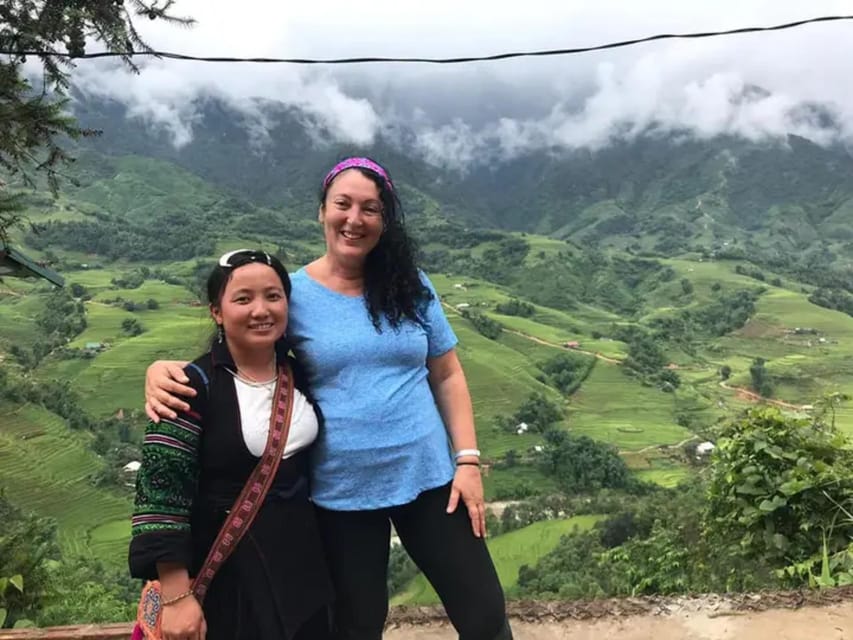
If you want a half-day that mixes beautiful rice terraces, local village stops, and a bamboo forest walk—without the headache of transportation—this is a strong choice. Do’s guidance is a key reason it feels more human than typical trek circuits: she’s friendly, funny, and focused on helping you understand what you’re seeing, including farming practices tied to rice and indigo.
Book it if your priority is authentic Sapa countryside in a short window. Skip it if you only want major viewpoints from afar or you’re expecting a strictly timed 5-hour schedule with no variation.
FAQ
What time does the tour start?
You meet at Sapa church at 9:00–9:15am. Pickup at your hotel is also available.
How long is the trekking tour?
The duration is listed as about 5 hours (the exact walking time is described as around 4 to 5 hours), and the tour typically ends around 3:00–3:30pm in Sapa town.
What villages will I visit?
You’ll visit Y Linh Ho, then Lao Chai, and finish in Tả Van Village.
What’s included in the price?
The price includes a local English-speaking guide, lunch, water, and transportation back to Sapa after the trek.
Is lunch provided, and where do we eat?
Lunch is included, and it’s taken as a stop in the Hmong village area during the Lao Chai portion of the route.
What should I bring, and what should I avoid?
Bring hiking shoes, sunscreen, a sun hat, sunglasses, comfortable clothes, and cash. The tour does not allow alcohol and drugs.