REVIEW · SA PA
Soob Sapa Trekking Tour
Book on GetYourGuide →Operated by Soob Sapa Trekking Tour · Bookable on GetYourGuide
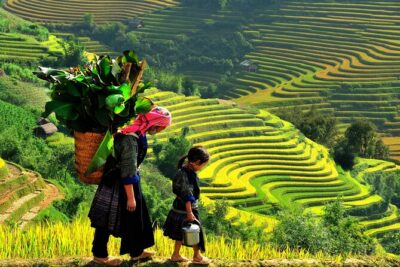
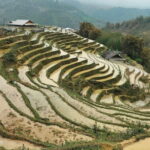
Rice terraces, villages, and real views. That’s the draw of this Soob Sapa trek, linking Sa Pa with rice terraces and valley paths while you look toward Hoàng Liên Sơn. You get a full morning walk with stops at multiple ethnic villages, plus a lunch break cooked by a local family.
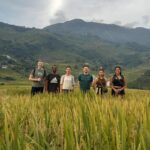
I especially like the small group feel (limited to 10), which makes it easier to hear your guide and ask questions. I also like the family-cooked lunch in Y Linh Ho, where vegetarian options are available, and you keep things simple with water included.
One thing to watch: pickup is described as included, but return transport can be unclear on the ground. If your hotel matters to you, I’d confirm drop-off details before you start, just to avoid last-minute taxi decisions.
In This Review
- Quick hits before you lace up
- How the route strings together Sa Pa village life
- Sa Pa Church to Y Linh Ho: your first real sense of the hills
- Y Linh Ho lunch with a local family (and how to make it work)
- From Y Linh Ho to Lao Chai: the rice terraces open up
- Lao Chai to Ta Van: the finale across valleys and terraces
- What the trek is like on your body (and what to pack)
- Price and value: why $24 feels fair here
- Who this trek suits best (and who might pass)
- Pickup, drop-off, and timing: avoid the taxi surprises
- Booking basics: what you can plan around
- FAQ
- Where does the trek start?
- What time do we begin the trek?
- How long is the tour?
- What villages and places do we visit?
- Is lunch included?
- Is water included?
- What languages does the guide speak?
- How big is the group?
- What should I bring for the trek?
- What footwear is not allowed?
- Should you book the Soob Sapa Trekking Tour?
Quick hits before you lace up
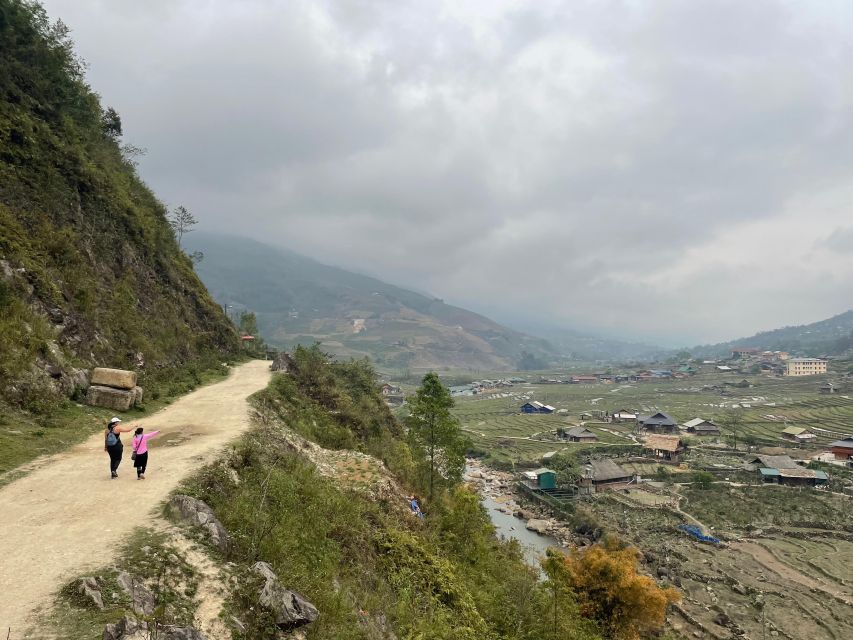
- Small group max 10 means less waiting and more time on the trail
- English-speaking local guide (English or Vietnamese) keeps the story understandable
- Lunch with a local family in Y Linh Ho with vegetarian options
- Multiple village stops: Y Linh Ho, Lao Chai, and Ta Van
- Ethnic clothing lesson for Black Hmong, Flower Hmong, Red Hmong, Tay, and Dzay
- Packed with views, including Hoàng Liên Sơn and wide valley outlooks
How the route strings together Sa Pa village life
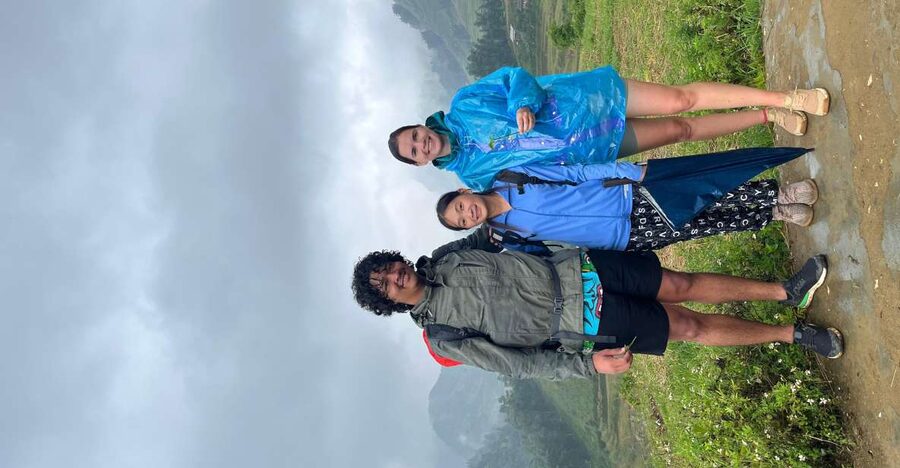
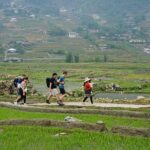
This is a one-day trek that feels like a “best-of” connection between different parts of the Sa Pa hills. You start in Sa Pa town at Sa Pa Church and then head into rice terraces and mountain valleys. The walk isn’t just about getting from A to B. It’s about shifting scenery and different village atmospheres as you go.
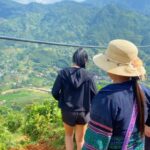
You’ll be walking through the kind of stepped fields and narrow footpaths that define this corner of Vietnam. And you’re not doing it in isolation. Your guide helps you connect what you see—valley farming, village routines, and traditional outfits—to the people living there now. That’s the part I find most worth your time: it turns a pretty hike into something you can actually understand.
You can also read our reviews of more tours and experiences in Sa Pa.

Sa Pa Church to Y Linh Ho: your first real sense of the hills
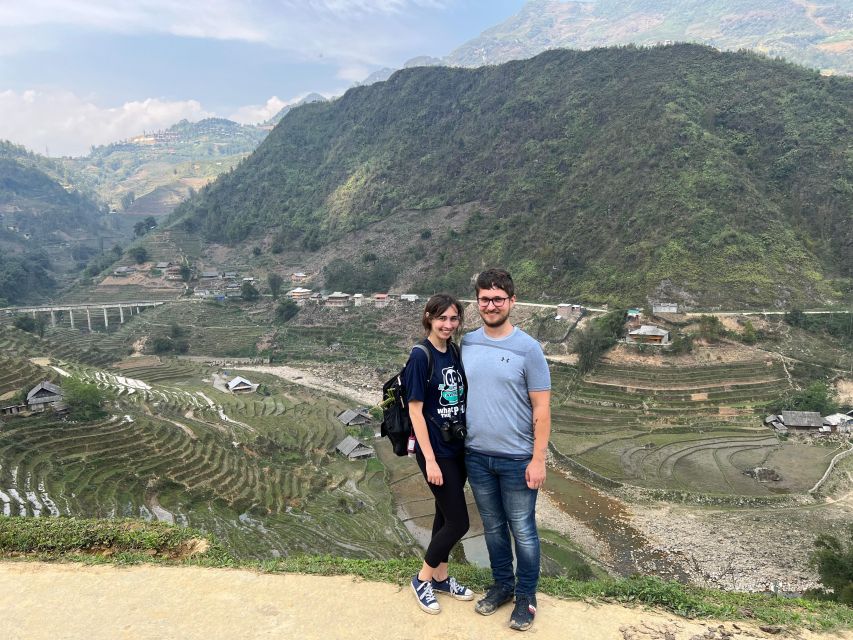
The day starts at 9:00am at Sa Pa Church in Sa Pa town, with the trek beginning around 9:30am. Right away, you’re out of town and into rice terraces and mountain valley paths. Early in the morning, the air tends to feel cooler, and the views often look sharper. It’s a good stretch for settling into the rhythm of walking uphill and downhill without rushing.
Y Linh Ho is your first big marker on the route. You’re not there to just “pass by.” This is the point where you get your first village contact before lunch. The terrain is typical for Sa Pa treks—uneven ground, steps, and footpaths that don’t feel like a sidewalk. If you’re the sort of traveler who likes to keep a steady pace and stop when it makes sense, this section usually hits the right balance.
If you get motion sickness easily, plan for a steady, not-too-fast pace. Also, don’t forget insect repellent—Sa Pa’s greenery attracts bugs, especially when you slow down near water and fields.
Y Linh Ho lunch with a local family (and how to make it work)
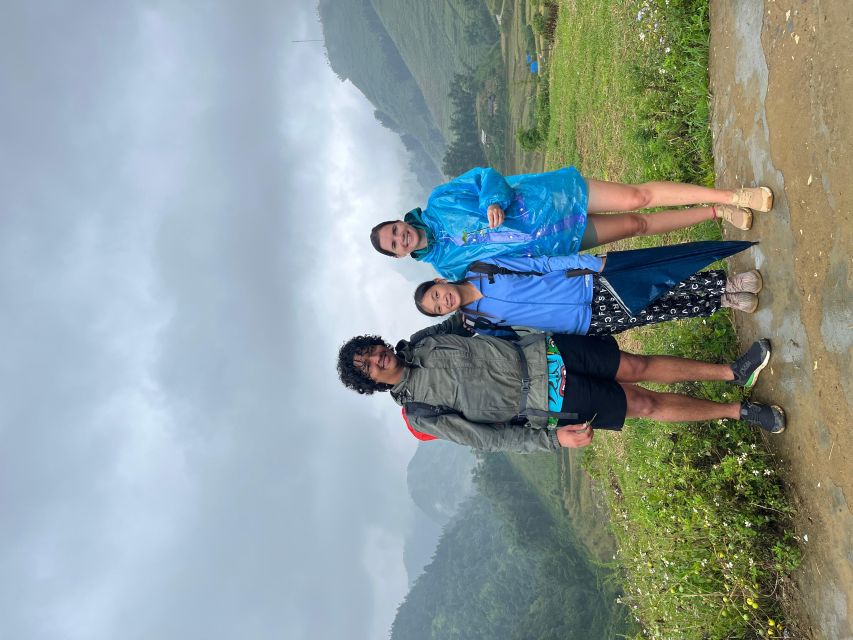
Around 11:30am, you stop in Y Linh Ho village for a family-style meal. This is one of the most praised parts of the day because it’s not just a packaged snack. The lunch is cooked by a local family, and vegetarian options are available if you need them.
This break matters more than it sounds. It’s what keeps the trek from turning into a nonstop grind. You’ll refuel, drink some water, and reset your legs before the rest of the route. In a place like Sa Pa, where the paths can feel more tiring than you expect, a real sit-down meal is a quiet advantage.
Practical tip: eat with a little patience. Family-style meals often take time. If you arrive hungry but sit down expecting a fast handoff, you’ll feel rushed. Instead, treat lunch as a social stop. Ask simple questions through your guide about what’s on the table and how people prepare food locally.
From Y Linh Ho to Lao Chai: the rice terraces open up
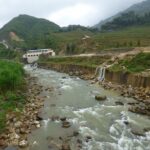
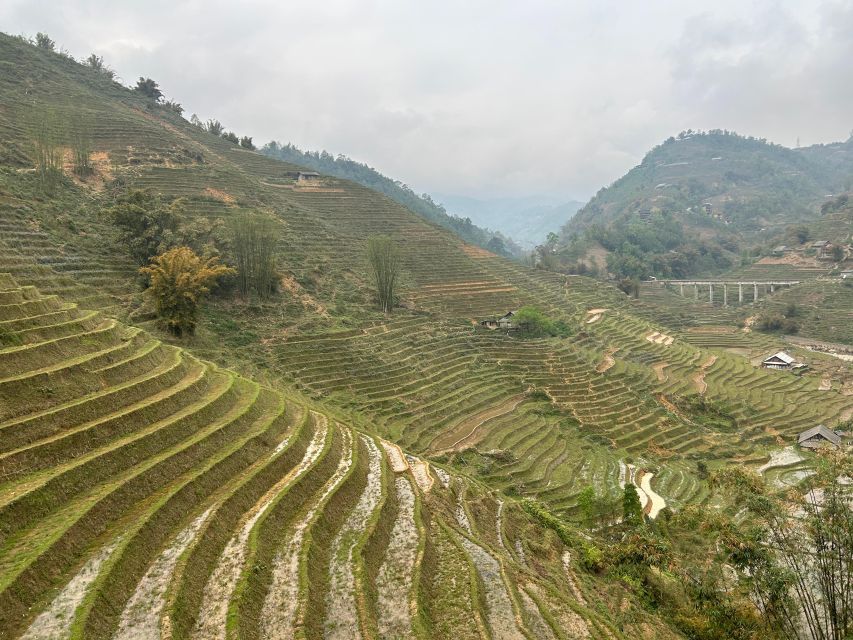
At about 12:30pm, you move out of Y Linh Ho and continue trekking through rice terraces and incredible mountain valleys along the Muong Hoa river direction. This stretch is where the views usually start feeling bigger, since the walking route gives you outlooks toward distant ridges and layered farmland.
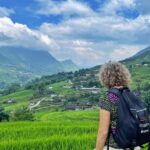
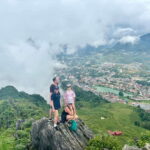
By 1:30pm, you reach Lao Chai, and that’s when the day turns into the classic “panorama moment.” The views cover the village, the river, and mountains as far as you can see. This is also the point where your guide turns scenery into learning.
You’ll have the chance to learn about and see traditional clothing from several ethnic groups: Black Hmong, Flower Hmong, Red Hmong, Tay, and Dzay. That clothing detail isn’t just a photo opportunity. It’s often the clearest visual way to understand how communities organize identity through colors, patterns, and everyday style.
If you’re planning photos: ask before you shoot close-up portraits. And keep respect in mind, because the people you’re seeing live here year-round.
Lao Chai to Ta Van: the finale across valleys and terraces
Later in the trek, you start the final section through mountain valleys and the rolling iconic rice terraces toward Ta Van village. The standard plan has you beginning this final walk around 3:30pm. Ta Van is known for the Dzay and Hmong merging to live together in the mountains, so the village atmosphere can feel like a blend of cultures rather than a single community snapshot.
This last segment is also where your legs will tell you the truth about the day. If you’re coming straight from a day of walking in Sa Pa, you may feel the cumulative effort. The good news is that the route is designed to keep you moving through scenic sections with natural pause points for looking, listening, and taking in the valley views.
I like this finale because it’s less about a checklist of sights and more about slowing down. When you’re near Ta Van, you’re surrounded by the shapes of the terrain—terraces, ridges, and river valleys. You finish the trek with a sense of place that’s hard to fake with a quick stop.


What the trek is like on your body (and what to pack)
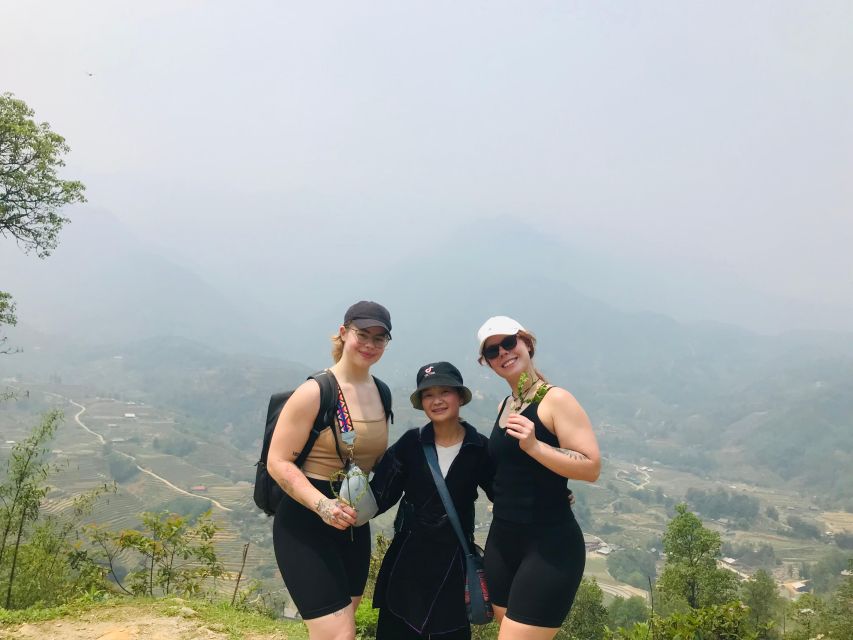
This tour is trekking-focused, so bring the right shoes and expect uneven ground. The essentials listed for this walk are straightforward, and I agree with them:
- Insect repellent
- Trekking gear
- Sunscreen
- Rain gear
- Sports shoes
The footwear rules are clear: no open-toed shoes and no sandals or flip flops. That matters because terrace paths can be slippery, muddy, or simply rough underfoot. Closed, grippy shoes help you stay confident.
Also note that the trek can be amended based on different abilities and weather conditions. That’s a real comfort factor if you’re not sure you’ll handle a longer or steeper route on the day. Still, go in with the mindset that you are hiking, not sightseeing from a car.
Weather in the mountains can shift quickly. If it rains, the ground can get slick and you’ll appreciate rain gear even if you don’t expect downpours.
Price and value: why $24 feels fair here
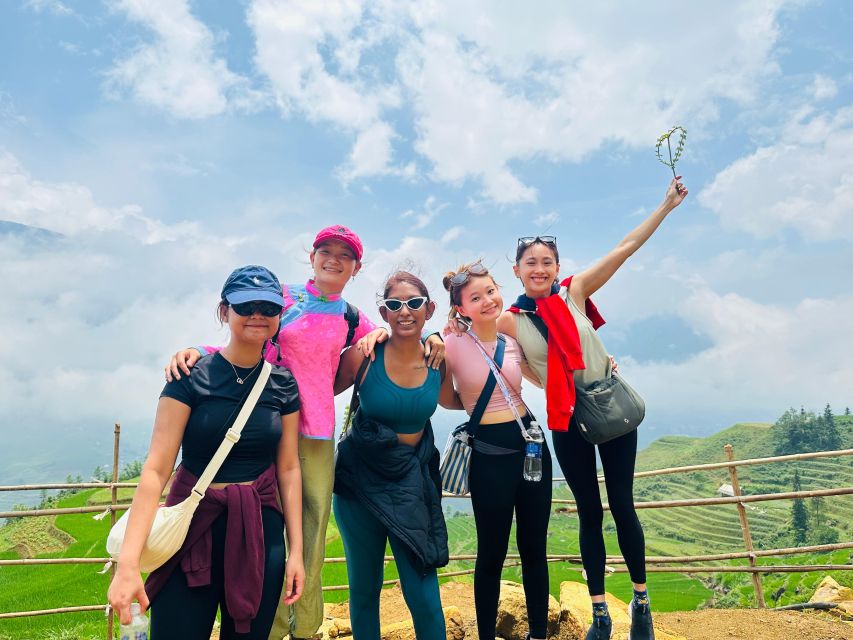
The price is $24 per person, and that’s the kind of number that makes sense if the tour gives you more than just a guide’s presence. In this case, the inclusions are what support the value:
- Lunch (family style, with vegetarian option)
- Water
- Local guide (English and Vietnamese)
- Small group capped at 10
- Pickup is included (you can be picked up anywhere in Sapa)
When a trek includes lunch and water, you’re not stuck paying separately for a meal mid-day. And when the group stays small, you’re more likely to actually understand the explanation, especially around ethnic clothing and village life.
The only value “watch point” is transport clarity. Pickup is stated as included, but a past participant reported having to handle the taxi back to their hotel themselves. That’s not something I’d gamble on. If you care about a smooth end to the day, confirm where you’ll be dropped off before you go.
Who this trek suits best (and who might pass)
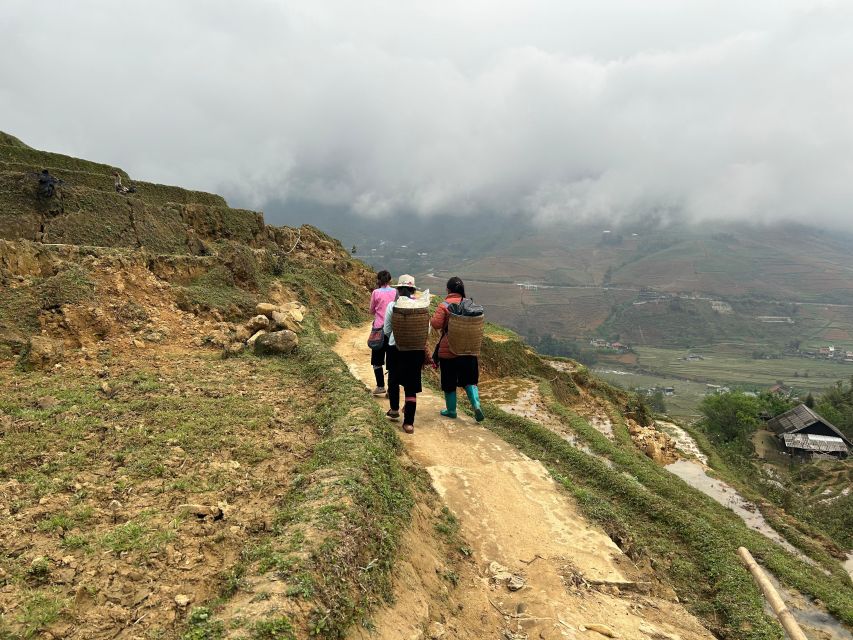
This is a good fit if you want an active morning in the Sa Pa hills with cultural context, not just a scenic walk. It’s especially good for you if:
- You enjoy talking with a guide and learning what you’re seeing
- You like village-to-village routes and photo-friendly viewpoints
- You’re comfortable walking on uneven terrain for several hours
- You want a set lunch stop rather than hunting for food later
This tour is not suitable for children under 2, pregnant women, people with mobility impairments, wheelchair users, and people over 70. If you’re older or managing mobility, it’s worth looking for a shorter or more accessible option instead of trying to “push through.”
Pickup, drop-off, and timing: avoid the taxi surprises
Meet at 9:00am at Sa Pa Church, and you’ll begin trekking around 9:30am. Pickup is included, and the tour can pick you up anywhere in Sapa. That’s convenient, especially if you don’t want to navigate with a map while you’re figuring out where the group meets.
Still, there’s a practical risk: while pickup is included, return details may not match your assumption. One person ended up paying for the taxi back and walking partway. I’d treat that as a heads-up, not a deal breaker—just make it explicit when you confirm your booking:
- Are you dropped back at your exact hotel?
- If pickup is included, is drop-off included the same way?
If you get clear answers, you’ll enjoy the day without a stressful end.
Booking basics: what you can plan around
The tour is listed as lasting from 9:00am to 3:00pm, and the overall duration is also described as around 5 hours. Real-life start and finish times can shift a bit depending on the day’s conditions and how the group moves, so plan for a late-morning to early-afternoon commitment.
There are multiple languages available: English and Vietnamese, and your guide is local. If you want English explanations, it’s worth confirming language preference when you reserve.
If your plans change, the tour offers free cancellation up to 24 hours in advance and a reserve now, pay later option to keep your schedule flexible.
FAQ
Where does the trek start?
The meeting point is Sa Pa Church in Sa Pa town at 9:00am.
What time do we begin the trek?
You typically start trekking around 9:30am.
How long is the tour?
The tour runs from about 9:00am to 3:00pm. The listing also notes a 5-hour duration, so check availability for the exact timing on your date.
What villages and places do we visit?
The trek includes Y Linh Ho village, Lao Chai, and Ta Van village.
Is lunch included?
Yes. Lunch is included and is family-style, cooked by a local family, with vegetarian options available.
Is water included?
Yes, water is included.
What languages does the guide speak?
The tour includes a live guide in English and Vietnamese.
How big is the group?
The group is limited to 10 participants.
What should I bring for the trek?
Bring insect repellent, trekking gear, sunscreen, rain gear, and sports shoes.
What footwear is not allowed?
You should avoid open-toed shoes and sandals or flip flops.
Should you book the Soob Sapa Trekking Tour?
If you want a small-group trek with a local guide and a real village lunch, I think this one is easy to justify at $24. The combination of rice terraces, Lao Chai viewpoints, and the chance to see and learn about different ethnic clothing makes it more than a walk with scenery.
Before booking, do two quick checks: confirm your drop-off plan for the end of the day, and make sure the trek fits your comfort level with uneven mountain paths. If that’s a match, you’ll come away with a clearer picture of how people live in the Sa Pa hills, not just a set of photos.