REVIEW · SAPA
Trek Adventure in Ta Van Village, Lao Chai
Book on Viator →Operated by Vietnam Travel Top · Bookable on Viator
Five hours, and the valley changes you. This trek starts in Sapa and takes you through terraced rice fields and village paths around Lao Chai and Ta Van, with Sapa-fresh air and streams you can hear before you see them.
I love how practical it is: an English-speaking guide helps you make sense of what you’re seeing, and the lunch stop feels local and personal, not like a tourist trap. You get enough time on the trail for photos, without turning your day into a long, exhausting hike.
One thing to plan around: it needs good weather. If the skies don’t cooperate, you may be offered another date or a full refund—so check the forecast and pack for mud.
In This Review
- Key Highlights Worth Booking
- A Quick Read on What You Get in 5 Hours
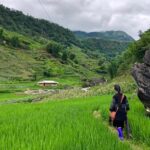
- From Sapa to Y Linh Ho: Rice Terraces Right Away
- What I like about this start
- Consideration
- Lao Chai Walk and the Village Portion You’ll Actually Remember
- The cultural value here
- Lunch in Lao Chai: Hearty Food, Village-Home Feeling
- Practical tip
- Ta Van Finish and the Van Back to Sapa
- Price and Value: Why $29 Can Still Feel Like a Deal
- What you pay separately
- How to Think About Timing (and Rice Season)
- What to Bring for a Comfortable, Not-Annoying Trek
- Who This Trek Suits Best (and Who Might Prefer Something Else)
- Quick FAQ for Sapa First-Timers
- FAQ
- How long is the Trek Adventure in Ta Van Village, Lao Chai?
- Where does the trek start and end?
- Is an English-speaking guide included?
- What stops are included on the route?
- Is lunch included?
- Are entrance fees included?
- How large are the groups?
- Is there a mobile ticket?
- What is the cancellation policy if weather turns bad?
- When can I cancel for a full refund?
- Should You Book This Lao Chai to Ta Van Trek?
Key Highlights Worth Booking
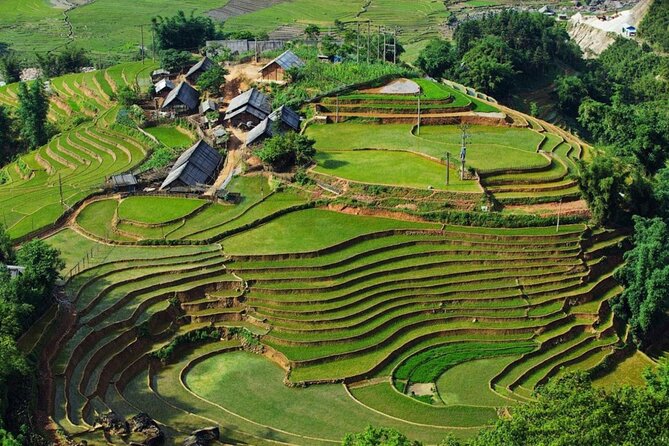
- Y Linh Ho start with rice terraces: Begin at a village gate, then walk among paddies on the hillside.
- Muong Hoa Stream walking: The trail follows the sound and movement of water through the valley.
- Black Hmong village time in Lao Chai: You pass through an ethnic village area while the scenery keeps opening up.
- Lunch that feels like a homestay visit: A hearty local meal in a village setting breaks up the walk.
- Small group size (max 15): Easier pace and less crowd pressure than big Sapa tours.
- Simple logistics with transfers and a mobile ticket: Round-trip pickup and drop-off keep the day smooth.
A Quick Read on What You Get in 5 Hours
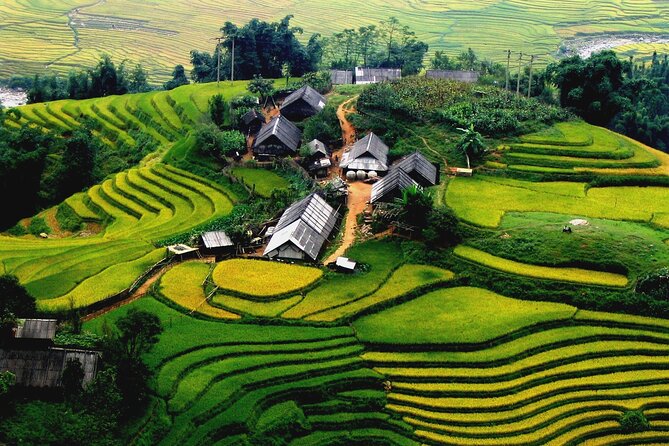
This is a compact trek, roughly 5 hours total, built for people who want real Sapa scenery without committing to an all-day grind. You’ll spend time walking through rice terraces, quiet village routes, and stream-side scenery, then return to Sapa by van.
The group stays small—up to 15 travelers—and you’ll have an English-speaking local guide in Sapa. That matters more than you’d think in this part of Vietnam, where the “why” behind what you see can get lost if you’re just walking and snapping photos.
From Sapa to Y Linh Ho: Rice Terraces Right Away
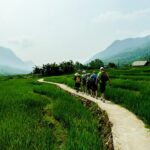
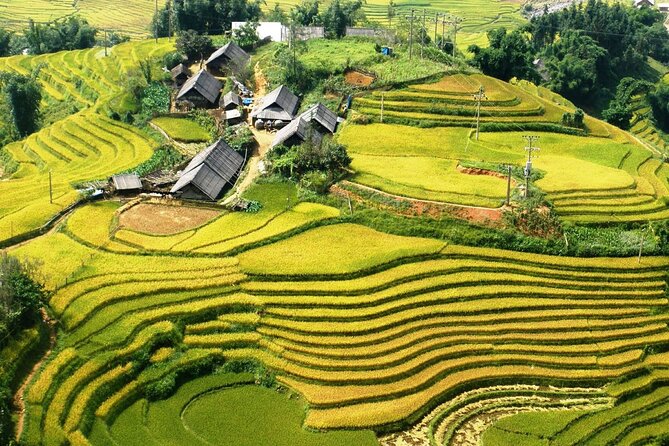
Most departures start with you heading from your hotel toward Y Linh Ho. The walk begins with a village transition, then quickly turns into hillside paddies where the terraces step down through the valley.
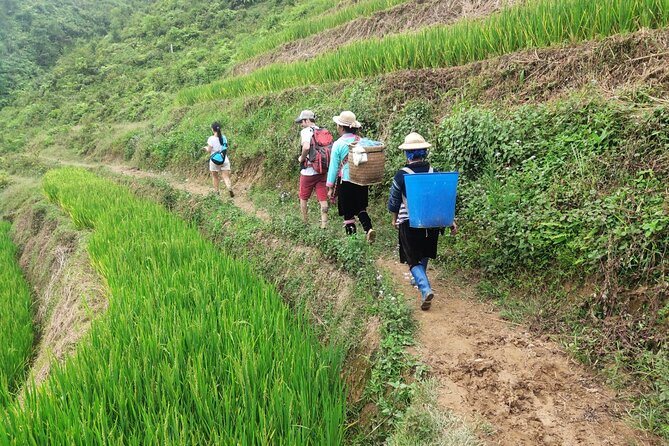
You’ll trek through rice terraces and move along Muong Hoa Stream, so the scenery changes in a natural rhythm: open views, then a more shaded stretch, then back to wide angles. There’s also a strong sense of soundscape here—streams and birds add a layer you don’t get on city days.
What I like about this start
The early portion is paced so you can enjoy the scenery instead of just surviving the uphill. You also get that “Sapa is bigger than the town” feeling fast, because the trail opens out into real valley space.
Consideration
Wear shoes you’re comfortable getting dirty. Even when the route is manageable, terraced paths can turn slick after rain.
Lao Chai Walk and the Village Portion You’ll Actually Remember
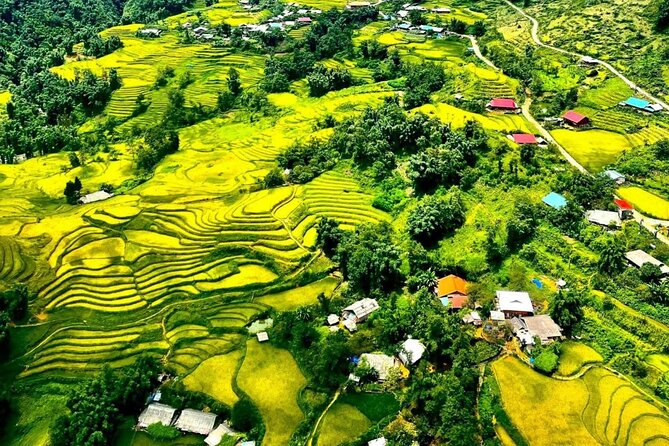
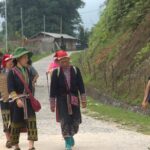
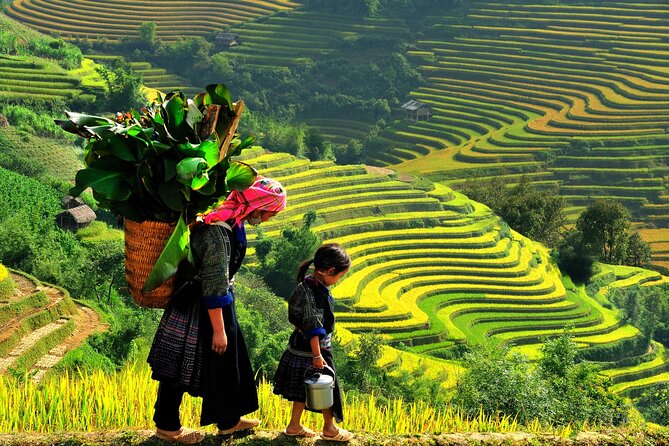
After the Y Linh Ho section, your trek continues toward the Black Hmong village area of Lao Chai. This is where the valley views and village life meet.
You’re walking through an area where people live and work, not just a staged sightseeing stop. With your guide, you’ll get explanations tied to ethnic community life—enough context to make the route feel like more than a photo line.
The cultural value here
This part works best when you slow down for small moments: a conversation, a gesture, a pause to watch daily routines. A good guide helps you notice what you might otherwise pass by, especially around how communities connect to the landscape and the seasons.
Lunch in Lao Chai: Hearty Food, Village-Home Feeling

Lunch happens at a local restaurant in Lao Chải village, and the stop is about 45 minutes. If you choose the morning option, lunch is included as part of the package.
What makes the lunch break special is the setting. Based on how this day plays out, it doesn’t feel like a rushed “tour lunch.” It has that homestay visit vibe that many people look for in Sapa, even though it’s still organized and scheduled.
Practical tip
Use the lunch time to reset—water, snacks if you need them, and a quick bathroom break if available where you’re eating. The second part of the trek is shorter, but you’ll want your energy for the last stretch and the return.
Ta Van Finish and the Van Back to Sapa
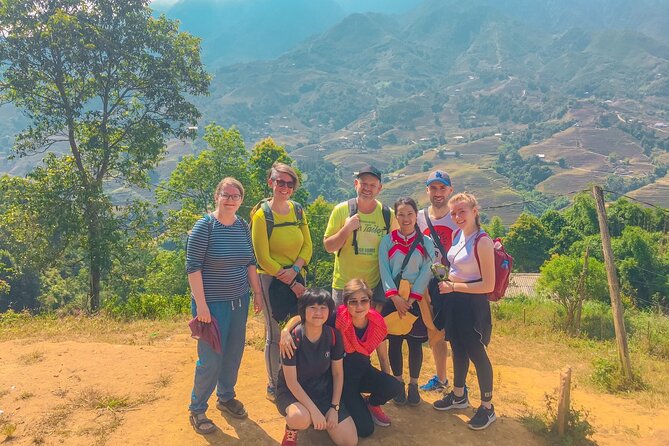
After Lao Chai, the trail wraps up near Ta Van. A van arrives at a secondary school in Ta Van and transports you back to Sapa.
This ending is one of the smartest parts of the plan. Instead of trying to tough out a full day or ending at a remote spot with no easy ride, you get a clean handoff back to town. That means you can plan dinner in Sapa the same evening without stressing over transportation.
Price and Value: Why $29 Can Still Feel Like a Deal
At $29 per person, this trek is priced to be accessible, especially because key items are already included. You’re getting round-trip transfers, an English-speaking local guide, and the sightseeing/entrance fees listed for the itinerary.
Here’s what that means for your decision:
- You’re not paying extra just to access the main parts of the route you came for.
- Your guide is part of the value, not an optional extra.
- The day stays organized, which matters when you’re dealing with rural roads and limited time.
What you pay separately
Beverages, personal expenses, and tips aren’t included. And if you’re someone who likes to buy bottled water at stops, build that into your budget.
Group discounts are mentioned too, which can make this even better if you’re traveling with a friend or two.
How to Think About Timing (and Rice Season)
This is booked in advance fairly often—on average about 62 days ahead. That’s a hint that you should pick your date early, especially if you’re aiming for a specific travel window.
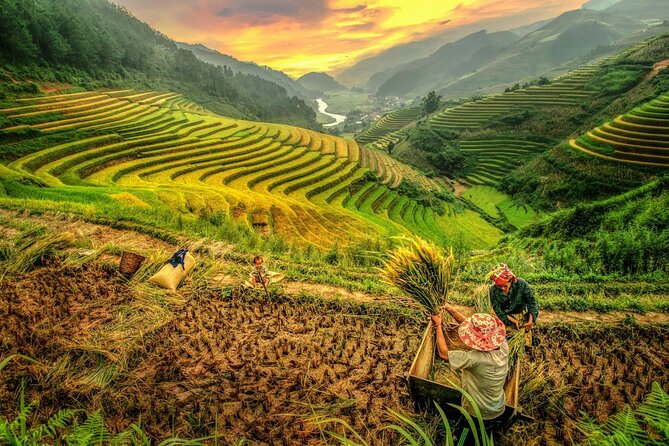
The trail is best when the day is clear and you can see the valley unfold. If you’re lucky enough to be there during rice season, the paddies can turn into golden, photogenic fields that really change the mood of the walk. Even when the colors aren’t peak, terraced hills and bamboo patches still give you that stepped, layered look.
What to Bring for a Comfortable, Not-Annoying Trek
Good shoes matter. People keep saying it for a reason: you’ll walk on uneven ground, through terrace edges, and along paths that can get muddy.
Pack for changing conditions in the mountains. Even on a pleasant day, you might feel cool in shaded areas near streams. A light layer is usually more useful than a heavy jacket you can’t move in.
And since the experience requires good weather, you’ll want to be ready to adjust if rain hits—either by staying flexible on timing or accepting that an alternate date may be offered.
Who This Trek Suits Best (and Who Might Prefer Something Else)
This trek fits you if you want:
- A half-day adventure that still feels meaningful
- Village access with guidance (so you understand what you’re seeing)
- A route that’s scenic without being an all-day endurance test
- A day plan that ends cleanly back in Sapa
It may not be ideal if you’re chasing a strenuous, long-distance challenge. The focus here is “walk with views and culture” rather than “marathon hike.”
Good news: it’s described as doable for most travelers, which usually means the pace is built to be reasonable for a wide range of visitors.
Quick FAQ for Sapa First-Timers
FAQ
How long is the Trek Adventure in Ta Van Village, Lao Chai?
It runs for approximately 5 hours.
Where does the trek start and end?
The trek starts from your hotel and includes walking through Y Linh Ho and Lao Chai. It ends when a van picks you up in Ta Van and transports you back to Sapa.
Is an English-speaking guide included?
Yes. The tour includes an English speaking local guide in Sapa.
What stops are included on the route?
There are three main parts: Y Linh Ho, Lao Chai (including lunch), and Ta Van where you return to Sapa by van.
Is lunch included?
Lunch is part of the Lao Chai portion of the day. The morning option specifically includes lunch.
Are entrance fees included?
Sightseeing and entrance fees listed in the itinerary are included. Stop 2 (Lao Chai) is shown as admission ticket free.
How large are the groups?
The tour has a maximum of 15 travelers.
Is there a mobile ticket?
Yes, the tour uses a mobile ticket.
What is the cancellation policy if weather turns bad?
The experience requires good weather. If it’s canceled due to poor weather, you’ll be offered a different date or a full refund.
When can I cancel for a full refund?
You can cancel up to 24 hours in advance for a full refund. If you cancel less than 24 hours before the start time, it isn’t refunded.
Should You Book This Lao Chai to Ta Van Trek?
I’d book it if your ideal Sapa day is part walking, part village time, and part views—without needing a full hiking day. The small group size, English-speaking guide, included transfers, and organized lunch make it feel like a balanced way to see the valley.
Skip it only if you want a tough, long hike or you’re traveling during a period when weather is unpredictable and you can’t stay flexible. If you can handle mountain conditions and you’ll wear good shoes, this is a strong value day in the Lao Chai–Ta Van area.