REVIEW · KATHMANDU
Adventurous Annapurna Base Camp Trekking
Book on Viator →Operated by Adventure Thirdpole · Bookable on Viator
Annapurna Base Camp turns travel into a hike. This classic Nepal route is interesting because you’re not just watching the Himalaya from a distance—you get a base-camp night near the Annapurna Sanctuary, plus a Poon Hill sunrise detour with big panoramic views. I especially like how the plan mixes mountain payoff with cultural stops, and I also like the calm, organized feel from the guide team, often led by Raj, with strong crew support (people like Deepak, Mahila, and Ram show up repeatedly). One thing to consider: you’ll do early starts and long hiking days, and weather can affect visibility or even force date changes.
You’re also set up for less stress than many trekking packages. Transfers are handled end-to-end (Kathmandu to Pokhara to the trail and back), you get a professional guide, and there’s a porter system of one porter for every two people—so you can focus on walking instead of logistics.
In This Review
- Key Things I’d Book This For
- Why This Annapurna Base Camp Trek Feels Classic (and Not Generic)
- Price and Logistics: What You’re Paying For at $1,650
- Kathmandu Heritage Day: Getting Your Bearings Before the Mountains
- Pokhara Reset: Lakes, River Roads, and a Gentler Landing
- From Ulleri to Ghorepani: Steps, Forest, and First Big View Chances
- Poon Hill at 3210m: The Pre-Dawn Hike That’s Worth It
- Chhomrong and Ghandruk: Gurung Settlements and Real Mountain Living
- Annapurna Base Camp Day: The Amphitheater Feeling and Glacier Views
- Early Sunrise and the Descent to Bamboo: When the Legs Still Matter
- Jhinu Hot Springs and the Trail’s Final Reward
- The Return to Kathmandu: Your Choice of Drive or a Quick Flight
- Guide Support and Group Style: Why the Team Makes a Difference
- What You’ll Need to Bring and Know About Fitness
- Weather, Visibility, and If Plans Need to Change
- Should You Book This Annapurna Base Camp Trek?
- FAQ
- How long is the Annapurna Base Camp trekking experience?
- Where does the trek start and end?
- Does the tour include Kathmandu sightseeing and Pokhara time?
- Are airport pickups and land transfers included?
- What trekking permits are included?
- Are meals included during the trek?
- Do I need to bring my own sleeping bag and down jacket?
- Is travel insurance included?
Key Things I’d Book This For
- Annapurna Base Camp night with close views of Annapurna I and the Annapurna Sanctuary amphitheater feel
- Poon Hill sunrise hike from 3210m, including a pre-dawn torch-walk and fast photo window
- Gurung villages and culture in real settlements like Chhomrong and Ghandruk
- A porter for every two trekkers, which changes how fast and how relaxed you’ll feel
- Kathmandu heritage day + Pokhara downtime, so the trip doesn’t feel like one long blur
- Hot springs stop in Jhinu after the steep descent day
Why This Annapurna Base Camp Trek Feels Classic (and Not Generic)
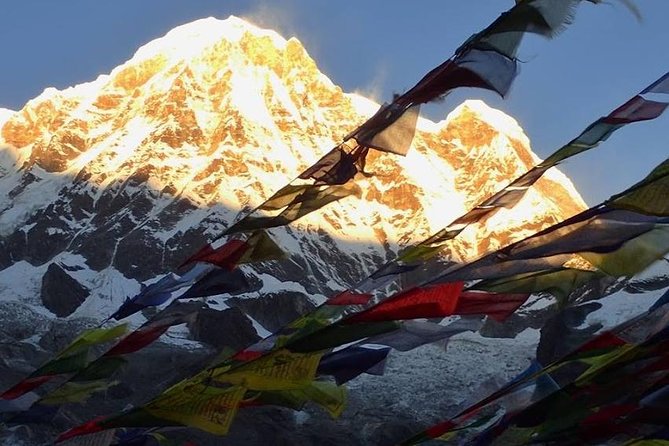
This trek hits the sweet spot between famous and genuinely scenic. You’ll move through forest, farmland, and stone villages before reaching the Annapurna Sanctuary—an area that feels like a natural bowl around the peaks. The big “wow” moment here is that you’re going all the way to base camp and spending time there, not just peeking from afar.
The other classic piece is Poon Hill. Even if you’ve seen photos, the view in person hits differently because you’re looking across several ranges at once. And because the sunrise detour happens on a schedule with a torch-lit approach, you’re not stuck waiting all day—you get a focused window, then you’re back to trekking.
You can also read our reviews of more tours and experiences in Kathmandu.
Price and Logistics: What You’re Paying For at $1,650
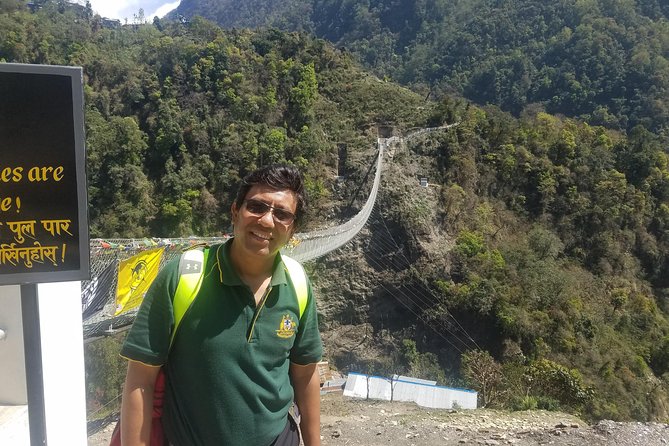
At $1,650 per person for about 14 days, the value comes from what’s packaged in. You’re not only buying a route map. You’re buying a full support system: professional guide, land transfers as laid out, Kathmandu and Pokhara lodging, and the trekking permits you need (TIMS and ACAP).
You also get a porter for every two people. In practice, that often means you can carry a lighter day pack, which helps a lot on steep days like Ulleri. If you’ve ever done a long trek where your shoulders start complaining early, you’ll understand why this matters.
What’s not included is important too. You’re responsible for sleeping bag and a down jacket, plus your own personal items (soft/hard drinks, tips, and other extras). Meals are partly included (breakfast 11 times, lunch 9 times, dinner 11 times), so you should expect some meals to be on your own during days where they’re not specified.
Kathmandu Heritage Day: Getting Your Bearings Before the Mountains
The trip starts in Kathmandu with airport pickup and a welcome dinner. That simple detail is more useful than it sounds. After a flight, you’re not hunting for transport or trying to decode city timing—you’re meeting your trekking crew and settling your gear.
You’ll also do sightseeing around Kathmandu Valley with four world heritage sites: Pashupatinath Temple, Kathmandu Durbar Square, Swayambhunath (Monkey Temple), and Bouddha Nath. This matters because trekking in Nepal is never only about the trail. You’ll feel the layers of culture before you ever head toward the mountains.
Pokhara Reset: Lakes, River Roads, and a Gentler Landing
Pokhara is where the trip shifts from city energy to mountain mode. You travel early from Kathmandu by bus along the Trisuli and Marshyangdi rivers, and that road day gives you your first strong sense of rural Nepal.
Once you arrive, you’ll check into a hotel and then do something practical and fun: boating on Fewa Lake and a bit of walking around Phewa Lake. This is a good mental transition. You’re not resting “because nothing is happening”—you’re resting after a long travel day, while still moving your body lightly and watching how life looks around the lake.
From Ulleri to Ghorepani: Steps, Forest, and First Big View Chances
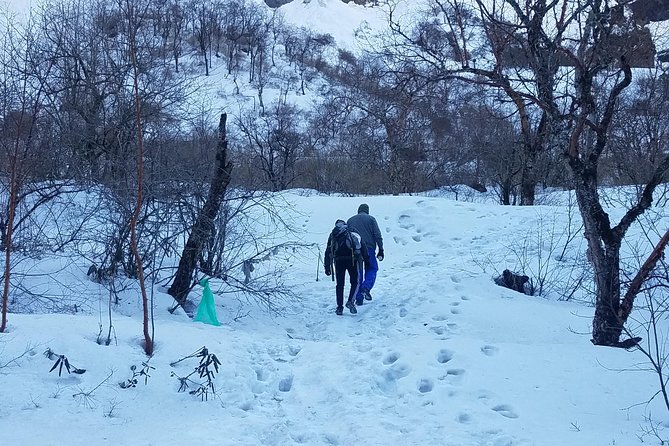
Day 4 is the trek’s first real test. After driving toward Nayapul, you start trekking past Birthanthi where permits are checked, then you move through forest scenery and waterfalls. The crossing of rivers like Modi Khola and Bhurungdi is part of the rhythm—short segments that keep you focused on the trail.
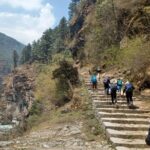
You’ll reach Thikhe Dhunga and Ulleri, and then climb almost 3000 steps. That’s not a “maybe you can do it” day. It’s a clear, physical start that sets expectations for the rest of the trek: you’ll hike step-by-step, and you’ll feel your legs work.
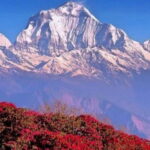
Day 5 brings dense rhododendron and oak forests, plus villages like Banthanti and Nangethani. Then you arrive in Ghorepani. The key payoff here is the ridge viewpoint for panoramic views of the Dhaulagiri and Annapurna ranges. Even if you’re tired, that ridge view is the kind of reward that makes the early climb feel worth it.
Poon Hill at 3210m: The Pre-Dawn Hike That’s Worth It
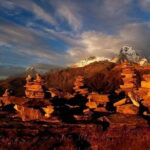
If there’s one day you should protect, it’s Poon Hill. You’ll get a wakeup call, then hike in the dark using torch light. The push takes about 45 minutes to reach Poon Hill, where you’re positioned for sunrise and panoramic range views.
After you watch the light hit the peaks, you head back for breakfast—then continue trekking onward to Tadapani via Deurali and Banthanti. Tadapani itself is a viewpoint stop, with close looks at Annapurna South, Hiun Chuli, and Fishtail. In plain terms: you’re doing a sunrise mission, then switching back to forward motion so you don’t lose the trekking momentum.
A practical note: this day often feels “fast” mentally because of the pre-dawn timing. Bring layers you can manage quickly in cold early hours, and keep your headlamp or torch plan simple.
Chhomrong and Ghandruk: Gurung Settlements and Real Mountain Living
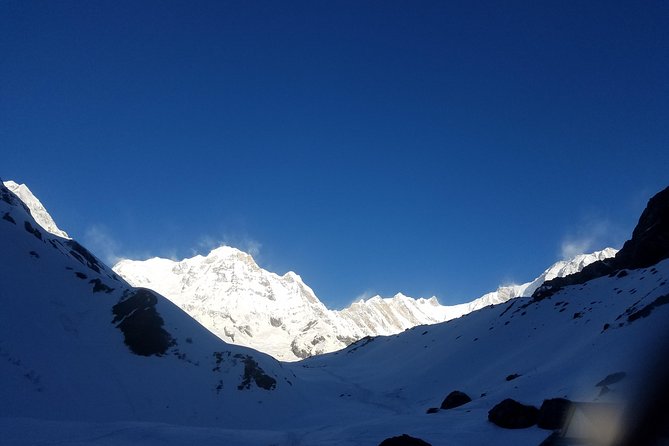
Day 7 shifts you from ridge and viewpoint mode to village rhythm. You go downhill for about two hours, cross a stream, and then gradually climb through the Gurung settlement area to reach Chhomrong. This is a bigger Gurung community, so it tends to feel like you’re entering a place with more structure and steadier trekking life.
Day 8 continues with a different kind of hiking. You move toward Ghandruk through bamboo and Dovan, and you spend a lot of time alongside the Modi river gorge. That means you hear water and wind more than you hear people. You may also spot wildlife like monkeys and Himalayan goats. If you like “eyes open” walking rather than only big-picture scenery, this is a good day.
Annapurna Base Camp Day: The Amphitheater Feeling and Glacier Views
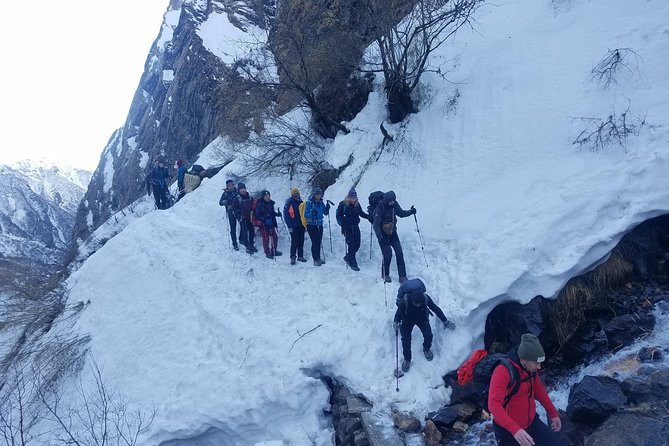
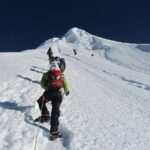
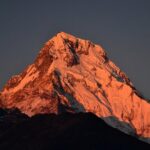
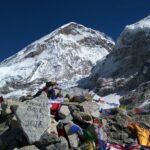
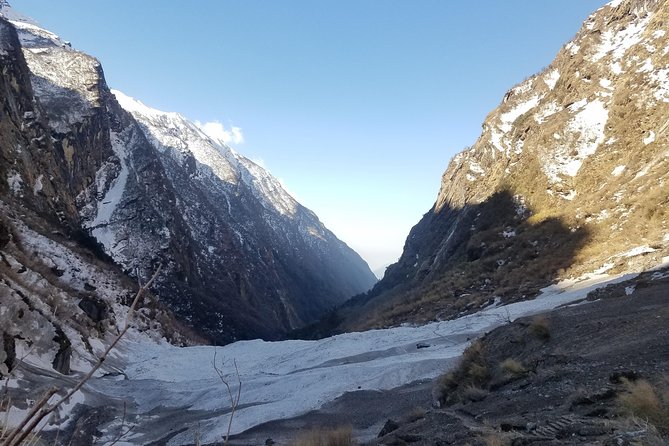
Day 9 is the day you came for. You trek toward Annapurna Base Camp, and the core experience is being surrounded by snow-capped peaks. In the afternoon, your guide takes you for a close view around Annapurna I and the glacier, where you can also look toward Annapurna South, Hiun Chuli, Fishtail, and Annapurna III.
This is where the Annapurna Sanctuary concept becomes more than a name. The terrain funnels views upward and around you, so the mountain presence feels bigger than the idea of “a peak in the distance.” If you like photography, this is also where you want to slow down. Don’t just stand and shoot. Step to different angles as the day light changes.
Early Sunrise and the Descent to Bamboo: When the Legs Still Matter
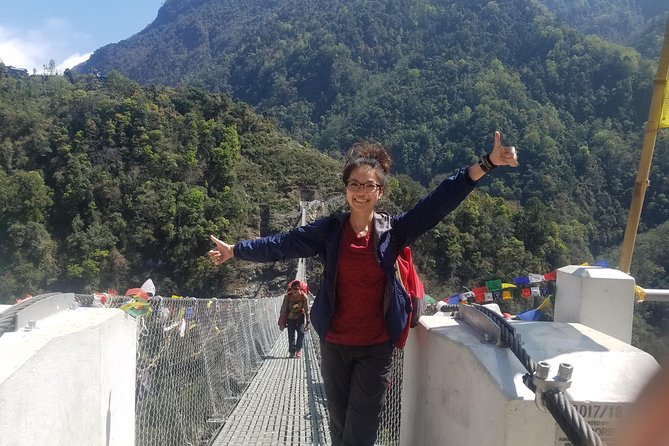
Day 10 starts with an early morning sunrise view. You’ll have time for photos while the sun hits the mountains, and then breakfast is ready. After that, you begin the long descent back toward Bamboo. The day includes losing about 2000 meters over roughly 6–7 hours, which is why you’ll want good trekking shoes and a strategy for knee comfort.
Day 11 adds another classic “in-between” stop. You climb about 30 minutes to Khuldighar, where there’s an experimental sheep farm, then you follow a gradual and mixed trail toward Sinuwa. After more trekking, you reach Chhomrong again, then face a very steep descent for about an hour down to Jhinu.
Jhinu Hot Springs and the Trail’s Final Reward
Day 11 ends with you dropping bags at Jhinu so you can go to the hot springs. This is the kind of payoff that makes a steep day feel human. It’s also a reminder that on treks like this, recovery is part of the itinerary, not a separate plan you have to invent.
Day 12 marks the trek’s official finish. You leave Jhinu, descend, cross the river, and follow the flatter route back toward Birethanti, then on to Nayapul. Your vehicle is waiting to take you back to Pokhara. After you check into your hotel, there’s a happy hour—small, but welcome after days of simple lodge life.
The Return to Kathmandu: Your Choice of Drive or a Quick Flight
Day 13 brings you back to Kathmandu. The plan offers two options: you can drive back, or you can take a 30-minute flight at an additional cost. That flexibility is useful if you want to save time for rest or last-day planning.
Day 14 is straightforward: transfer to Tribhuvan International Airport based on your departure schedule, and then it’s goodbye.
Guide Support and Group Style: Why the Team Makes a Difference
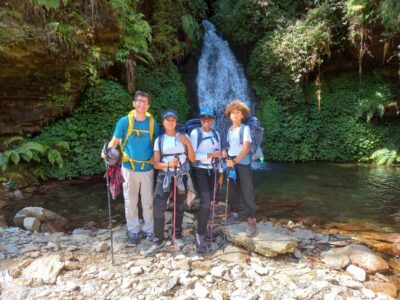
The most praised parts of this trek are the people around the trail. Names like Raj, Deepak, Mahila, and Ram come up because they keep coordination tight and the mood steady. That matters when weather shifts, when timing changes, or when you hit the inevitable moment where you feel slow.
This also isn’t a huge-crowd trek in the description. It’s private in the sense that only your group participates. That can make your experience feel more relaxed than a packed group situation where everyone’s pace and expectations compete.
What You’ll Need to Bring and Know About Fitness
The trip is described for moderate physical fitness. That’s realistic: Annapurna Base Camp isn’t a casual walk, but it also isn’t described as extreme mountaineering. Your days include climbs and descents, plus stairs—Ulleri starts you with a big step count, and later days include steep drops like the descent to Jhinu.
Gear items that are not included are also very important:
- sleeping bag
- down jacket
You should plan on bringing your own. If you forget these, cold nights and morning temperatures can turn uncomfortable fast. Also, pack for layering. You’ll be moving from sunny ridges to shaded valleys, and temperature swings can be significant even when the weather looks calm.
Weather, Visibility, and If Plans Need to Change
This experience depends on good weather. If conditions are poor, you may be offered a different date or a full refund. You should also expect that visibility can change day to day. On a trek, that doesn’t always mean disappointment. It can mean adjusting your expectations and trusting your guide’s judgment about timing.
One smart approach: keep your mind open for early starts and viewpoint timing. The itinerary already builds around sunrise and daylight windows, so if the sky won’t cooperate, you’ll feel the plan working harder for you.
Should You Book This Annapurna Base Camp Trek?
I’d book this if you want a classic route with strong support and real mountain access. The combination of base-camp time, Poon Hill sunrise, Gurung villages, and Pokhara downtime is a well-balanced mix of challenge and culture. And with a porter for every two trekkers plus a professional guide, you’ll spend more energy hiking and less energy managing the trip.
I’d think twice if you know you struggle with early mornings, steep descents, or long walking days. This trek is doable for moderate fitness, but it still asks for consistent effort. If that sounds like you, you’ll likely feel rewarded fast—especially on the sunrise and base-camp days.
If you’re ready to work your way up step-by-step and earn those wide-peak views, this is a solid way to do Annapurna Base Camp without turning your vacation into a constant scramble.
FAQ
How long is the Annapurna Base Camp trekking experience?
It’s listed as 14 days (approx.).
Where does the trek start and end?
The meeting point is Kathmandu Guest House, Saathgumti-16, Kathmandu 44600, Nepal, and the experience ends back at the meeting point.
Does the tour include Kathmandu sightseeing and Pokhara time?
Yes. You’ll have sightseeing in Kathmandu at four world heritage sites and then travel to Pokhara for hotel time, Fewa Lake boating, and walking around the lake area.
Are airport pickups and land transfers included?
Pickup is offered, and the package includes all land transfers as per the itinerary.
What trekking permits are included?
TIMS and the Annapurna Conservation Area Permit (ACAP) are included.
Are meals included during the trek?
Breakfast is included 11 times, lunch 9 times, and dinner 11 times. Meals not specified in the itinerary are not included.
Do I need to bring my own sleeping bag and down jacket?
Yes. A sleeping bag and down jacket are listed as not included.
Is travel insurance included?
No. Travel insurance is not included, and it’s described as a mandatory condition of booking.