REVIEW · BISHKEK
Horse Trek to Kel Suu Lake
Book on Viator →Operated by Visit Alay - Travel Company · Bookable on Viator
Kel-Suu Lake is the kind of goal you remember. This 6-day horse trek takes you into the Tian Shan mountains, with day rides over passes and time at remote camps where Kyrgyz hospitality feels personal, not staged. I love the way the trip mixes serious guiding and safety (professional horsemen, clear briefings, and strong organization) with the freedom of riding day after day. I also like that it’s not just scenic photo stops; you actually move through valleys, cross rivers, and hit altitude gradually. One thing to consider: you’re far from shops, and you’ll need to plan for basic comforts and bring what isn’t included.
A guide can make or break a trek like this, and here that role shows up clearly in the praise for Sanjar—people highlight his humor, knowledge, and how he keeps things running smoothly. The group size also matters. With a maximum of 8 travelers, the ride doesn’t feel crowded, and the pace is easier for your guide and horse team to manage. Still, the route requires moderate physical fitness, so if you hate climbing and saddle time, this may feel like more work than you want.
Timing and weather are part of the deal, too. The experience is weather-dependent, and poor conditions can mean a different date or a refund. When you go with the right expectations, you’re signing up for a genuine alpine adventure: horses, high passes, yurt living, and Kel-Suu’s unforgettable turquoise water.
In This Review
- Key things to know before you go
- Kel-Suu Lake: why this trek draws people in
- From Bishkek to Naryn: the road day that sets the mood
- Bosogo Pass and Kok-Kiya Valley: earning altitude before you ride far
- Day 3 horse time: 13 km that builds confidence
- Car Pass and the climb toward Kel-Suu: the high moment you plan for
- Reaching Kel-Suu itself on Day 5: a shorter ride with a big payoff
- Day 6 back to Bishkek: a long drive, but you arrive early
- Yurt camps and camp cooking: what’s provided versus what you bring
- Transport, group size, and meeting point: smooth starts matter
- Price and value: $1,400 is not just “a ride”
- Safety and pacing: how to judge if this fits your body
- Who should book this trek (and who might not)
- Should you book Horse Trek to Kel Suu Lake?
- FAQ
- How long is the Horse Trek to Kel Suu Lake?
- Where does the tour start and end?
- What’s included in the trip price?
- What should I bring since it’s not included?
- Is the trek affected by weather?
- How many people are in the group?
Key things to know before you go
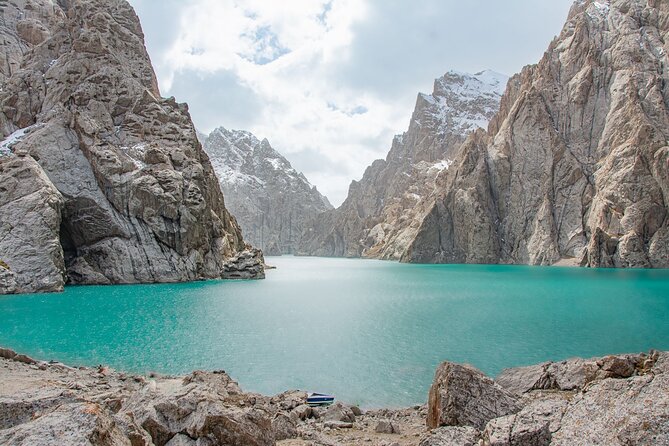
- Kel-Suu Lake is reached by riding, including a day that climbs toward Car Pass at 3,791 meters.
- Small group size (up to 8) means a more manageable pace and easier coordination for horsemen and guides.
- Camping gear is partly provided (tents, mats, cooking setup), but you’ll need your own sleeping bag and possibly a helmet.
- Border permit is included, which matters for remote regions and keeps paperwork off your plate.
- Sanjar gets consistent praise for organizing the days and making the experience feel safe and fun.
- Meals are included across multiple days, but not drinks like coffee, soda, or bottled water.
Kel-Suu Lake: why this trek draws people in
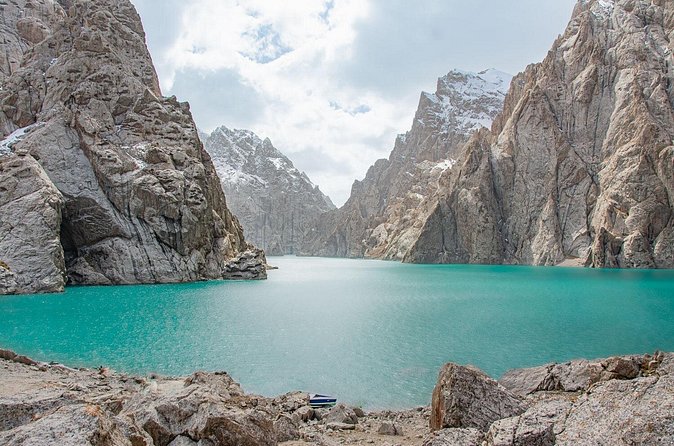
Kel-Suu Lake sits high in the Tian Shan, and the whole itinerary is built around reaching it by horse rather than just driving to a viewpoint. That changes how it feels. You don’t arrive like a tourist bus. You arrive like someone who has earned it—after switchbacks, river crossings, and hours in the saddle.
The payoff is exactly what you’d hope for in a high-alpine basin: wide mountain views from above, then the calm of Kel-Suu itself. The trip’s structure supports that arc. You start with driving and getting oriented, then you layer in riding days that steadily build altitude and stamina.
Another reason it works is the cultural rhythm. The trek style includes time in traditional yurt camps, where you’re not just sleeping in a tent. You’re living the everyday pattern of nomadic hospitality for a few days—meals, shared time, and the sense that you’re part of the camp routine rather than a passing interruption.
You can also read our reviews of more tours and experiences in Bishkek.
From Bishkek to Naryn: the road day that sets the mood
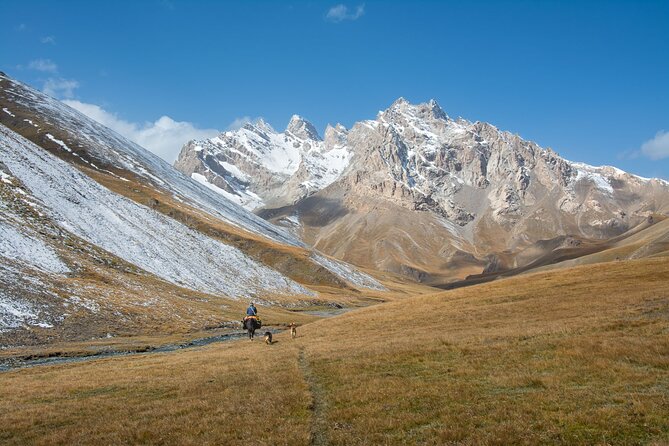
Day 1 is all about transition. You leave Bishkek after breakfast and start moving toward Naryn, covering about 315 km. It’s a long day, but it’s the kind of long you can tolerate because you’re watching the country open up around you.
You’ll likely stop along the way at Burana Tower (admission is listed as free). That’s useful even if you’re not a history buff, because it gives you a first anchor point: you’re traveling through Kyrgyzstan, not just going straight into the mountains. When you’re later living in yurt camps, it helps to have a sense of where the region’s stories and landscapes come from.
You also switch lodging on Day 1 to a homestay in Naryn. For many people, that’s a welcome reset. After a long drive, sleeping at a homestay can feel warmer and more “local” than settling into camp gear immediately.
Practical note: if you’re the type who gets carsick, consider planning ahead for the minibus ride. The trek includes vehicle time not just for sightseeing, but for getting the horses and teams positioned.
Bosogo Pass and Kok-Kiya Valley: earning altitude before you ride far
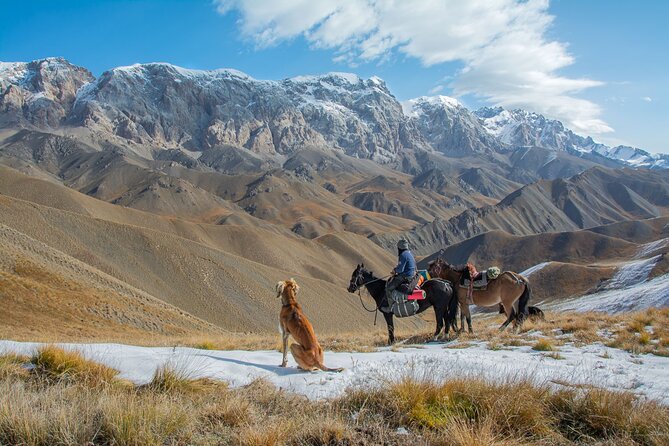
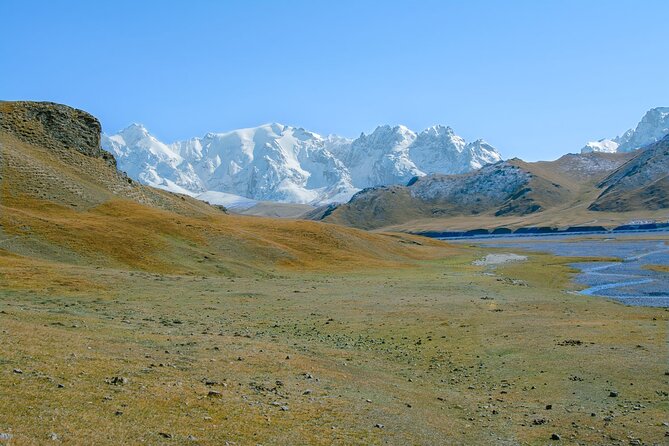
On Day 2 you shift from road travel to mountain approach. The driving distance is about 140 km, and the day includes a scenic climb over Bosogo Pass, with switchbacks and high valley views.
Then you land in Kok-Kiya Valley. This part matters because it’s not just scenery for scenery’s sake; it’s your first real taste of how the terrain changes as you go higher. You go from typical road travel into a world where ridgelines and valleys start to control your route.
Admission is listed as free for this day, and the overall feel is “position and prepare.” You’re not spending the whole day in a saddle yet, but you’re setting your body for what comes next: riding days with meaningful ascent and descent.
Day 3 horse time: 13 km that builds confidence
Day 3 is your first actual riding day. You meet your horse, get a short riding briefing, and then start along a trail that crosses rivers and winds through the valley.
The riding distance is about 13 km, with an ascent/descent of roughly 514 m up / 414 m down. That might sound technical on paper, but what it means in real life is this: you’ll feel altitude, you’ll feel the rhythm of the horse under you, and you’ll learn what “mountain trail riding” is like. It’s not a flat stroll.
This is also where good organization pays off. The trek includes horsemen and horses, and the strongest feedback highlights that you should feel safe and looked after. On a route like this, it’s not just about the guide being friendly; it’s about horse handling, trail awareness, and pacing.
If you’ve never ridden long enough to feel saddle soreness, Day 3 is a solid “start building the habit” day rather than jumping straight into the toughest stretch.
Car Pass and the climb toward Kel-Suu: the high moment you plan for
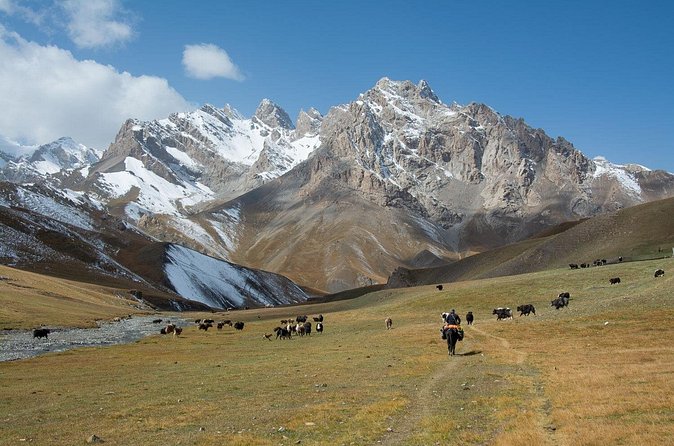
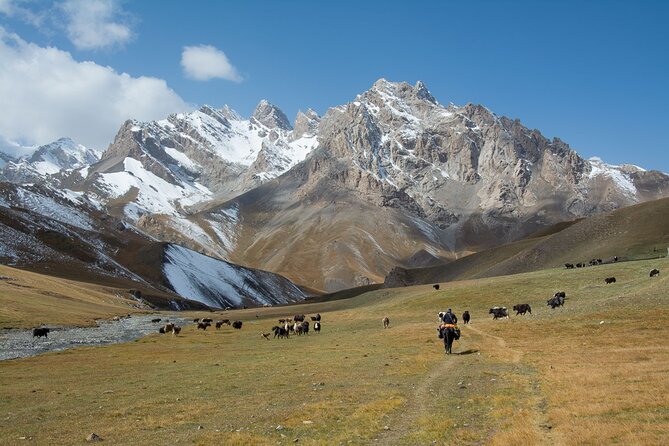
Day 4 is the big altitude day. You ride about 18 km, and the ascent/descent is listed around 470 m up / 488 m down. You also cross Car Pass, reaching 3,791 meters at the summit.
Even if you think you’re tough, altitude can sneak up on you. Car Pass is high enough that you should plan for slower pacing and careful breathing, especially if you’re sensitive to thinner air. The day is structured so you have a goal (the pass), then a reward: sweep views and the feeling of being deep in the mountains.
After the summit experience, you continue toward the Kel-Suu Lake area. The trek’s remote feel matters here. You’re not just doing a climb and returning. You’re pushing into the kind of terrain where your camp life and the rhythm of your guide’s schedule become part of the experience.
This is the day where I’d expect you to feel the most “I’m really here” moment—because the pass crossing forces your body to pay attention.
Reaching Kel-Suu itself on Day 5: a shorter ride with a big payoff
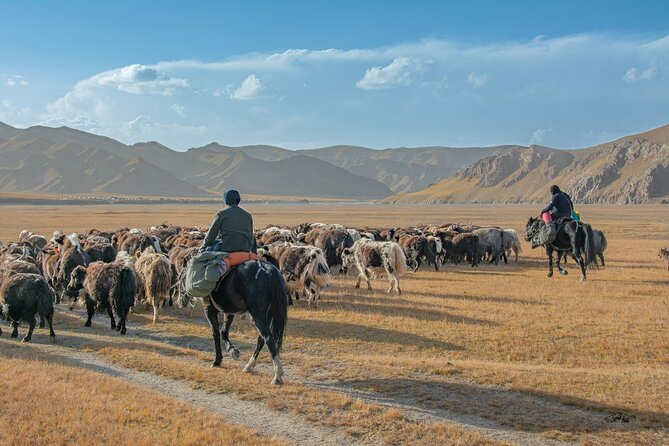
Day 5 focuses on the lake experience. After breakfast, you mount your horse for a ride of about 12 km, listed at roughly 3 hours by horse. The ascent/descent here is smaller—about 180 m up / 261 m down—which often makes it feel like a “reach the goal” day rather than a stamina test.
The itinerary also lists 140 km of driving on Day 5, so you can expect mixed travel: horse for the lake approach and then vehicle time afterward for repositioning. This is common on treks like this. Your horses and team handle the route sections they’re best suited for, while vehicles move you between wider segments of the journey.
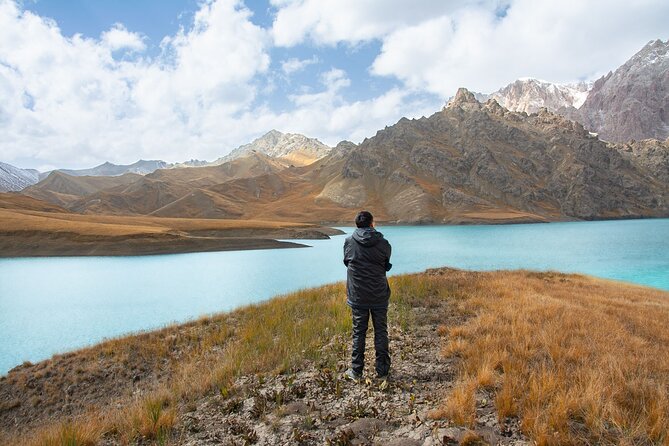
What you’re really there for is the Kel-Suu Lake sight itself: alpine water with dramatic surroundings, and that quiet feeling that comes from being at the end of a long route—no crowds, no constant traffic noise, just mountains and camp routine.
Day 6 back to Bishkek: a long drive, but you arrive early
Day 6 brings you back down to Bishkek. The driving distance is about 315 km, and the day takes around 5 hours. You’ll stop for scenic breaks and photos along the way, then arrive early afternoon.
That “early afternoon” detail is practical. It means you can still eat a real meal in Bishkek, shower properly, and reset your legs without losing the whole day to transportation.
The trek also lists the activity ending back at the meeting point, which keeps things straightforward if you plan your post-tour schedule.
Yurt camps and camp cooking: what’s provided versus what you bring
You’re staying in traditional yurt camps during the trek, plus a homestay in Naryn on Day 1. That combination gives you a nice variety of “sleeping styles” without turning the trip into constant hotel changes.
Included equipment is practical rather than fancy: tent, mats, gas, and a cooking dish. That’s a big deal on a remote route, because it means you’re not trying to source basic camp supplies on your own.
Meals are listed as included across multiple days: breakfast (5), lunch (5), dinner (5), plus meals of personnel. Still, remember what’s not included: bottled water, alcoholic drinks, coffee, and soda. If you’re the kind of person who needs coffee on schedule, plan for that cost or bring a workaround if permitted by the provider’s rules.
Two items to pay attention to:
- Sleeping bags aren’t included. If you run cold at night, don’t guess.
- Helmets aren’t included. You might decide you want one for comfort and safety, especially if you’re nervous around saddle transitions.
One more comfort note: yurt and tent nights mean you’ll want layers. Even without exact temperature details, high-mountain nights can be chilly, and your body will notice.
Transport, group size, and meeting point: smooth starts matter
The experience includes transport from/to Bishkek, plus a pickup option. The meeting point is 573 Frunze Street, Bishkek, and the tour is listed as running between 9:00 AM and 8:00 PM during the operating season shown.
There’s also a maximum of 8 travelers, which affects the whole vibe. Smaller groups usually mean fewer bottlenecks—especially when horses, gear, and guides have to coordinate in remote areas.
A nice touch is the mention of a mobile ticket, plus confirmation at booking time. That reduces stress before you even leave home, and on a trek, stress is basically a luxury you don’t need.
Price and value: $1,400 is not just “a ride”
At $1,400 per person for about 6 days, the price is clearly positioned as a premium guided trekking experience. You’re not paying for a cheap itinerary with minimal support. You’re paying for the parts that are expensive and difficult to arrange in remote mountains.
What’s included that drives real value:
- Horseman and horses
- Camping setup (tents and mats) and cooking gear
- Meals across the trek days (breakfast, lunch, dinner)
- Transport from Bishkek and back
- Border permit
What’s not included (so budget accordingly):
- Insurance
- Sleeping bag
- Helmets
- Bottled water, alcoholic drinks, coffee, soda
So the “value math” is this: you’re covering logistics you’d struggle to build yourself, and you’re also paying for guided riding across mountain terrain where safety and horse handling aren’t optional. If you want to do this route with local expertise, this is the kind of price you should expect.
If you’re price-sensitive, you could try to find cheaper adventure travel options in other regions. But if what you want is specifically horseback access to Kel-Suu Lake with a structured 6-day plan, this price looks more like paying for execution than paying for scenery alone.
Safety and pacing: how to judge if this fits your body
This tour asks for moderate physical fitness. That’s the right kind of wording for a horse trek: you’re not necessarily doing long hikes every day, but you are riding. You’ll deal with ascent and descent, saddle time, and mountain conditions.
Based on the consistent praise in the trip’s feedback, safety isn’t left to chance. People highlight that they felt safe thanks to the professional driver, horsemen, and guide. The guide Sanjar is singled out for making things feel well taken care of, while also mixing adventure with humor—so the day doesn’t become pure grit.
Here’s how to judge whether you’ll be comfortable:
- If you can handle 3–6 hours of day travel (car plus horse) and you don’t mind altitude, you’ll likely be happy.
- If you struggle with basic outdoor discomfort or hate the idea of cold nights without a sleeping bag, you’ll need to adjust your packing and expectations.
- If you’re worried about coordination, remember the guide provides a riding briefing, and the group stays small.
Also, the trek requires good weather. If weather shifts, the provider may offer a different date or a full refund—so don’t plan your trip like this is the one day you can never move.
Who should book this trek (and who might not)
This is best for you if you want:
- Real horse trek time rather than a short ride for photos
- A small-group, guided experience with camp support
- Cultural contact through yurt-camp living and Kyrgyz hospitality
- A route built around reaching Kel-Suu Lake by a mountain approach
It might not be best if:
- You hate being off-grid and don’t want to manage your own hot-drink and water needs
- You don’t have at least moderate fitness for ascent/descent riding days
- You’re extremely sensitive to cold at night and don’t plan properly (since sleeping bags aren’t included)
Should you book Horse Trek to Kel Suu Lake?
Book it if you’re craving a Central Asia-style trek where the goal is reached by moving through the country, not just driving to it. I like how this one mixes real riding days (including Car Pass at 3,791 meters) with structured camp life and included meals. The small group limit and the repeated praise for guide Sanjar and the teamwork around the horses make it feel like a trip designed for safety and smooth days.
Don’t book it if you want a purely comfortable vacation. This is a mountain horse trek with basic lodging, cold-night possibilities, and some things you must bring or pay for (sleeping bag, drinks like coffee and bottled water, and insurance).
If you’re the type who gets excited by the idea of high passes, yurt camps, and feeling properly “away from everything,” this trek is one of the most logical ways to do that in the Bishkek-to-Kyrgyz-mountains world.
FAQ
How long is the Horse Trek to Kel Suu Lake?
It’s listed as 6 days (approximately).
Where does the tour start and end?
The tour starts at 573 Frunze Street, Bishkek, Kyrgyzstan and ends back at the meeting point.
What’s included in the trip price?
Included items are transport to/from Bishkek, horseman and horses, tent and mats (plus gas and a cooking dish), border permit, and meals for the group (breakfast and lunch and dinner across the trek days).
What should I bring since it’s not included?
The tour doesn’t include sleeping bags or helmets, and it also doesn’t include insurance. You’ll also need to budget for bottled water, alcoholic drinks, coffee, and soda.
Is the trek affected by weather?
Yes. The experience requires good weather. If it’s canceled due to poor weather, you’ll be offered a different date or a full refund.
How many people are in the group?
The tour has a maximum group size of 8 travelers.