REVIEW · CUSCO
Small Group: 4-Day Inca Trail Trek to Machu Picchu
Book on Viator →Operated by Inkayni Peru Tours · Bookable on Viator
The Inca Trail feels like a moving museum in your boots. I love that this is a small-group trek with a licensed guide and team, so the day feels paced for people instead of rushed for photos. I also love the payoff: an early push to Sun Gate for your first Machu Picchu view. One consideration: this is still a real high-altitude hike, with big passes and steep climbs, so you need to train and take acclimatizing seriously.
What makes this one interesting is the “whole trip” setup. You get round-trip transport from central Cusco, camp comforts (mattress, tents, hot water each morning), and your meals are handled by the chef and crew, so you can focus on the trail and the ruins instead of logistics. And yes, the group size stays tight, maxing out at 12 and practically feeling even smaller on the path.
In This Review
- Key highlights worth planning around
- Small-group Inca Trail: the comfort-to-adventure balance
- Cusco to Km 82: how the day starts before the hiking even begins
- Day 1: Wilka Rakay viewpoints and camp at Wayllabamba
- Day 2: Dead Woman’s Pass, cloud forest, and Pacaymayo relief
- Day 3: Runkurakay, Sayacmarca ruins, and the approach to Wiñayhuayna
- Day 4: Sun Gate, Inti Punku, and the Machu Picchu terraces you came for
- What the included camp comfort really means in practice
- Gear, altitude, and weather: what you should plan for before Day 1
- Price and what you actually get for $850
- Small-group style: how the max-12 cap changes your day
- A few important limits and realities to plan around
- Is this the right fit for you?
- Should you book: my take on who gets the best outcome
- FAQ
- When does the trek start each day?
- What’s included in the $850 price?
- Do I need to bring water?
- Is a sleeping bag included?
- Can I add Huayna Picchu or Machu Picchu Mountain?
- How many people are in the group?
- Who should avoid this trek?
Key highlights worth planning around
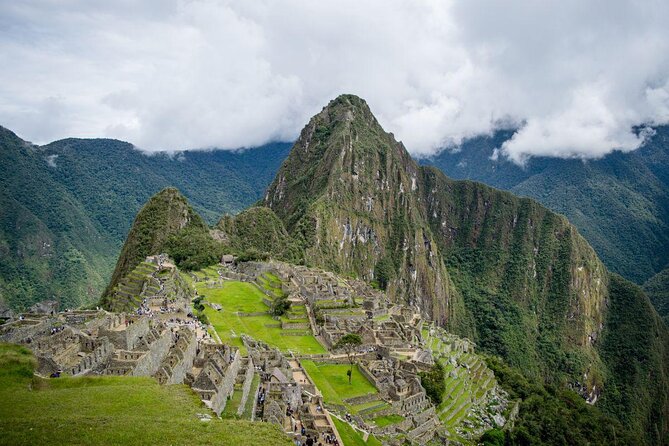
- Small group pace: capped at a maximum of 12, with a team built for smooth camp operations
- High pass challenge: you cross Abra de Warmihuañusca (Dead Woman’s Pass) at 4,215 m
- Cloud forest days: greener, cooler hiking with a big change from sunny ridges
- Machu Picchu arrival timing: final day routing through Inti Punku and often Sun Gate sunrise views
- Real camp comfort: inflatable sleeping mattress, hot water each morning, and very spacious tent setups
- Included logistics: bus to Km 82, plus train and van back to Cusco after the trek
Small-group Inca Trail: the comfort-to-adventure balance
You’re paying for more than the “permit and a guide.” For $850, the real value is that most of the hard-to-coordinate parts are packaged: pickups from your hotel, transport to the trail start (Km 82), camp setup, and the return train/bus/van rhythm back to Cusco. That matters because the Inca Trail isn’t the place you want to be hunting for tickets, figuring out meeting points, or juggling what happens after you reach Aguas Calientes.
This is also one of the rare ways to experience the trail without feeling like you’re in a marching crowd. The big-picture reality is that Peru caps daily entry to the trail system (only a set number of people per morning, including staff), so you will still see other hikers. But keeping the trekking group small changes the vibe: you’re not constantly trying to squeeze between larger lines, and your guide can stop more often for explanations, viewpoints, and rest breaks.
You can also read our reviews of more tours and experiences in Cusco.
Cusco to Km 82: how the day starts before the hiking even begins
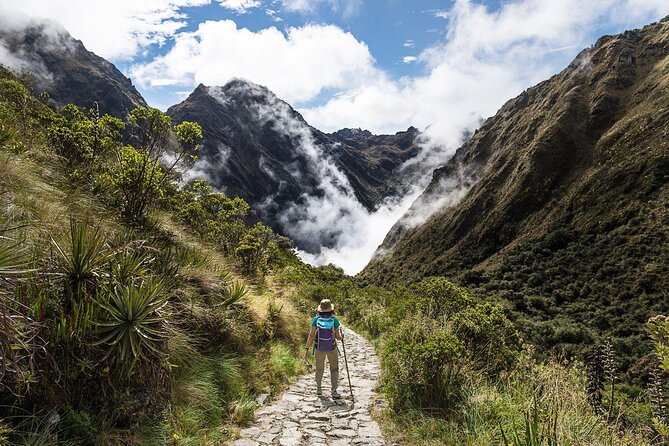
Your morning begins early, with pickup from your Cusco hotel and a private bus transfer through the Sacred Valley route areas like Chinchero, Urubamba, and Ollantaytambo. It’s about 2.5 hours of scenic riding, and you’ll arrive at Km 82, the official trail starting point.
This matters for two reasons. First, you get a smoother start than if you’re scrambling on your own. Second, it’s a chance to mentally switch from city pace to highland pace. By the time you’re heading uphill, your body is already warmed up by the drive and your mind is already into the plan.
Tip: if you’re sensitive to altitude, I’d treat that first day ascent seriously. Even before the big passes, you’re moving upward quickly enough that “feels fine” can turn into “why is my breathing different” before you know it.
Day 1: Wilka Rakay viewpoints and camp at Wayllabamba
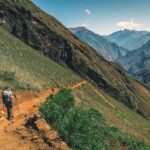
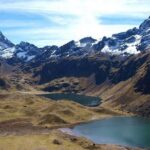
Day 1 is your on-ramp: you start hiking after reaching Km 82, and you begin with an ascent to Wilka Rakay. The payoff is the view—Patallacta in the distance and the Kusichaca Valley under you. Then the trail continues through Andean scenery with Inca ruins you pass along the way, plus vegetation that makes the air feel different as you gain elevation.
By late afternoon you reach Wayllabamba (3,000 m) where camp is set. This is a real moment to appreciate how the trip is managed for you. A chef and porters handle the camp operation, you settle into a tent that’s described as comfortable and roomy (a 4-person tent is used by two people), and the team is preparing dinner while you decompress.
What to expect:
- hiking around 5 hours
- a mix of climbing and “look around” moments
- a camp night that’s rustic, but not chaotic
If you’re nervous about night comfort, focus on what’s included: an inflatable sleeping mattress, inflatable pillows you carry yourself, and hot water each morning (so at least you’re not hiking with the misery of a cold wake-up). One more detail that helps: they bring oxygen bottles for support.
Day 2: Dead Woman’s Pass, cloud forest, and Pacaymayo relief
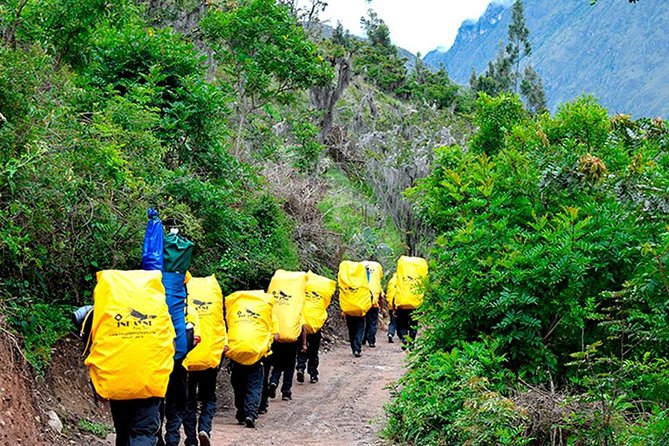
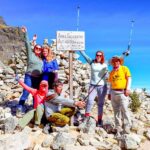
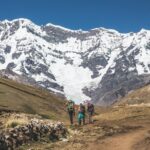
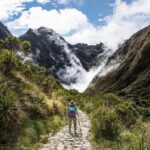
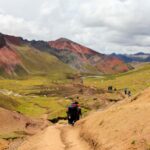
Day 2 is the day most people remember because it has the biggest high point on the itinerary: Abra de Warmihuañusca, Dead Woman’s Pass at 4,215 m. The route starts with a hearty breakfast, then a hike of about one hour up to Tres Piedras (The Three Stones). From there, you enter cloud forest conditions—cooler air, more shade, and greenery that changes how your body feels as you climb.
The ascent to the pass is the hard part, but it’s hard in a specific way: not just “steep,” but also thin-air effort. Once you cross the broad high grasslands, the views make it feel like a reward you earned, not a souvenir you were handed.
Then the descent hits. You go steeply down toward Pacaymayo (3,600 m) for camp. After a day like this, you don’t want comfort to be an afterthought, and this trip doesn’t treat it like one: you’re still camping, but you’re camping with a set routine—dinner, rest, and the same team handling gear logistics.
Reality check:
- Day 2 runs about 7 hours.
- It’s a long day with a major altitude moment.
- Expect weather shifts. I’ve seen this described as everything from heavy rain to hail and harsh sun in different stretches.
Day 3: Runkurakay, Sayacmarca ruins, and the approach to Wiñayhuayna
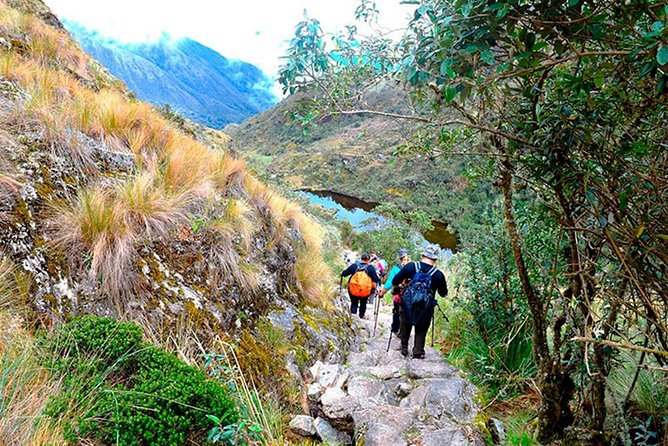
Day 3 starts with a couple of shorter climbs: a 45-minute ascent to Runkurakay, an ancient Inca resting site once used by travelers. Then there’s another 45-minute climb to Runkurakay Pass at 4,000 m, the trek’s second highest point.
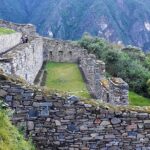
From the pass, you descend to Sayacmarca ruins, built on a steep mountainside. This is one of the “why the Incas were so good at using the mountain” moments. The stones make sense when you realize they weren’t just building for flat ground—they were building for survival and control of their terrain.
Your lunch comes at Chaquicocha, and after that the trail enters a high Andean cloud forest section. The vibe shifts again: narrower ridges, lush vegetation, and a different kind of effort than the open grassland hiking. You follow that ridge toward Phuyupatamarca Pass, where you can look out toward the Sacred Valley, towering peaks, and—if conditions cooperate—Machu Picchu itself in the distance.
Then you descend through ceremonial sites and agricultural terraces, arriving at Wiñayhuayna as your final campsite before the big reveal. Wiñayhuayna sits right before the final arrival rhythm, and it feels like the “last night before the main event” energy, just with fewer distractions and more mountain quiet.
Expect:
- about 8 hours hiking
- a lot of ruins and interpretive stops
- more frequent “stop, breathe, look” moments because the route keeps giving you reasons
Day 4: Sun Gate, Inti Punku, and the Machu Picchu terraces you came for
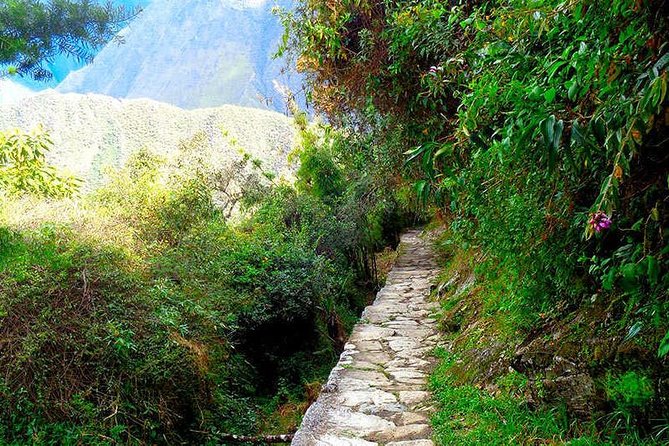
Day 4 is early. You rise to finish the final stretch of the Inca Trail and head toward Inti Punku (Sun Gate). This section is described as easier than the prior days, and the time on your feet feels shorter because the goal is so clear.
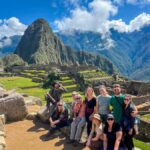
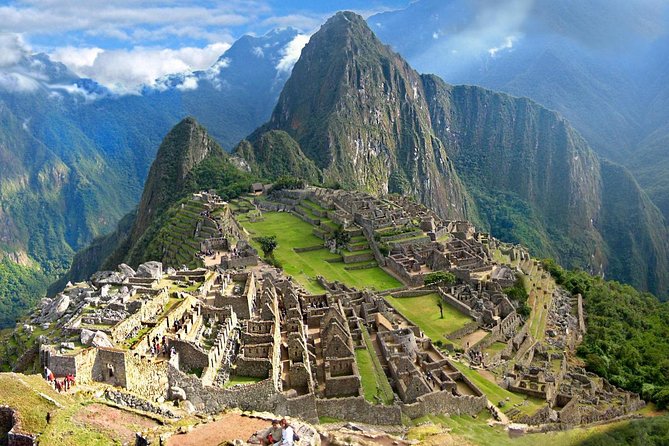
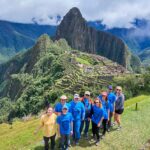
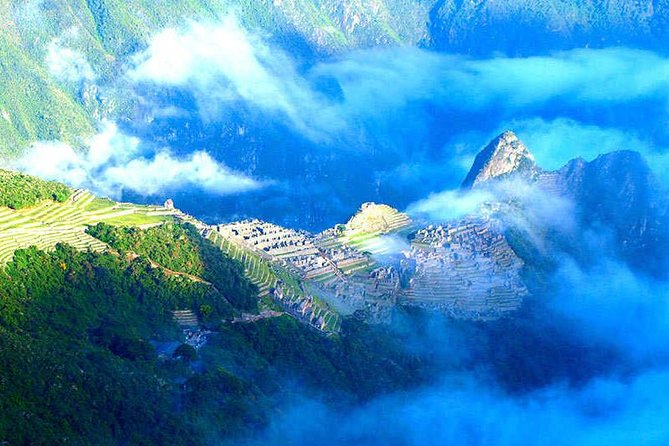
After about one hour you reach Inti Punku. If weather cooperates, you can catch sunrise over the Andes and your first dramatic view of Machu Picchu. Even if clouds roll in, you still get that moment of realization: you’re not just visiting a famous site—you’re arriving at it the way the trail is designed to lead you.
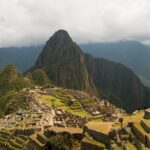
From there you descend about 45 minutes to the upper terraces, which are typically the best spot for classic Machu Picchu photos. If you want the guided inside-citadel experience, your guide leads a detailed tour of temples, ceremonial sites, terraces, and storage structures. That optional inside tour is built around what you can see with the guide’s explanation, not just your own wandering.
Two optional add-ons are common here:
- Huayna Picchu, for an even higher viewpoint (extra cost and you need the ticket)
- Machu Picchu Mountain, another panoramic hike option (also requires the right ticket setup)
After you wrap up, you return to Aguas Calientes for lunch and a break, then board your train back toward Ollantaytambo. A private van takes you back to Cusco. The cool part is that you’re not dragging your luggage through chaos after the trek; the transport plan is integrated so you can simply move forward.
What the included camp comfort really means in practice
On paper, camping gear can sound like a checklist. On the trail, it’s about reducing the friction that drains your energy.
Here’s what helps most:
- Inflatable sleeping mattress: your sleep quality affects your next day more than you’d think
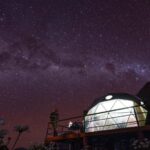
- Spacious tent setup: a 4-person tent used by two people gives you room to manage boots, bags, and layers
- Hot water every morning: even a small routine makes mornings less miserable
- Dining tent with tables and chairs: you eat like a human, not perched on a rock
- First aid kit + oxygen bottle: not a cure, but comforting when altitude feels sketchy
The tour also includes water, with the note that you’ll need to bring your own for the first 4 hours of the trek. I’d treat that as a must-plan item, not a “maybe.” It’s also why packing smart matters more than packing heavy.
Gear, altitude, and weather: what you should plan for before Day 1
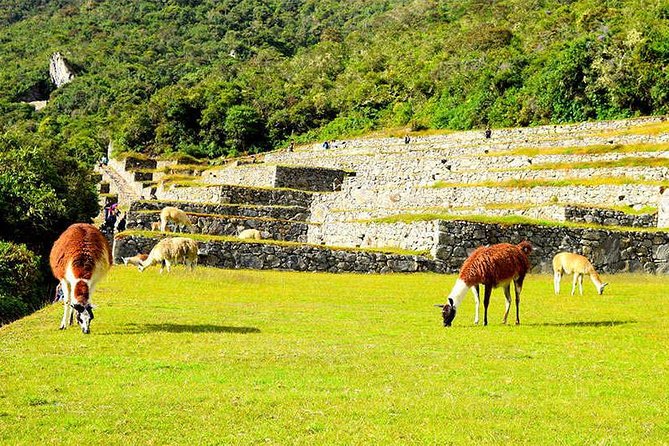
The trek climbs to over 4,000 m on the main passes. That means altitude can hit even if you’re fit. The way to handle it is boring but effective: go steady, hydrate, and don’t sprint up hills just because you feel good for the first 10 minutes.
Your packing list should include:
- walking boots
- waterproof jacket or rain poncho
- warm jacket, hat, gloves
- sunscreen (factor 35 or higher)
- insect repellent
- torch with spare batteries
- personal medication and basic toiletries/hand sanitizer
- a sleeping bag rental if you don’t already have one (this isn’t included)
Weather is also unpredictable. I’ve seen this trip described as swinging between torrential rain, hail, cold, and blazing sun. That’s why layers and waterproof protection are not optional.
Also, the trip starts with a 5:00 am start time. If you’re planning on acclimatization in Cusco, do it before the trek, not on the bus ride.
Price and what you actually get for $850
$850 can sound either high or fair, depending on how you compare it. Here’s how I’d judge it: if you try to DIY the Inca Trail, you pay for permits, arrange transport to the official trail start (Km 82), solve camp logistics, hire a guide, then handle the return train and onward transfer from Aguas Calientes to Cusco. This package bundles a lot of that into one price.
What’s included is meaningful, not just marketing:
- professional English-speaking guide
- chef and camping support staff
- porters for cooking and camping equipment
- a personal porter carrying up to 5 kg of your gear
- bus to Km 82 and return train plus bus/van back to Cusco
- most meals across the hike days (dinners, lunches, breakfasts as specified)
- camp setup equipment (mattress, tents, hot water, dining tent, oxygen bottle)
What you should budget separately:
- sleeping bag rental
- breakfast on Day 1 and meals not listed as included for Day 4
- Huayna Picchu entrance ticket (extra cost)
- travel insurance, strongly recommended
For me, the “you pay for less stress” value is the point here. You’re still doing the hard trek. You’re just not fighting the system.
Small-group style: how the max-12 cap changes your day
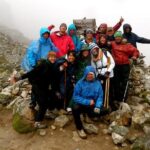
Small-group means you can actually hear your guide when you’re standing still at ruins or a viewpoint. It also means the rhythm of the day can shift based on weather and altitude. A guide can adjust pacing so everyone stays safe without turning the day into a stop-and-go sprint for the group’s slowest member.
In reviews, guide names like Papa Freddy, Freddy, Herlin, Paul, Yo-yo, Ronald, Edwin, and others come up often. That pattern tells me the operator tends to build around repeatable guide quality and team support, not random staffing.
It also helps that the camp crew includes Chasquis (a traditional term for couriers) and that porters are described as strong and helpful. When the gear moves smoothly, you feel lighter even before you start hiking.
A few important limits and realities to plan around
The Inca Trail is regulated. Since the year 2000, daily entry limits keep things from turning into a theme park. The cap described is 500 people permitted each morning, and that total includes hikers, guides, porters, and cooks. So yes, you’ll share the route with others, just not with the kind of uncontrolled crowding you see on other popular treks.
Other practical notes you shouldn’t ignore:
- minimum age is 6
- the hike isn’t recommended if you have back problems, heart disease, or other serious medical conditions
- you’ll need a valid passport on the day of travel
- you’ll want to pre-book the Inca Trail at least 5 months ahead because permits sell out
- if you want discounted pricing as a student, an ISIC card is mentioned as relevant
Also, you start early and finish with train logistics. That’s normal for this route, but it means you should keep your flight timing flexible for Peru.
Is this the right fit for you?
Choose this trek if you want:
- a guided Inca Trail with camp setup handled for you
- a small-group experience that feels more personal than big coach tours
- Machu Picchu first thing on arrival day through Sun Gate timing
- included transportation so you’re not moving your own luggage around half a dozen checkpoints
Consider it carefully if you:
- need a lower-altitude itinerary or have medical restrictions related to high elevation
- dislike waking up early (the start time is 5:00 am)
- want to travel super light, with no porters (you do get a 5 kg personal porter for your gear, but you still need to carry some items)
If you want Huayna Picchu or Machu Picchu Mountain, plan for extra ticketing costs and the fact that you need the right pre-booking setup.
Should you book: my take on who gets the best outcome
If your goal is the complete “trail to Machu Picchu” story with fewer logistics headaches, this is the kind of package that usually works well. The included camp comforts, hot water routine, and trained team support mean you can spend your energy on the hiking and the ruins instead of problem-solving every day.
Book it if you match the basics: you’re reasonably fit, comfortable with steep climbs and high passes, and you’re ready for mixed weather. Also, book early because permits can sell out fast.
Skip it or choose something gentler if altitude is a hard no, or if you’re not prepared for long hiking days with big elevation gains. You want this trek to feel like a challenge you chose, not a stress you didn’t plan for.
If you’re set on doing the classic Inca Trail route, this one gives you a clean, organized path from Cusco to Sun Gate and back to the comfort of Cusco again.
FAQ
When does the trek start each day?
The start time listed is 5:00 am, so expect an early morning beginning for the scheduled activities.
What’s included in the $850 price?
The tour includes a professional English-speaking guide, chef, porters for cooking and camping equipment, a personal porter carrying up to 5 kg of your gear, hotel pickup, bus transport to Km 82, return transport by train and van/bus to Cusco, camp items like dining tent setup, inflatable sleeping mattress, oxygen bottle, hot water every morning, first aid kit, and meals across the trek days as specified.
Do I need to bring water?
Yes. The info says you’ll need to bring your own water for the first 4 hours of the trek; after that, water is included.
Is a sleeping bag included?
No. A sleeping bag is not included, but it can be rented from a local tour operator.
Can I add Huayna Picchu or Machu Picchu Mountain?
Huayna Picchu is not included, and Machu Picchu Mountain can be booked if pre-booked. Both require the right ticket setup and extra cost for entrance.
How many people are in the group?
The tour lists a maximum of 10 travelers, and also notes the small group limit is maximum 12 people.
Who should avoid this trek?
It is not recommended for participants with back problems, heart disease, or other serious medical conditions. The minimum age is 6.