REVIEW · CUSCO
Cusco: 4-Day Salkantay Trek to Machu Picchu, Panoramic Train
Book on GetYourGuide →Operated by TreXperience · Bookable on GetYourGuide
The Salkantay route hits hard, then rewards. I like the way this trip pairs a serious mountain challenge with real comfort at night, and I also love the “Peru with flavor” stops like Pachamanca and making your own coffee espresso. One thing to think about: the trek is high-altitude and long on foot, and your sleep setup changes each night, so you’ll want to go in with flexible expectations.
Small-group size matters here, too. With a limit of 16 people, you get more guidance on pacing and less chaos around meals and gear. I’d also flag that one night in the Andean huts is the most variable part of the comfort picture, so if warm showers are a must, plan accordingly.
In This Review
- Key things I’d bookmark before you go
- Why the Salkantay trek still feels real compared to the shortcuts
- Day 1: Cusco pickup, Humantay Lake turquoise, and Salkaglamp basecamp nights
- Day 2: Coffee at camp, the 2-hour push to Salkantay Pass, then cloud forest magic
- Day 3: Lucmabamba Pachamanca, a real coffee routine, then Hidroeléctrica to Aguas Calientes
- Day 4: Sunrise at Machu Picchu, guided circuit time, then Vistadome or 360° train back
- What comfort really looks like on this trek: glamping, huts, and a 3-star bed
- Meals and culture: Pachamanca plus coffee that goes beyond a label
- Price and value: what $552 buys you (and what you might pay extra)
- Safety, pace, and who this trek fits best
- Should you book this Salkantay trek to Machu Picchu?
- FAQ
- What time is the pickup in Cusco?
- What’s the biggest altitude challenge on the trek?
- How big is the group and what languages are offered?
- Is Machu Picchu ticket access included, and what circuit do I get?
- What meals are included during the trek?
- What should I bring, and what’s not allowed?
Key things I’d bookmark before you go
- Salkantay Pass (4,630 m / 15,190 ft): the big summit moment, with planned rest and downhill focus afterward
- Humantay Lake plus cloud forest: turquoise water on day one, then flowers and hummingbirds as the air softens
- Comfort upgrades that don’t feel fake: glamping tents on day one, Andean huts on day two, and a 3-star hotel in Aguas Calientes
- Pachamanca barbecue at Lucmabamba: underground cooking with slow-cooked meats and vegetables
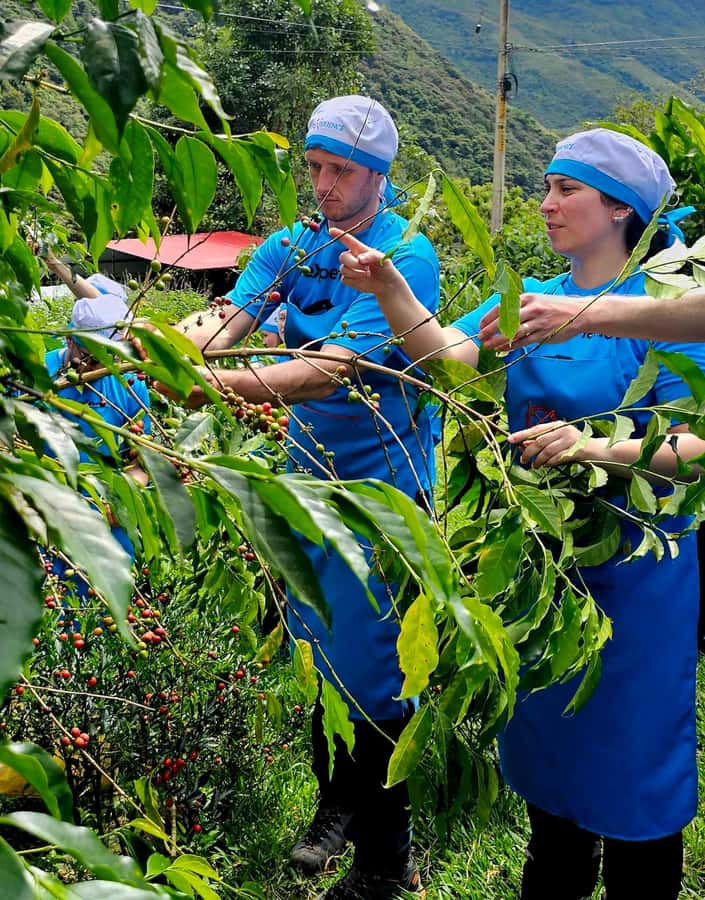
- Coffee farm hands-on time: bean-to-cup process and you brew a freshly made espresso
- Machu Picchu sunrise and guided circuit: early bus, guided time inside the citadel, then a panoramic train back
Why the Salkantay trek still feels real compared to the shortcuts
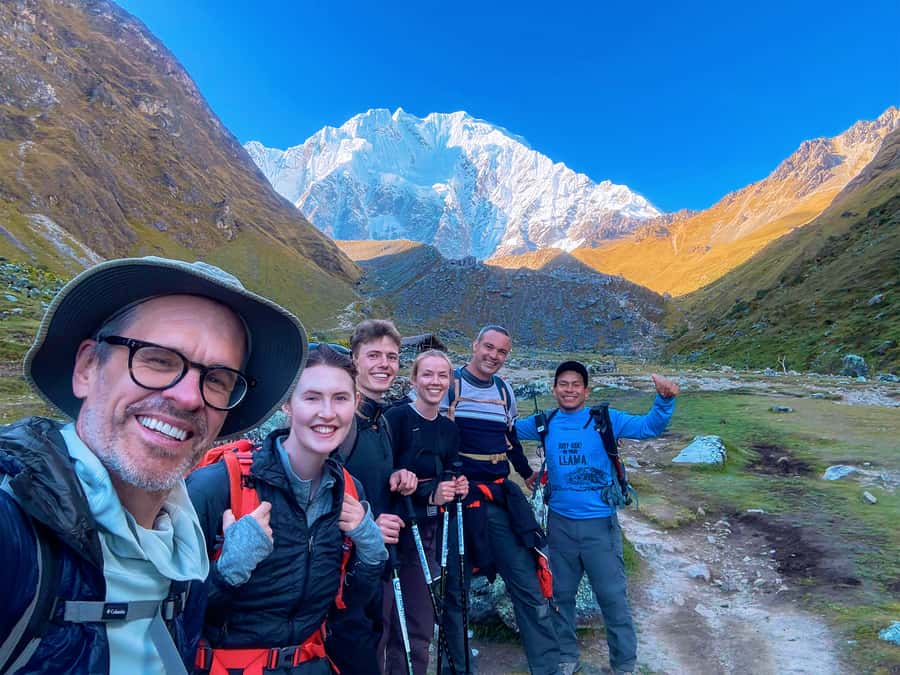
Salkantay is for people who want Machu Picchu, but also want the climb that gets you there. You trade crowds and convenience for altitude, dramatic views, and that slow shift from Andean highlands to cloud forest. It’s a route that makes the final awe at Machu Picchu feel earned, not purchased.
This particular 4-day setup balances effort with structure. You get a planned pickup in Cusco at 4:30 a.m., transport that carries you between key points, and meals that keep showing up on schedule. And you’re not living out of a tent the whole time: glamping on day one and a proper hotel bed on day three changes how you recover.
The best part for many people is that the trek isn’t only about “walking uphill.” You also get cultural food experiences (Pachamanca and coffee) and a guided Machu Picchu visit with the right timing for sunrise.
You can also read our reviews of more tours and experiences in Cusco.
Day 1: Cusco pickup, Humantay Lake turquoise, and Salkaglamp basecamp nights
Your day starts early: pickup around 4:30 a.m. from your hotel in Cusco’s historic center. After that, you’ll drive through Andean valleys and stop at Mollepata for breakfast, then continue toward the trail start area at Challacancha. This early schedule matters because it gives you daylight for the hardest leg of the first trekking section, and it protects you from spending the afternoon fogged in.
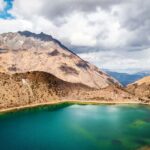
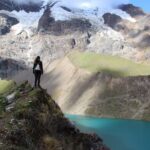
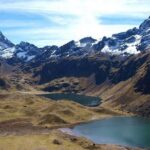
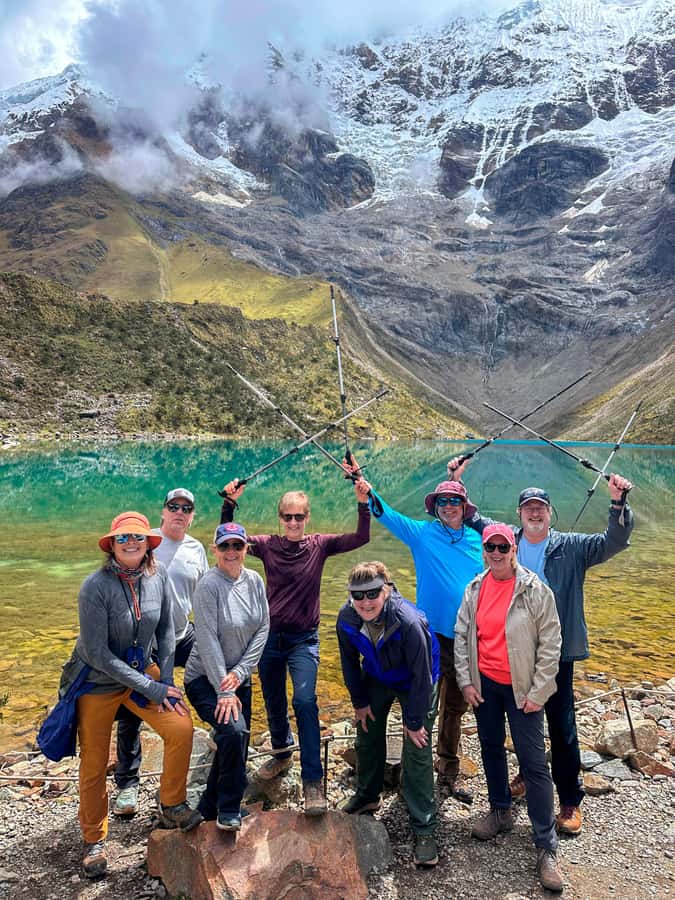
Then comes the payoff: the walk to Humantay Lake. The famous part is the turquoise water, but the real magic is how the mountains frame it. The higher you go, the more the views expand, and you’ll feel that classic Andean rhythm: steady steps, short pauses, and constant camera-ready angles.
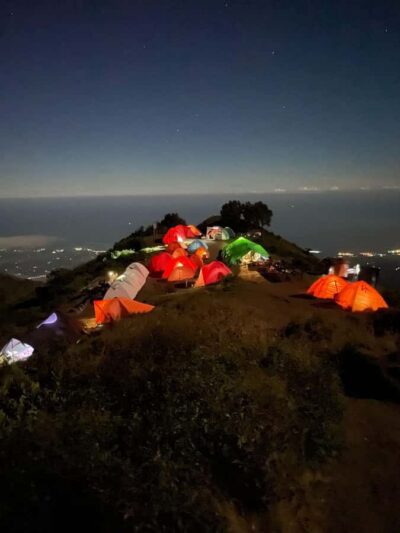
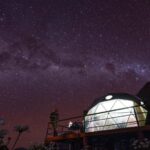
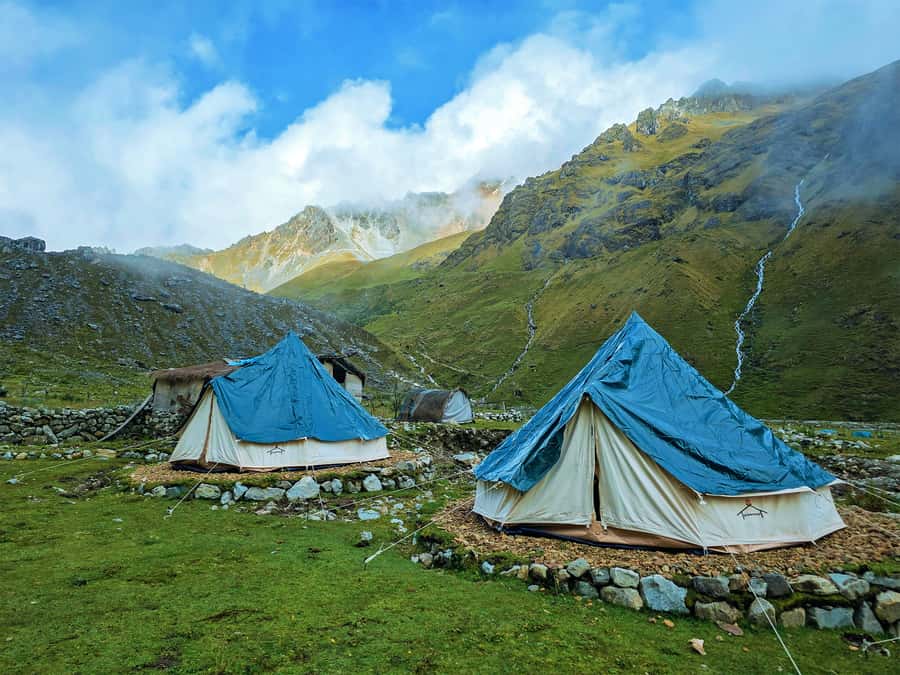
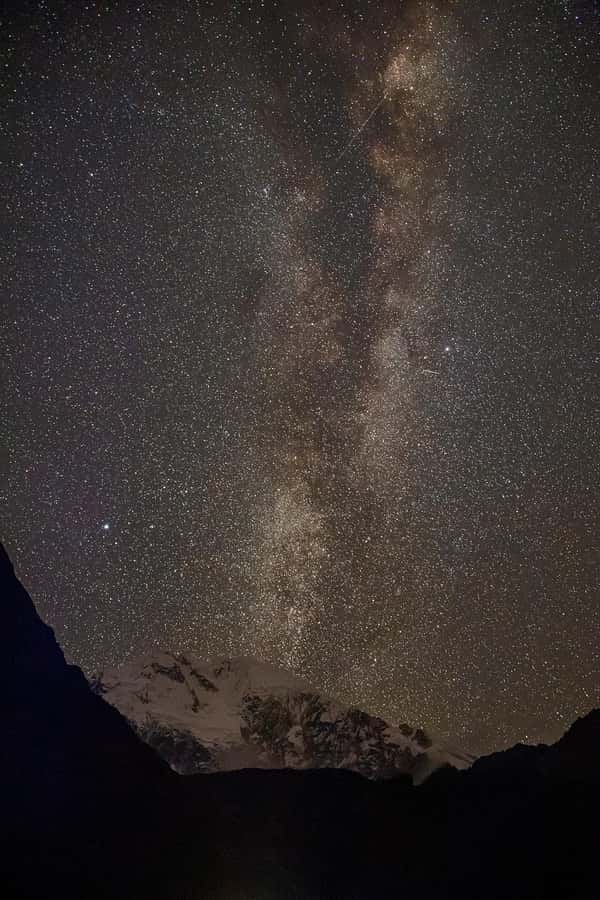
You’ll have lunch after the lake segment at Soraypampa, then hike onward to Salkantaypampa, where your first night is at Salkaglamp glamping basecamp. This is a smart design choice. Glamping tents won’t replace a real hotel, but they do change your recovery after a travel-heavy first day. You get a cozy tent setup, a warm dinner, and the kind of night sky you usually only get away from city lights.
What to watch on day one: expect a solid trek day even if it doesn’t include the big pass yet. Start slow and keep your breathing even. If you cram effort early, the altitude will remind you later.
Day 2: Coffee at camp, the 2-hour push to Salkantay Pass, then cloud forest magic
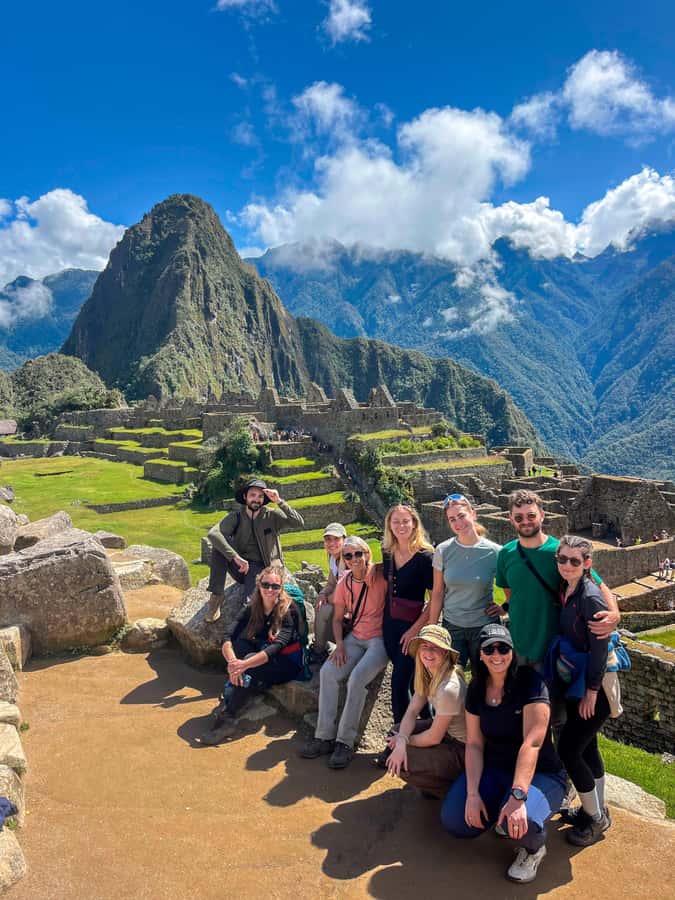
Day two begins gently enough to work with altitude. At camp, you’ll have coffee or coca tea, served right at your tent, then a hearty breakfast before the main climb.
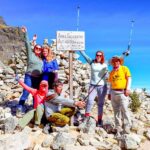
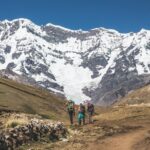
The ascent to Salkantay Pass (4,630 m) is listed as about 2 hours. That’s not long in time, but altitude makes it feel serious. This is the day’s defining moment: you reach the pass, take in panoramic views of snow-capped peaks, and look down toward the lake area below Salkantay Mountain.
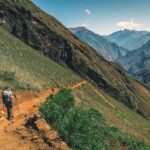
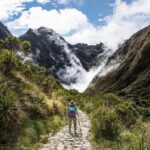
After the pass, you start descending. The plan calls for about 3 hours down to Wayracmachay, where lunch is served. Then you continue another 3 hours into cloud forest, where the setting changes fast: colorful flowers, orchids, and hummingbirds show up when you’re lucky with timing and light.
By evening, you arrive in Collpapampa for the second night, staying in Andean huts. This is where the comfort level can vary most. Some reports point to hut conditions being less pleasant, and there’s also mention that warm showers may come with an extra fee. So treat day two housing as the rough edge of the trip, not as the highlight.
Still, the tradeoff is worth it for many people. That cloud-forest transition is a major reason Salkantay feels like more than just a route to Machu Picchu.
Day 3: Lucmabamba Pachamanca, a real coffee routine, then Hidroeléctrica to Aguas Calientes
Day three is where the experience widens: culture + food + movement, ending with real rest. You start with breakfast, then hike for about 3 hours to Lucmabamba.
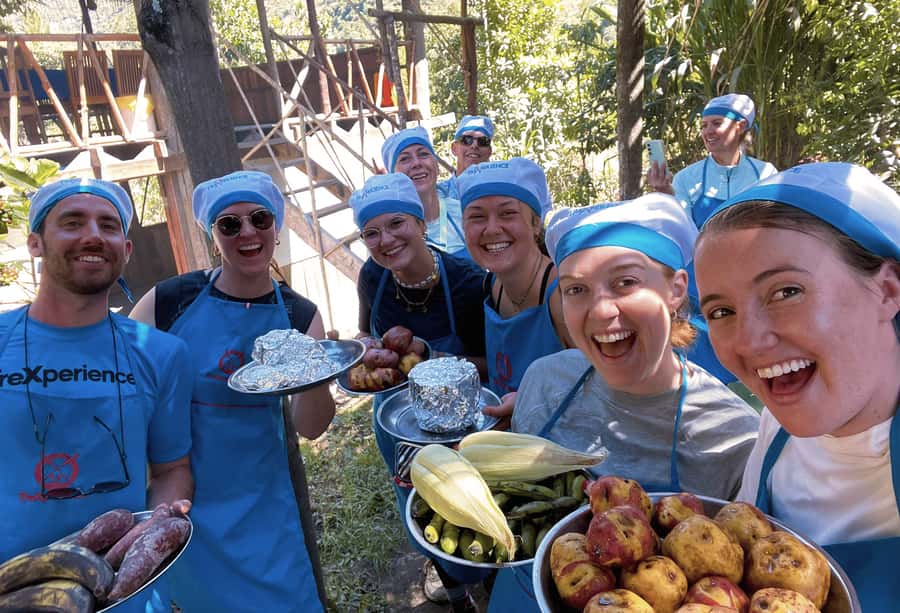
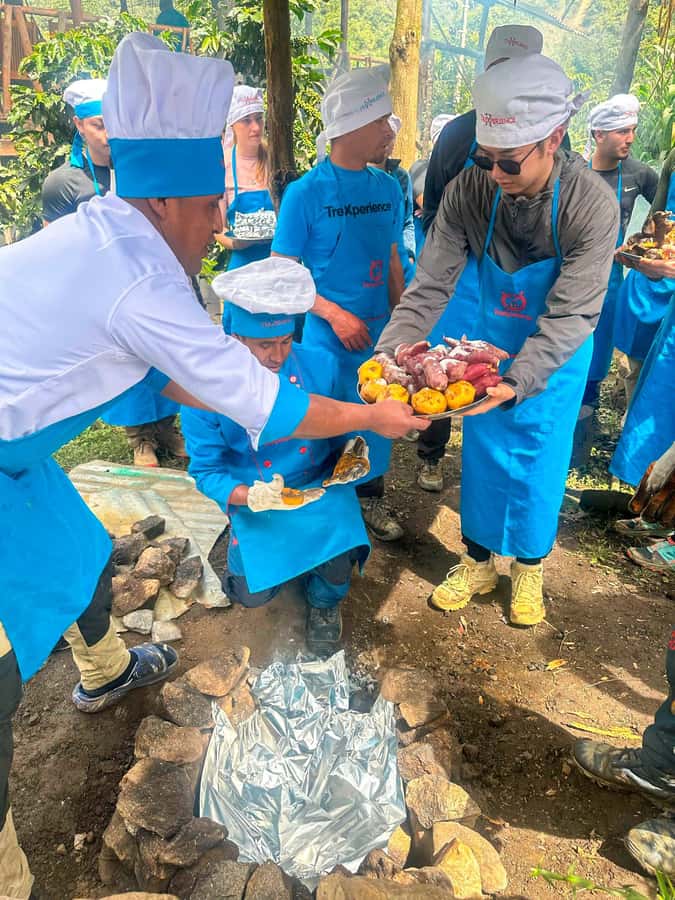
Here’s the standout meal: Pachamanca barbecue, cooked underground using hot stones. You’re not just watching food happen; it’s described as vegetables, fruits, and meats slow-cooked in that traditional style. It’s one of those meals that tastes like effort, in the best way. Even if you’re not a food fanatic, it’s memorable because the method is so different from what you’re used to.
After Pachamanca, you head to a local coffee farm where you learn the process from bean to cup. Then you get to prepare your own freshly brewed espresso. That’s a good fit for travelers who don’t just want to “see” things. You’ll leave with a small skill and a better sense of what makes Andean coffee work.
From Lucmabamba, you transfer by drive to Hidroelectrica, then hike for about 3 hours to Aguas Calientes. This section can feel long because your legs are already carrying day one and day two, and you’re also stepping into a more town-like vibe. When you reach Aguas Calientes, you check into a 3-star hotel for the night, enjoy dinner at a local restaurant, and finally get proper sleep before Machu Picchu.
Practical tip: on day three, pack your day-to-day essentials where you can reach them fast. You’ll likely change your gear and rhythm more than on the earlier days.
Day 4: Sunrise at Machu Picchu, guided circuit time, then Vistadome or 360° train back
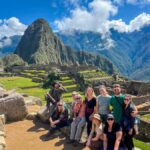
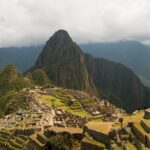
On Machu Picchu day, the biggest advantage is timing. You’ll rise early and take one of the first buses to Machu Picchu. Being there at sunrise isn’t just for photos. The light changes how the ruins read, and the morning air often feels cooler, which makes walking and viewing more comfortable.
Once you arrive, you’ll have a guided exploration lasting about 2 to 3 hours, focused on key areas and explained by an expert guide. This matters because Machu Picchu can look like a collection of stones until someone helps you connect the layout, the functions, and the logic behind the site.
After your visit, you return to Aguas Calientes for lunch (not included), then head to the train station for your ride back to Cusco. You’ll use either the Vistadome or 360° panoramic train, both designed for views. It’s a nice final transition: you go from walking among terraces and temples to watching the Andes roll past in a heated, seated comfort bubble.
Then your team transfers you back to your hotel in Cusco.
What comfort really looks like on this trek: glamping, huts, and a 3-star bed
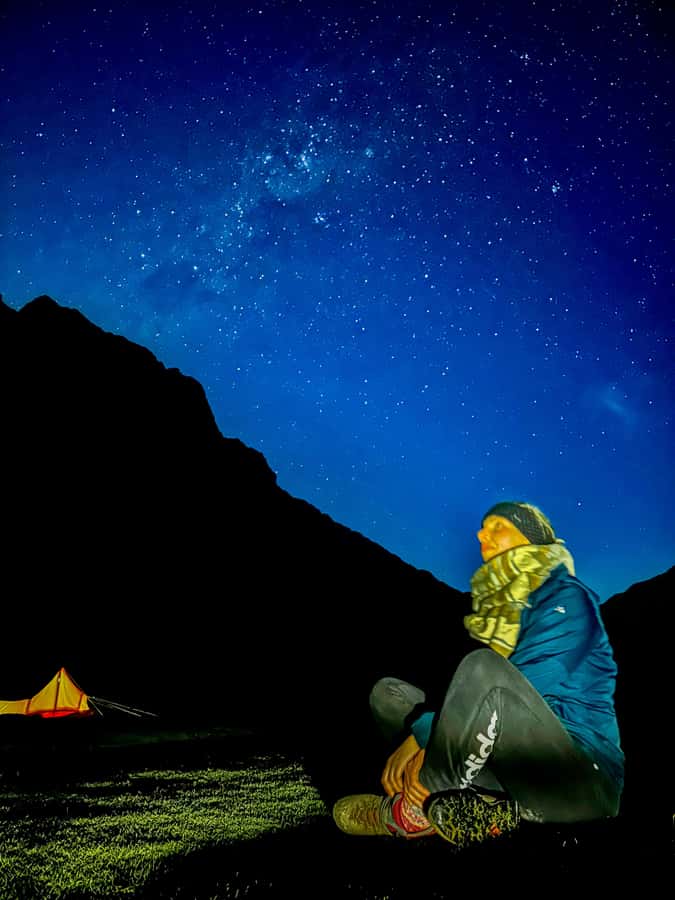
This itinerary’s comfort strategy is simple: trade a bit of softness for more real recovery where it counts.
- Night 1: Salkaglamp glamping tents
This gives you a warm dinner, a comfortable tent setup, and a calmer night after day one. You also get essentials like pillow and sleeping pad, plus a rain poncho and hand towels.
- Night 2: Andean huts in Collpapampa
This is the most variable part of the trip. One issue noted is the condition of rented huts and sanitation, and another is that warm showers may be extra. If you’re sensitive to basic facilities, bring patience and basics like tissues/sanitizer.
- Night 3: 3-star hotel in Aguas Calientes
This is the reset. You get breakfast and stay in a hotel with dinner at a local restaurant. For many people, this is the night that makes day four feel doable.
You also carry less personal weight than you might expect. You’ll receive a duffle bag allowance up to 7 kg / 11 lb for personal items. The trek setup includes safety support too, like a satellite phone, first-aid kit, and oxygen tank, which is reassuring when you’re dealing with altitudes.
Meals and culture: Pachamanca plus coffee that goes beyond a label
The food plan is one of the best reasons this trek feels “managed.” You get all meals on the trail: 3 breakfasts, 3 lunches, and 3 dinners, plus water and daily snacks. That removes a lot of stress during an active trip. You can focus on walking instead of hunting for food at odd hours.
On the cultural side, Pachamanca and coffee are more than add-ons. They’re timed to your energy levels:
- Pachamanca comes when you’re already deep into the route (day three), so the underground slow-cooked meal hits like a reward.
- The coffee farm experience gives you something hands-on after a hard section, and it helps you connect a taste to a place.
If you have dietary needs, you should tell the operator at booking time. The tour notes that special requirements can be informed in advance.
Also, bring cash as suggested. That’s usually where small extras happen, like optional purchases or convenience items that aren’t covered.
Price and value: what $552 buys you (and what you might pay extra)
At $552 per person for 4 days, you’re paying for more than a guide and a badge. You’re paying for the whole machine: pickups, transport between trail sections, entrance arrangements for Salkantay Trek and Machu Picchu, and a return rail experience on a panoramic train.
You also get real meal support. When you include breakfasts, lunches, dinners, water, and daily snacks, the cost adds up fast for a trek where you’d otherwise be buying things in small towns. You’re also getting equipment support like a rain poncho plus pillow and sleeping pad, which is often where trekkers start spending money if they travel light.
Where value can shift for you is in add-ons and last-day comfort:
- Your last day lunch in Aguas Calientes is not included.
- Huayna Picchu tickets and Machu Picchu Mountain are optional add-ons that require advance booking.
- Circuit access is handled by default (Circuit 2), but if it’s sold out, you’re assigned another circuit (1 or 3).
So ask yourself what you want from Machu Picchu. If you’re happy with a guided Circuit 2 experience and sunrise entry, this package is a good fit. If you specifically want the steeper mountain add-ons, budget for extra ticket steps.
Safety, pace, and who this trek fits best
This trek is not a gentle stroll. It’s built around climbing to 4,630 m and long hiking days. That means it suits travelers who are comfortable walking daily with changing altitude and weather.
It’s also specifically not suitable for:
- pregnant women
- people with back problems
- people with mobility impairments
- people with heart problems
- wheelchair users
If you’re in one of these categories, you should look for a different style of tour where the route isn’t built around steep hiking and high altitude.
For the rest of you, go in prepared:
- Wear proper hiking shoes and bring a sun hat and sunglasses.
- Pack rain gear. Weather can change quickly in the Andes.
- Bring essentials listed like insect repellent, flashlight, sunscreen, and toiletries.
On the guide side, this kind of trek lives and dies by leadership. From past experiences tied to this route, names like Alex and José show up as guides who explain Inca history and keep plans updated. Others like Evangelino and Filio are praised for patient care and quick support for individual needs, with chef teams like Felix, Zenobio, Dionissios, and Ismael also getting strong mentions for hearty, well-timed meals. You can’t choose your exact crew in most cases, but you can choose to value good communication and pacing when booking.
Should you book this Salkantay trek to Machu Picchu?
Book it if you want a classic Peru-to-Machu-Picchu experience that mixes big views with comfort upgrades, plus food/culture stops that actually engage your senses. I’d especially recommend it if you like structured days, small-group attention, and you’re excited to add Humantay Lake and a cloud forest section to the story.
Consider a different option if you’re very sensitive to basic facilities on day two, need predictable warm showers, or aren’t comfortable with high-altitude trekking. Also think twice if you’re looking for zero physical effort. This route rewards people who pace smart and accept the mountains on their terms.
If you’re fit enough for daily hiking and you want Machu Picchu with sunrise timing and guided context, this is a strong value way to get there.
FAQ
What time is the pickup in Cusco?
Pickup is scheduled at 4:30 a.m. from your accommodation in Cusco’s historic center. If your hotel is outside the Cusco district, you’ll meet at a designated spot near the main square.
What’s the biggest altitude challenge on the trek?
The key high point is the Salkantay Pass at 4,630 m / 15,190 ft on day two.
How big is the group and what languages are offered?
The tour is a small group limited to 16 participants. The live guide works in English and Spanish.
Is Machu Picchu ticket access included, and what circuit do I get?
The tour includes entrance tickets for Machu Picchu with a professional guide, and it includes Circuit 2 by default. If Circuit 2 is sold out, you’ll be assigned Circuit 1 or 3. Optional hikes like Huayna Picchu or Machu Picchu Mountain require advance booking.
What meals are included during the trek?
You get 3 breakfasts, 3 lunches, and 3 dinners, plus water and daily snacks. Lunch on the last day in Aguas Calientes is not included.
What should I bring, and what’s not allowed?
Bring items like your passport, comfortable hiking shoes, sunscreen, sun hat, rain gear, and an insect repellent. The tour notes that weapons or sharp objects, smoking, alcohol and drugs, littering, and unaccompanied minors are not allowed.