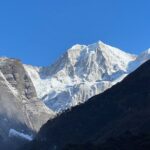
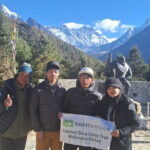
Yoga on the Annapurna trail is a real change of pace. This 15-day ABC trek pairs serious mountain time with daily morning and evening yoga, so your body gets worked and your mind gets a brake. Add in big-Himalaya views like Machhapuchhre and the sunrise from Poon Hill, and you’ve got a trip that feels both physical and calm.
I really like that the days are organized for you end to end. You start in Kathmandu, connect to Pokhara by road, then you move through the trek with a guide—plus daily breakfasts and 15 nights of accommodation to handle the basics. In the reviews, one standout detail was a guide named Manoj, described as highly professional and making things feel systematic.
The one drawback to consider is simple: you do need real trekking fitness. The route includes steep bits and long walking days, and yoga won’t replace altitude management—so you’ll want moderate physical fitness and hiking experience before you go.
In This Review
- Key highlights that make this ABC yoga trek worth your attention
- Yoga trekking in Nepal: how the rhythm actually works
- Kathmandu to Pokhara: the “get ready” phase matters
- Tikhedhunga to Ghorepani: learning the trail’s pace
- Poon Hill sunrise and the climb to Deurali
- Chhomrong, Sinuwa, and Dobhan: where the valley opens up
- Deurali to Annapurna Base Camp (ABC): the payoff day
- Ghandruk culture night, then the ride back to real life
- Price and what you’re really getting for $2,133
- Who this ABC yoga trek is best for
- Should you book the Annapurna Base Camp yoga trek?
- FAQ
- What cities are included in this 15-day trip?
- Does the trip include pickup?
- Are yoga classes included?
- Is accommodation included?
- Are flights included during the trek?
- What trekking day highlights should I expect?
- What’s included for meals?
- Do I need to bring my own sleeping bag?
- How physically fit do I need to be?
- Is there a limit on group size?
- Is visa or insurance included in the price?
Key highlights that make this ABC yoga trek worth your attention
- Daily yoga + pranayama/meditation built around the trekking schedule
- Poon Hill sunrise (3,210 m) for those classic early mountain views
- A guided route through the Modi Khola valley with multiple habitat changes
- Close views of Machhapuchhre plus time around Deurali and Hinko Cave
- Ghandruk cultural night with a dinner in a local Gurung family house
- Small group size up to 20 for a less chaotic hiking vibe
Yoga trekking in Nepal: how the rhythm actually works
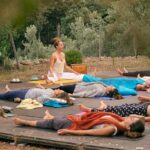
The Annapurna Base Camp trek is already a great test of stamina. What I like about this version is that it gives you a predictable routine: you move, then you reset. Yoga is not tacked on at random. You get morning yoga before breakfast, and you also get an evening practice with pranayama and meditation—exactly the kind of pairing that helps after a day of hills and altitude.
In practice, that means your mornings start with something you can control—breathing, stretching, and focus—before you go into the climb. And after dinner, you’re not just collapsing. You’re doing breathing and meditation, which can help you feel less mentally noisy when your body is tired and your sleep is lighter at higher elevations.
And yes, yoga here isn’t just pose-and-go. Your itinerary calls out pranayama and meditation, which is useful if you’re the type who likes structure. If you’ve ever wondered how to keep your trekking days from feeling like pure grind, this format is built for that.
You can also read our reviews of more tours and experiences in Kathmandu.
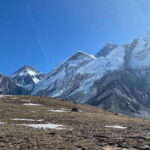
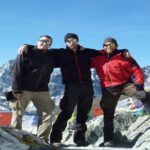
Kathmandu to Pokhara: the “get ready” phase matters
Day 1 is Kathmandu. You get accommodation, time to rest or shop, and a welcome dinner organized by the office. Day 2 continues with yoga: morning practice before breakfast, then meditation and pranayama in the evening. That’s not a throwaway day. It’s your acclimation for the trip itself—mentally and logistically.
On Day 3, you switch gears and go to Pokhara by road. The bus ride is listed at about 7 hours, and it’s long enough that you’ll feel like you’ve traveled, not just transferred. The route gives you a lot of rolling scenery—forests, villages, and mountain views from the window—before you check into a hotel in Pokhara.
Why this part is valuable: you start the trek feeling supported, not rushed. Treks in Nepal can feel busy even before you start walking. Having a structured arrival, yoga time, and a full day transition to Pokhara helps you show up to the first walking day ready to climb.
Tikhedhunga to Ghorepani: learning the trail’s pace
Once you reach the trek proper, the route begins shaping your legs. Day 4 starts with a drive from Pokhara to Nayapul (about 1 hour), then you trek from Nayapul toward Birethanti by the Modi Khola River before pushing up to Tikhedhunga. This day is about getting your body into the rhythm of uphill stairs and narrow trail walking—enough effort to wake up your system, but still a manageable start.
Day 5 takes you to Ghorepani, and this is where the environment starts to shift in a way you can feel. The itinerary calls out rhododendron and oak forests, plus a crossing of Bhurungdi Khola (stream). You also stop at Nangethanti (2,460 m.) for lunch, then continue on to Ghorepani.
What I like here is that you’re not just walking through one kind of view. You’re moving through wooded sections and river crossings, which usually means a more varied feel underfoot. That helps break the mental monotony of hiking. It also means you’ll want to pay attention to footwear grip, because forest trails can get slippery after cloud or mist.
Poon Hill sunrise and the climb to Deurali
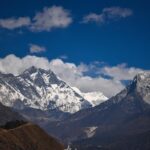
Day 6 is a classic early-morning payoff: you head up to Poon Hill (3,210 m.) for sunrise, then return to Ghorepani. Sunrise from Poon Hill is famous for a reason. On a clear morning, the peaks look close enough to read. Even when conditions aren’t perfect, you still get that pre-day quiet where the mountains look like they’re waiting for you.
After sunrise and the return, the trek continues to Tadapani via a steep trail through pine and rhododendron forests. You stop at Deurali for lunch (2,960 m.), then keep moving down toward Tadapani for the night.
Two practical notes I’d give you:
- Build your day around the early start. Sunrise days are not the best days to pretend you’ll sleep in.
- Keep your breathing steady on the steep stretches. The whole idea of the yoga format is to help you manage effort, and this day is where that matters.
Chhomrong, Sinuwa, and Dobhan: where the valley opens up
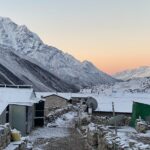
Day 7 brings you to Chhomrong village. The itinerary frames Chhomrong as the base of Himal Chuli and also the last permanent settlement of the valley. That matters because villages in this region are not just scenery—they’re where daily life shapes the trail. Chhomrong is often where trekkers feel the scale of the Annapurna region more clearly.
Day 8 continues deeper: you trek from Chhomrong down toward Chhomrong Khola, then climb up to Sinuwa, and reach Dobhan by the forest for the night. The upper Modi Khola valley is mentioned, which gives you a hint of the kind of scenery: quieter, more river-and-forest walking, and a steady build toward the higher portions.
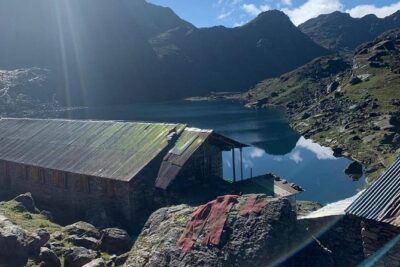
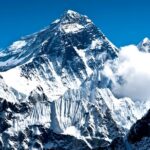
Day 9 is more adventurous. You move from Dobhan toward Deurali and pass Hinko Cave (3,100 m.). The itinerary also highlights possible wildlife like deer, jackals, and peacocks, and you get a very close view of Machhapuchhre, the mountain known as Fish Tail because of its shape.
That Machhapuchhre moment is a big deal. It’s not just a distant peak. The route describes a close viewpoint, and that kind of visual impact is what makes Annapurna Base Camp feel different from generic trekking.
Deurali to Annapurna Base Camp (ABC): the payoff day
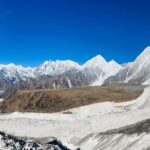
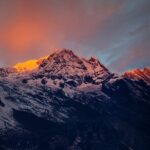
Day 10 is the jump from trekking zones into the main event: you start from Deurali and head to Annapurna Base Camp. The area is described as surrounded by mountains, with real, immediate views from the base camp itself. This is where the daily yoga makes even more sense. Your body is tired, and the views can be mentally loud in the best way. Breathing work helps you stay present instead of just rushing for photos.
Day 11 goes from ABC to Sinuwa. Since this is a descent day, it’s often a strange mix: relief in the legs, but also attention needed for knees and careful foot placement. Your schedule keeps it enjoyable by having you walk downhill with lunch along the way.
This is also where you’ll feel the value of a guide. Descents in the Himalayas are not just about going slower. They’re about finding stable footing and managing pace so you don’t turn a great day into a sore-foot day.
Ghandruk culture night, then the ride back to real life
Day 12 brings you from Sinuwa toward Ghandruk. The itinerary describes forest-covered trails and a walk down to the village. Once you arrive in Ghandruk, the highlight shifts from mountains to people: you’ll have dinner in the house of an ethnic family in Ghandruk, specifically the Gurung community.
This is one of the most meaningful parts of many Nepal treks, because it changes what you think you’re doing. You’re no longer just chasing scenery—you’re sharing a moment of local hospitality. The itinerary also notes Gurung culture, tradition, language, dress, and lifestyle, which is a helpful reminder that these places aren’t theme parks. They’re living communities.
Day 13 is your final trekking finish: you move from Birethanti to Nayapul, then drive to Pokhara. Day 14 is the drive back to Kathmandu (again about 7 hours), with free time in the capital that’s time for shopping and picking up items you can bring home.
Day 15 ends with departure from Tribhuval International airport. After two weeks of walking, this last day feels like a reset button. You’re not thinking about steps anymore—you’re thinking about getting home with your boots off and your head still full of mountain air.
Price and what you’re really getting for $2,133
At $2,133.34 per person for a 15-day trek, the big question is value. Here’s what you’re getting that usually costs money when you arrange things yourself:
- 15 nights of accommodation plus daily breakfasts
- Daily yoga classes (morning/evening) with an experienced instructor
- Domestic flight and overland travel during the trek
- Trekking-related fees, including trekking, national park, and conservation center fees
- Overland transport, including the Kathmandu–Pokhara transfer and return
So you’re not paying just for “a person with a map.” You’re paying for daily structure. That matters most on a multi-day trek, when logistics start eating energy you’d rather put into hiking.
What’s not included is also important:
- Visa fees, medical insurance, and airport tax
- Meals beyond breakfast
- Personal sleeping bag and bags
- Tips for guides and porters are not offered (so you’ll want to plan for that expectation)
- Extra costs if emergency evacuation is needed
My practical take: if you want a guided trekking plan with yoga as a core feature, the price can be fair. If you’re a strong self-planner and don’t care about the yoga structure, a DIY version might be cheaper. But DIY costs you time and mental load—and altitude punishes stress.
Who this ABC yoga trek is best for
This tour is best if you want the Annapurna Base Camp trek but also want to feel mentally guided through it. It’s ideal for fit, outdoor-loving travelers with hiking experience, and the itinerary is built around a daily yoga rhythm that supports fatigue recovery and focus.
If you’re someone who likes breathwork and meditation, you’ll likely appreciate the pranayama and evening meditations built into the schedule. If you’re newer to structured hiking, you may still manage it, but you should take seriously the moderate physical fitness requirement and the steep trail days mentioned in the route.
Also, the group size is capped at 20 travelers. That usually creates a calmer feel than huge groups, which helps on narrow trail segments and in the small village areas where you’ll be walking and eating.
Should you book the Annapurna Base Camp yoga trek?
I’d book this if you want ABC with real support and a built-in recovery routine. The combination of daily yoga, guided trekking, and route transitions from Kathmandu to Pokhara to the main trail makes it a smart choice when you don’t want to micromanage permits, transport, and timing. The cultural dinner night in Ghandruk is another strong reason to choose this format over a purely hiking-focused itinerary.
I wouldn’t book it if you’re looking for a light, casual walk or if you’re not ready for a multi-day trek with steep sections and longer walking days. And if you don’t want to pay for guidance and organization, you might prefer a DIY trek.
If you do book: train for hills, plan for a real sleeping bag (since it’s not included), and treat the yoga as part of the trekking challenge—not a side quest. That’s when the trip feels like more than miles on a trail.
FAQ
What cities are included in this 15-day trip?
You start in Kathmandu, travel to Pokhara, trek through the Annapurna region (including stops like Tikhedhunga, Ghorepani, Chhomrong, Dobhan, Deurali, and Annapurna Base Camp), then return to Pokhara and back to Kathmandu.
Does the trip include pickup?
Pickup is offered.
Are yoga classes included?
Yes. The itinerary includes daily morning and evening yoga classes, including pranayama and meditation as listed in the plan.
Is accommodation included?
Yes. It includes 15 nights’ accommodation, with bed and breakfast.
Are flights included during the trek?
Domestic flights and overland travel are included.
What trekking day highlights should I expect?
You’ll do a sunrise trip to Poon Hill (3,210 m.), and the route includes a close view of Machhapuchhre plus time around Deurali and Annapurna Base Camp.
What’s included for meals?
Daily breakfasts are included (15 breakfasts). Other meals are not listed as included.
Do I need to bring my own sleeping bag?
Yes. Personal sleeping bags are not included.
How physically fit do I need to be?
The tour says travelers should have a moderate physical fitness level, and it’s ideal for fit outdoor travelers with hiking experience.
Is there a limit on group size?
Yes. The maximum group size is 20 travelers.
Is visa or insurance included in the price?
No. Visa fees, medical insurance, and airport tax are not included.
If you want, tell me your hiking background and your travel month, and I’ll help you sanity-check whether this schedule matches your stamina and expectations.