REVIEW · KAMPALA
9 day Gorilla Trekking, Chimpanzee & Wilderness Safari (mid-range)
Book on Viator →Operated by Safaris By Jon · Bookable on Viator
Gorillas, chimps, and rhinos all in one run.
This 9-day Uganda circuit is built to hit the big-life-experience highlights—starting with a rhino tracking session on foot at Ziwa and ending with wildlife time at Lake Mburo. I also like how the schedule stacks in serious primate moments: chimpanzee tracking in Kibale and gorilla trekking in Bwindi, plus river and channel cruises for hippos and crocodiles.
The main drawback is logistics and early mornings. Starting at 5:00 am means you’ll be up early most days, and the long driving days (westward and then back toward Kampala) can feel like a lot if you hate sitting in a vehicle for hours.
In This Review
- Key things that make this tour work
- Why this 9-day Uganda route hits the best notes
- Day 1: Ziwa Rhino trek on foot, then Murchison Falls rapids views
- Day 2: Morning game drives at Murchison plus a Nile boat cruise
- Day 3: Fort Portal and Kibale Forest transfer day (with a nature-walk option)
- Day 4: Chimp tracking at Kanyanchu, then Queen Elizabeth National Park
- Day 5: Kasenyi morning game drive and Kazinga Channel boat cruise
- Day 6: Ishasha tree-climbing lions, then Bwindi Impenetrable Forest
- Day 7: Bwindi gorilla trekking day plus an optional cultural walk
- Day 8: Lake Mburo National Park with an evening walking safari
- Day 9: Lake Mburo exit drive, equator lunch stop, and Kampala drop-off
- Price and value: what $3,702 buys you in practice
- Timing, group style, and comfort: what to expect on the ground
- Who should book this Gorilla, Chimpanzee, and Wilderness Safari
- Final call: should you book this 9-day tour?
- FAQ
- What time does the tour start, and where is the meeting point?
- Is pickup included?
- Is this tour private or shared?
- What wildlife experiences are included besides game drives?
- What fitness level do I need?
- What is the cancellation and refund window?
Key things that make this tour work
- Rhino trekking on foot at Ziwa with a ranger guide and a chance to see 30+ rhinos in the sanctuary.
- Chimpanzee tracking at Kanyanchu Visitor Center with briefing, ranger guidance, and a full forest experience.
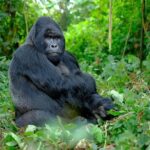
- Bwindi gorilla trekking in the real forest with allocated gorilla family and ranger-led searching.
- Two different water-based wildlife experiences: Nile waterfall cruise and Kazinga Channel boat cruise.
- Ishasha tree-climbing lions add variety beyond the usual “big five” game drive checklist.
- Lake Mburo walking safari on the final stretch gives a calmer, more intimate wildlife pace.
Why this 9-day Uganda route hits the best notes
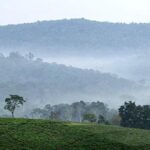
You’re not just doing one park. You’re bouncing between regions so you get multiple ecosystems: river country at Murchison, forest for chimps and gorillas, the open savannah feel of Queen Elizabeth, and the smaller-but-wild Lake Mburo area. If you want Uganda’s top wildlife hits without building your own route from scratch, this kind of “greatest hits” sequence makes sense.
The value is in the mix. You’ll do both guided primate tracking and classic safari viewing, then tie it together with boats on water where animals reliably show up—hippos, crocodiles, and lots of birds. That balance keeps the trip from feeling repetitive, even though the driving adds wear on your day-to-day energy.
You can also read our reviews of more tours and experiences in Kampala.
Day 1: Ziwa Rhino trek on foot, then Murchison Falls rapids views
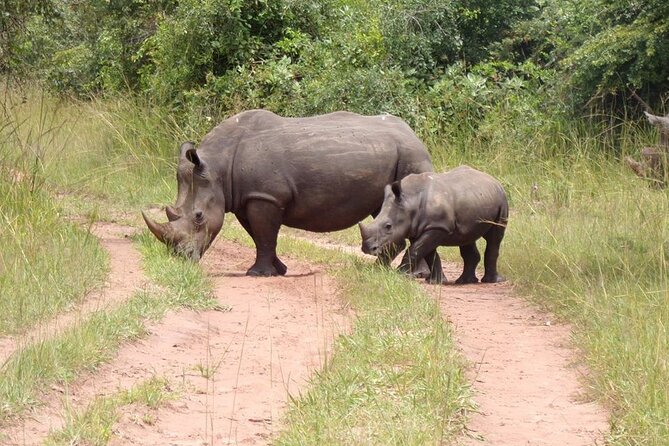
Day 1 starts with Ziwa Rhino and Wildlife Ranch. This is not a “look for rhinos from the road” situation. You’ll be led by a ranger-guide to track rhinos on foot, in the bushes, and it’s listed as about two hours. You also get admission included, which matters because wildlife permits and park fees can be the part of a trip that quietly adds up.
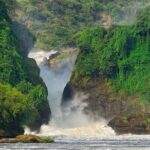
After that, you shift to Murchison Falls National Park for viewing the falls of the River Nile as the river moves toward Lake Albert and beyond. You’ll spend around an hour here, focused on seeing the rapids and water power. It’s a good first taste of what the Nile looks like in Uganda—loud, dramatic, and very different from forest tracking.
What to watch for: this is an active day. Even if you’re “only” walking for the rhino session, you’ll still want comfortable closed shoes and gear you can move in without fuss.
Day 2: Morning game drives at Murchison plus a Nile boat cruise
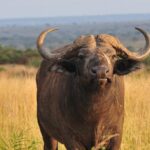
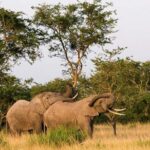
The early morning is for game drives in Murchison Falls National Park. You’re looking for elephants, lions, leopards, buffaloes, hyenas, and multiple antelope species. The long list is your clue that this is meant to be a classic safari day—meaning you’ll spend time scanning, waiting for sightings, and then reacting when the vehicle stops.
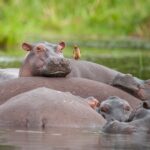
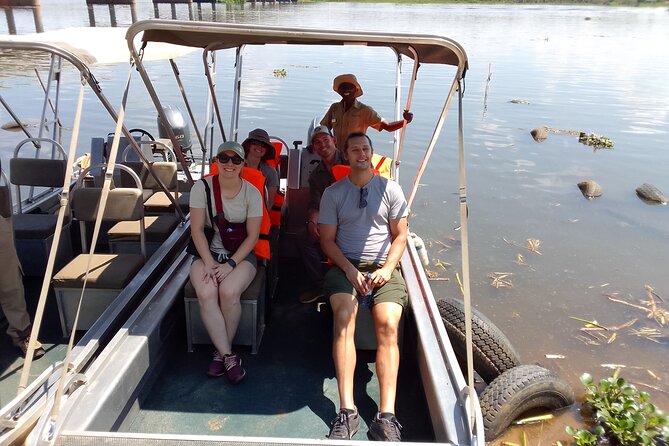
After lunch, you switch modes for a river experience: a waterfall cruise on the Nile with hippos and crocodiles, plus water birds and animals coming down to drink. This kind of cruise is often where surprises happen, because animals behave differently around water than they do in grassland. Admission is marked as free for this segment, so the pricing logic here is mostly about getting you on the water and into the right wildlife zones.
Reality check: boat time can be a highlight, but it can also be physically tiring if you’re dealing with motion and long sitting. Plan to stay hydrated and keep layers handy.
Day 3: Fort Portal and Kibale Forest transfer day (with a nature-walk option)
Day 3 is a travel-and-settle day. You head west from Murchison Falls toward Fort Portal and then on to Kibale Forest National Park. The drive time is listed at about six hours, with the option to stretch your legs in Fort Portal after lunch.
Fort Portal includes a potential nature walk where you can enjoy crater lake views and sights of the Rwenzori Mountains. Even if you don’t take the walk, the point of the day is transition: you’re moving from savannah-river energy into chimpanzee forest country.
Tradeoff: transfer days are long. If you’re the kind of traveler who gets stiff or cranky in vehicles, pack a neck pillow and something that helps you stay comfortable for the ride.
Day 4: Chimp tracking at Kanyanchu, then Queen Elizabeth National Park
Chimpanzee tracking is one of the most time-sensitive experiences in Uganda, so the day is structured around it. You start after breakfast, then go to the park headquarters for a briefing about the forest and chimpanzee tracking. After that, ranger-guides lead you into the forest.
This stop has admission included, and it’s the day that turns the “see animals” part of the trip into something more human and emotional. Chimps don’t follow a schedule; you follow their movement, and the forest makes you slow down. You’ll also get the chance to see other primates like monkeys and baboons, since forests often host more than one group.
Then you continue to Queen Elizabeth National Park after lunch at your lodge. The transfer time is about three hours, so you’re not rushing for the next full-day experience immediately, but you are still moving.
Consideration: forest tracking can mean uneven ground and patience. Dress for comfort, not fashion. And keep your camera ready, because once chimps decide to show, timing matters.
Day 5: Kasenyi morning game drive and Kazinga Channel boat cruise
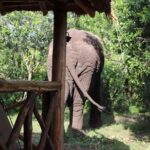
In Queen Elizabeth, the morning is all about game drives in the Kasenyi tracks. Expect lions, elephants, buffaloes, leopards, antelopes, hyenas, and giant forest hogs. This is where the itinerary gives you the classic “I came for big wildlife” payoff.
In the afternoon, you go to Kazinga Channel for a boat cruise connecting lakes Edward and George. This is listed at about three hours and has admission included. The big wins here are water-side wildlife: hippos, buffaloes, elephants, leopards, and lots of water birds.
Why this matters: a boat cruise helps you see animals behaving naturally at a waterline. It’s also a nice break from constant driving, because the “hunt” happens around the riverbank while you sit and watch.
Day 6: Ishasha tree-climbing lions, then Bwindi Impenetrable Forest
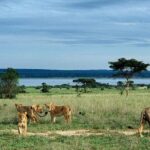
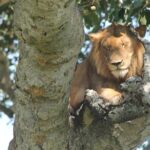
Day 6 focuses on a specific Queen Elizabeth feature: Ishasha tree-climbing lions. You’ll depart the northern sector and head to the southern Ishasha sector for a short game drive searching for these lions. This is a valuable inclusion because it changes the visual story of your safari—tree-climbing lions are not something you can assume you’ll see elsewhere.
After lunch, you proceed to Bwindi Impenetrable Forest for your next base. The travel portion is about three hours, with admission included for Bwindi activities. This shift matters because the rhythm changes: Bwindi is where the trip becomes about gorillas and forest survival, not just “sightings.”
Tip: if you’re prone to motion sickness, this is the day to be careful with what you eat and how you sit during transfers.
Day 7: Bwindi gorilla trekking day plus an optional cultural walk
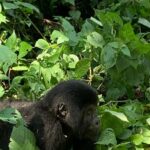
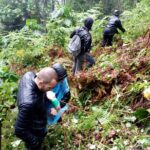
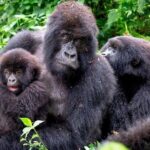
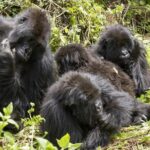
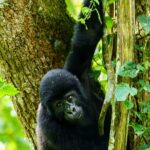
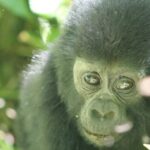
This is the headline day. After an early breakfast, you go to Bwindi park headquarters for a briefing by a park ranger, then a ranger-guide leads you into the forest to find your allocated gorilla family. Admission is marked as free for this specific segment, but the experience itself is clearly the core reason many people book.
In the early part of the day, it’s mostly about getting oriented and ready. In the forest, it’s about patience and quiet focus—because your time with a gorilla family is precious.
After the trek, you can add an evening cultural walk depending on how you feel. This option is there to meet the people who live around the park, including the Batwa, who used to reside in the forest. If gorilla tracking is the wildlife star, this is the human context that rounds out the story and helps you understand how close the park life is to everyday life.
What I like about this setup: it gives you a choice. If you’re wiped out, you don’t have to force the cultural walk. If you still have energy, it adds meaning without adding another major physical challenge.
Day 8: Lake Mburo National Park with an evening walking safari
You’re moving again, but the pace changes. After breakfast, you head from Bwindi to Lake Mburo National Park with a lunch stop en-route. The drive time is listed at about five hours, and admission is included for Lake Mburo.
After lunch, you relax for a few hours, then you go out for an evening guided walking safari in the park. This is listed at about two hours, with chances to see zebras, giraffes, buffaloes, and several antelope species.
Why walking matters here: compared to vehicle drives, walking safari time makes you notice smaller moments—tracks, calls, and how animals share space. It can also feel less intense than the big tracking days because the window is shorter and the goal is more observational.
Day 9: Lake Mburo exit drive, equator lunch stop, and Kampala drop-off
Your final day starts with a game drive as you exit Lake Mburo and head toward Entebbe or wherever you choose to be dropped in Kampala. This is listed at about six hours total, and the plan includes a stop at the equator.
At the equator, you’ll have lunch, do some souvenir shopping, and take photos at the equator crossing sign. It’s touristy, yes—but it’s also a fun way to end a long trip with something different from wildlife and forests.
Practical note: by day 9, focus on comfort. You’ve earned the right to sit back, enjoy the last game-drive sightings, and not treat the last day like another marathon.
Price and value: what $3,702 buys you in practice
At $3,702 per person, this is squarely in the mid-range band. The real question is what’s included and how efficiently it covers time.
What you get value from:
- A full primate-and-safari circuit across multiple top parks, rather than one or two locations stretched out.
- Guided experiences built around ranger briefings and tracking—rhinos at Ziwa and chimps at Kibale, plus gorillas in Bwindi.
- Multiple “best-of” viewing styles: game drives, river cruises (Nile and Kazinga), and a walking safari at Lake Mburo.
- Several segments show admission as included, especially key entries like Ziwa rhino tracking, chimpanzee tracking, Kazinga Channel cruise, and Bwindi gorilla trekking.
What you should consider:
- Your biggest cost drivers in Uganda are typically permits and logistics. This itinerary concentrates those costs into a tight schedule, so it’s good value if you’re serious about doing everything.
- If you mainly care about one area (for example, only gorillas), you might spend less by tailoring a shorter trip. But you’d lose the variety that makes this one so satisfying.
Timing, group style, and comfort: what to expect on the ground
This is listed as a private tour/activity, meaning only your group participates. That can be a big quality-of-life improvement: fewer people waiting, less decision-by-committee energy, and a smoother flow when guides need to reposition you for wildlife.
Also pay attention to timing. The start time is 5:00 am from Café Javas on Berkeley Rd in Entebbe. Early starts are normal on safaris, but here it’s baked into the plan. If you’re someone who doesn’t wake up well, build a routine before the trip and expect fewer late mornings than you might want.
You can also benefit from the tour’s features like pickup offered, group discounts, and mobile ticket delivery. Those details don’t sound exciting, but they help reduce the friction that can happen when you switch between parks.
Who should book this Gorilla, Chimpanzee, and Wilderness Safari
This is a strong fit if you:
- Want Uganda’s core wildlife moments in one shot: rhinos, chimps, gorillas, and big park safari viewing.
- Like variety: game drives plus cruises plus walking safaris.
- Can handle moderate physical activity, since there’s on-foot tracking and guided forest walking time.
- Want a mid-range package that manages the jump between regions rather than leaving you to coordinate everything yourself.
It’s less ideal if you:
- Hate long drives and early starts.
- Only want one type of experience (for example, only gorillas) and would rather travel slower.
Final call: should you book this 9-day tour?
If your dream Uganda trip includes primates plus classic safari wildlife, this itinerary is built for that exact goal. I’d especially consider it if you want the emotional high point of gorilla trekking in Bwindi plus the variety of chimp tracking in Kibale and multiple water-based wildlife chances.
Your best decision factor isn’t just the price. It’s whether you’re okay with an active schedule: early mornings, a lot of changing scenery, and a tight set of daily experiences that won’t leave much room for slow travel.
If you’re the kind of traveler who wants Uganda’s highlights efficiently and still gets thoughtful context like the option for a Batwa cultural walk, this one is worth serious consideration.
FAQ
What time does the tour start, and where is the meeting point?
The tour starts at 5:00 am. The listed meeting point is Café Javas on Berkeley Rd in Entebbe, Uganda.
Is pickup included?
Pickup is offered. The experience also lists Café Javas as the starting meeting point in Entebbe.
Is this tour private or shared?
It’s described as a private tour/activity, so only your group will participate.
What wildlife experiences are included besides game drives?
You’ll have rhino tracking on foot at Ziwa, chimpanzee tracking in Kibale Forest, gorilla trekking in Bwindi, and boat cruises on the Nile and the Kazinga Channel. There’s also an evening guided walking safari at Lake Mburo.
What fitness level do I need?
The tour asks for travelers with a moderate physical fitness level, since there are on-foot tracking and forest experiences.
What is the cancellation and refund window?
You can cancel up to 6 days in advance for a full refund. For a 50% refund, you must cancel 2–6 days before the start time. If you cancel less than 2 days before, the amount you paid will not be refunded. Cancellation cut-off times are based on the experience’s local time.