REVIEW · KAMPALA
15-Day Gorilla and chimps Trekking, Big 5 and Nature Sighting Safari
Book on Viator →Operated by Ngoni Safaris Uganda · Bookable on Viator
Wild gorillas and real safari days, all in one run. This 15-day private trip strings together Uganda’s top habitats so you can stack sightings fast: Murchison Falls, Kibale, Queen Elizabeth National Park, the gorilla forests, and Lake Mburo. You’re also not left to figure things out solo, which matters in Uganda where timing, distances, and park access can make an independent plan stressful.
Two things I really like: you get personal service from a private guide, and the itinerary is built to give you more than one shot at wildlife in different settings (savannah, waterways, and primate forest). A second big win is how much is folded into the trip upfront: accommodation, meals, transfers, and guided activities are included, so you can focus on being out there rather than tracking costs and logistics.
One possible drawback: the schedule is active. Gorilla and chimp trekking involve early mornings, long driving days, and physically demanding moments like forest terrain and hikes to viewpoints. If you want a super-slow vacation, this one may feel like a lot.
In This Review
- Key things you should know before you go
- Kampala to Entebbe: the trip starts with a plan, not guesswork
- Mabamba Swamp and shoebills: start with the oddball birds
- Murchison Falls National Park: lions, hippos, crocodiles, and the Nile drama
- The two-day Murchison rhythm
- Kibale Forest: chimp trekking plus the Top of the World hike
- Two extra days that make Kibale feel complete
- Queen Elizabeth: Kazinga Channel hippos and early-morning big game
- Game drives and the crater drive
- Ishasha and tree-climbing lions: exciting when they’re visible
- Gorilla trekking in the forest: where the schedule turns serious
- Mgahinga and the Batwa trail: culture as a real part of the trip
- Lake Bunyonyi options: choose your pace
- Lake Mburo National Park: walking safari with armed ranger guidance
- The morning walk is the star
- Value and price: what $5,000 buys you here
- Who should book this and who might think twice
- Should you book Ngoni Safaris for this route?
- FAQ
- What wildlife experiences are included on this tour?
- How does chimp trekking work on this itinerary?
- What can I expect during gorilla trekking?
- What is included in the price?
- Where do you start, and where do you end?
- What is the cancellation policy?
Key things you should know before you go
- Private guide attention makes it easier to adjust day-to-day and ask questions in real time
- Multiple wildlife “styles”: drives, boat safari on the Kazinga Channel, swamp walks, and primate tracking
- Gorilla and chimp time in the forest comes with briefings and a guided experience once you find the groups
- Murchison Falls structure gives you game drives plus a boat trip to see hippos and crocodiles around the falls
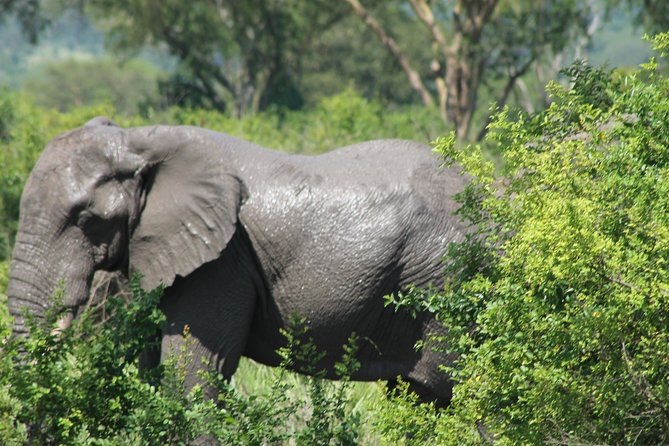
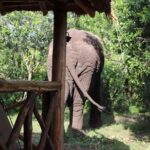
- Big Five targets include strong chances for elephants, lions, rhinos (via Zziwa), and more in the classic savanna parks
Kampala to Entebbe: the trip starts with a plan, not guesswork
Your safari begins in the Kampala/Entebbe area, with pickup offered and a start time listed as 7:00 am at Entebbe Airport. That early anchor matters, because the rest of this itinerary depends on moving efficiently between regions.
On arrival, you’re met by a Ngoni Safaris Uganda representative and transferred to your accommodation. If your flight lands early, you can add a late-afternoon ride around Kampala City to get your bearings. Then you’re set up for the next day’s nature focus, with meals covered and an overnight to reset before you start stacking park time.
A small but useful point: the tour format is private, meaning it’s only your group. That tends to make a big difference on long drives and early starts because your guide isn’t trying to manage multiple parties’ pace and priorities at once.
You can also read our reviews of more tours and experiences in Kampala.
Mabamba Swamp and shoebills: start with the oddball birds
Day 1 includes a visit to Mabamba Swamp near Lake Victoria for birdwatching, especially targeting the shoebill. This isn’t the kind of “big animal” moment people expect from a safari brochure, and that’s exactly why it works as an opener.
Why I like starting here: it gives you a Uganda moment that’s different from savannah wildlife. You’ll also be in a calmer nature setting before the louder, longer park days kick in—so you ease into the pace instead of jumping straight into full-on game drives.
Practical note: birdwatching can mean waiting and listening. If you’re the type who wants instant action every minute, this might feel slower than a drive through grassland. But if you enjoy nature detail, it’s a great start.
Murchison Falls National Park: lions, hippos, crocodiles, and the Nile drama
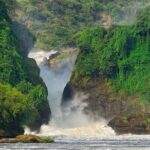
Murchison Falls is a highlight for a reason. It mixes broad savannah where you can spot big game with river sections where animals concentrate—especially around water.
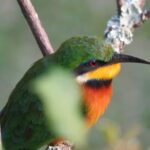
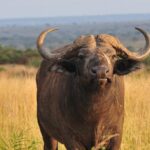
You’ll drive to Murchison Falls National Park and spend time looking for lions, giraffes, hartebeest, buffalo, and elephants, plus the kind of bird life that serious birders chase (the park is described as holding a long list of bird species, including the shoebill stork, dwarf kingfisher, and Goliath heron). In other words: you don’t have to be a hardcore birder to enjoy it, but bird lovers will feel like they brought the right hobby.
You also get your first Big Five-style experience with a visit to Zziwa Rhino Sanctuary for rhino tracking (about an hour). Even when you don’t get a guarantee on sightings, rhino tracking adds a special “you came to Uganda for this” element that you won’t find on every safari.
The two-day Murchison rhythm
The next day is structured for different viewing modes:
- An early morning game drive across the plains, then
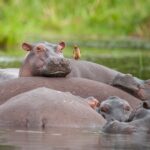
- A boat trip to the base of Murchison Falls, where hippos and crocodiles often show up near the water.
There’s also an optional hike to the top of the falls if you like a challenge. The wording points out that this can be strenuous, so don’t treat it as a casual walk. It’s worth it if you want a payoff view, but plan your energy.
Kibale Forest: chimp trekking plus the Top of the World hike
Kibale Forest National Park is where the trip shifts from “big savannah” into primate territory. You’ll drive through tea plantations and countryside, which helps break up the long-distance rhythm before trekking starts.
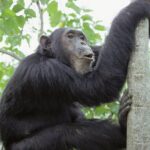
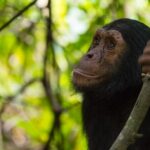
Kibale’s big draw is chimpanzees. You’ll do chimp trekking with an experienced ranger guide. There’s a briefing first, with dos and don’ts, then you track through the forest until you locate a group. Once found, you get a full hour with the chimps.
That hour is the key: it’s not just walking past wildlife at a distance. It’s time in their space, under ranger guidance, which is a completely different experience from seeing animals on open plains.
Two extra days that make Kibale feel complete
This part of the trip doesn’t just do chimp trekking once. You also get:
- A “Top of the World” hike with easier and more challenging trails. Go early because it’s cooler, and expect views to be the payoff.
- A Bigodi swamp walk in the afternoon, focused on biodiversity in a wetland sanctuary.
Even if you’re not a “hike person,” the mix works. The forest is active, and changing from trekking to a swamp walk keeps the day from feeling repetitive.
Queen Elizabeth: Kazinga Channel hippos and early-morning big game
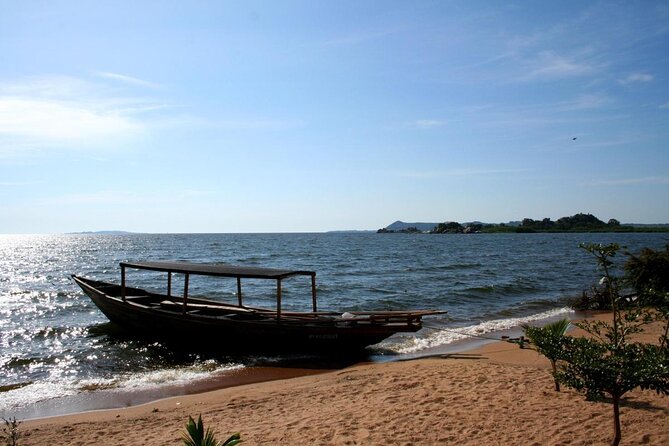
Queen Elizabeth National Park is a classic Uganda stop because it has variety in a compact area. You’ll reach it after leaving Kibale, and you’ll have time to rest and then go out for a boat safari along the Kazinga Channel (the channel links Lake George and Lake Edward).
Boat day highlights are described as concentrations of giant hippos, elephants, and crocodiles, plus lots of water birds. This is one of those moments where you stop thinking about “whether I’ll see animals” and start thinking about “how I’ll take photos without losing my mind.” The animals tend to be more predictable around water than on open savannah.
Game drives and the crater drive
You’ll also do:
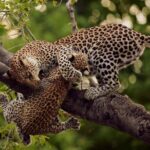
- A morning game drive across the Kasenyi plains, looking for lions, elephants, leopards (harder to spot), and other species like bushbucks and Uganda kob.
- An afternoon explosion crater drive with scenic views and more wildlife opportunities.
The crater drive is less about a strict checklist and more about shifting scenery plus chances to spot animals along the way.
Ishasha and tree-climbing lions: exciting when they’re visible
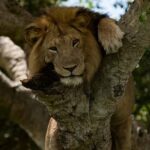
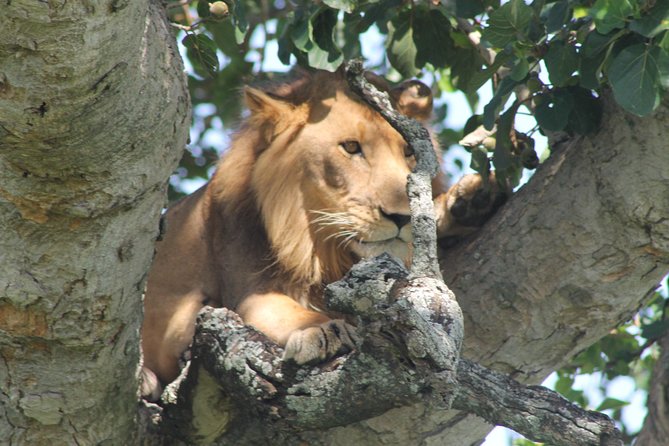
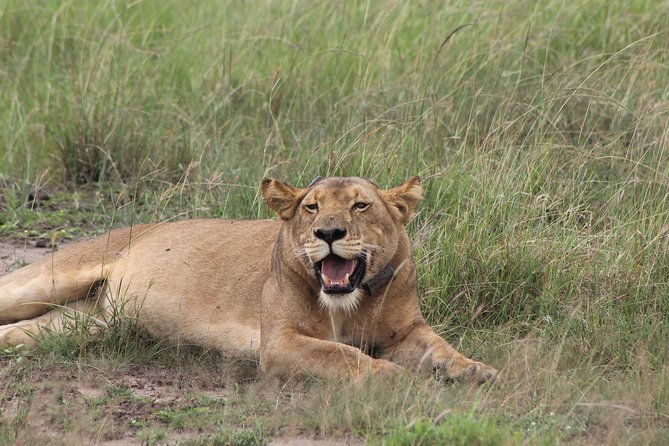
From Queen Elizabeth you’ll head to the Ishasha area, known for resident tree-climbing lions. The odds are stated as about 70%, and that’s honest and useful.
Here’s how to think about it:
- If you see them, it feels like a rare, almost surreal safari moment.
- If you don’t, the rest of Ishasha’s game viewing is still worthwhile, but you’ll want to avoid treating the tree-climbing lions as a guaranteed outcome.
The day is arranged as game viewing in the Ishasha area, with wildlife like Uganda kob, cape buffalos, elephants, and warthogs in the mix.
Gorilla trekking in the forest: where the schedule turns serious
This is the part most people come for, and it runs on the forest’s rules, not your itinerary’s rules.
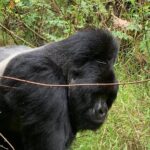
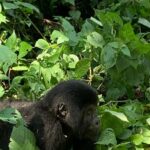
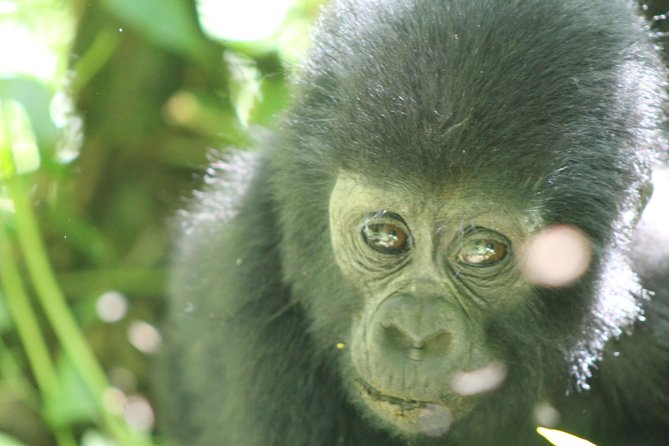
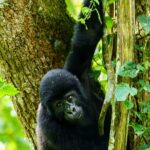
After reaching the gorilla region (the plan references Bwindi Impenetrable National Park and then continues with the gorilla sanctuary trekking day), you get an early breakfast and ranger briefing. Then you enter the rainforest to track mountain gorillas. The guide time and terrain vary with gorilla movement, and the forest is described as dense with steep terrain but with animal trails that give access to tourists.
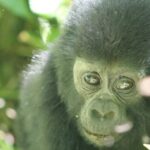
Once you locate a group, you’re allowed one hour in their presence. That hour is what you’ll remember: it’s quiet, concentrated, and intensely physical in a way that’s hard to explain until you’re doing it.
One important mindset shift: gorilla trekking is not a “see and leave” activity. The experience is paced by the trek and the gorillas. If your expectations are set on speed and easy walking, you might feel frustrated. If your expectations are set on an encounter guided by rangers, you’ll have a better day.
Mgahinga and the Batwa trail: culture as a real part of the trip
After the gorilla day, the itinerary includes a Batwa trail experience associated with Mgahinga dense forest. For generations, the Batwa lived in the forest, and now community members lead visitors through the area, explaining old knowledge and techniques used to survive there.
This matters because it keeps the trip from being only “wildlife hunting.” You learn how people once depended on forest life, and you see a different side of the region—one shaped by human history and forest knowledge.
Then you move on to Lake Bunyonyi, where the trip slows down a notch into relaxation time. Lake days are not a filler here. They’re a reset for your legs and brain before the next safari block.
Lake Bunyonyi options: choose your pace
At Lake Bunyonyi, you have options after breakfast:
- A visit to the Orugano rain forest with diverse plants and animals
- Time interacting with Batwa community members
- A canoe trek on the lake, including time by dugout canoes and trips around islands
Since the plan gives choices, you can pick based on energy level. If trekking fatigued you, choose the gentler option. If you want more nature time, pick the forest or canoe experience.
This is also one of the best places on the route for “quiet reflecting” because the safari intensity softens for a day.
Lake Mburo National Park: walking safari with armed ranger guidance
The itinerary moves to Lake Mburo National Park for two days. It’s a nice contrast after primate and big park drives.
You’ll drive past terraced Kigezi hill slopes into Mbarara town and then arrive at Mburo in the early afternoon. That first day is a late-afternoon game viewing drive, where you can expect animals like eland antelopes, zebras, topis, impalas, warthogs, Uganda kob, and cape buffalos.
The morning walk is the star
The final day includes an early guided walk with an armed Uganda Wildlife Authority ranger/guide. The early timing can be better for seeing animals returning to dens after night activity. The plan also points out you may encounter hyenas returning to dens.
You’ll also do a trail to hilltops for views over the lake and surrounding area, including a view described as showing nine of the twelve lakes around Lake Mburo National Park.
If you want a “different safari” feel, this walk changes the whole texture of the trip. It’s not long-distance tracking; it’s close, with careful ranger guidance.
Value and price: what $5,000 buys you here
At $5,000 per person for 15 days, the price sits in the category of an all-in, high-touch safari rather than a bare-bones trip where you’re constantly paying extra.
What makes it feel like value (not just a high number) is the inclusion list:
- pickup and transfers are handled
- accommodation and meals are included
- game drives, swamp walks, and the main primate and nature activities are included in the plan
- admission tickets are listed as included or free across parts of the route
- drinks are included, with a note that premium wines and liquors might be excluded
You also get a private format. In safari country, privacy can matter more than people expect. It reduces waiting, helps your guide pace the day to your energy, and makes early starts less chaotic.
One more value point from the guide-focused feedback: people praised planning support and the way guides ran the days. Names that came up included Sedrick (help with planning), Allan (guide), James (guide), Robert (guide), David (guide), plus Charls, Elly, and Hamza. That’s a signal that the company invests in guide quality and communication, not just transport.
Who should book this and who might think twice
This tour fits best if you want:
- gorilla trekking and chimp trekking as central goals
- Big park diversity in one trip: Murchison Falls, Queen Elizabeth, Ishasha, and Lake Mburo
- A private guide who can keep the day moving and explain what you’re seeing
- A schedule with both action and recovery time (tea-country drives, lake slowdown, and structured game viewing)
You might think twice if:
- you’re hoping for a low-effort vacation
- you dislike long drives and early mornings
- you want a fully guaranteed wildlife checklist (even with great planning, nature stays nature)
Should you book Ngoni Safaris for this route?
I’d book this if gorillas, chimps, and classic Ugandan safari scenery are your top priorities and you want the trip to run with minimal friction. The “stacking” of different habitats is smart: rivers for boat time, savannah for big game drives, forest for primates, and wetlands for swamp/bird days.
If you’re comfortable with physical trekking and you like the idea of guided time in the forest rather than quick photo stops, this is a strong fit. If you want a softer pace or very short walking days, ask the operator about how the hikes and treks are paced for your comfort level.
FAQ
What wildlife experiences are included on this tour?
The plan includes gorilla trekking and chimp tracking, plus wildlife-focused activities like game drives in Murchison Falls and Queen Elizabeth National Park, a Kazinga Channel boat safari, a Bigodi swamp walk, and walking safari time at Lake Mburo. It also includes rhino tracking at Zziwa Rhino Sanctuary.
How does chimp trekking work on this itinerary?
You’ll receive a briefing on dos and don’ts, then trek with an experienced ranger guide in Kibale Forest. Once you locate a chimpanzee group, you get a full hour with them.
What can I expect during gorilla trekking?
You’ll start with an early breakfast and a ranger briefing, then track mountain gorillas in the forest. Once you locate a group, you’re allowed one hour in their presence, with trek timing and terrain depending on the gorillas’ movements.
What is included in the price?
The tour summary indicates that accommodation, meals, transfers, and included activities are part of the package. It also notes that drinks are included, while premium wines and liquors might be excluded.
Where do you start, and where do you end?
The tour starts at Entebbe Airport around 7:00 am and ends back at the meeting point.
What is the cancellation policy?
You can cancel up to 3 days in advance of the experience for a full refund. If you cancel less than 3 full days before the start time, the amount paid will not be refunded. Cut-off times use the experience’s local time.