REVIEW · KAMPALA
3 -Day Private Gorilla Trekking Safari in Bwindi Forest
Book on Viator →Operated by Lifetime Experience Safaris - Private Day Tours · Bookable on Viator
Gorillas in Bwindi are not a maybe. I like that this trip is built around a private safari setup with full-service logistics, plus the gorilla trekking permit is included in the price. I also like the pacing: you drive in on Day 1, trek on Day 2, then unwind at Lake Bunyonyi before heading back. The only real drawback to consider is the early 6:00 am start and the fact that you’re hiking for about 3–5 hours in the forest.
You’ll start in Kampala or Entebbe (with airport pickup possible), sleep in the Ruhija area at Bakiga Lodge, and spend the gorilla day with Uganda Wildlife Rangers who place you with a gorilla family based on age, fitness, and your preferences. It’s the kind of plan that helps you focus on the big moment—seeing mountain gorillas in the wild—without turning the trip into a coordination project.
In This Review
- Key things I’d watch for on this Bwindi private gorilla trek safari
- Why This 3-Day Private Gorilla Trek in Bwindi Works for Real Travelers
- Kampala (or Entebbe) to Ruhija: The Scenic Drive and Bakiga Lodge Setup
- Day 2 Gorilla Trek Orientation in Ruhija: Rangers, Group Assignment, and What You’ll Do First
- The Actual Gorilla Encounter: 3 to 5 Hours in the Buhoma Area (and Why the Grouping Matters)
- Lake Bunyonyi After Trek Day: Rest, Birds, and Village Life Energy
- Day 3 Return Drive: Masaka Road, the Green Equator Stop, and Entebbe Timing
- Price and Value: What $1,698 Buys (Including a $700 Permit)
- Practical Planning Tips: Packing, Fitness, Permits, and Peak-Season Reality
- Who This Private Bwindi Gorilla Safari Fits Best
- Should You Book This 3-Day Private Gorilla Safari in Bwindi?
- FAQ
- Where does this 3-day gorilla safari start and what time do we depart?
- Is this tour really private?
- What’s included in the $1,698 price?
- What should I pack for the gorilla trekking day?
- How long is the gorilla trek and where in Bwindi does it take place?
- Will I be allowed to trek if I have a cold or cough?
- When are gorilla permits limited?
Key things I’d watch for on this Bwindi private gorilla trek safari
- Permit included in the $1,698 price so you can budget without guessing later.
- Ranger-led group assignment happens after orientation, based on age, fitness, and what you prefer.
- Guided trek pacing is realistic: the actual trek is typically 3 to 5 hours.
- Bottled water is handled (in the vehicle and provided for the gorilla day), which matters on trek day.
- A proper cooldown on Day 2 at Lake Bunyonyi, with calm water and lots of bird watching nearby.
Why This 3-Day Private Gorilla Trek in Bwindi Works for Real Travelers
Bwindi Impenetrable Forest is the main event, and this itinerary treats it like one. You’re not just “going somewhere and hoping.” You’re driving in with bottled water sorted, sleeping at a mid-range lodge in the Ruhija area, then reporting for orientation with the rangers before the mountain gorilla tracking starts.
I also like that the safari is truly private for your group. That usually means fewer awkward waiting games and more straightforward day-to-day flow—especially helpful on a trek day when everyone’s moving at different speeds. Your driver/guide is English-speaking and committed, which reduces friction when you’re juggling packing, timing, and questions.
The consideration is physical effort. The gorilla trekking itself takes a few hours, and the trip calls for moderate physical fitness. If you’re managing health issues, or you’re not steady walking on uneven ground, you’ll want to think carefully before committing.
You can also read our reviews of more tours and experiences in Kampala.
Kampala (or Entebbe) to Ruhija: The Scenic Drive and Bakiga Lodge Setup
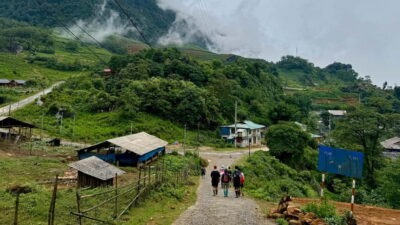
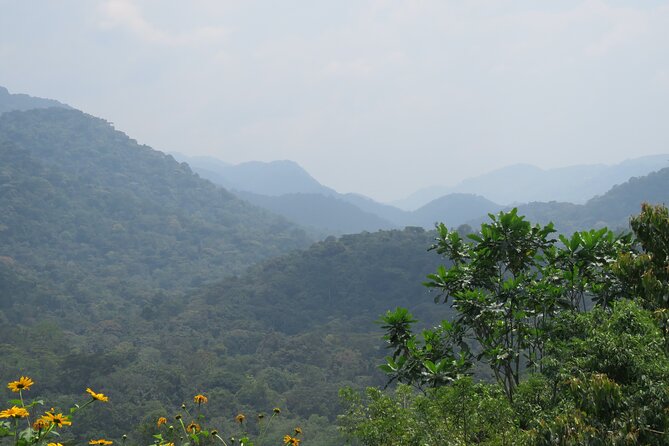
Your day starts at 6:00 am, departing Kampala early for Bwindi Impenetrable Forest. The ride is described as quite scenic, and as you get closer to Bwindi the view shifts into those terraced hillsides that people sometimes compare to the Switzerland of Africa. This is one of those drives where you’ll want a window seat and time to watch the changing terrain rather than thinking it’s just “getting there.”
Lunch is taken on the road to Bwindi in Mbarara. That matters because it keeps your Day 1 energy from crashing right before check-in. Arrival in the Ruhija area is late afternoon, which gives you enough time to settle in and reset before the early trek day.
Then you check into Bakiga Lodge in Ruhija. It’s described as small and community-owned and managed, and it’s positioned as quality mid-range lodging. The menu is noted as better quality at Bakiga Lodge, which is a small detail that can make a big difference after a long travel day when you don’t want basic, boring meals.
What you’re really buying on Day 1: recovery time plus a location that puts you close to the gorilla tracking operations in the Ruhija area. That reduces stress and makes the Day 2 start feel more manageable.
Day 2 Gorilla Trek Orientation in Ruhija: Rangers, Group Assignment, and What You’ll Do First
Day 2 begins with an early breakfast, then you head to the Bwindi Impenetrable National Park offices in Ruhija. This is where you do orientation and meet with the Uganda Wildlife Rangers. You’ll also be separated into groups depending on which gorilla family you’ll track.
A practical detail you should plan around: the rangers assign your group based on age, level of fitness, and your preferences. That doesn’t mean you can control everything, but it does mean the day is managed with real-world tracking conditions in mind. This is a “show up prepared and cooperate” kind of day.
You’ll need a daypack. A packed lunch from Haven Lodge is included, and you’ll get two liters of bottled water for the trek day. Since you’re hiking through forest and scrub, this is not the moment to discover you forgot essentials.
The trip also gives clear guidance on what to wear and use:
- Well-worn hiking boots
- Long trousers
- Long-sleeved shirt (for protection)
- Non-perfumed insect repellent
- Sturdy gardening gloves (for thorns and nettles)
Those gloves are one of those “you’ll thank yourself later” items. Forest tracking isn’t a gentle stroll, and hand protection helps you move through vegetation without constantly stopping.
And one more important reality check: if you have a cold, cough, flu, or other infectious ailments, you won’t be allowed to trek. That’s a safety rule tied to close contact in the tracking process, and it’s better to treat it seriously before you even arrive.
The Actual Gorilla Encounter: 3 to 5 Hours in the Buhoma Area (and Why the Grouping Matters)
Once you’re oriented, pre-trackers are out in the forest locating the gorilla family you’ll be visiting. The trek in this setup is described as three to five hours long, which is a useful range for planning your day.
You’ll also be tracking in the Buhoma area, and the good news here is that it’s described as a lower elevation compared with other Bwindi sectors. That means altitude problems are not expected in this plan, which is a relief if you’re sensitive to height or just want less uncertainty.
Here’s what you should mentally prepare for: the trek time is not just about distance. It depends on where the gorillas are moving and what the forest terrain looks like that day. The pre-trackers and rangers are managing that, but you still need patience and steady movement.
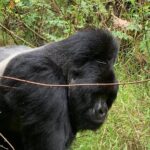
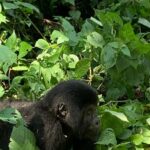
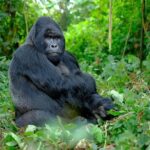
When you reach the gorillas, the encounter is described as a once-in-a-lifetime moment. Mountain gorillas can only be seen in the wild, and they don’t survive captivity—so this is a privilege tied to respectful tracking rules and real conservation context. It’s one of those experiences where you’ll likely go quiet when the animals appear, because the moment is powerful and close.
Why the grouping matters: because you’re assigned based on age, fitness, and preferences, you’re less likely to be stuck with an unrealistic pace for your abilities. Still, treat the trek like a real hike through vegetation, not a casual walk.
Lake Bunyonyi After Trek Day: Rest, Birds, and Village Life Energy
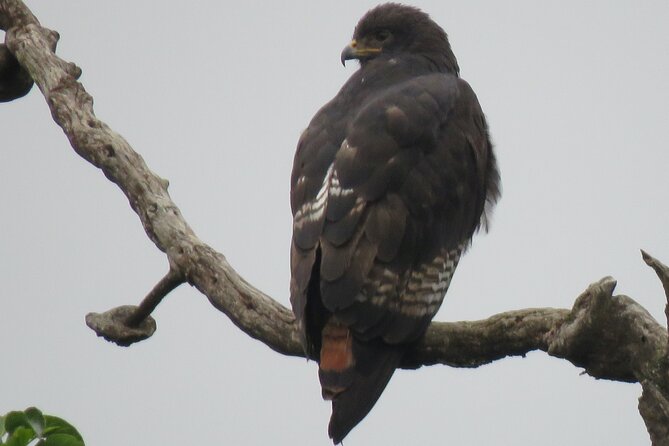
After the gorilla trek, you shift gears to Lake Bunyonyi for about 2 hours 30 minutes. This stop is a smart contrast. Trek day is intense and full of focus; Bunyonyi is slower and calmer.
The lake’s surface is described as smooth and reflective with little wave action. The terraced hills around the lake shield it from high winds, which makes it a good place to breathe and let your legs calm down.
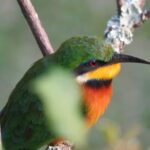
If you like birds, this area is a bonus. Over 200 bird species have been identified here, and you’ll see plenty of activity around the water. You don’t need to be a birder to enjoy it, though—the scene itself is peaceful, and the motion of boats and locals adds texture.
Bunyonyi also isn’t presented as a theme-park stop. Nearby towns on the shores include Kyevu and Muko, and boats frequently carry villagers across the lake. That gives you a more grounded sense of how people live with the water daily, rather than just visiting it as scenery.
Day 3 Return Drive: Masaka Road, the Green Equator Stop, and Entebbe Timing
Day 3 is about getting you back without cutting the trip too tight. After breakfast, the drive back to Entebbe begins. It’s listed as about an eight-hour drive, and you’ll break it with a lunch halfway to Entebbe or Kampala.
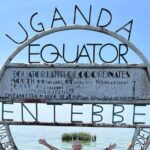
There’s also a must-see stop at the Equator along the Masaka Road. You can take the traditional equator picture there, plus have lunch, a snack, a drink, and buy souvenirs. This is a good “reset” stop because it interrupts the long road stretch and gives you a little story-worthy moment for your travel photos.
You arrive in Entebbe in the late afternoon. If you have a flight later, the plan can include arranging a hotel or day room so you can freshen up, have a leisurely dinner, and avoid rushing through your last hours.
That’s a quiet but real value point. Trekking days can mess with sleep and appetite, and a low-stress landing in Entebbe makes the difference between a smooth ending and a frantic one.
Price and Value: What $1,698 Buys (Including a $700 Permit)
At $1,698 per person, this is positioned as a moderately priced private gorilla trekking safari. The key value is transparency: the gorilla trekking permit is listed at $700, and it’s included in the total.
That matters because the permit is the big, non-negotiable cost. When you bundle it with private transportation, lodging, meals, and a committed English-speaking driver/guide, the rest of the trip feels more like a “package of moving parts” rather than a budget squeeze.
What else is included:
- 2 nights of lodging
- All meals during the tour (including meals served outside the lodge)
- Private transportation
- Dinner (2), breakfast (2), lunch (3)
- Bottled water included in the vehicle and for gorilla trekking
- Mobile ticket
What’s not included:
- Fizzy and alcoholic drinks
- Personal and travel insurance
- Laundry
So yes, you pay real money—but you’re not paying real money only for the permit. You’re paying for logistics that protect your time, simplify decisions, and keep you moving on trek-day schedule.
If you’re comparing options, I’d focus less on the headline total and more on whether you’re getting: permit coverage, private transport, and meals. Those are the items that most often cause budget surprises.
Practical Planning Tips: Packing, Fitness, Permits, and Peak-Season Reality
This kind of safari is simple on paper, but planning keeps it smooth. Here’s what to take seriously based on the setup described:
First, confirm your health status before departure. If you have a cold, cough, flu, or infectious symptoms, you won’t be allowed to trek. That rule isn’t negotiable, so don’t gamble with timing if you’re feeling unwell.
Second, plan for the trekking gear basics. The trip spells out the essentials: hiking boots, long clothing, non-perfumed insect repellent, and gardening gloves. You’re not meant to freestyle this day with random shoes or short sleeves.
Third, think about permits early. Gorilla permits are limited in peak season months—June through October and December through March—because of the increased number of trekkers. If you’re traveling during those months, you should expect less flexibility.
Finally, keep your daypack ready and light. You’ll want space for what you need during the trek day, but don’t overload it. If you’re carrying too much, the trek becomes harder than it has to be.
A small note on timing: the day starts early, and the itinerary moves steadily. That’s normal for gorilla trekking—so treat it like a hiking adventure with strict scheduling rather than a “wake whenever” holiday.
Who This Private Bwindi Gorilla Safari Fits Best
This safari fits best if you want:
- A private setup rather than sharing logistics with strangers
- Ranger-led organization and group assignment
- Mid-range comfort at Bakiga Lodge in Ruhija
- Real time outdoors plus downtime at Lake Bunyonyi
It’s also a strong choice if you’re visiting from Kampala or Entebbe and want pickup handled. In the feedback shared with the operator, some people even arranged starts and ends in Kigali instead, which can help if your wider trip is built around Rwanda.
It’s less ideal if you’re looking for a low-effort day. You’re hiking for 3–5 hours, and the vegetation is real. It’s also not ideal if you want lots of optional stops—this itinerary stays focused on the gorilla goal.
Should You Book This 3-Day Private Gorilla Safari in Bwindi?
I think you should book this if your priority is a well-run private Bwindi gorilla trekking safari where the essentials are handled for you: permit included, meals covered, private transportation, and clear trek-day guidance on what to wear and bring. The Ruhija base plus the Lake Bunyonyi cooldown is a smart combination that keeps the experience from feeling nonstop.
You might skip it if you’re unsure about your fitness for a multi-hour forest trek, or if you’re traveling during peak season without flexibility on dates. Also, if there’s any chance you’ll be sick right around trek day, plan your schedule so you’re not arriving from a rough travel stretch right before tracking.
If you want gorillas in Bwindi—and you want the trip to feel organized rather than improvised—this is a solid bet.
FAQ
Where does this 3-day gorilla safari start and what time do we depart?
The safari begins in Entebbe or Kampala, with pickup offered. The listed start time is 6:00 am.
Is this tour really private?
Yes. It’s described as a private tour/activity, so only your group participates.
What’s included in the $1,698 price?
Included are the gorilla trekking permit, 2 nights of lodging, all meals during the tour (including meals outside the lodge), private transportation, and the services of an English-speaking driver/guide. Bottled water is also included in the vehicle and for gorilla trekking.
What should I pack for the gorilla trekking day?
You’ll need a daypack and well-worn hiking boots. Bring long trousers and a long-sleeved shirt, non-perfumed insect repellent, and sturdy gardening gloves for protection against thorns and nettles.
How long is the gorilla trek and where in Bwindi does it take place?
The trek is typically three to five hours long. The trek is in the Buhoma area.
Will I be allowed to trek if I have a cold or cough?
No. If you have a cold, cough, flu, or other infectious ailments, you will not be allowed to trek the gorillas.
When are gorilla permits limited?
Gorilla permits are limited during peak season months: June through October and December through March.