REVIEW · KAMPALA
Mountain Rwenzori Trekking Uganda 9 Day Safari
Book on Viator →Operated by Travelmonke Tours and Travel · Bookable on Viator
Snowline peaks in the tropics, in 9 days. This trek takes you into the Mountains of the Moon and pushes toward Margherita, Uganda’s highest peak, on a hut-to-hut route with rivers, bogs, bamboo forest, and glaciers. I love the way the itinerary uses altitude stages you can feel (Nyabitaba, John Matte, Bujuku, Elena, Kitandara). I also like the human side of the trek, from early trail days through Bakonjo areas to the view-rich passes where the world feels huge. The main drawback to consider is simple: this is a strenuous, long-day hiking plan, and it depends on good weather.
If you want a trip that feels organized but still wild, the private setup helps. You’ll get park briefings, equipment support at the start, and meals included for most days, with pickup offered from Kampala. I’d just be realistic: you’ll spend long hours on uneven ground, and at altitude you’ll want to move carefully.
In This Review
- Key things that make this trek worth it
- Mountains of the Moon: what makes the Rwenzori trek different
- Price and logistics: what you get for $2,390 (and what to budget)
- Day 1 in Uganda: equator photos, Mbarara lunch, and night before the trail
- Days 2–4: Nyakalengija to Nyabitaba, John Matte, and Bujuku huts
- Day 2: Nyakalengija trail to Nyabitaba hut
- Day 3: John Matte hut through bamboo and boulder hopping
- Day 4: John Matte to Bujuku hut and bog country
- Days 5–6: Scott Eliot Pass, Elena hut, and the Margherita summit day
- Day 5: Scott Eliot Pass (4,372m) to Elena hut (4,540m)
- Day 6: Stanley plateau, Margherita glacier, and the summit push
- Days 7–8: Freshfield Pass, Kabamba shelters, and the way back down
- Day 7: Freshfield Pass and the Kabamba valley route
- Day 8: from Guy Yeoman hut back toward Nyabitaba
- Day 9: steep descent to the base, equipment check, and ride back to Kampala
- What to expect on the trek: weather, pace, and hut life
- Who this trek is best for (and who should think twice)
- Should you book this 9-day Rwenzori trekking safari?
- FAQ
- Where is the trek meeting point?
- How long is the Mountain Rwenzori trek?
- Is this tour private?
- What fitness level do I need?
- What is included in the price?
- What is not included?
- Do I get a briefing and equipment before hiking?
- Does the itinerary include admission ticket costs?
- What weather conditions are required?
- Can I get a refund if I cancel?
Key things that make this trek worth it
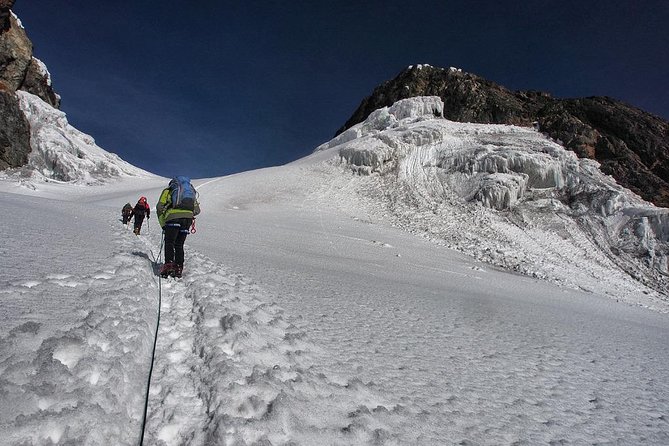
- Margherita summit push from the glacier route: a steady plan with a roughly 3-hour summit hike from the Stanley glacier line.
- Clear hut milestones: Nyabitaba, John Matte, Bujuku, Elena, Kitandara, and Guy Yeoman keep the days structured.
- Big variety of mountain habitats: plantations, homesteads, rivers, bamboo, heather, bogs, mossy glades, and alpine passes.
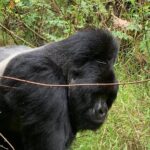
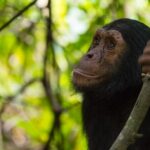
- Wildlife and endemics in the park: over 70 mammals and 217 bird species, including Albertine Rift endemics.
- The everlasting flower stop has story and setting: a legendary long-lived plant is part of the mid-route experience.
- Value math looks good for the package: meals plus all fees and taxes are included, though guide service fee and insurance are not.
Mountains of the Moon: what makes the Rwenzori trek different
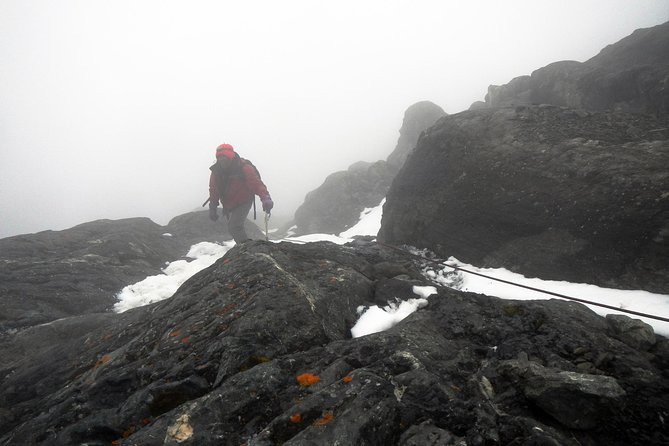
The Rwenzori range sits in western Uganda near the Uganda–Congo border. The big idea here is that the mountains act like a vertical journey through climates. Even though you’re in the tropics, the range is known for permanently snow-capped peaks and glacier conditions near the high end.
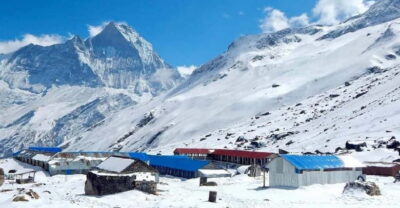
That’s the “why” behind this trek. You’re not just hiking one type of trail. You’re moving through different mountain zones day by day—starting with plantations and homesteads, then shifting into bamboo forest, thick heather, bog country, mossy alpine glades, and finally the cold, high-air feeling that comes with glacier routes.
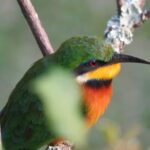
The park context also matters. The Rwenzori Mountains National Park is described as home to over 70 mammals and 217 bird species, including 19 Albertine Rift endemics. You might not see everything in one trip, but it explains why guides take the biodiversity seriously. Even the plants have reputations: the route includes mentions like the everlasting flower legend, and that’s part of what makes these mountains feel special—plants you only get in this region.
Finally, this trek aims for the high point: Margherita, described as the highest peak in the range and the third highest in Africa. If you’re chasing altitude variety and a real “top of the world” moment, this is the kind of route designed for that.
You can also read our reviews of more tours and experiences in Kampala.
Price and logistics: what you get for $2,390 (and what to budget)
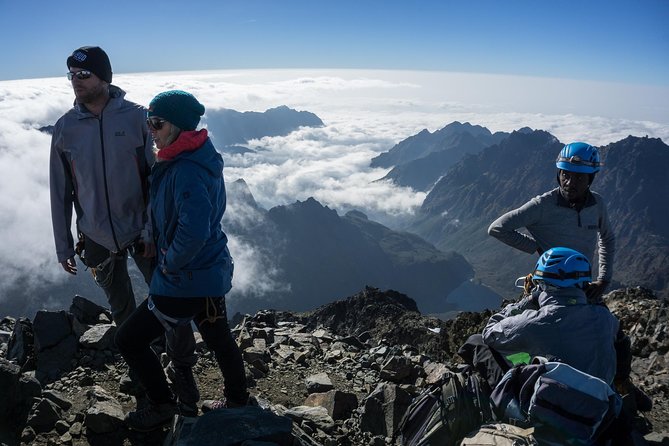
At $2,390 per person for about 9 days, the value depends on what you consider “core costs” versus add-ons. Here’s what the package lists as included: all fees and taxes, meals (8 lunches, 7 dinners, 7 breakfasts), and admission tickets free.
That’s meaningful on a trek like this because park access and day-to-day food can add up fast when you’re coordinating everything yourself. Also, the tour is private, so you’re not sharing guides and planning with strangers.
What’s not included is the part you should double-check before paying: the guide service fee and any private expenses and travel insurance. The itinerary also says you’ll report at the Rwenzori Mountains National Park headquarters for a briefing and to hire relevant equipment before you hit the trails. The tour price says all fees and taxes are included, but it does not explicitly say what equipment costs are covered versus what you might pay on the ground, so ask that question early.
One more practical point: the listed start meeting point is Entebbe Airport, and the opening hours run daily from 6:00 AM to 8:00 PM. Day 1 also describes a drive from Kampala with a stop at Mbarara town and an equator photo stop. So plan for a full travel day before the first hiking day, not a quick “get going at dawn” situation.
Day 1 in Uganda: equator photos, Mbarara lunch, and night before the trail
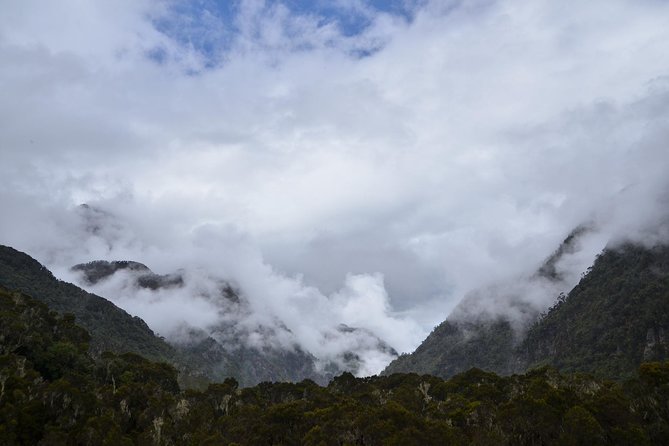
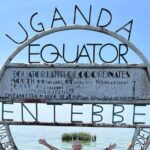
Your trek starts with pickup from a suitable location in Kampala. On the drive southwest, you’ll stop at the equator for photos—standing in both hemispheres—and even a few hands-on experiments that show what the equator is like.
Then you continue on toward Mbarara town for lunch. After that, you reach the Rwenzori region in the evening and stay at your chosen accommodation for dinner and overnight.
Why this day is more than a transfer day: you’re letting your body settle into the rhythm. You also get an early taste of Uganda beyond the mountain itself—town lunch, equator stop, and the road-time reality of getting to far-western trails.
The main consideration is timing. You’ll likely arrive tired from travel. Don’t assume you’ll be fresh for tomorrow’s first hiking block, even though Day 2 is only described as a 5–6 hour hike segment.
Days 2–4: Nyakalengija to Nyabitaba, John Matte, and Bujuku huts
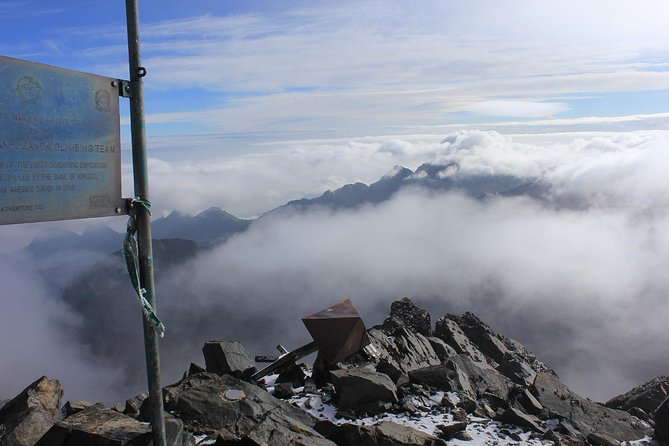
These days are about building your hiking legs and learning how the mountain feels at human speed.
Day 2: Nyakalengija trail to Nyabitaba hut
You report at the Rwenzori Mountains National Park headquarters for a briefing and to hire the relevant equipment. Then the hiking begins from Nyakalengija.
The route runs through plantations and humble homesteads of the Bakonjo—so you start with a more lived-in feel. You cross the Mahoma River and continue to Nyabitaba hut, at about 2,652m. The hiking time is listed as 5–6 hours.
What you should watch for: this is where trail texture matters. River crossings, changing ground, and the shift from lower vegetation to mountain conditions can make a “moderate” day feel longer than expected if you go too fast.
Day 3: John Matte hut through bamboo and boulder hopping
Day 3 starts with a descent of the ridge to the Mukubu River. Then you climb through bamboo forest toward John Matte hut (3,380m).
In the afternoon, the description gets a bit more rugged: climbing and hopping through a boulder, then ascending via the north side of Bukuju River through a giant heather forest. Expect 5–6 hours again, and you sleep at John Matte.
This is a good day to practice controlled pacing. Boulder hopping and river-side climbs reward steady steps. If you rush, you’ll pay later.
Day 4: John Matte to Bujuku hut and bog country
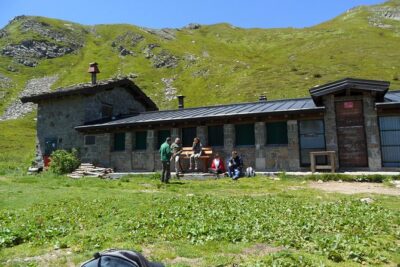
You trek from John Matte hut (3,380m) to Bujuku hut (3,977m). This stretch is known for bogs, described as a most common feature.
You traverse via Bigo bog and Lake Bujuku. The route also includes a reference to the mythical everlasting flower, said to stay on the plant for about 40 years. You spend the night at Bujuku.
The big consideration here is comfort and footwear. Bog sections can slow you down and leave you damp. The plan still clocks an 8-hour day, so even with breaks, you’ll likely feel it.
Days 5–6: Scott Eliot Pass, Elena hut, and the Margherita summit day
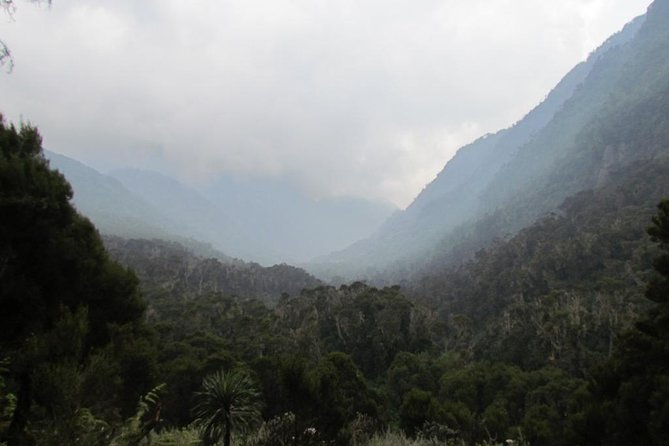
This is where the trek turns serious in a way you can feel. The air changes. The route narrows. And the story moves from “ecosystem hiking” to “summit hiking.”
Day 5: Scott Eliot Pass (4,372m) to Elena hut (4,540m)
You leave Bukuju hut and climb through moss-covered groundsel greenery. The high point of the day is Scott Eliot pass at 4,372m, between mountains Baker and Stanley.
From there, you go on to Elena hut (4,540m) for the night. The next day’s ascent targets Mount Stanley and the Margherita route.
This day matters because you’re sleeping high. Even if you don’t summit today, your body still needs recovery. If you treat this day casually, tomorrow will punish you.
Day 6: Stanley plateau, Margherita glacier, and the summit push
Day 6 starts early. You hike from Elena hut to the Stanley plateau.
Then you follow the Margherita glacier to the summit. The summit hike is described as about 3 hours. After that, you descend back via Elena hut, proceeding to upper Kitandara lake. You pass through the mass of thick mad, then continue to lower Kitandara lake, stopping at Kitandara hut.
You also go on to climb Mount Baker or Mount Louig do Savoia and to the peak – Vittorio sella.
This day is the emotional peak of the whole trek. But it’s also the hardest from a decision standpoint: moving well on cold, high sections is about pacing, not speed.
If the day looks long on paper, it probably is. You’ll need to accept that summit time can feel both fast and slow, depending on your acclimatization and how weather behaves.
Days 7–8: Freshfield Pass, Kabamba shelters, and the way back down
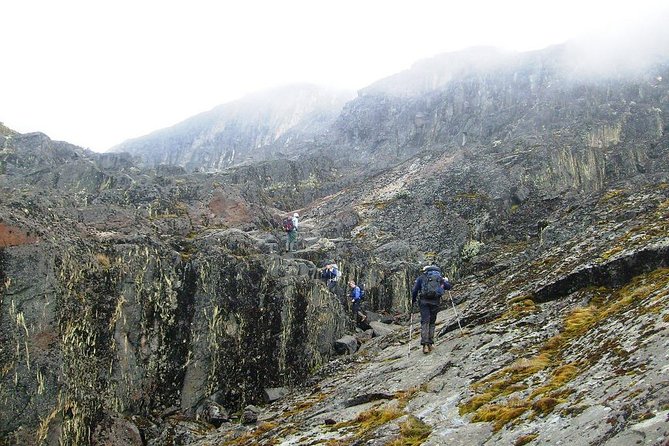
After the high point, the goal shifts. You’re still hiking hard, but the mountains start to feel different because the route is changing.
Day 7: Freshfield Pass and the Kabamba valley route
You leave Kitandara lake and ascend to the Freshfield pass (4,282m). Then you hike along a ridge of high alpine mossy glades.
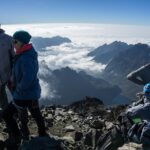
Next comes a descent through rocks and bogs, with big panorama moments listed for Mount Stanley, Mount Baker, and Mount of Savoy. After that, you take a soggy trail through Bujongolo, Akendahi, and Kabamba rock shelters.
This is where the Kabamba valley starts, leading to Guy Yeoman hut (about 3,261m). This hike can last up to 6 hours.
What makes this day special: you get multiple views without the same summit pressure. It’s a chance to enjoy the mountain while your legs still cooperate.
The drawback: soggy trails and bogs keep the difficulty level up even when the elevation goals are lower.
Day 8: from Guy Yeoman hut back toward Nyabitaba
Day 8 brings you from Guy Yeoman hut toward Nyabitaba hut.
To get there, you descend along Mubuku River, past Kichuchu (a rock shelter), then joining the original route down to Bujuku River. The segment to Nyabitaba is described as about the last 2–3 hours, and you spend the night at Nyabitaba hut.
This is where many hikers feel relief. The mountain is still tough, but you’re no longer climbing toward the highest areas. Focus on keeping your footing smooth so the final days don’t turn into a slog.
Day 9: steep descent to the base, equipment check, and ride back to Kampala
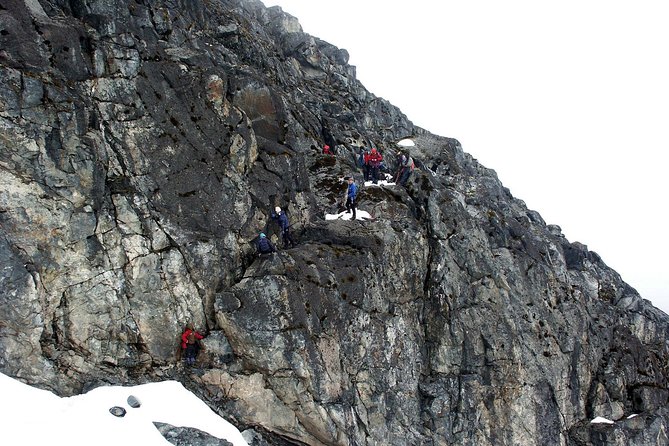
On the last day, you leave Nyabitaba hut in the morning and descend steeply off the ridge through lush vegetation to the base of the mountain.
You then go to the park headquarters to hand in any equipment you hired. Finally, you travel back to Kampala, arriving late evening, marking the end of the 9 days.
This day is short on story beats but long on physical reality. Steep descent can stress knees and ankles, so take it slow at the start of the day, not the end.
What to expect on the trek: weather, pace, and hut life
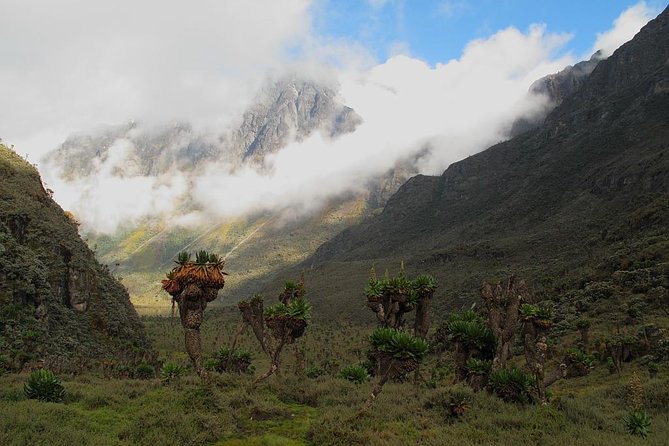
This experience requires good weather. That matters because glacier conditions and high passes depend on visibility and safety. If the trek is canceled due to poor weather, the policy is to offer a different date or a full refund.
The itinerary also suggests an active day rhythm. Each day is listed as roughly 8 hours, even though some hiking segments are described as 5–6 hours. That’s a clue: time adds up with briefing, moving between trail sections, breaks, and hut logistics.
Fitness-wise, the tour calls for moderate physical fitness. That’s not casual hiking. Think “you can handle long walks with elevation” rather than “you hike sometimes and call it good.”
Also, because there are snow-capped peaks in the park description and glacier travel near the top, expect cold conditions at altitude. Even in the tropics, you won’t feel that warmth at high elevations.
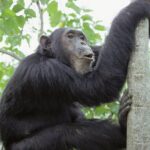
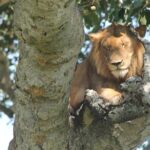
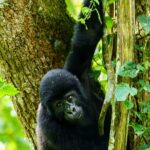
Finally, the wildlife and plant variety can add mental energy. The route passes places where species like Rwenzori Turaco, monkeys, and chimpanzees are mentioned as part of the park’s life. You won’t see everything, but the setting is built for real sightings if you stay patient.
Who this trek is best for (and who should think twice)
This is best for people who want a serious mountain hiking goal without cramming in a dozen countries. You’ll get a focused 9-day plan, with private-group flexibility and a route designed around altitude progression.
I’d especially recommend it if:
- You want to reach Margherita and you understand that summit days are about timing and weather.
- You enjoy varied trekking terrain: bamboo, heather forests, bogs, alpine passes, and glacier sections.
- You like the local element too, with Bakonjo areas showing up early on.
I’d think twice if:
- You hate long, uneven walking.
- You’re not comfortable with steep descents and the idea that your knees may feel it on Day 9.
- Your travel dates don’t allow you to handle weather shifts.
One more note: feedback tied to this operator includes a guide named George being described as kind and well-informed on other park visits, which is a good sign that they take guide quality seriously. Separately, there are reports of odd-hour airport pickup at Entebbe in other trips, which can make arrival stress lower when schedules get messy.
Should you book this 9-day Rwenzori trekking safari?
If you want Uganda’s highest mountain range on a true hiking route to Margherita, this is an excellent match. The price looks fair because meals and fees and taxes are included, and the plan is built around named huts and clear high-pass stages. You’re paying for organization, not just walking.
Before you book, do two quick checks so there are no surprises:
- Confirm what’s covered under equipment hiring versus what might be billed separately at the park headquarters.
- Budget for the guide service fee and travel insurance, since those are not listed as included.
If you can commit to long hiking days and you’re okay with the mountain depending on good weather, you’ll likely love how fast the Rwenzori changes around you—from plantations and river crossings to glacier and summit time.
FAQ
Where is the trek meeting point?
The meeting point is listed as Entebbe Airport, Entebbe Uganda. Day 1 also says you’ll be picked up from a suitable location in Kampala.
How long is the Mountain Rwenzori trek?
It’s a 9-day safari (approx.).
Is this tour private?
Yes. It’s a private tour/activity, so only your group participates.
What fitness level do I need?
The tour is aimed at travelers with a moderate physical fitness level.
What is included in the price?
All fees and taxes are included, along with meals: 8 lunches, 7 dinners, and 7 breakfasts.
What is not included?
Guide service fee is not included, and neither are any private expenses or travel insurance.
Do I get a briefing and equipment before hiking?
Yes. On Day 2, you report at Rwenzori Mountains National Park headquarters for a briefing and to hire relevant equipment before hitting the trails.
Does the itinerary include admission ticket costs?
Admission ticket costs are listed as free.
What weather conditions are required?
Good weather is required. If it’s canceled due to poor weather, you’ll be offered a different date or a full refund.
Can I get a refund if I cancel?
Yes. You can cancel up to 3 days in advance for a full refund, and within 3 days there is no refund.