REVIEW · HANOI
Sapa Trekking 2 Days 1 Night From Hanoi With Local Guide
Book on Viator →Operated by Hanoi Green Travel · Bookable on Viator
Sapa starts with a long ride and big views. This 2-day trek from Hanoi pairs a sleeper bus transfer with guided walks through Sapa’s rice terraces and ethnic villages, including the famous Cat Cat Village area. I like the focus on local ethnic guides, and I also like how the pacing mixes steep moments with breaks for real cultural stops.
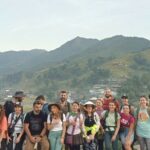
You’ll travel with a small group (up to 15), which makes the trek feel more human and less like you’re herded around. Guides such as Ku, Cat, and Vu stand out in the way they connect the scenery to daily life—where to walk, what you’re looking at, and how communities actually live in the valley.
One consideration: you need moderate fitness and good walking shoes. There’s a full Day 2 trekking segment (about 12 km total) and the tour requires good weather, so rain and mist can affect comfort and visibility.
In This Review
- Key highlights
- Hanoi to Sapa Trek: what you’re really signing up for
- The 6:30 am Hanoi start and the sleeper bus rhythm
- Day 1: arriving in Sapa, then Cat Cat Village by valley walk
- Cat Cat Village: Black H’mong area and a French-era stop
- Evening in Sapa town
- Day 2: the Muong Hoa Valley terraces trek to Y Linh Ho, Lao Chai, and Ta Van
- The numbers that matter: about 12 km total
- Y Linh Ho and Lao Chai: downhill trail time
- Lunch and the Ta Van family-cottage experience
- What can go wrong on Day 2
- Where the guides and cultural stops add real value
- Price and logistics: is $85 good value?
- Physical fitness and what to pack for a two-day trek
- Who this trek suits best (and who should rethink it)
- Should you book Sapa Trekking 2 Days 1 Night from Hanoi with a local guide?
- FAQ
- What time does the tour start in Hanoi?
- Is pickup included?
- How much trekking is included?
- What meals are included?
- Is there an overnight stay?
- How many people are in the group?
- What if the weather is bad?
Key highlights
- Small-group trek (max 15) for a more personal pace and better guide attention
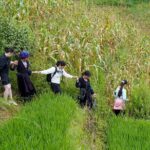
- Local ethnic guides in the field who can explain village life where you’re walking
- Cat Cat Village walk plus a French-era site including a power plant built in 1925
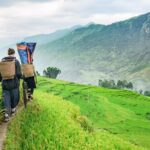
- Muong Hoa Valley terraces route with downhill hiking and big rice-field views
- Ta Van village visit with a family cottage experience with the Dzay people
- One included overnight in Sapa plus meals that keep you from scrambling for food
Hanoi to Sapa Trek: what you’re really signing up for
This is a classic “fast but meaningful” Sapa setup. You’re not just ticking off viewpoints—you’re moving through the valley on foot, meeting communities along the way, and getting one proper night in the Sapa area. The best part is that the trek is structured around places you can understand in context: rice terraces, village routes, and the cultural identity of Sapa’s ethnic groups.
Price matters here. At $85 per person, you’re covering more than transportation. You’re getting an English-speaking guide, local fees, air-conditioned ground transport, and an overnight option—plus meals built into the plan. That’s the kind of value you want on a tight schedule, especially if you don’t want to coordinate multiple tickets, guides, and meal stops on your own.
The trade-off is that you’ll move early and you’ll walk. This isn’t a gentle stroll. It’s a trekking itinerary that assumes you’re ready for at least one solid day of downhill hiking and one earlier village walk.
You can also read our reviews of more tours and experiences in Hanoi.


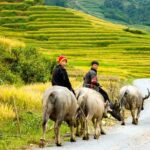
The 6:30 am Hanoi start and the sleeper bus rhythm
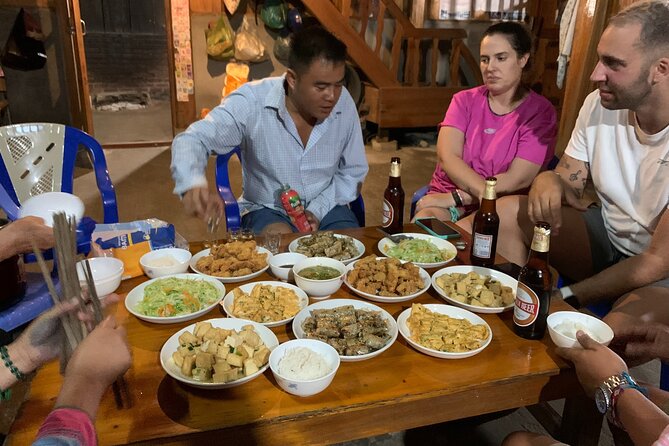
The tour kicks off at 6:30 am, with pickup from the Hanoi Old Quarter area. This early departure is the hidden engine of the whole trip. It gives you time to reach Sapa, check in, and still fit in the Cat Cat route on Day 1.
Then you’re on a sleeper bus for the Hanoi–Sapa transfer. Sleeper buses are a practical choice in Vietnam when you’re trying to compress time. You trade a bit of comfort for speed, but you don’t lose an entire day to transit.
Two timing realities to plan for:
- Expect long travel days. Day 1 and Day 2 both run roughly 12 hours.
- The trip ends in Hanoi at around 21:30, so don’t schedule anything important right after.
If you hate mornings, this might test your patience. If you like getting things done and maximizing daylight views, you’ll probably appreciate it.
Day 1: arriving in Sapa, then Cat Cat Village by valley walk
Day 1 is built around a welcome-to-Sapa transition. You arrive around 13:00, then meet your local guide at the bus station and head to your hotel. After that, you’ll have lunch at a local restaurant before the afternoon trekking segment.
Cat Cat Village: Black H’mong area and a French-era stop
At about 14:30, you drive to the gate of Cat Cat Village, a Black H’mong community at the foot of Fansipan Peak. From there you walk downhill about 2.5 km over roughly 2 hours.
Along the route, you’ll see:
- A waterfall area
- A power plant site built by the French during colonial times in 1925
- A short cultural performance window, around 40 minutes, by boys and girls from the village
This combination is why Cat Cat remains popular. You get scenery, a physical downhill walk, and a structured cultural moment without needing extra planning.
One small caution: the walk is easier than Day 2’s main trek, but it’s still downhill. Wear shoes with grip and keep an eye on footing near wet patches.
Evening in Sapa town
Back in Sapa Town by 17:00, Day 1 ends with dinner at the hotel and free time to explore. This is your breathing room. If you want to snack, recharge your phone, or get comfortable with Sapa’s streets before the next day’s hiking, this is the time.
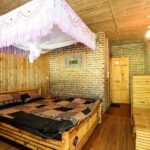
You’ll sleep overnight in Sapa—either at a hotel or via a homestay option—depending on what’s available in the package you booked.
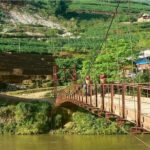


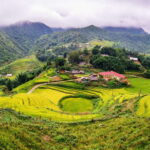
Day 2: the Muong Hoa Valley terraces trek to Y Linh Ho, Lao Chai, and Ta Van
Day 2 starts early with breakfast between 7:00 and 8:00, then check out. You’ll prepare a light pack for trekking, which is smart: carrying too much is the fastest way to make a trekking day feel exhausting.
The numbers that matter: about 12 km total
The route covers about 12 km of trekking across visits to three villages with two minority groups. The schedule breaks it down into a longer downhill segment and then several village-to-village connections.
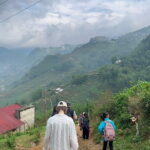
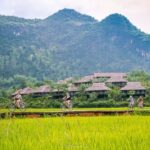
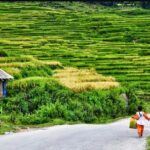
You’ll first trek 9 km down to Muong Hoa Valley. Muong Hoa Valley is where you come to understand why Sapa is so visually famous: the rice-field terraces look like they were built for hiking. It’s also where the local hill tribes live and work on those terraces, so the scenery isn’t just pretty—it’s a working landscape.
Y Linh Ho and Lao Chai: downhill trail time
Around 10:00, you continue downhill through Y Linh Ho and Lao Chai. The itinerary gives about 3.5 hours for this segment on a small trail, ending at a place described as a mountainside for resting.
This is the part where a good guide makes a difference. Local guides help you pace without rushing, and they can explain what you’re seeing in practical terms—why the fields look the way they do, and how paths connect communities.
Lunch and the Ta Van family-cottage experience
At 12:30, you’ll have lunch at a local restaurant.
Then, after lunch, you keep trekking along the valley bottom toward Ta Van village of the Dzay people. The tour is designed for more than passing through. You’ll experience life with a local family cottage visit as part of the afternoon.
At 14:30, a bus transfer brings you back toward the hotel area so you can pick up luggage and prepare to head back to Hanoi.
By 15:30, your guide transfers you to the bus station back to Hanoi, arriving around 21:30.
What can go wrong on Day 2
Even when the weather is good, Day 2 is demanding simply because it’s long. Add rain, and the trail can get slippery. That’s why the tour notes that it requires good weather.
If you’re the type who hates sweating for hours, this day may feel tough. If you’re comfortable with downhill trekking and you like meeting people along the way, it’s the heart of the trip.
Where the guides and cultural stops add real value
This tour stands out most in the people part. The guides are English-speaking and—crucially—local ethnic guides. In the feedback tied to this experience, guides like Ku, Cat, and Vu are praised for exactly the kind of help that improves your trip, not just your photos.
Here’s what that practical guidance usually looks like on this route:
- Explaining village life and what you’re seeing while you walk
- Helping you understand which trails are safest and where the best views open up
- Pointing you toward good food choices in the village restaurants
It’s not only storytelling. It’s navigation, pace, and comfort, rolled into one.
Also, the Cat Cat afternoon performance is a quick, structured cultural moment. It’s short enough to keep the trek moving, but it’s meaningful because it’s tied to the community you’re visiting.
Price and logistics: is $85 good value?
At $85 per person, this is priced for travelers who want a guided Sapa trek without building it from scratch. What makes it reasonable is what’s included:
- Air-conditioned vehicle
- English speaking guide
- All fees and taxes
- Pickup offered
- Mobile ticket
- Meals built into the itinerary (lunch and dinner on Day 1; breakfast and lunch on Day 2)
- One overnight stay included (hotel or homestay, tied to Day 1)
What you don’t get:
- Alcoholic drinks
- Private transportation
Is it perfect value? It depends on how you travel.
- If you’d otherwise pay separately for bus tickets, a guide, and village entry/fees, this package can save real time and effort.
- If you prefer total independence and dislike fixed meal times or scheduled performances, you might feel boxed in.
The group size cap of 15 travelers helps a lot with value. In a smaller group, you spend less time waiting and more time actually enjoying the day.
Physical fitness and what to pack for a two-day trek
The tour asks for moderate physical fitness. Day 1 has a shorter village walk (about 2.5 km), but Day 2 is the long one with roughly 12 km total trekking.
To make it feel manageable, focus on the basics:
- Sturdy shoes with grip (downhill is unforgiving)
- A light daypack for the Day 2 trekking segment
- Layers for temperature swings (Sapa can feel cool, especially in mist)
Because the plan includes a light pack on Day 2, you should avoid overpacking. Your comfort is mostly about weight and footing.
Who this trek suits best (and who should rethink it)
This is a great fit if you:
- Want a guided Sapa trek but don’t want to plan everything yourself
- Enjoy walking with cultural stops, not just viewpoint-hopping
- Like the idea of ethnic local guides explaining daily life as you pass through
You might rethink it if you:
- Struggle with long downhill hiking
- Don’t handle early mornings well (the start is 6:30 am)
- Are sensitive to weather changes since the tour depends on good conditions
Should you book Sapa Trekking 2 Days 1 Night from Hanoi with a local guide?
I’d book this if your goal is the classic Sapa experience: terraced rice views, village visits, and a real local guide who can translate the place into something you can actually understand while you walk. The $85 price makes sense because it bundles transportation support, an English-speaking guide, meals, and an overnight.
I’d also book it with one mindset: this is an active trek. If you’re ready for that, you’ll get a trip that feels like it has shape and purpose, not a rushed checklist.
If you hate hills, start late, or want zero physical effort, look for a gentler option. But if you want a two-day window that actually shows you how Sapa works, this one is a strong call.
FAQ
What time does the tour start in Hanoi?
It starts at 6:30 am, with pickup from the Hanoi Old Quarter departure area.
Is pickup included?
Yes. The tour includes pickup offered, and the itinerary notes a hotel pickup in the Hanoi Old Quarter.
How much trekking is included?
Day 1 includes a 2.5 km village walk that takes about 2 hours. Day 2 includes about 12 km of trekking to visit three villages.
What meals are included?
The itinerary includes lunch and dinner on Day 1, and breakfast and lunch on Day 2.
Is there an overnight stay?
Yes. The tour includes an overnight stay in Hotel or Homestay for the trip’s first night. Day 2 does not include accommodation.
How many people are in the group?
The tour has a maximum of 15 travelers.
What if the weather is bad?
The tour requires good weather. If it’s canceled due to poor weather, you’ll be offered a different date or a full refund. Confirmation is received at booking time.