REVIEW · KATHMANDU
Manaslu Circuit Trek
Book on Viator →Operated by Outshine Adventure Pvt Ltd · Bookable on Viator
One big pass later, you’ll wonder how you ever lived without this view. The Manaslu Circuit packs Himalayan scenery with real trekking days through forests, villages, bridges, and high, cold ridgelines.
I love how the trip is built for comfort where it counts: you get Kathmandu sightseeing with a private car and guide before you start walking, and you’re not left guessing about the trek logistics once you’re on the ground.
The one possible drawback is that this route is still a serious trek at altitude, and you’ll be dealing with long walking days plus the famous high-pass crossing—so you’ll want solid stamina, not just a good pair of shoes.
In This Review
- Key reasons this Manaslu Circuit trek feels well-run
- Kathmandu first: sightsee, prep, then get out of the city
- The long drive to the trailhead: where Nepal starts teaching you pacing
- Tatopani, hot spring time, and rocky ridges toward Jagat
- Manaslu views start becoming a daily habit (Namrung to Lho Gaon)
- Samagaon and the acclimatization pause that saves your trip
- The high-pass day: Larkya La on rugged, loose terrain
- Back to Kathmandu: a long day, then rest and a farewell dinner
- Price and logistics: what $1,575 covers (and where you still need to budget)
- Real trail value: bridges, prayer walls, and the people factor
- Should you book the Manaslu Circuit with Outshine Adventure?
- FAQ
- Where does the Manaslu Circuit trek start?
- What time does the tour start?
- How long is the trek?
- Is airport pickup and drop-off included?
- What kind of accommodation do you get?
- Are meals included?
- What permits are included?
- Is tipping included in the price?
- What is the cancellation policy?
Key reasons this Manaslu Circuit trek feels well-run
- Hotel time in Kathmandu that actually helps: 3 nights plus a guided city tour to get your bearings before the hike
- Permits handled: Manaslu Special Permit, Trekking Permit, and conservation area permits are included
- English-speaking guiding and local support: a licensed English guide, plus porters for your luggage
- A smart acclimatization rhythm: rest in Samagaon and short hikes (base camp or Punggen Gompa) before the high pass
- Cold-weather gear included if you need it: down jacket and sleeping bag available through Outshine Adventure
Kathmandu first: sightsee, prep, then get out of the city
Kathmandu can feel like sensory overload, so I like that this trip gives you time to settle in. You’ll land at Tribhuvan International Airport and meet an airport representative holding a sign for Outshine Aventure. Then it’s hotel check-in, paperwork and trip info at their company, and you’re ready to start the city portion without stress.
Your Kathmandu tour covers the big classic sites by private car: Kathmandu Durbar Square, Swayambhunath (Syambhunath), Boudhanath, and Pashupatinath. You also get an expert guide to explain what you’re seeing. This matters because the monuments aren’t just photo spots—you’ll understand the symbolism, the layout, and why people come back again and again. Afternoon time is built in for equipment shopping or prep, which is honestly the smartest way to handle gear gaps before trekking starts.
One practical note: monument entrance fees aren’t included. So if you’re planning to hit every paid spot, bring a buffer. Also, the meeting point is in Paknajol, and it’s described as near public transportation—handy if you need to pop out for one last thing.
You can also read our reviews of more tours and experiences in Kathmandu.
The long drive to the trailhead: where Nepal starts teaching you pacing
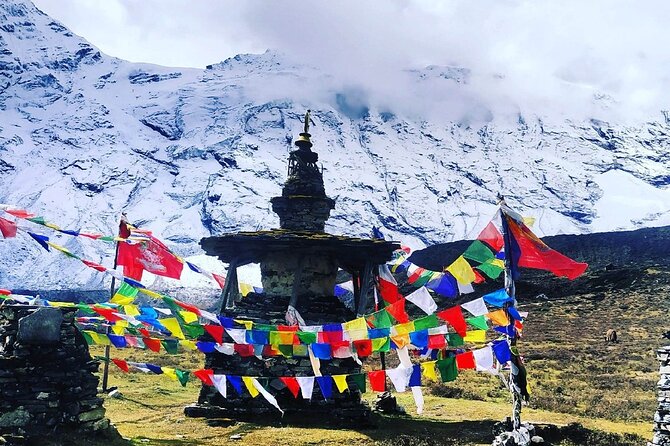
Before your first footsteps, you get a drive from Kathmandu into the hills. Day 3’s push takes you through the outskirts and small settlements, with roadside views that slowly shift away from city life. You reach Soti Khola, have lunch, and then settle in for the night at a guesthouse.
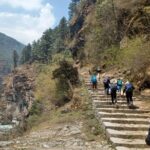
Then day 4 turns those first impressions into real walking. You cross a bridge and head through Sal forests, which means cooler air and the kind of trail texture that makes your legs wake up. You’ll also cross a couple of waterfalls and deal with that classic circuit rhythm—up a ridge, down again, and repeat. Rice terraces appear as you descend, and later you climb toward Labubesi.
Machha Khola is next on the rhythm list, with more ups and downs and at least one suspension bridge before you arrive. This is where the trek starts feeling like a circuit, not just a hike: the bridges, the changing vegetation, and the steady movement day after day.
If you’re the type who likes to feel progress (not just endurance), this first segment rewards you. You see the valleys open and close like chapters—short, dramatic scenes.
Tatopani, hot spring time, and rocky ridges toward Jagat
Once you’re into day 5, you’ll notice the route keeps mixing scenic breaks with real effort. You start on a narrow trail and cross Tharo Khola before reaching Khorla Besi. Then you continue to Tatopani, known for a small hot spring.
That hot spring stop is more than a quirky highlight. After several hours of walking, warm water can take the edge off sore feet and stiff calves—so you’ll appreciate it even if you skip a long soak. From there, you ascend to a ridge, cross the Budhi Gandaki River via a suspension bridge, and climb up to Jagat.
On paper, it’s just another day. On the ground, that “up to Jagat” feels like your first taste of how the route will treat your breathing. You’re not just walking through scenery—you’re climbing through it.
Day 6 keeps the momentum. Permits are checked, then you ascend on a rocky ridge to Salleri, descend to Sirdibas, and cross a long hanging bridge. You’ll pass through waterfalls and reach Philim, then move toward the river and cross suspension bridges multiple times before landing at Deng.
This segment is great if you like variety: forest, river crossings, waterfalls, and ridges. It’s also where I’d say you should pay attention to footing. Suspension bridges are fun, but they demand steady balance.
Manaslu views start becoming a daily habit (Namrung to Lho Gaon)
Day 7 is a classic circuit day: you cross the Budhi Gandaki River, ascend to Rana, then climb toward the west side of the valley. The route threads through lush green forests, small villages, and narrow gorges, plus lots of stream crossings. Eventually you reach Namrung Village.
Namrung is one of those places where the scenery and the lived-in feel of the trail overlap. You’ll see mountain life, not just mountain views.
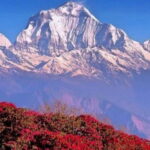
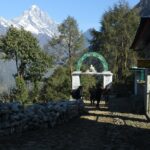
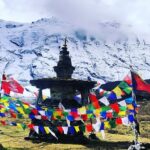
Day 8 leans hard into visual payoff. You trek through the inner Himalayan range and the views start stacking: Mt. Manaslu, Gorkha Himal, Saula Himal, Dwijen Himal, Lajing peak, and Rupina La Pass are all on the sight list. Along the way, you’ll see chortens, prayer flags, and mani walls, and you’ll end in Lho Gaon.
This is one of my favorite stretches of any circuit trek because it feels like walking in a mountain museum where the exhibits move. Religious markers aren’t random decoration here—they’re part of how locals and trekkers share the path.
If you’re traveling with a phone, give yourself permission to pause and look up. The circuit teaches you quickly that the best shots are the ones you only notice after you stop rushing.
Samagaon and the acclimatization pause that saves your trip
Day 9 starts with breakfast and continues on the right bank of a river to Sama Gaon. Along the way you’ll see numerous peaks—this is a preview that keeps teasing what’s coming later.
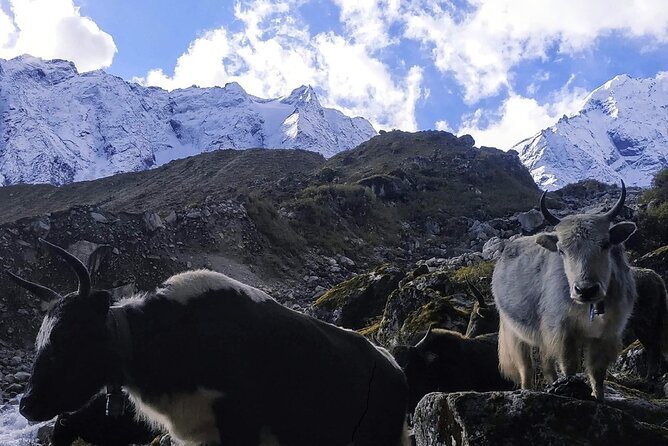
Day 10 is the big “don’t rush” day. It’s recommended to stay in Samagaon more than one night for acclimatization, with the option of a short hike to Manaslu Base Camp or Punggen Gompa. This is where I’m glad the trek includes time to adjust. Spending extra nights at the right altitude reduces the chance you’ll feel wrecked when the pass day arrives.
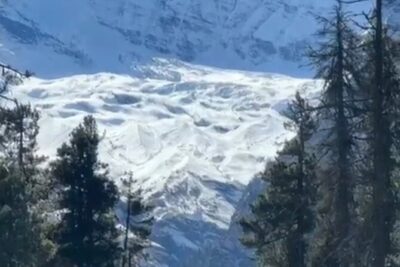
You’re surrounded by mountains and a peaceful forest setting, and the hikes offer views such as Samdo (Pang phuchuli), Nagdi chuli, Simnang Himal, Manaslu glacier, and Manaslu icefall. Even if you don’t go all the way to base camp, you’ll still get the reward of altitude-aware effort.
Day 11 keeps it light and practical: a short easy trek to Samdo. You cross mani walls and juniper bushes, then ascend to a ridge, descend to cross Buri Gandaki on an old wooden bridge, and reach Samdo Village for the night. It’s the kind of day that keeps your legs moving without burning you out.
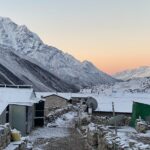
The high-pass day: Larkya La on rugged, loose terrain
Day 12 is another short, easy day after Samdo—descend toward a bridge, cross Budhi Gandaki River, and slowly ascend toward the Dharamsala. It sounds simple because it is compared to what follows.
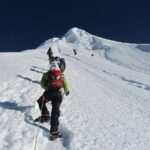
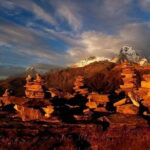
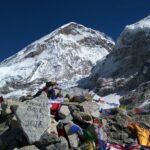
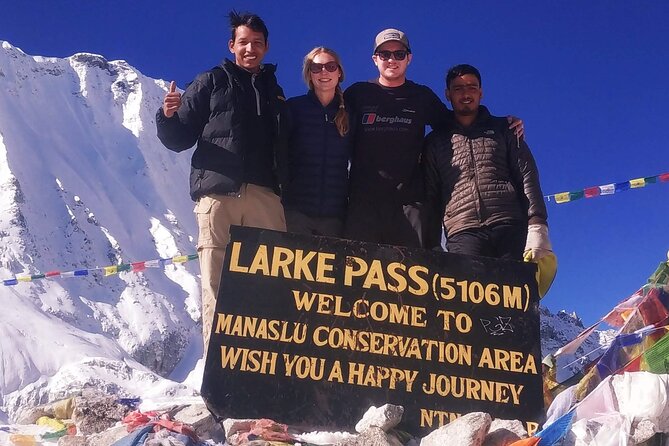
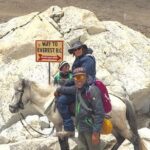
Day 13 is the long one: early start, ascend on a ridge, then continue up to Larkya La Pass through a rugged path. You’ll get breathtaking mountain views from there, then descend on a loose rocky trail to Bimthang.
This day is where your preparation shows. The itinerary points out a rugged climb and loose rocky descent, which is exactly what you should plan for physically. Wear shoes you trust on uneven ground, use trekking poles if you’ve got them, and keep your pace controlled—slow enough that you can keep breathing.
Also, expect the high-pass environment to feel colder and more exposed than lower parts of the trek. The route description doesn’t list exact temperatures, but it does signal the “ridgeline and pass” nature of the day. Pack layers like you mean it. (Good news: a down jacket and sleeping bag are included if needed.)
Day 14 then drops you down all the way to Gho. The trail descends for around 6 hours, and you stay overnight there.
Day 15 continues the downhill theme: descend about 4 hours to Dharapani, where you spend the night. In trekking terms, this is the payoff—your legs finally get the kind of work that feels like progress instead of climbing.
Back to Kathmandu: a long day, then rest and a farewell dinner
On day 16, you leave the trekking landscape for the road. After breakfast, you drive back toward Kathmandu, reaching Besishahar and then continuing until you’re back in Kathmandu for rest. The day ends with a delicious farewell dinner, which is a nice ritual after a trek that can leave you hungry for both calories and conversation.
Day 17 is a clean finish: after breakfast, you transfer to the international airport based on your flight time. The trip also mentions you can increase the tour or add extra activities if you have extra days, which is useful if you want a slower finish or more Nepal sightseeing after the trek.
If you want a practical sanity check: keep your first Kathmandu day after the trek low-key. Your body will need time to switch from trekking effort to city comfort.
Price and logistics: what $1,575 covers (and where you still need to budget)
At $1,575 per person for about 17 days, this trek isn’t a budget “DIY at all costs” option. But it isn’t a luxury bubble either. The value is in the items you’d otherwise spend time and energy sorting out yourself.
Here’s what you get that reduces headaches:
- Airport/hotel transfers by private car in Kathmandu, plus surface transfer to and from Kathmandu
- 3 nights in Kathmandu with a standard hotel and a guided Kathmandu city tour by private car
- All trek meals (breakfasts, lunches, dinners are included in the trek portion)
- Best available lodges/guesthouses during the trek
- Local licensed English-speaking guide
- Porters and local staff to carry your luggage
- Manaslu Special Permit, trekking permits, and conservation park permits handled
- Down jacket and sleeping bag provided if needed
- Taxes covered
What you should still plan for:
- Travel insurance (not included)
- Personal items like alcoholic/cold drinks, laundry, and trekking equipment
- Tips for trekking staff and driver-tipping are expected
- Kathmandu monument entrance fees (the city tour is guided, but fees aren’t included)
Also, group size max is 15, which usually makes the trek feel more personal than huge group tours. It matters on narrow sections and during acclimatization days when pacing and space become more than comfort—they become safety.
If you’re comparing to a DIY plan, the biggest win here is permit handling plus staff support. For a high-altitude region, those “small” admin tasks can turn into big time sinks.
Real trail value: bridges, prayer walls, and the people factor
You can read a trek description and know you’ll see mountains. The part that’s harder to copy is the daily rhythm—and the human support behind it.
In past trips, people have specifically credited guides like Nabu and Bikash for strong support. One story highlights how a guide weighed whether it was sensible to continue or choose a different option, and that’s the kind of judgment call that matters more than having a perfect route on paper.
You’ll also get the cultural textures that make the trail feel lived-in: chortens, prayer flags, mani walls, and villages where you’re not just passing through. Even the suspension bridges and waterfalls aren’t just “cool scenery”—they break up the walk into moments you can mentally reset.
And yes, the views matter. Manaslu is the headline, but the circuit’s magic is that the scenery changes as you move: river crossings, ridges, forest shade, then open, cold pass air later.
One warning I’ll give you plainly: keep your expectations flexible. This is Nepal at altitude. Weather, fatigue, and trail conditions can change how the day feels. The trip structure (meals, guide, acclimatization pause, and staff) is designed to help you handle those realities.
Should you book the Manaslu Circuit with Outshine Adventure?
If you want a guided Manaslu Circuit with permits handled, meals included, and porter support, this is a solid choice. The itinerary’s built-in acclimatization around Samagaon and the extra effort on the pass day planning make it feel more thoughtful than a rushed schedule. The Kathmandu start—hotel, guided tour, and prep time—also helps you start the trek with fewer unknowns.
I’d hesitate if you’re hoping for a casual stroll, or if you’re unsure about altitude and long days. The route includes high ridges and a serious pass crossing, and it assumes at least moderate physical fitness.
If your goal is an authentic circuit with good logistical support, and you’re ready to work for it, I’d say go for it. Just budget for tips and personal expenses, and treat the acclimatization days like they’re part of the main event, not a “bonus.”
FAQ
Where does the Manaslu Circuit trek start?
The meeting point is Paknajol, Kathmandu 44600, Nepal.
What time does the tour start?
Start time is 6:45 am.
How long is the trek?
It’s listed as 17 days (approx.).
Is airport pickup and drop-off included?
Yes. Airport to hotel and hotel to airport pick up and drop off are included by private car.
What kind of accommodation do you get?
In Kathmandu, you get standard hotel accommodation for 3 nights. During the trek, you stay in best available lodges/guesthouses.
Are meals included?
Yes. Trek meals are included: breakfasts, lunches, and dinners (with totals provided for the trek portion).
What permits are included?
The Manaslu Special Permit, trekking permits, and Manaslu conservation park permits are included.
Is tipping included in the price?
No. Tips for trekking staff and driver-tipping are expected.
What is the cancellation policy?
Free cancellation is available if you cancel up to 24 hours in advance of the experience start time for a full refund.