REVIEW · KATHMANDU
15 Days Manaslu Circuit Trek
Book on Viator →Operated by Yak Ru Adventure · Bookable on Viator
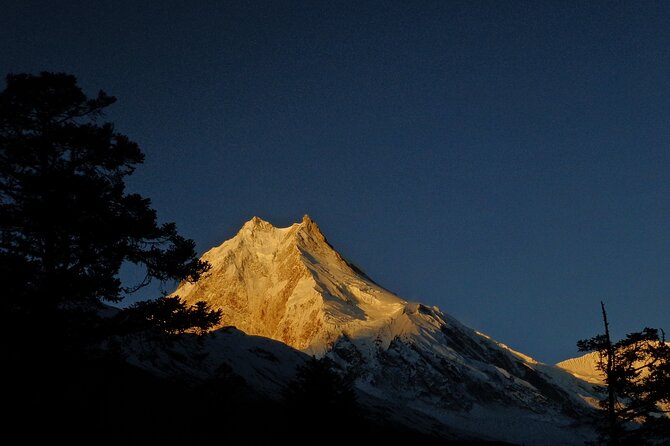
Manaslu feels bigger than the miles. This 15-day trek takes you from Nepal’s lowlands up into the high alpine above 5000 meters, circling Mt. Manaslu (8163m) with villages, forests, waterfalls, and glacier views. I love the way the trip handles the serious stuff for you, especially a guide equipped with a satellite phone and oximeter, plus the permits and paperwork. I also like the small-group feel (up to 14) and the chance to hike with guides such as Suresh or Sujan, known for fluent English and a real love for sharing local mountain culture. The one drawback to plan for: this is real altitude trekking with a long, hard pass day, so you should have a moderate fitness base and be comfortable with long hours on foot.
You’ll spend nights in simple mountain lodges (so you’re not hauling a tent), then recover on the way up with an actual rest day at Samagaun. That pacing matters on Manaslu, because the route gradually climbs, then hits a dramatic high point with the Larke La Pass. And because you’ll have a professional local team with porters and assistant guides, you can focus on walking and taking in the view—not logistics.
In This Review
- Key Highlights You’ll Care About
- Kathmandu Warm-Up: Airport Pickup and the Real Gear Check
- From Kathmandu to Machhakhola: The Drive That Sets the Tone
- Machha Khola to Jagat: Tatopani Hot Springs and Bridge-Hopping
- Jagat to Deng: Suspension Bridges, Pine and Bamboo, and Long Trail Days
- Namrung and Shyala: Tibetan-Feeling Highlands and Ribung Gompa Views
- Samagaun: Punggyen Gompa, Then a Real Rest Day at Birendra Lake
- Samdo and Dharamsala: Birch, Juniper, Yaks, and High Pasture Views
- Larke La Pass Day: The Long 10-Hour Effort and the Multi-Peak Reward
- Dharapani and Tilije: Glacial Streams, Rhododendron Forest, and Later Comfort
- Getting Your Money’s Worth: Price, Meals, and What the Included Support Really Means
- Who This Trek Fits Best (And When You Might Want to Rethink It)
- Should You Book This Manaslu Circuit Trek?
- FAQ
- Where does the trek start?
- What time does the trip begin?
- How long is the trek?
- Does this tour include Kathmandu pickup and transfers?
- What’s included for meals during the trek?
- Are permits and paperwork handled?
- What support is provided for emergencies and high-altitude conditions?
Key Highlights You’ll Care About
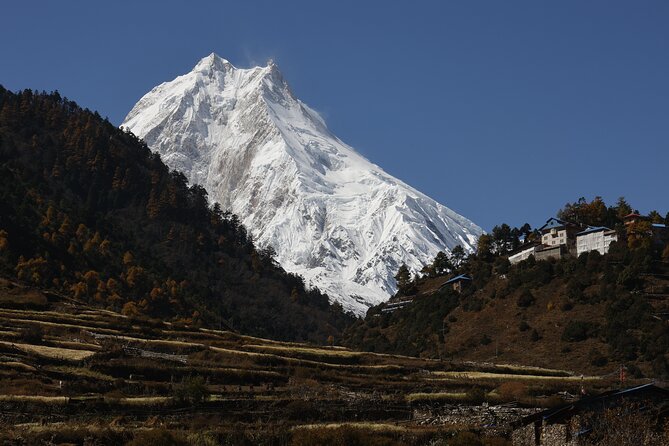
- A smaller, less-visited circuit that still delivers big mountain moments around Manaslu
- Acclimatization built in, including a rest day excursion to Birendra Lake
- High point payoff on Larke La Pass, with wide views of multiple peaks
- Local culture along the way, from ethnic villages to Tibetan-influenced settlements like Samdo
- Safety support included, with a guide carrying satellite comms and an oximeter, plus rescue/evac arrangements
- Real teamwork in the mountains, with professional guides and porters managing pace and loads
Kathmandu Warm-Up: Airport Pickup and the Real Gear Check
Your trek starts in Kathmandu with a straightforward handoff. Someone meets you at Tribhuvan International Airport, and you’re taken to your hotel so you can rest. In the evening, your guide meets you in the hotel lobby and gives you a clear briefing for the next day.
On day two, you shift into prep mode. You and your guide prepare for the trek and arrange your gear. This matters more than it sounds. When you show up with a tight packing plan and the right items ready to go, you walk better from day one of the trail instead of wasting energy later.
Kathmandu nights are included for three nights in a 3-star hotel on a bed-and-breakfast basis. Meals in Kathmandu aren’t included, though, so you can keep it flexible—grab something familiar before the trek days get simple.
One more useful note: this trip is run for up to 14 people. That group size keeps it organized without turning the trail into a moving crowd.
You can also read our reviews of more tours and experiences in Kathmandu.
From Kathmandu to Machhakhola: The Drive That Sets the Tone
On day three you don’t hike out of Kathmandu—you drive. The route goes through Arughat and Sotikhola, then you switch from blacktopped road to a dirt stretch before reaching Machhakhola.
This is a good day to mentally switch gears. The drive is long (about 8 hours), and the roads can be uneven. Once you reach Machhakhola, you’ll feel the shift from city to river valley pace. It also gives your body a reset after altitude-free Kathmandu days.
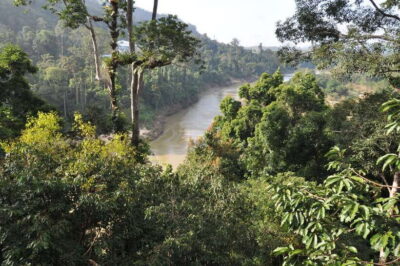
For many people, Machhakhola is the first moment you really understand what a circuit trek means: lots of walking days, lots of changing terrain, and the sense that the mountains are the main event—everything else supports that.
Machha Khola to Jagat: Tatopani Hot Springs and Bridge-Hopping
Day four begins with a bridge crossing over Machha Khola, then you move onto rugged vehicle-road style hiking until you reach Tatopani. This is where you get a short break and time to enjoy the natural hot springs.
Tatopani is worth treating as a true recovery stop, not just a photo break. After a few early hiking hours, your legs appreciate warm water. Even if you don’t stay long, it can make the next day feel less brutal.
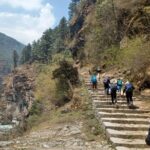
From there the trail ascends and crosses Budhi Gandaki, reaching places like Dobhan, Thulo Dhungga, and Yaruphant. You’ll also cross a suspension bridge before arriving at Jagat. The route repeatedly mixes climb-and-cross moments—bridges, uneven ground, and sections that can feel tougher than distance alone suggests.
Jagat is a good night because the day’s work is about getting used to the style of walking on this route: not just uphill, but constantly navigating changing paths.
Jagat to Deng: Suspension Bridges, Pine and Bamboo, and Long Trail Days
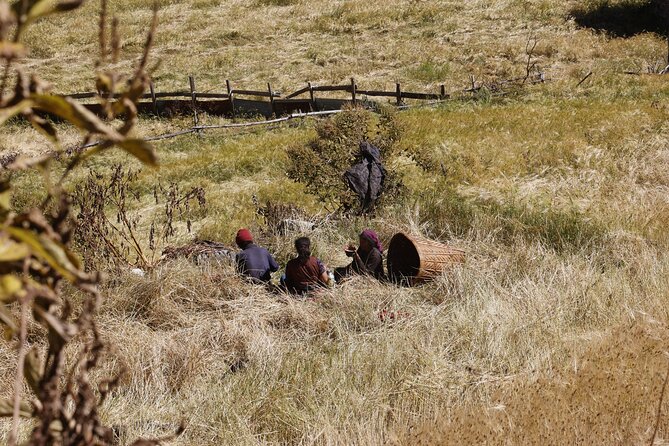
Day five takes you from Jagat toward Deng, with stops along the way including Salleri and Sirdibas. You’ll walk on rugged vehicle roads again, then cross a long suspension bridge.
The trail keeps stacking variety. You pass by Ghatte Khola, climb toward Philim, and continue through forested stretches—pine and bamboo forests are specifically on the route—before reaching places like Ekle Bhatti and Nyak Phedi. Eventually, you arrive at Dang.
If you like trekking routes that feel alive, this is a solid day. You’re moving through different terrain zones, not repeating the same view every hour. Just remember the total hiking time is around 7 hours, so keep your pace steady and your breaks purposeful.
Also, plan for suspension bridges as routine, not rare. They’re part of the Manaslu Circuit rhythm.
Namrung and Shyala: Tibetan-Feeling Highlands and Ribung Gompa Views
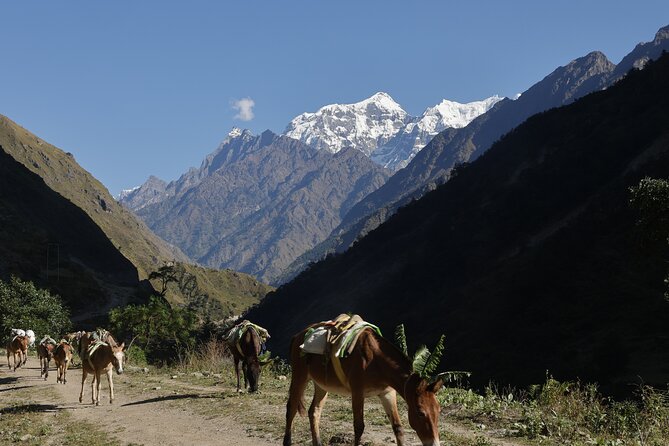
Day six brings you to Namrung. The early part of the hike is narrower, with relatively flat stretches, but you also move through landslide areas before reaching Ghap via bridges. After leaving Ghap, the trail crosses multiple bridges over the Budhi Gandaki River and follows cultivated fields for a while.
Then the hike turns into a gradual climb through low alpine forest until you reach Namrung. This is where the trek begins to feel distinctly Tibetan-influenced: Namrung is described as a highland hamlet with people who resemble Tibetans closely.
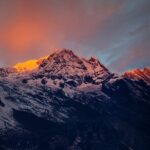
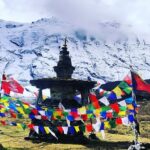
Day seven pushes into cultural terrain. You trek through Bhanzam and pass ethnic villages like Lihi, Sho, and Lho. A key highlight is a visit to Ribung Gompa in Lho village, perched on a hill with a magnificent view of Manaslu.
Then you continue through pine and rhododendron forest to Shyala. At this point, your daily win is not only altitude—it’s the combination of views, culture, and forest walking.
Samagaun: Punggyen Gompa, Then a Real Rest Day at Birendra Lake
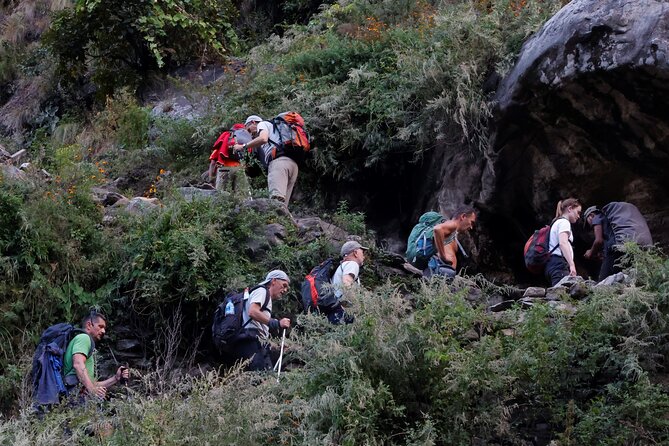
Day eight is a shorter trekking day on paper (about 5 hours), but it still delivers. You climb to Punggyen Gompa, then trek to Samagaun with a packed lunch.
From Punggyen Gompa, you can see a panoramic view of surrounding peaks and the eastern face of Manaslu. Then you descend the same way to rejoin the main trail and arrive at Samagaun, the last largest village in the Manaslu region.
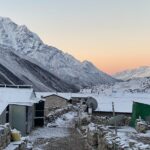
Day nine is your rest day. You take a short excursion to Birendra Lake for acclimatization. You might also spot wildlife, including Himalayan Thar.
This rest day is a gift. High-altitude trekking is where “I feel fine” can flip quickly. Having a scheduled day that’s built for acclimatization—and not another forced big climb—helps you keep the trek enjoyable instead of punishing.
Samdo and Dharamsala: Birch, Juniper, Yaks, and High Pasture Views
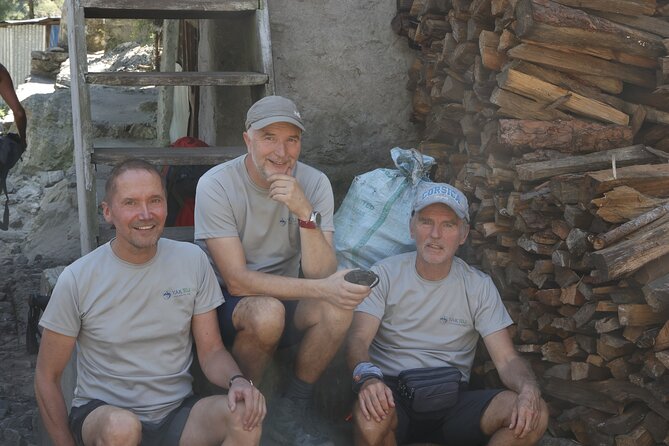
Day ten continues the climb. You pass through forests of birch and juniper, then hike through small villages. You cross a wooden bridge over the Buddhi Gandaki River to reach Samdo.
Samdo is a small Tibetan refugee village. If you’re interested in how people adapt to harsh mountain environments, this is a meaningful stop. It also helps break up the trek visually and culturally—these are not only “scenery days.”
Day eleven brings you to Dharamsala. You cross a suspension bridge and ascend gradually through high pasturelands. You’ll see yaks grazing, and you’ll get views of Manaslu North, Larkya Peak, and Larkya glacier to the left side of the trail as you climb and cross rivulets.
This day sets you up for the biggest challenge ahead. By the time you reach Dharamsala, you’ll feel the terrain get more exposed and the air get thinner.
Larke La Pass Day: The Long 10-Hour Effort and the Multi-Peak Reward
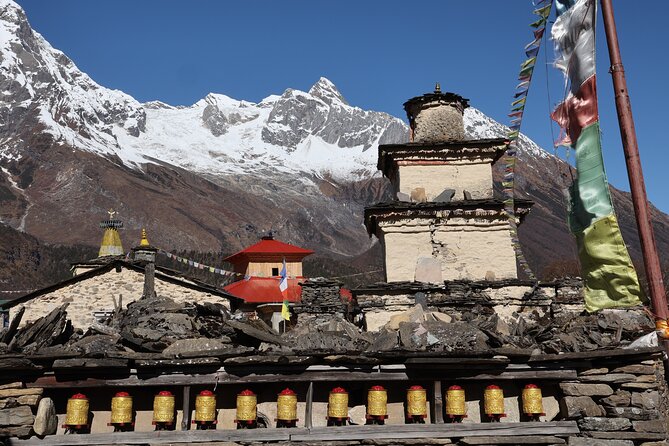
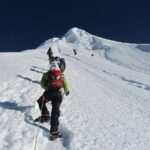
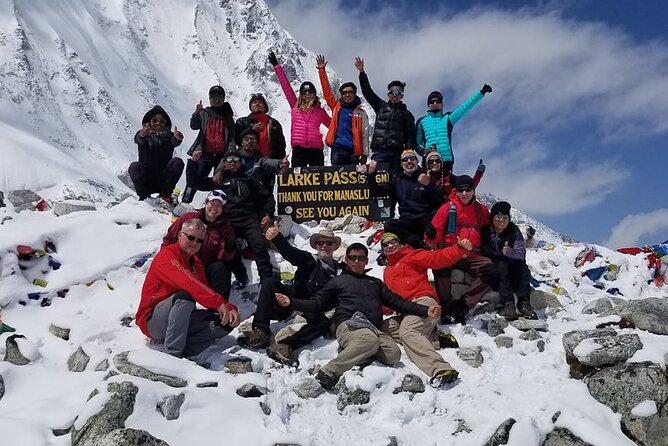
Day twelve is the standout day: around 10 hours and described as the long and challenging day compared to others. You start early after breakfast, climb toward the north side of Larkya glacier, then take a steep path up.
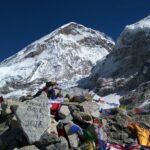
You reach the top of the Larke La Pass and enjoy views of Himlung Himal, Cheo Himal, Kangguru, and the huge Annapurna II, plus many other mountains. Then you descend to Bimtang.
A few practical reasons this day is so important. First, the pass is the structural point of the circuit—everything else is basically preparation. Second, your pacing and acclimatization show up here. If you’ve taken the rest day seriously and walked steadily, you’ll likely handle the effort better.
Also, the route shifts into the Annapurna region of Manang district once you reach Bimtang. Even if you’ve been focusing on Manaslu the whole time, this change gives you a different sense of where you are in the larger Nepal mountain map.
Dharapani and Tilije: Glacial Streams, Rhododendron Forest, and Later Comfort
Day thirteen heads toward Dharapani. You pass by the Kechakyu Khola Glacier, then trek through lush rhododendron forest. You also get views of Mt. Manaslu along the way.
The trail reaches Gho village, then continues toward Tilije, described as an old typical village inhabited by Gurung. Here, you gain access to more creature comforts: hot shower, Wi-Fi, and electricity from here onward.
That matters on a circuit trek. After days of basic lodge life and chilly nights, having a night where you can wash comfortably and reconnect can feel like real mental relief.
Day fourteen transitions you out of trekking. You drive back to Kathmandu via Besishahar (about 10 hours), then move to your hotel. The company organizes a farewell dinner in the evening, which is a nice wrap-up moment after days of simple routines.
Getting Your Money’s Worth: Price, Meals, and What the Included Support Really Means
At $1,450 per person for a roughly 15-day trek, the value comes down to what you don’t have to manage yourself.
Included in the package:
- Porters and assistant guides according to group size
- 3 nights in a 3-star Kathmandu hotel (bed-and-breakfast)
- Private-vehicle ground transfers
- Permits and paperwork
- Rescue and evacuation arrangements in case of emergency
- A professional English-speaking guide with a satellite phone and oximeter
- Tea and coffee during the trek
- Breakfast for 14 days, plus lunch (12) and dinner (12)
- Farewell dinner on the Kathmandu return day
Not included:
- Meals while in Kathmandu (plus lunch/dinner there), and any extra items
- Medical evacuation cost in an emergency
- Tips for local staff
- Anything not listed above
Here’s how I’d interpret this as a traveler. You’re paying for a staffed, guided, permit-handled trek with safety tools and organized logistics. That’s not just comfort—it’s risk management at altitude, where a real emergency can cost a lot. Still, the package notes that medical evacuation cost isn’t covered, so you should think about your own travel insurance strategy for high-altitude trekking.
If you want to do Manaslu without turning your trip into a project, this pricing structure generally makes sense.
Who This Trek Fits Best (And When You Might Want to Rethink It)
This trek is aimed at people with moderate physical fitness. The terrain includes rugged roads early on, longer hiking days, bridges, and a serious pass crossing. The pass day (Larke La) is the clearest test of stamina.
You’ll likely enjoy this trip if you:
- Want a less-crowded circuit with meaningful village time
- Like mixing culture (gompas, ethnic villages, Tibetan refugee communities) with big mountain views
- Prefer a supported trek with porters and a guide managing the hard logistics
You might rethink it if:
- You’re not comfortable with long days (including a 10-hour pass day)
- You don’t handle altitude well and can’t follow pace-and-rest instructions
The guide dynamic can be a big factor. In the feedback, guides such as Suresh and Sujan were highlighted for being flexible, friendly, and good at explaining mountains and local life. With that kind of relationship, the trek feels less mechanical and more human.
Should You Book This Manaslu Circuit Trek?
If you want a Manaslu Circuit experience that’s organized, supported, and focused on the actual walking and culture—not complicated planning—this is a strong choice. You get real acclimatization structure, a clear sense of what the hardest day is, and safety tools with a guide trained for mountain conditions.
My decision rule is simple: book it if you’re excited by the combination of villages, bridges, forest-to-alpine transitions, and that pass-day view reward. Don’t book it if you’re chasing an easy stroll or you know you won’t manage long hiking hours and altitude pressure.
If you’re the kind of person who likes to take your time, walk steadily, and earn the big views the hard way, you’ll probably love what this circuit gives you.
FAQ
Where does the trek start?
The start point is Tribhuvan International Airport in Kathmandu, Nepal.
What time does the trip begin?
The listed start time is 5:45 am at Tribhuvan Airport.
How long is the trek?
It’s approximately 15 days.
Does this tour include Kathmandu pickup and transfers?
Yes. Pickup is offered, and ground transfers are provided in private vehicles.
What’s included for meals during the trek?
Tea and coffee are included during the trek. Breakfast is included for 14 days, and lunch (12) and dinner (12) are included. Meals in Kathmandu are not included.
Are permits and paperwork handled?
Yes. Necessary permits and paperwork are included.
What support is provided for emergencies and high-altitude conditions?
The guide is equipped with a satellite phone and oximeter, and rescue and evacuation arrangements are included. Medical evacuation cost is not included.