REVIEW · KATHMANDU
Everest Three (High) Passes Trekking
Book on Viator →Operated by Three Jewels Adventures · Bookable on Viator
Three high passes means you earn the Everest views. The Everest Three (High) Passes Trekking trip turns a classic Everest-area dream into a more adventurous high-altitude hike that includes Mt. Everest sightlines, big Khumbu mountain panoramas, and the daily rhythm of Sherpa life—without requiring technical climbing skills. Two things I like a lot are that it’s built for adventurous hikers (not climbers) and that the local team support feels personal, with guide names like Lok and Sashi showing up in past experiences, plus a smooth reception style from Suman. One thing to think hard about first: this is not a casual trek. You should expect long, serious days at altitude and you’ll need strong fitness.
Logistics also start early. You meet at Tribhuvan International Airport around 6:15 am, and the plan revolves around a short flight plus hiking and pass crossings. It’s a private tour/activity, so your group stays together, and you’ll get confirmation at booking with a mobile ticket in hand.
In This Review
- Key Highlights You’ll Feel From Day One
- Why Three Passes Turns Everest Into a Real Trek
- A realistic trade-off
- Getting There: Kathmandu, the 6:15 AM Start, and a Short Flight
- Private group, clearer pace
- What 17 Days Actually Means for Your Body
- Why altitude is the real boss
- Crossing High Passes: Tough, but Built for Trekking Skills
- The value of crossing, not just sightseeing
- Sherpa Culture Along the Khumbu Trail
- A practical mindset for culture
- Price and Value: Is $2,500 Worth It?
- Who gets the best value
- Who This Trek Suits Best (and Who Should Rethink It)
- The one big caution
- Smart Prep Tips Before You Leave Kathmandu
- Weather matters more than you think
- Quick, Practical Reality Check on Logistics
- Should You Book Everest Three (High) Passes Trekking)?
- FAQ
- What is the location for the Everest Three (High) Passes Trekking?
- How long is the trek?
- What is the price per person?
- What time does the trek start, and where do we meet?
- Is pickup included?
- Is this a private tour or a shared group?
- Do I need technical climbing skills for the high passes?
- Do I need a high level of fitness?
- What is the cancellation policy?
- What happens if the trek is canceled due to weather?
Key Highlights You’ll Feel From Day One
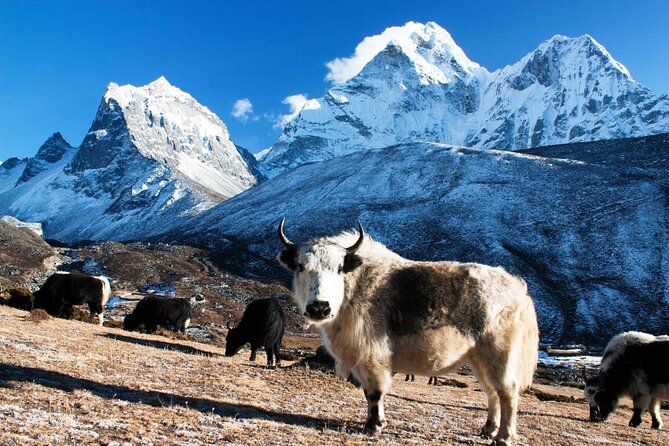
- Three high passes, no technical climbing: you’re challenged by elevation and endurance, not rope-and-wall skills
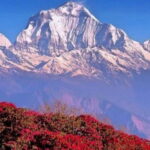
- Mt. Everest and Khumbu views: you’re chasing big mountain moments, not just village walks
- Sherpa culture on the way up: the trek is also about people and place, not only peaks
- A guide team that adjusts to you: flexibility is part of the support style, including on-the-ground guidance from named guides like Lok
- Early start from Kathmandu: the 6:15 am meet time makes it a full-day, no-wasted-morning kind of trip
- Private group experience: you’re not sharing the route with strangers from other parties
Why Three Passes Turns Everest Into a Real Trek
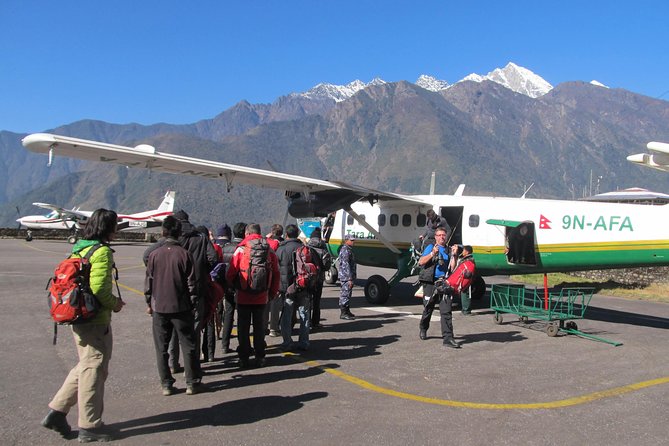
This trek is for the version of you that wants more than a simple “see Everest from over there” trip. The core idea is straightforward: you spend days hiking through the Everest region, then you cross three high passes that are tough on your lungs and legs. That’s what makes it memorable.
The best part is that the adventure level is earned through trekking. The description emphasizes that you don’t need technical climbing knowledge, which matters if you’re fit and willing to suffer a little, but you don’t want climbing training. In plain terms: you’ll be tested, but you won’t be thrown into technical rope work.
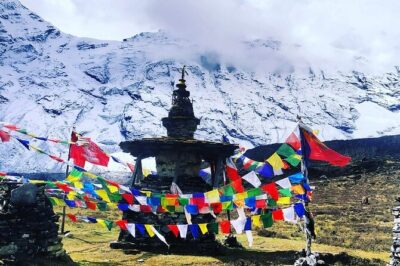
You also get the bigger picture of the Khumbu Himalayan region. It’s not just mountain staring; you’re moving through places where Sherpa communities shape the landscape with teahouses, trails, and trade. The cultural side isn’t a side quest—it’s woven into the route.
You can also read our reviews of more tours and experiences in Kathmandu.
A realistic trade-off
The drawback is simple: altitude fatigue is real. Even with the right pacing, high passes mean you’ll spend plenty of time above where “normal breath” feels easy. If you know you get winded quickly on hikes at home, you’ll need a training plan before you go.
Getting There: Kathmandu, the 6:15 AM Start, and a Short Flight
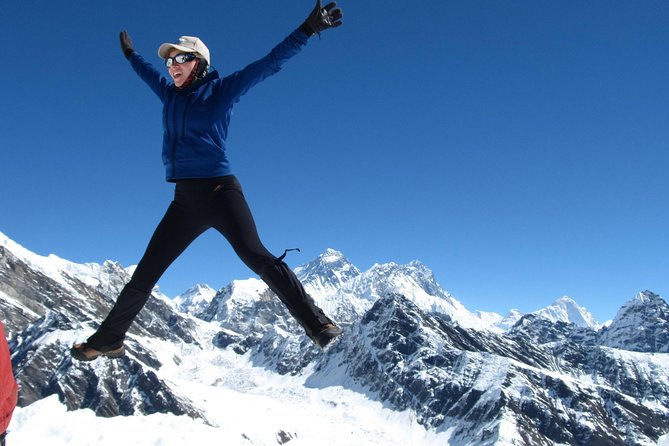
Your trip begins in Kathmandu with a meeting point at Tribhuvan International Airport, Ring Rd, Kathmandu. The start time listed is 6:15 am, so plan for an early day even before you lace up your boots. If you’re coming from a hotel, I’d treat this like an airport-day wake-up, not a relaxed start.
The trek also includes a short flight. That matters because it changes the whole rhythm of a trek in the mountains. You’re not doing one long slog from the city. Instead, you’re jumping into the high country sooner, then earning your elevation step by step on foot.
You’ll also see two things that are useful for sanity:
- Pickup is offered, which helps if you’re trying to move fast between your Kathmandu plans and the start point
- You’ll get a mobile ticket, which reduces the “where’s my paper?” headache
Private group, clearer pace
This is a private tour/activity, meaning it’s just your group. For an altitude trek, that’s not just comfort—it’s control. It often makes it easier for your guide to set pace, manage breaks, and respond to weather without having to keep ten different bodies synchronized.
What 17 Days Actually Means for Your Body
The duration is listed as about 17 days. On paper, that sounds like a lot. On the trail, it’s exactly what you want for a serious high-pass itinerary: enough time to build rhythm, handle days where the mountains take more out of you, and keep your recovery from turning into a disaster.
The experience description is blunt about what you should bring physically: you should have a strong physical fitness level. That doesn’t mean you need to be an ultra-runner, but you do need stamina for repeated uphill walking, changing air pressure, and long hours on uneven trails.
I also think this is where your mental approach matters. High-altitude trekking rewards steady effort. If you go out fast because you’re excited, you’ll likely pay for it later on steep sections or when you’re near the passes.
Why altitude is the real boss
Even without technical climbing, high passes are demanding because your body works harder to move the same distance. The result can feel like you’re walking slower than you want, but that pace is part of staying safe and not burning out too early.
Crossing High Passes: Tough, but Built for Trekking Skills
The trek is designed as a high-pass challenge, not a mountaineering course. That’s a big deal for most hikers. You’re crossing high points that will test endurance, balance, and breathing, but you’re not expected to climb with technical techniques.
In the experiences shared about this type of trek through Three Jewels Adventures, a recurring theme is solid guide support and the ability to adjust hikes based on conditions. For example, Lok is specifically mentioned as being supportive through the hardest parts, which is what you should look for: a guide who knows when to slow down, when to push, and how to keep you moving safely.
Here’s what you should expect emotionally during pass crossings:
- Cold and wind can make you feel colder than your clothing says you should be
- Visibility can shift fast, so you’ll rely on your guide’s pacing and judgement
- Your legs will complain, then keep going because the route forces forward motion
The value of crossing, not just sightseeing
Why do it this way? Because passes turn Everest from a viewing experience into a journey. You don’t just look at the mountains—you travel over the terrain that connects their valleys. That’s the kind of accomplishment you remember on the flight home.
Sherpa Culture Along the Khumbu Trail
A lot of Everest-area treks sell the same promise: big peaks, maybe a monastery photo, then back down. This trek’s positioning is different because it specifically highlights the cultural experience of ethnic Sherpa people.
On the trail, that typically shows up through the places you pass through, the way routes are used, and the day-to-day hospitality you’ll encounter along the way. Even when you’re focused on breathing and foot placement, you’re moving through communities that have lived with this terrain for generations.
From what’s reflected in guide experiences connected to Three Jewels Adventures, you can also expect an emphasis on people and local knowledge, not just route management. When named guides like Sashi are praised, it’s usually because the guide makes the journey feel grounded—explaining what you’re looking at and helping you understand the local setting beyond the Instagram frame.
A practical mindset for culture
I’d treat cultural moments as part of the trek’s rhythm, not “break times.” Stop, look, and ask simple questions when it feels natural. Small effort pays off. You’ll get more out of tea-house conversations and village encounters because you’ll be slowing down for the same reasons you slow down for altitude: respect for the pace of the place.
Price and Value: Is $2,500 Worth It?
The listed price is $2,500.00 per person. On the surface, that’s a lot. But for an Everest region high-pass trek in a private setup, the cost makes sense only if what you’re buying is more than a walking route.
This trek includes:
- A private group format
- A serious trekking plan over three high passes
- A full multi-day itinerary of about 17 days
- A short flight component from Kathmandu
- Support from experienced local guide staff, with an emphasis on safe, satisfying, and reasonably priced trekking trips
So where does the value come from? From risk management and efficiency. High-altitude itineraries require knowledgeable pacing and contingency thinking. You want a local team that knows the rhythm of the region and can keep the trip safe, not just dramatic.
Who gets the best value
This is likely best for hikers who:
- Are strong enough to handle long days
- Want an Everest connection that feels like a true trek
- Care about Sherpa culture, not only summits from afar
- Prefer a private, more tailored experience rather than a crowded group
If you’re looking for a light, short adventure, this won’t feel like value. It will feel like work—which is fine, as long as you chose it on purpose.
Who This Trek Suits Best (and Who Should Rethink It)
This trek is positioned for experienced hikers and anyone with strong fitness. The key requirement listed is that you should have a strong physical fitness level. That’s the headline filter.
I also think it suits you best if you:
- Like challenge for its own sake
- Are comfortable with high-altitude discomfort
- Want to learn from local guides and move through Sherpa communities
- Don’t want technical climbing skills to be part of your skill test
The one big caution
If you’re prone to altitude sickness, have serious heart or lung limitations, or you hate long, repetitive uphill effort, you should think carefully. The trek doesn’t claim technical climbing, but it absolutely is still a high-altitude endurance challenge.
Smart Prep Tips Before You Leave Kathmandu
Because the trek is physically demanding, prep is where you can protect your trip. The only specific fitness requirement provided is strong fitness, so I’ll keep this practical and general:
- Train for sustained uphill walking and long days, not just short hikes
- Practice breathing control so you’re not sprinting on every grade
- Build in recovery days during training, because fatigue is part of the game at altitude
- Plan layers for cold mountain weather, especially for pass days
- Keep your packing simple so you can move efficiently across changing terrain
Also, your trip starts at 6:15 am at Tribhuvan International Airport. That means your biggest win is planning your first morning carefully so stress doesn’t stack on top of altitude effort.
Weather matters more than you think
The experience requires good weather. If weather causes cancellation due to poor conditions, you’ll be offered a different date or get a full refund. That’s not a small detail. In mountain regions, weather delays are normal, so be flexible with your overall travel plan.
Quick, Practical Reality Check on Logistics
This activity ends back at the meeting point. So you’re doing a full loop: start at Tribhuvan, go out on the trekking route, then return to Kathmandu’s airport area to wrap up.
You should also know this is a confirmation-based trip: confirmation will be received at booking, and you’ll get a mobile ticket. For a trek with a weather dependency, those details help reduce uncertainty on your side.
Should You Book Everest Three (High) Passes Trekking)?
If you want Everest, but you want it the hard, meaningful way, this trek is a strong choice. You’re getting three high passes, serious trekking days over about 17 days, and the cultural context of Sherpa communities—without needing technical climbing knowledge.
I’d book it if you’re fit, you’re comfortable with altitude, and you want a private experience guided by a professional local team. I’d pause if you’re expecting a mild hike, or if long high-altitude effort sounds like punishment instead of the point.
FAQ
What is the location for the Everest Three (High) Passes Trekking?
The tour is based in Kathmandu, Nepal, and it starts at Tribhuvan International Airport in Kathmandu.
How long is the trek?
The duration is approximately 17 days.
What is the price per person?
The price is $2,500.00 per person.
What time does the trek start, and where do we meet?
The start time is 6:15 am, and the meeting point is Tribhuvan International Airport, Ring Rd, Kathmandu 44600, Nepal.
Is pickup included?
Pickup is offered.
Is this a private tour or a shared group?
This is a private tour/activity, meaning only your group will participate.
Do I need technical climbing skills for the high passes?
No. The trek is described as not requiring technical climbing knowledge.
Do I need a high level of fitness?
Yes. Travelers should have a strong physical fitness level.
What is the cancellation policy?
You can cancel for free up to 24 hours in advance for a full refund.
What happens if the trek is canceled due to weather?
The experience requires good weather. If it is canceled due to poor weather, you’ll be offered a different date or a full refund.