REVIEW · KATHMANDU
Everest Base Camp Trek with Kathmandu Valley Sightseeing Tour
Book on Viator →Operated by Mountain Kick Private Limited · Bookable on Viator
The mountain starts with a gamble. This Everest Base Camp trek is interesting because you walk through Sherpa villages for days before the big Everest payoff, then you get the base area and the Kala Patthar viewpoint. I like the support team structure, and I especially like that the guide I’ve learned about, Kumar, keeps the whole rhythm feeling controlled. One consideration: Lukla flights can be weather-sensitive, so delays are possible even when you do everything right.
You’ll work your way from about 4,600 feet in Kathmandu up to 18,519 feet at Kala Patthar. The trek is challenging in the real-world way: cold, arid air, snow patches, steep trail sections, and gorges that look closer than you expect. The good news is the trekking style is built around shorter climb stretches, rest breaks, and sightseeing stops, not nonstop suffering.
Value-wise, this tour bundles the core travel parts people often forget: a three-star twin-share hotel in Kathmandu with breakfast, guesthouse lodging during the trek, plus park permit fees and the TIMS card. It also includes porters (one per pair) and local support staff, which matters a lot when you’re climbing above treeline.
In This Review
- Key Highlights You’ll Care About
- Everest Base Camp, Sherpa Villages, and the Kala Patthar Payoff
- Kathmandu Valley Days: Your Hotel Base Before Thin Air
- Your 5:45 a.m. Tribhuvan Start and Weather-Proof Mindset
- From Lukla Through Gorges, Snow Trails, and Sherpa Village Rhythm
- Everest Base Camp to 18,519 Feet: What You’re Actually Doing
- Support That Matters: Porters, Local Staff, and Guide Kumar
- Price and Value at $1,500 Plus the Costs You Must Plan For
- Packing, Fitness, and Altitude Reality Checks
- FAQ
- Where does the trek start?
- What time do we meet at the airport?
- How long is the Everest Base Camp trek with the Kathmandu Valley tour?
- What altitude does the itinerary reach?
- How difficult is this trek?
- What lodging do I get in Kathmandu?
- Where do I sleep during the trek?
- Are permits included for the Everest region?
- Do I need travel insurance?
- Is trekking equipment included?
- Should You Book This Everest Base Camp Trek with Kathmandu Valley Sightseeing?
Key Highlights You’ll Care About
- Sherpa village trekking before the Everest moments so the trip feels like a journey, not just a viewpoint chase
- Altitude plan that tops out at 18,519 feet at Kala Patthar, with structured rest and short climbing stretches
- Guided support with porters for a pair plus local staff trained for basic help
- Kathmandu comfort first: three-star twin-sharing hotel and breakfast before the trek
- Permits are handled via Sagarmatha National Park entry and the TIMS card fees
Everest Base Camp, Sherpa Villages, and the Kala Patthar Payoff
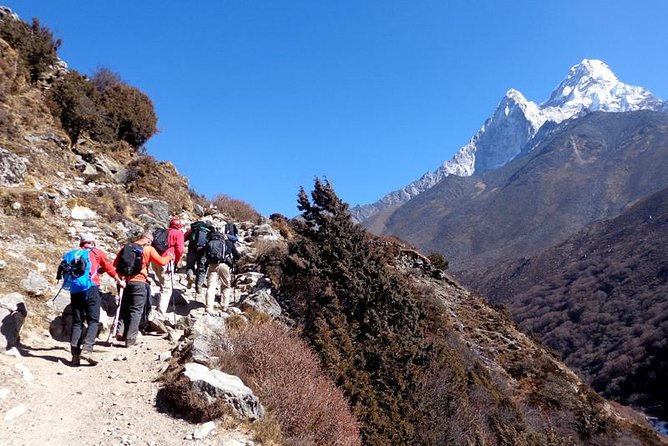
This is the kind of Everest trip where the drama doesn’t start on day one in the mountains. It starts in Kathmandu, then it ramps up with Lukla, and it keeps building as you move through Sherpa villages on the way to Everest and back. You’re not just walking between checkpoints. You’re seeing how people live at the edge of the high Himalaya while you gain altitude.
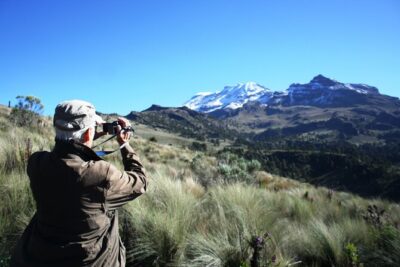
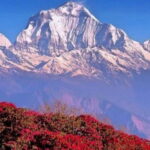
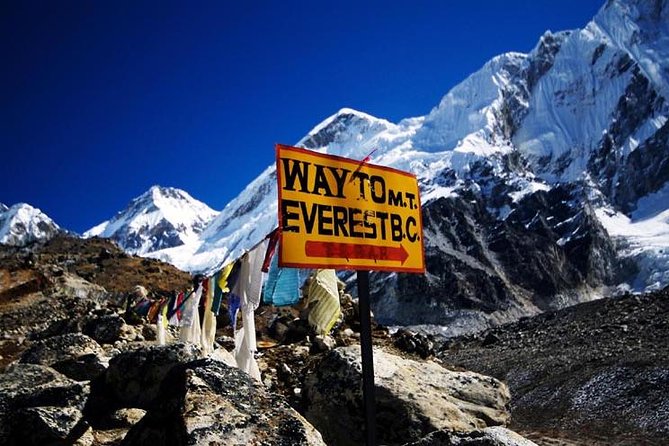
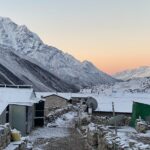
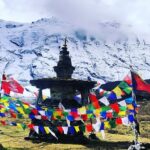
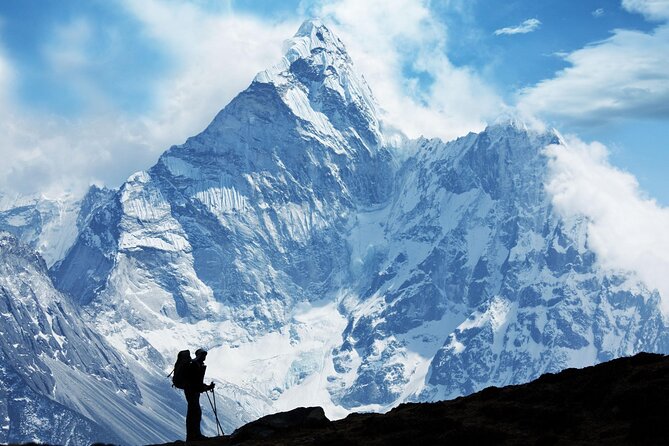
What makes it special is the blend of “real trekking” and “major Everest payoff.” You’ll walk through gorges, valleys, river crossings, forests, and village paths to reach base camp. Then you stand at the foot of Mount Everest and get those long, jaw-dropping looks where the mountain seems too big to fit in a normal mind.
And then there’s Kala Patthar, the high viewpoint listed for this itinerary. With an altitude topping around 18,519 feet, that’s the moment that tends to stick: you’re still not climbing Everest itself, but you’re as close as the trek route allows, with cold air, exposed trail, and views that feel earned.
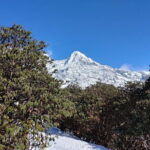
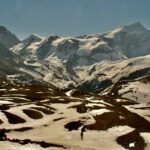
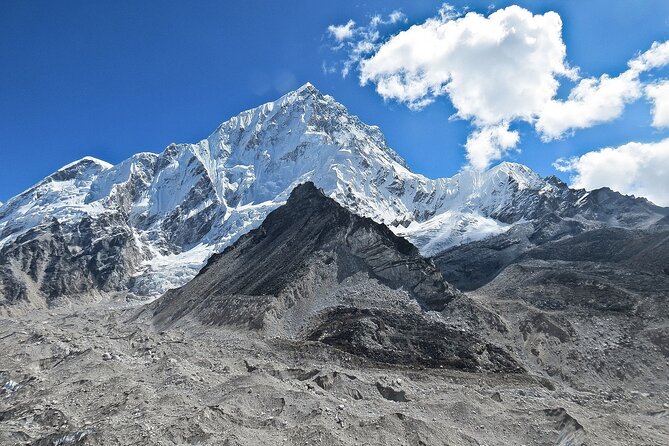
One practical thought: you’re stepping into an environment that’s cold and often unforgiving. Expect snow patches and trails carved into mountainsides. If you’re the type who wants a “mostly flat hike,” this is not that.
You can also read our reviews of more tours and experiences in Kathmandu.
Kathmandu Valley Days: Your Hotel Base Before Thin Air
Most Everest adventures either start fast or start chaotic. This one starts with a calmer base in Kathmandu. You get a three-star hotel on a twin-sharing basis, plus breakfast included. That matters because your first days should be about getting your bearings and staying fed—not chasing logistics.
The tour also includes Kathmandu Valley sightseeing with pickup offered. While the exact sights aren’t spelled out here, the key value is that you’re getting structured time in the valley instead of trying to improvise your own schedule right before the trek.
Think of Kathmandu as your gear-and-body calibration window:
- check you have what you need for cold mornings
- confirm your flight timing
- do easy walking and keep the day simple
- use rest time like it’s part of training
Also note the meeting time: you’re starting with an early airport rendezvous at 5:45 a.m. That’s not just a detail—it affects how you plan meals and sleep the night before.
Your 5:45 a.m. Tribhuvan Start and Weather-Proof Mindset
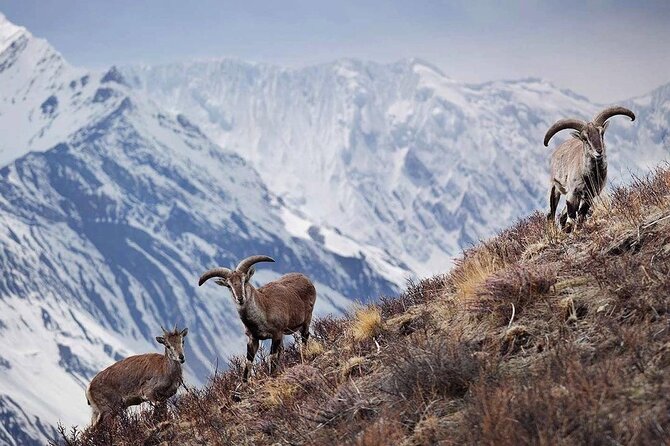
Meeting at Tribhuvan Airport at 5:45 a.m. means you should plan for a smooth morning. It also means you should assume the day can change. The tour info is very direct about this: the flight to Lukla is vulnerable to weather shocks, and delays or cancellations are common if conditions turn unfriendly.
So your real superpower here isn’t speed. It’s flexibility. The guidance you’re given is to free up a few days before and after your trek schedule for reasons beyond anyone’s control. That’s not marketing fluff. In this region, weather can mess with timelines fast.
Here’s how I’d handle it in your own planning:
- buffer time around the trek so you’re not forced to make hard cutoffs
- keep expectations flexible about exact trekking start dates
- travel with the mindset that “Plan B” is normal
This is also a private tour/activity. That means only your group participates, which often helps decision-making if the schedule shifts.
From Lukla Through Gorges, Snow Trails, and Sherpa Village Rhythm
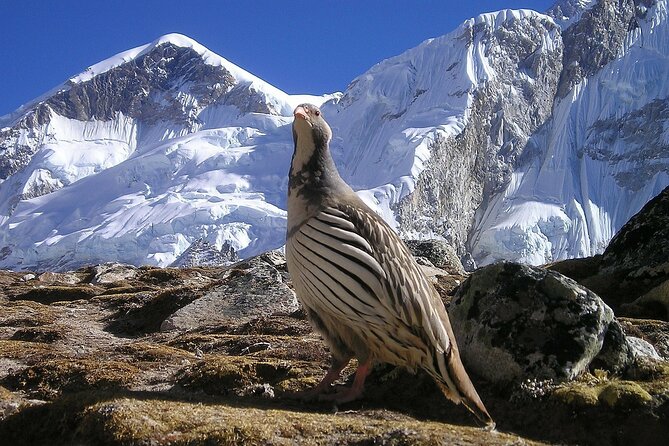
Once you begin from Lukla, the trek becomes a long sequence of vertical effort paired with frequent context. The route is described as walking through all the Sherpa villages on the way to Everest and back, and that’s a big part of why the experience feels human, not just scenic.
You’ll be moving through:
- gorges and valleys
- river and trail crossings
- stretches through forests
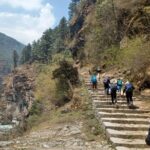
- mountain-side paths that can feel exposed
- snow trails in the high cold zone
The “difficulty” style is important. The tour doesn’t present this as endless grinding. It says you’ll climb mountains for most of the trip but in short sessions, with plenty of rest and sightseeing in between. That approach helps you manage altitude strain and also keeps the trip from turning into a constant slog.
Another practical note: lodging during the trek is in guesthouses, on a twin-sharing basis. That’s the norm for this region, but it does mean you should expect basic comfort rather than hotel luxury. Bring patience for cold rooms, early nights, and simple meals.
What you’ll likely feel day to day is a cycle:
1) walk steadily and slowly
2) stop often enough to stay comfortable
3) adjust to thin-air breathing
4) get your reward when the views open
If you do get hit with bad weather, remember the trail itself can be variable. The tour’s own framing calls the Everest region “cold, arid and unforgiving,” so don’t plan on perfect conditions every single day.
Everest Base Camp to 18,519 Feet: What You’re Actually Doing
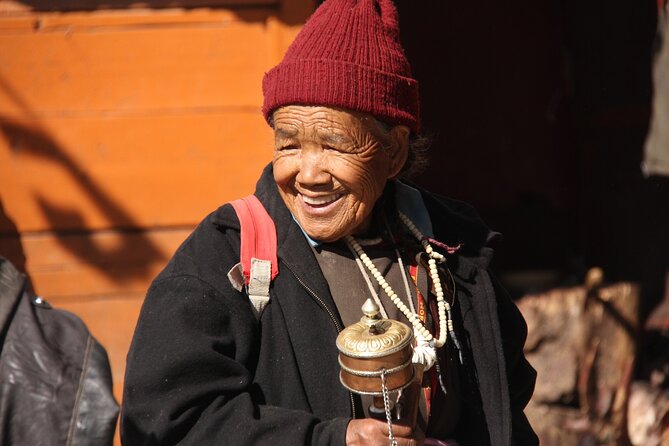
You’re not scaling Everest. You’re doing something almost more meaningful for most people: you’re standing where Everest work begins. Everest Base Camp is described as the place mountaineers start their summit attempts. So when you reach it, you’re stepping into the mindset of people preparing for the highest peak on Earth.
The trip also emphasizes that the journey to base camp is what makes the base camp moment land. It’s “quite before that.” You’ve got to work through the valleys, rivers, forests, and villages first, and that’s why the final viewpoint hits harder.
Then you go higher to Kala Patthar. With the route reaching around 18,519 feet, this is where your body and your eyes get a final test. The air is thin and cold, and the terrain is more exposed. The reward is the kind of view where you can’t help but look back at everything you climbed to reach it.
One more reality check: the tour info frames altitude as a big factor, from Kathmandu’s about 4,600 feet up to the high point. So even if you’re walking in short sessions, you’re still dealing with altitude stress. Take the rest breaks seriously. Don’t treat them like optional breaks.
Support That Matters: Porters, Local Staff, and Guide Kumar
Everest trekking can be physically demanding, but what changes the experience is how well your load and timing are managed. This tour includes:
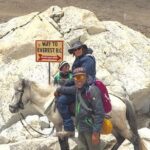
- porters (one each for a pair of travellers)
- local support staff
That combination makes a difference. A porter helps reduce the weight you carry, and local support helps with the “how things actually work” side of the route.
You also get trained basic medical intervention on the team side. It doesn’t replace your own health prep, but it’s part of the safety net described. And the tour insists your travel insurance is mandatory, specifically because it must cover emergency rescue and evacuation.
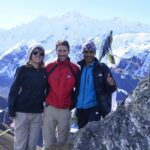
From the reviews I’ve read about this operator, one name pops up again and again: Kumar. The praise isn’t just about friendliness—it’s about keeping organization tight and the overall trip stress-free. In at least one case involving a group of nine people, the guide lead and Sherpa team were described as the best part of the experience, with the admin and accommodation running smoothly too.
Price and Value at $1,500 Plus the Costs You Must Plan For
At $1,500 per person, you’re paying for the core package: the trekking infrastructure and key inclusions that often cost time (and sometimes money) to arrange separately.
What’s included here:
- Kathmandu: three-star hotel, twin-sharing, breakfast included
- Trek: guesthouse stays, twin-sharing
- Porters and local support staff
- Sagarmatha National Park permit and TIMS card fees
When you put it this way, the value isn’t just “cheap vs expensive.” It’s about what gets handled for you. Permits and trekking-admin paperwork can be a headache when you’re trying to do everything alone.
What’s not included:
- travel insurance
- international airfare to and from Kathmandu
- Nepal visa fees
- trekking equipment
So the smart move is to budget for the add-ons before you decide. If you don’t already own quality cold-weather trekking gear, the equipment gap can be expensive and time-consuming to fill at the last minute.
Also, because Lukla flights can change, you should budget time more than money. Extra days can cost, but they can also save your trek from becoming a stressed scramble.
Packing, Fitness, and Altitude Reality Checks
This isn’t a couch-to-peak project, but the tour sets a realistic bar: moderate physical fitness is required. You’ll be climbing mountains for most of the trip, even if it’s in short sessions.
Your packing goal is to manage cold, wind, and snow trail conditions. The tour explicitly notes trekking equipment isn’t included, so you should plan to bring or rent what you need for cold weather and layered movement.
Think in systems:
- warmth for mornings and higher elevations
- grip for icy or snowy patches
- layers so you can adjust during short climbs
- a plan for staying dry
Also, because the Everest region is described as cold and arid, dehydration and dry-air discomfort can creep up even when you don’t feel “thirsty.” Drink regularly, even when it’s not comfortable.
One more practical detail: service animals are allowed. If that’s relevant for you, it’s good to know this is explicitly supported.
And don’t ignore the health question in the tour info: tell the guides if you have any medical conditions that could affect the trip, and check with your doctor beforehand. Carry your medicines if you need them.
FAQ
Where does the trek start?
The trek begins from Lukla, and the tour meeting point is Tribhuvan Airport in Kathmandu.
What time do we meet at the airport?
The start time listed is 5:45 a.m. at Tribhuvan Airport.
How long is the Everest Base Camp trek with the Kathmandu Valley tour?
The duration is 15 days (approx.).
What altitude does the itinerary reach?
It lists an altitude range from about 4,600 feet at Kathmandu up to about 18,519 feet at Kala Patthar.
How difficult is this trek?
It requires climbing mountains for most of the trip, but in short sessions with plenty of rest and sightseeing. It also calls for moderate physical fitness.
What lodging do I get in Kathmandu?
You stay in a three-star hotel in Kathmandu on a twin-sharing basis, and breakfast is included.
Where do I sleep during the trek?
You stay in guesthouses during the trek, also on a twin-sharing basis.
Are permits included for the Everest region?
Yes. The tour includes fees for Sagarmatha National Park entry and the TIMS card.
Do I need travel insurance?
Yes. Travel insurance is compulsory and is stated to cover emergency rescue and evacuation. The info also says you cannot take it out in Nepal.
Is trekking equipment included?
No. Trekking equipment is not included.
Should You Book This Everest Base Camp Trek with Kathmandu Valley Sightseeing?
Book it if you want a guided Everest Base Camp experience that’s built around Sherpa village trekking, real high-altitude viewpoints up to Kala Patthar, and a support setup with porters and local staff. The $1,500 price feels most sensible when you value “someone else handles the permit/admin and logistics” while you focus on walking and acclimatizing.
Skip (or at least rethink) if you can’t handle cold, snow trail conditions, or if you’re likely to panic about schedule shifts due to Lukla weather delays. Also be honest about equipment and insurance: trekking equipment isn’t included, and insurance is mandatory with specific coverage.
If you’ve got moderate fitness, some cold-weather gear ready, and a flexible mindset, this is the kind of trek that can leave you feeling like you saw Everest in the only way that truly makes sense: from the route up, not just from a postcard.