REVIEW · MARRAKESH
Marrakech Desert Tours 3 Days with Camel Trek and Camping
Book on GetYourGuide →Operated by MOROCCOFIRSTGATE · Bookable on GetYourGuide
A desert trip that starts with mountains and stories. What makes this 3-day Marrakech to Merzouga route special is the mix of High Atlas passes and the famous UNESCO Kasbah Ait Ben Haddou, plus a real night in a Sahara camp. I like the way guides such as Ayoub often keep things friendly and moving, so the long drive never feels cold. The main thing to consider is that you do spend a lot of time in the air-conditioned vehicle between stops.
Your payoff is the Erg Chebbi dunes, timed for unforgettable light. I especially like that you get both a sunset camel trek into camp and a sunrise camel trek back out, with private desert tent comfort that still feels wild. It’s a classic adventure setup, but with enough care—dinner, breakfast, and shared rhythm in camp—that you’re not guessing what happens next.
In This Review
- Key moments to watch for
- A Three-Day Route Through Atlas Passes and the Sahara
- Marrakech to Tizi n’Tichka: the long drive with built-in breaks
- UNESCO Kasbah Ait Ben Haddou: why the guide time is the whole point
- Rose Valley and Ouarzazate-area stops: the “between worlds” day
- Entering Merzouga: Todra Gorge, palm oases, and the approach to Erg Chebbi
- The camel trek into camp: sunset timing and Berber camp rhythm
- Dinner, stars, and that desert silence you didn’t know you wanted
- Sunrise camel trek and the return via Rose Valley
- Price and value: what your $115 likely covers (and what to budget)
- Comfort, food, and small logistics that matter
- Who should book this Marrakech-to-Merzouga desert tour?
- Should You Book This Marrakech-to-Merzouga Trip?
- FAQ
- What does the tour include for overnight stays?
- Are camel treks included, and when do they happen?
- Is lunch included in the price?
- Are drinks included?
- Do I need to pay for entrance fees at Ait Ben Haddou?
- Is there a vegetarian option?
- What languages are available for the tour?
- What should I bring for the desert?
- Who is the tour not suitable for?
Key moments to watch for
- UNESCO Ait Ben Haddou guided time (about 2.5 hours) with famous film locations in the background
- Tizi n’Tichka pass and High Atlas curvy roads with photo stops that break up the drive
- Todra Gorge and canyon views plus palm-oasis scenery as you head toward the desert
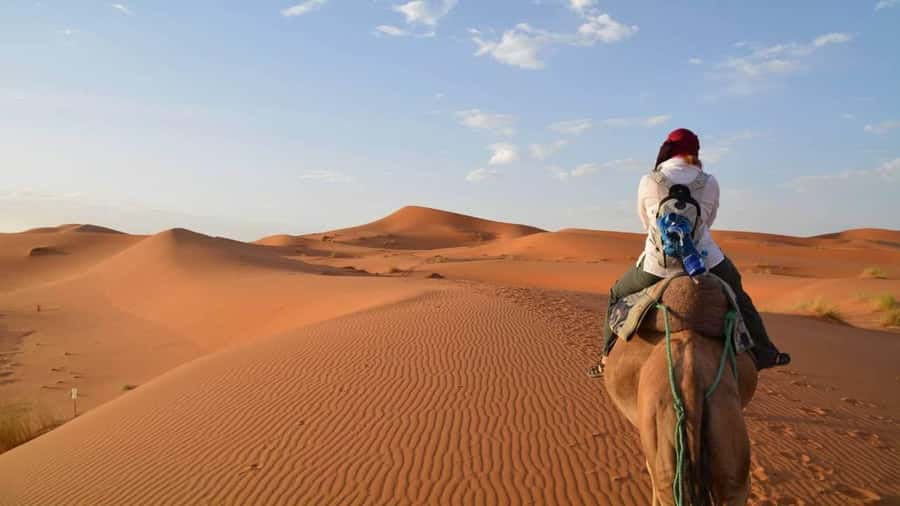
- Camel trekking both ways (sunset into camp, sunrise back out) with one camel per person
- Erg Chebbi stars and drum music in the camp night atmosphere
- Rose Valley stop on the return for a mid-ride reset and lunch
A Three-Day Route Through Atlas Passes and the Sahara
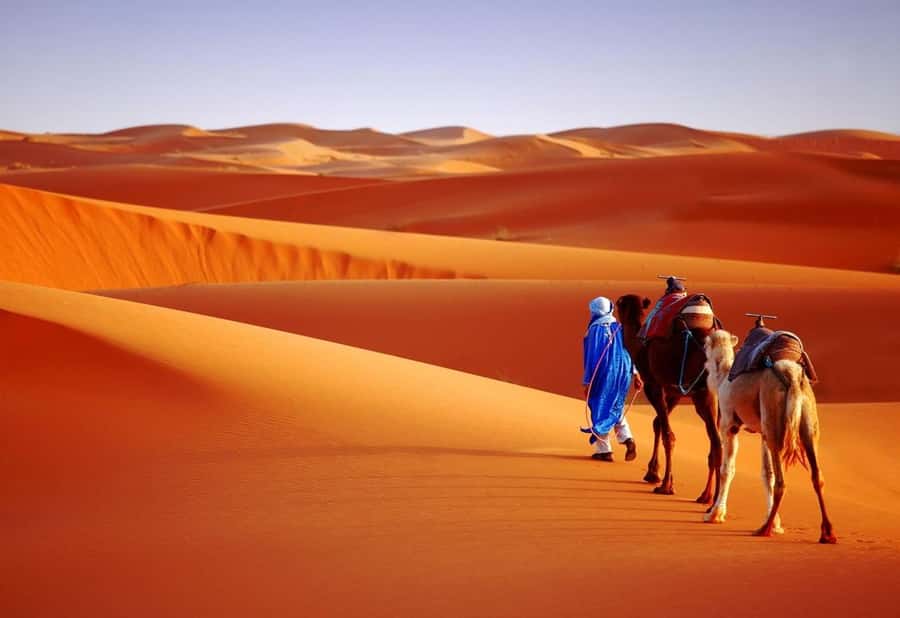
This is a straightforward, do-it-all kind of desert tour: mountains first, then kasbahs, then canyons and palms, and finally the Sahara dunes. The structure matters, because it builds anticipation. By the time the desert appears, you’re not just arriving—you’re ready for it.
The overall pacing is built around two overnight stays: one night in a hotel for a proper meal and shower, and one night in a private desert tent where the night sky does most of the entertaining. It’s not a slow-countryside trip; it’s an action itinerary with scheduled stops and time to stretch.
The route also tends to be guided by multilingual drivers and guides, and you may meet people like Moustapha, Hasan, or Hicham, depending on your departure. That matters on a trip like this, because explanations turn stops into something you actually remember.
Marrakech to Tizi n’Tichka: the long drive with built-in breaks
Day 1 starts early with pickup from your Marrakech hotel or the closest meeting point. Then you head east, leaving the city behind and getting your first taste of Moroccan road rhythm—curvy, scenic, and full of small villages.
As you approach the High Atlas Mountains, expect occasional stops for photos and quick breaks. There’s also time for a quick cup of coffee and to stretch your legs. Those tiny pauses are the difference between a stressful ride and a tolerable one.
The star of the drive is the Tizi n’Tichka pass, a famous route known for sweeping views and dramatic elevation changes. You don’t just pass through; you’re meant to stop, look, and take it in before the journey continues.
A practical tip: the trip includes an air-conditioned vehicle, and one earlier experience highlighted that there can be USB charging as well. That’s worth using, because you’ll likely shoot a lot of photos and want your phone ready for the desert light later.
UNESCO Kasbah Ait Ben Haddou: why the guide time is the whole point
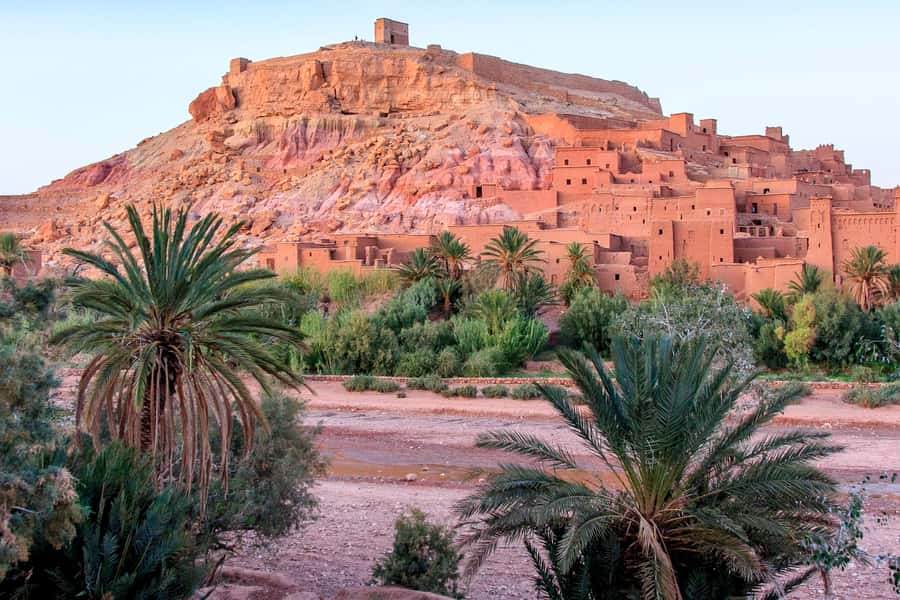
After crossing the mountains, you’ll reach Ait Ben Haddou, the UNESCO-listed kasbah that feels like a set from another era. You’ll spend around 2.5 hours exploring with a local guide.
I like this part because it’s not just standing in front of old walls. You’re given context, and that’s how the place turns from visually impressive into meaning-rich. Plus, the setting is tied to major film productions—locations connected to Gladiator, Lawrence of Arabia, and Kingdom of Heaven are part of the story you’ll hear while you walk the kasbah.
Worth knowing: entrance fees and a guide fee at Ait Ben Haddou may apply. The tour info points out that there’s a guide fee listed as about €2, and entrance fees are generally not included if they come up.
If you’re short on time, prioritize your questions during the guided window. This stop goes quickly, and a good guide can help you notice details you’d otherwise miss: the logic of the settlement layout, the defensive feel of the fortification, and why the site has survived so long.
Rose Valley and Ouarzazate-area stops: the “between worlds” day
Still on Day 1, you’ll move deeper into southern Morocco through a string of memorable scenery stops. The itinerary often includes drive-by highlights around Ouarzazate, Skoura Oasis, and Klaa Mgouna, plus stops that help you understand how water and farming shape life here.
You’ll also hear about the region’s rose-related traditions, since Klaa Mgouna and the Rose Valley area connect to that seasonal identity. Even if you’re not there during peak rose season, the name gives you a useful lens: this landscape isn’t only about desert romance; it’s also agriculture and daily work.
By late afternoon, you arrive at your hotel and can slow down. Dinner is included, along with breakfast for the next morning. This hotel night is smart value on this kind of trip—it’s your buffer against the fatigue that can build up when Day 2 becomes all desert, camel riding, and stargazing.
If you like to keep momentum without overdoing it, this is a good compromise day. You still see plenty, but you end it with a real night’s rest before the dunes.
Entering Merzouga: Todra Gorge, palm oases, and the approach to Erg Chebbi
Day 2 shifts gears. After breakfast, you head toward the Sahara dunes in Merzouga and pass through towns and village corridors along the way.
You’ll see Todrа Gorges (with its tall walls and canyon feel), plus places like Tinghir, Tinjdad, Erfoud, and other settlements connected to the desert edge. This matters because it gives you a sense of how the desert transition happens—water, agriculture, and rock cut through the route until the dunes take over visually.
Once you reach Merzouga, you’ll have a chance to relax and then pack a smaller overnight bag for your camel trek. That’s another practical point I appreciate: you don’t carry everything onto the dunes. It keeps the trek manageable and lets you use your main luggage back at the starting point.
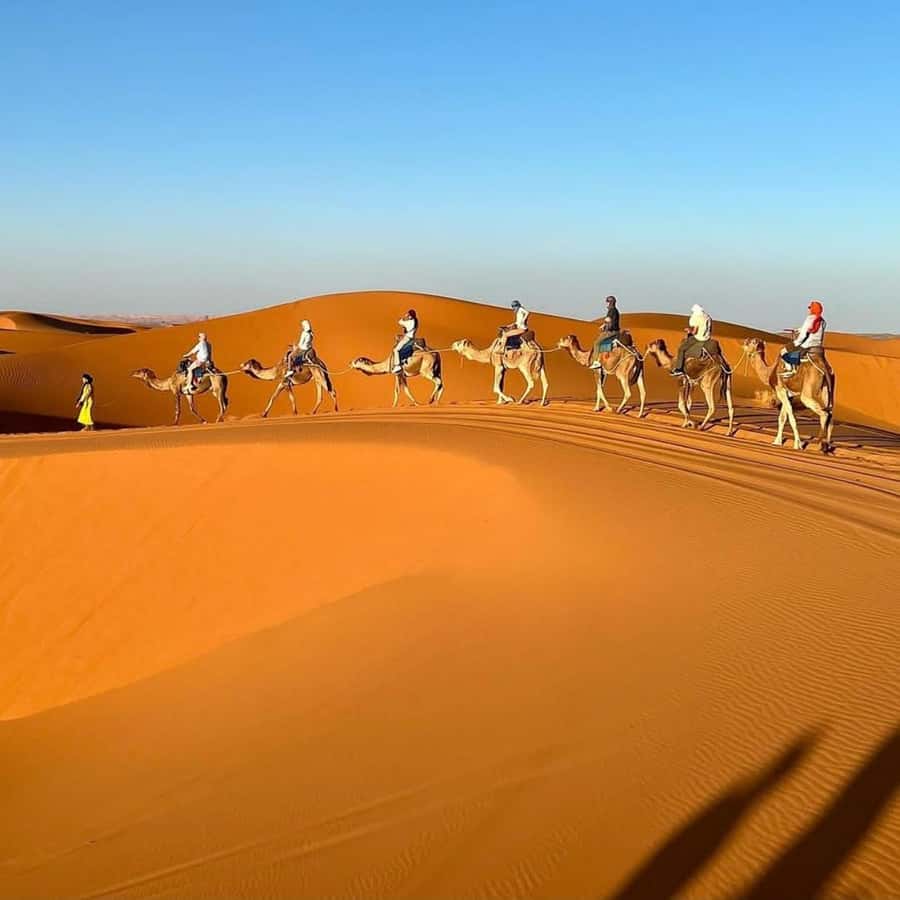
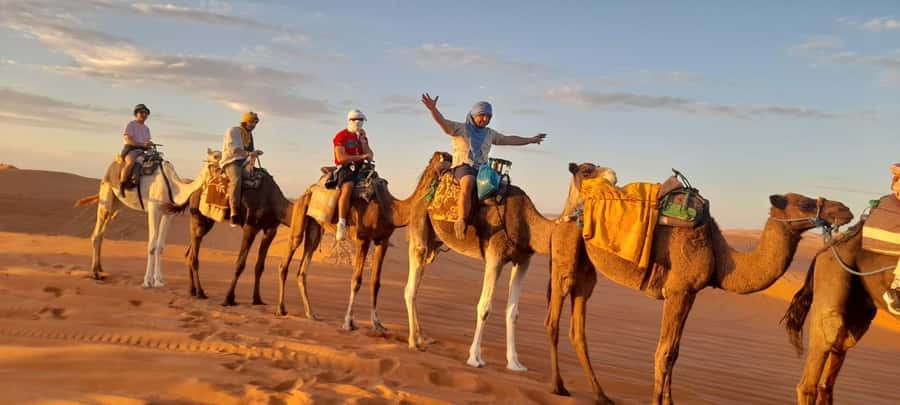
Then you switch from vehicle travel to camel travel, with the classic setup: you’ll take a camel trek into camp. The tour is explicit about one camel per person, which is important for expectation-setting.
The camel trek into camp: sunset timing and Berber camp rhythm
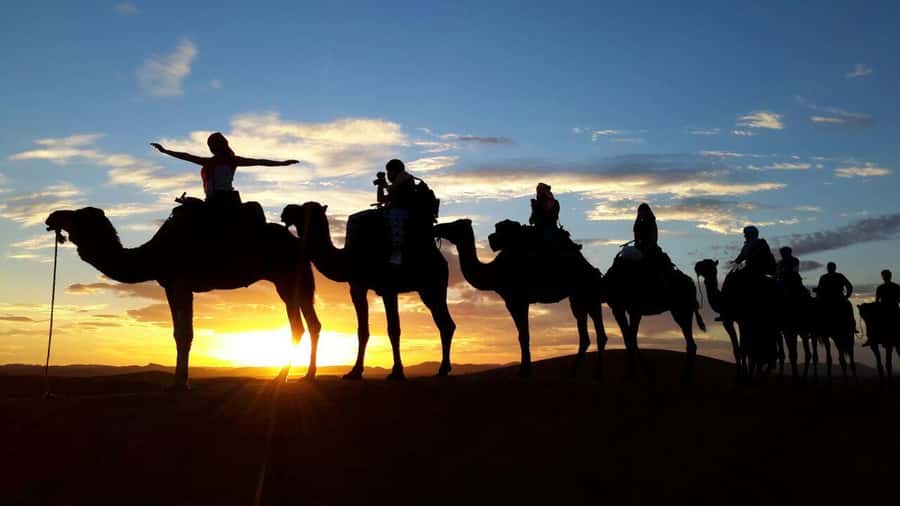
The most emotionally “Sahara” part of the trip begins after you settle into Merzouga. You walk with camels across the dunes toward camp, aiming for sunset over Erg Chebbi—the dunes known for their golden tones as the light changes.
This is where the itinerary earns its keep. Sunset isn’t just a scenic moment; it’s your orientation in the desert. The sky and sand shift from bright to warm to dark, and you start to understand what “dunes” means in real life—soft, rolling, and constantly changing shape.
At camp, you’ll arrive at traditional Berber tents. Your experience includes a night under the stars, with drum music mentioned as part of the evening atmosphere. That combination—star-filled sky plus music—turns a basic campsite into something that feels culturally anchored, not just tourist-branded.
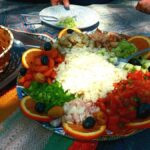
Dinner and breakfast are included again. A vegetarian option is available, so you’re not stuck guessing if you eat differently.
What I’d watch for: comfort expectations. Desert nights can be cool, and you’re in a tent environment. Bring practical thinking to this part—comfortable layers matter more than fashion.
Dinner, stars, and that desert silence you didn’t know you wanted
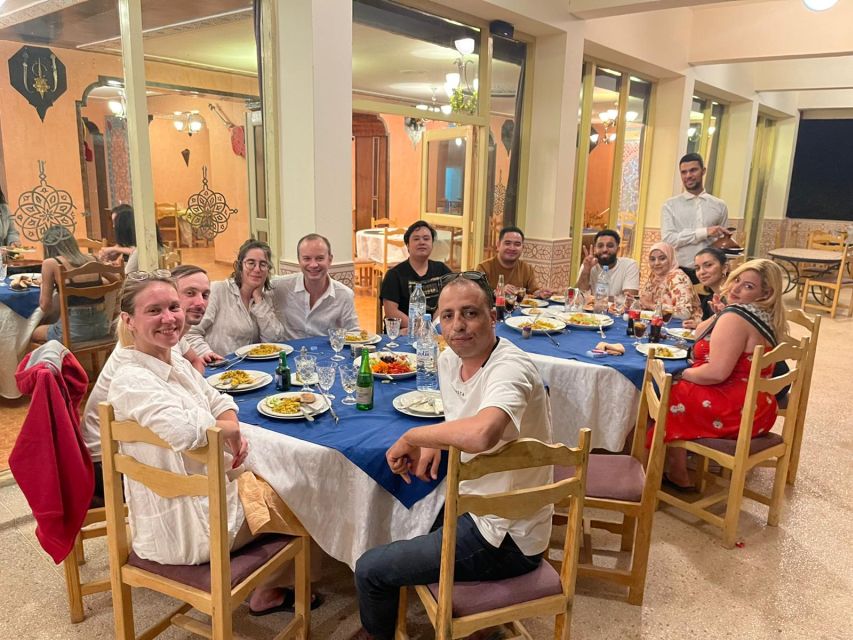
The camp night is often the highlight because it does two things at once. It gives you the social energy of a shared evening (drums, conversation, and the general movement of camp), and it then lets you feel the desert calm once everyone quiets down.
Sleeping in a private desert tent helps you recharge without the chaos of a larger open sleeping space. You’re not surrounded by everyone, and you can actually get rest before the early-morning dunes.
One more detail worth knowing from real-world experience: some camps or return routines may offer optional add-ons like a quad ride on the way back instead of a camel ride. The info you’ve been given points to possible pricing around 50 euros or 60 euros for a duo, but it also makes clear this isn’t always part of the default plan. If you care about sticking strictly with camels, ask early what your exact return looks like.
Also, plan for cash needs. One experience note stressed that you should be ready with cash or a physical card, especially for food add-ons like lunches.
Sunrise camel trek and the return via Rose Valley
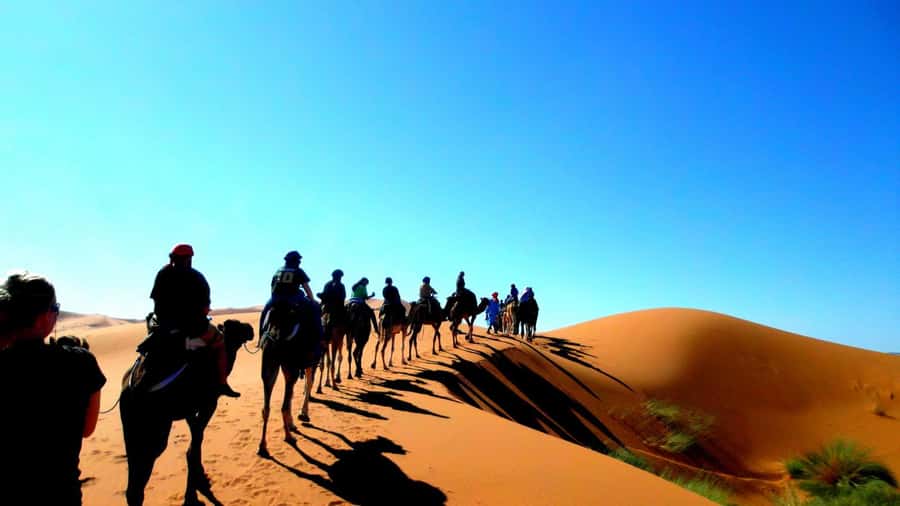
Day 3 begins early for a sunrise viewing over the dunes. This timing is worth it. Sunrise in a desert doesn’t just brighten the sand—it changes texture and depth, making the dunes feel almost sculpted.
After sunrise, you have breakfast and then return by camel. Once you’re back near Merzouga, you’ll start the drive back toward Marrakech. The route often includes a mid-ride stop around Kalaat M’Gouna / Rose Valley for lunch and a rest, then you continue via Ouarzazazate and back to Marrakech by evening.
This return day is calmer than Day 1 but still long. The upside is that you get a strong final memory before turning back toward roads and cities.
If you’re the type who wants to take photos until your battery dies, sunrise will make that happen. Charge what you can before the desert portion, and keep a power bank if you rely heavily on your phone.
Price and value: what your $115 likely covers (and what to budget)
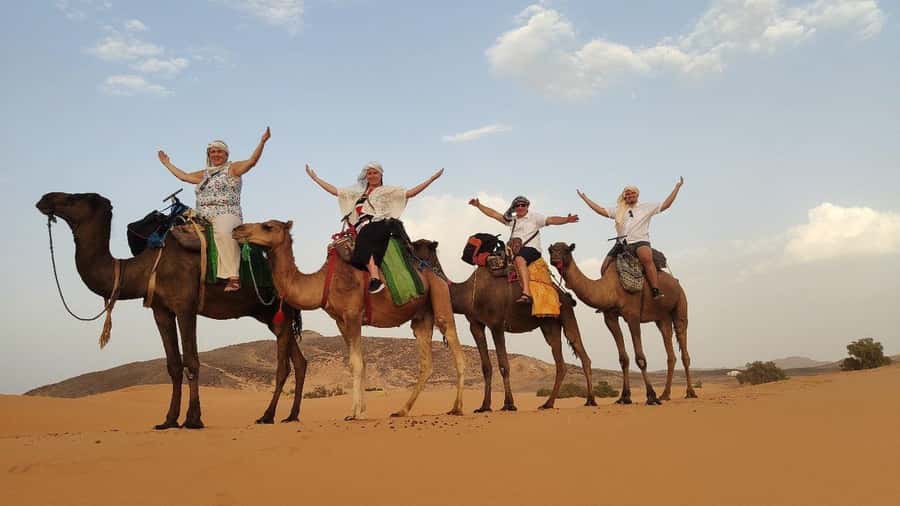
At $115 per person, this tour offers a lot of the expensive pieces that usually add up fast: air-conditioned transport, a guide/driver, two nights (hotel + desert camp), and camel trekking with both sunset and sunrise.
You’re not just paying for the camels. You’re paying for the whole machine—driving time, organized transfers, included dinners and breakfasts, and time in major stops like Ait Ben Haddou.
What’s not included matters, because these are the common add-ons you’ll likely face:
- Lunches are not included.
- Drinks are not included.
- Entrance fees may apply.
- A guide fee at Ait Ben Haddou may apply (listed around €2).
One practical budget clue: lunch can be handled as a fixed 3-course menu around 12 euros on the day it’s offered. That’s not catastrophic, but it’s better to plan than to improvise.
As for optional quad rides, those can become an extra cost if you decide to switch modes. If you want the classic camel experience, keep the quad option in your back pocket rather than assuming you’ll automatically get it.
Comfort, food, and small logistics that matter
This tour is comfortable enough for a multi-day desert road trip, with a few key things to look for.
First, the vehicle has air-conditioning, and at least one experience noted USB charging, which is a big deal on long drives. You’ll also get periodic stops for food and stretching, so you’re not stuck for hours without a break.
Second, meals are partially included and partially not:
- Dinner and breakfast are included both nights.
- Lunch is not included.
- Vegetarian options are available for dinner and breakfast.
Third, pack for heat and sun. Bring sunscreen, sunglasses, and comfortable shoes. You’ll be walking in kasbah areas and on desert paths, so don’t assume flip-flops will feel great after a long day.
Finally, languages are covered: Spanish, English, French, and Arabic. Even if you speak only one, you should find communication workable. Your guide’s style still matters—names like Ayoub, Moustapha, Hasan, and Hicham show up in different departures, and the consistent theme is helpfulness and keeping the group in a good mood.
Who should book this Marrakech-to-Merzouga desert tour?
This trip is a strong fit if you want a classic Sahara experience without the stress of planning logistics day-by-day. You’ll get mountain scenery, UNESCO kasbah time, desert camp atmosphere, and camel trekking timed for the best light.
It may not be the best fit if you want minimal driving. Even with breaks, you will ride a lot on Days 1 and 3. The experience is built around movement.
It also comes with clear limits: it’s not suitable for people over 70, pregnant women, or children under 12. If any of those apply to you, choose a different style of tour that matches your needs.
Should You Book This Marrakech-to-Merzouga Trip?
Yes, you should book it if your top priority is real desert time—not just a quick stop. The two desert moments (sunset and sunrise camel treks) plus the night in a private tent are what make this more than a checklist tour.
I’d book it especially if you value structure. Someone else handles the route, meal timing, and the switch from vehicle travel to dunes. That lets you focus on the places: Ait Ben Haddou’s textures and stories, Todra’s canyon drama, and Erg Chebbi at golden hour.
Skip it or rethink if you’re sensitive to long driving days, or if you hate the idea of paying extra for lunches and drinks. Plan a simple budget for those add-ons, and you’ll enjoy the trip more and stress less.
FAQ
What does the tour include for overnight stays?
You get one night in a hotel with dinner and breakfast, plus one night in a private desert tent with dinner and breakfast.
Are camel treks included, and when do they happen?
Camel trekking is included, including sunset camel trekking in Erg Chebbi and sunrise camel trekking. The tour also includes a camel trek experience tied to the desert camp portion.
Is lunch included in the price?
Lunch is not included. Meals included are dinner and breakfast on both nights.
Are drinks included?
No, drinks are not included.
Do I need to pay for entrance fees at Ait Ben Haddou?
Entrance fees are listed as not included. A guide fee at Ait Ben Haddou is noted as about €2.
Is there a vegetarian option?
Yes. Dinner and breakfast include a vegetarian option.
What languages are available for the tour?
The tour is available in Spanish, English, French, and Arabic.
What should I bring for the desert?
Bring sunscreen, a passport or ID card, comfortable shoes, and sunglasses.
Who is the tour not suitable for?
It is not suitable for people over 70, pregnant women, or children under 12.