REVIEW · MARRAKECH
Toubkal Ascent Trek 4167m 2 days & 1 night
Book on Viator →Operated by Morocco Mountain Guides · Bookable on Viator
The road to the top is shorter than you think. A 2-day, 1-night Toubkal ascent lets you see why this is the highest point in North Africa, walking from Marrakech through Atlas valleys, meeting Berber guides and muleteers, and topping out at 4167m for wide-open views.
What I like most is that this trek keeps things non-technical in the climbing sense, yet it still feels serious once altitude and snow show up. You’ll also get the payoff of real mountain time: crossing valleys, reaching the Toubkal Refuge (3206m) for the night, then turning around for the summit push.
The main drawback to weigh is that winter-style conditions can mean crampons and an ice ax for Nov to Apr, and the altitude plus scree can make Day 2 feel tough even when the route is straightforward.
In This Review
- Key Points Worth Knowing
- Entering the Atlas: Why Toubkal Is Worth Your Time
- Price and Value: What $210.62 Buys (and What It Doesn’t)
- Morning Pickup From Marrakech: Getting to the Start Right
- Day 1 on the Slopes: Mizane Valley, Aremd, and Sidi Chamarouch
- Day 1 Detail to Watch: Shrines, River Crossings, and Footing
- Day 2: South Circus, Scree, and the 4167m Summit Push
- Summit Day Reality Check: Snow Months Need Extra Gear
- Food and Comfort: What’s Included, What’s Not
- Guides, Muleteers, and Berber Village Connections
- Getting Your Fitness Right: Who Should Book This Trek
- Weather and Timing: The Mountain Calls the Shots
- FAQ
- FAQ
- Is Mt Toubkal a technical climb?
- What’s included in the trek price?
- Do I need travel insurance?
- Do I need to bring my own gear?
- Is bottled water included?
- How big are the groups?
- Should You Book This Toubkal Ascent?
Key Points Worth Knowing
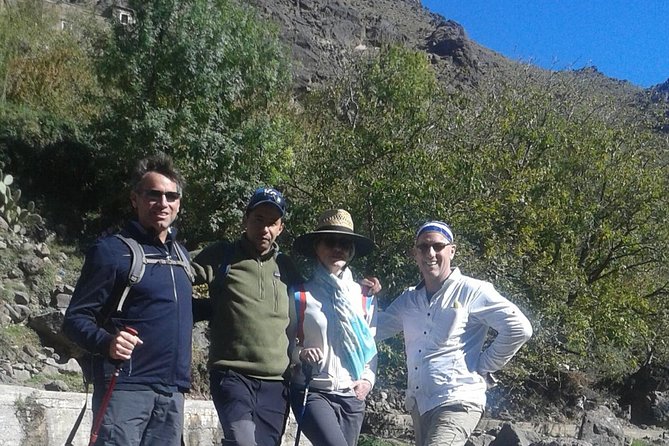
- High point, clear views: summit views reach from the Marrakesh Plain to the High Atlas and, in good weather, as far south as the Anti-Atlas and the Sahara.
- It’s non-technical, but not easy-walk: expect some scrambling and snow slopes, plus scree and altitude on Day 2.
- Night at altitude: you sleep at the Toubkal Refuge (3206m), which changes how your body feels the next morning.
- Guides and mule support: a mule/cook setup helps keep the trek practical, while Berber guides handle the route and local context.
- Small groups: the experience caps at 12 travelers, so you’re not packed in like a bus tour.
Entering the Atlas: Why Toubkal Is Worth Your Time
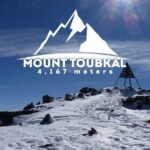
Mt Toubkal is the headline for a reason. At 4167m, it’s the highest peak in North Africa, and the climb gives you a fast education in Atlas geography: valleys, villages, and the shift from green slopes to cold rock and snow when conditions line up.
This trek also has a smart pacing idea. You don’t spend a week acclimatizing on purpose; instead, the itinerary compresses the journey into two days, with a refuge stay that’s high enough to make the summit push feel real, but short enough to be doable for fit hikers who show up prepared.
And then there’s the human side. You’ll move through areas closely tied to Berber life and guided by people who know these paths—not just the top of the mountain.
You can also read our reviews of more tours and experiences in Marrakech.
Price and Value: What $210.62 Buys (and What It Doesn’t)
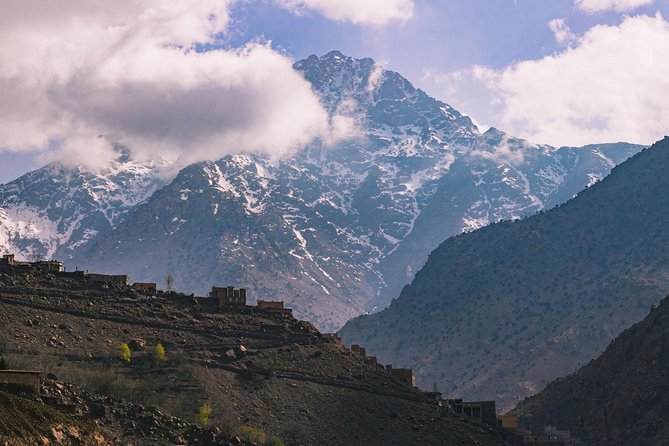
At $210.62 per person, you’re paying for more than the summit goal. You get morning pickup from Marrakech, air-conditioned transport, a packed-in meals plan (breakfast, dinner, and lunch for the trek days), and logistical support with a mule/cook.
You’re also getting mountain time with a small max group size (12) and guiding for a route that involves altitude, snow conditions in colder months, and some light scrambling. In plain terms: this isn’t a casual stroll tour, so the cost is partly about getting you safely and practically from valley to refuge to summit.
What’s not included matters for budgeting. Travel insurance, medical or accident coverage, flights, and personal gear (like sleeping bags if needed, plus proper boots) are not part of the price. Also, mineral bottle water during the trek isn’t included, so plan to carry or purchase accordingly.
Morning Pickup From Marrakech: Getting to the Start Right
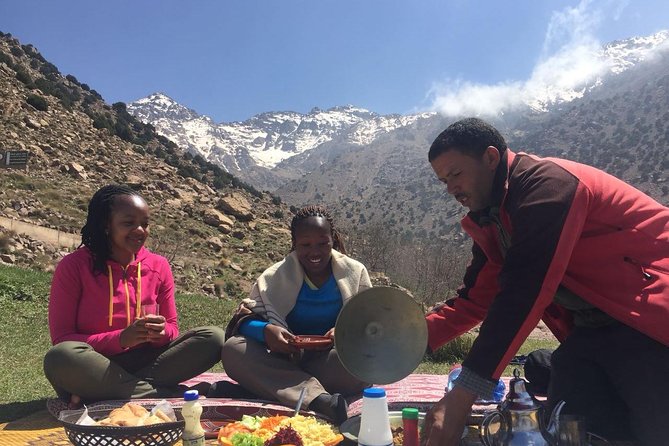
The experience begins with pickup from your hotel in Marrakech in the morning. Exact start timing can vary based on pickup logistics, but you should plan for an early start and clear schedules for that day.
Once you’re on the road into the Atlas, you’ll feel the shift quickly. The journey takes you toward the southern approach that feeds the climb, moving from the city rhythm to valley paths and mountain air.
One practical tip: treat this day like a hiking day, not a day to sleep in. Bring snacks you trust, keep your layers ready in the vehicle, and use the ride to organize rather than fumble once you’re already walking.
Day 1 on the Slopes: Mizane Valley, Aremd, and Sidi Chamarouch
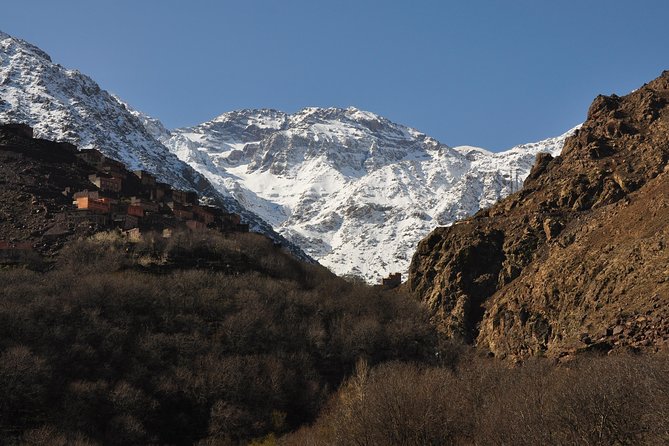
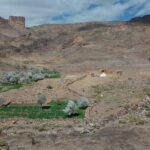
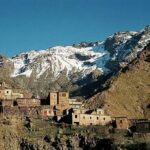
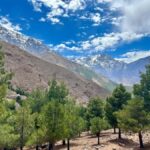
Day 1 starts with a gentle build. You’ll head along the Mizane Valley, passing Aremd, then continuing toward the shrine of Sidi Chamarouch. This isn’t just scenery—it’s the kind of place where trekking routes and local life overlap, and where pilgrims and visitors have a reason to stop.
From the shrine area, the path crosses floodplains and follows river crossings as the trail begins to climb steadily. This is where the trek begins to feel like a mountain hike rather than a sightseeing walk: uneven ground, changing footing, and a steady rise toward the snowline.
You’ll end the day at the Toubkal Refuge (3206m). Reaching a refuge at that altitude changes how you experience Day 2. Even if Day 1 feels manageable, the air will feel thinner later, and that matters when you head into colder conditions and higher slope angles.
The value of this first day is that you learn the terrain before the summit day arrives. By the time you sleep near 3200m, you’re not guessing how your body reacts—you’re ready to respond.
Day 1 Detail to Watch: Shrines, River Crossings, and Footing
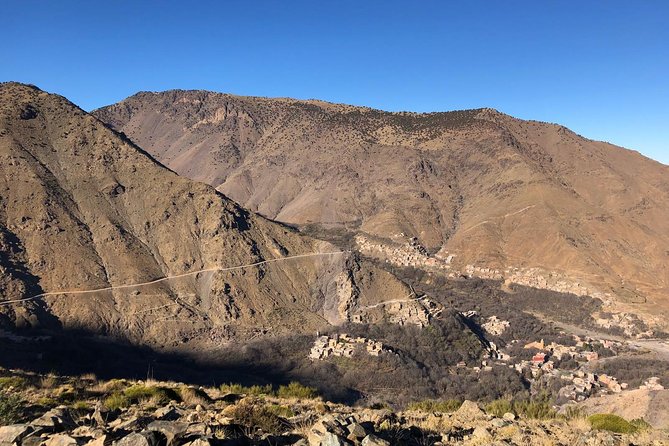
Crossing floodplains and river sections can be the part that surprises people who expected only trail hiking. Even on a route that’s described as relatively straightforward, mountain walking often means managing wet spots, shifting rocks, and footing that’s not perfectly even.
Also, note the emotional pace. Shrines like Sidi Chamarouch bring a different tempo than a viewpoint. You’re moving through places that attract tourists and pilgrims, so keep your eyes open and respect that people use these sites for real reasons.
If you tend to rush when you’re excited, Day 1 is a good day to practice steady hiking. You want your legs fresh for the next morning.
Day 2: South Circus, Scree, and the 4167m Summit Push
Day 2 begins with transit into the climbing area near the refuge. The approach includes crossing streams above the refuge and then walking toward the high zone in the south circus.
The walking is described as relatively straightforward, but altitude and scree are the real test. Scree slows you down and tires your calves because every step has to stabilize your weight. Add thinning air and suddenly the summit becomes a rhythm problem: slow steps, steady breathing, and patience.
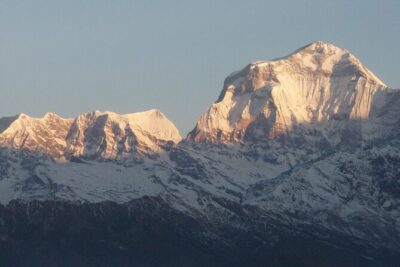
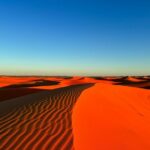
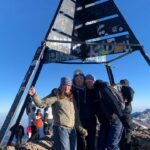
Then you reach the summit, and the effort clicks into place. The view is described as unrestricted in every direction—from the Marrakesh Plain to the High Atlas in the north, and on clear days as far south as the Anti-Atlas and the Sahara.
After that, you retrace your steps back down. That matters because the descent isn’t just a victory lap; it’s still downhill work, and your knees and balance will get their turn.
Summit Day Reality Check: Snow Months Need Extra Gear
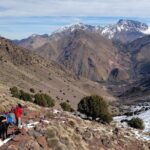
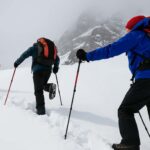
One important detail is seasonal. This trek is arranged all year, but from Nov to Apr, you should expect snow conditions where crampons and an ice ax are used for security.
Even if you’re not doing technical climbing, those tools change your approach. You’ll want correct fit, proper technique, and trust in your guide’s instructions, especially on snow slopes.
If you dislike winter hiking, be honest with yourself. This is still a trekking peak, and the terrain gets serious when there’s ice and snow.
Food and Comfort: What’s Included, What’s Not
Meals are handled in a way that keeps the trek simple. You’ll have breakfast and dinner, plus lunch (two lunches) during the hiking days. That means fewer stops to manage and less thinking about where to eat once you’re in the mountains.
You also have support staff: mule/cook is included. Practically, that usually means more structured meal planning and logistics for the group, not you carrying everything.
What’s not included is also clear: mineral bottle water during the trek isn’t included. Since you’ll be exerting at altitude, plan for hydration and consider carrying a small supply you can manage comfortably.
For sleeping, personal gear like sleeping bags and proper footwear are not included. This is one of those “you’ll regret it if you forget” items, because cold nights at altitude can be brutal.
Guides, Muleteers, and Berber Village Connections
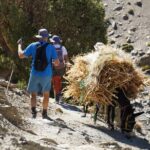
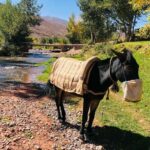
The best part of this trek isn’t only the top—it’s the people you walk with. Your guides are described as Berber, and you’ll meet muleteers along the way, which gives you a more complete sense of how mountain life runs beyond the summit.
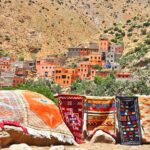
You’ll also spend time passing through areas with Berber culture in view, including village stops and the shrine at Sidi Chamarouch. It’s not a museum-style performance; it’s part of a working landscape.
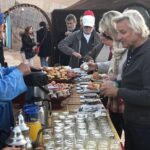
One extra plus from firsthand trip stories: the organization can be flexible. If you’re trying to match your pace or you want company, the guides can help you connect with another group, and that’s how people end up forming real friendships during a short trek.
For solo hikers, that flexibility can be the difference between feeling isolated and feeling like you’ve got a crew.
Getting Your Fitness Right: Who Should Book This Trek
This trek is aimed at keen walkers with strong physical fitness. It’s non-technical in the sense that you’re not climbing, but you are dealing with altitude, scree, easy scrambling, and snow slopes depending on season.
If you hike regularly and you’re comfortable with uphill travel and a long second day at elevation, you’ll likely feel in control. If you’re brand new to altitude or you hate uneven footing, this will test you.
Also, remember the group size is capped at 12, which is great for a personal feel. You’ll still hike at your own pace, but you’ll be moving in a shared rhythm.
Weather and Timing: The Mountain Calls the Shots
This experience requires good weather. That’s standard in mountains, but it’s worth planning around because the day you start depends on conditions.
When visibility is good, the summit becomes a wide panorama—from north to south. When conditions are rough, you might get a different date offered or a full refund, but either way, you should prepare for the mountain to drive the schedule.
Think of it as a hike where timing and trust matter more than speed.
FAQ
FAQ
Is Mt Toubkal a technical climb?
It’s described as a trekking peak involving no climbing. In colder months (Nov to Apr), you may use crampons and an ice ax for security, and there can be easy scrambling and snow slopes.
What’s included in the trek price?
The trek includes pickup offered, breakfast, dinner, and lunch (2), plus air-conditioned vehicle transport and mule/cook support.
Do I need travel insurance?
Travel insurance and medical or accident insurance are not included, so you’ll need your own coverage.
Do I need to bring my own gear?
Personal gear such as shoes and sleeping bags is not included. You should come prepared with your own hiking footwear and cold-weather essentials.
Is bottled water included?
Mineral bottle water during the trek is not included.
How big are the groups?
The maximum group size is 12 travelers.
Should You Book This Toubkal Ascent?
If you want a fast, high-impact mountain experience with real valley-to-summit momentum, this is a strong pick. You get the highest peak in North Africa, meaningful altitude exposure at the Toubkal Refuge (3206m), and guiding that handles tricky parts like snow season security.
Book it if you’re fit, comfortable with altitude, and okay with a difficult Day 2 that includes scree and possibly snow tools. Skip it (or at least think hard) if winter conditions would stress you, or if you’re not ready for uneven footing and the cold that comes with higher sleeping.
For the right hiker, this is exactly the kind of trek where the views feel earned—and the route through Berber places makes the whole climb more than just a summit photo.