Three days in wolf country, and the hunt for the Ethiopian wolf is the main draw. I like how the schedule puts you at the Sanetti Plateau where sightings are the goal, and I like that guides such as Mohamed and Mamush help you keep moving smartly even when altitude bites. One possible drawback to plan for: you’re hiking at very high elevations, so warm layers and moderate fitness really matter.
This trip is built around getting you quickly into the mountains. You’ll start early (start time is 9:00 am) and you should expect long travel days with internal flights, plus an air-conditioned vehicle on the ground. For me, the best part is the small-group feel (max 15), which means your guide can watch your pace, not just count heads.
At about $1,538 per person, this isn’t a casual weekend hike. You’re paying for access, park time, and guided navigation in a remote place where wildlife and weather can change fast. If you want a zero-altitude experience with no chance of cold, consider that this one is about highland walking first.
In This Review
- Key things that make this Bale trek work
- Bale Mountains National Park: wildlife hiking in Ethiopia’s highlands
- Day 1: Bale Goba flight, an easy start at headquarters, then Goba for the night
- Day 2: Sanetti Plateau at ~4,000m, Ethiopian wolf potential, and the Tullu Deemtu climb to 4,377m
- Day 2 food and camp-style nights: why the small details get praised
- Day 3: a short hike, then back to Addis Ababa by midday flight
- Price and value: what $1,538.47 per person is buying you
- Guides make the difference here (and names you’ll hear)
- What to pack for high altitude in Bale Mountains
- Who this trek suits best
- Should you book this 3-day Bale trek?
- FAQ
- What is the start time for this Bale Mountains trek?
- Where does this tour meet, and is pickup available?
- Are entrance fees included?
- What meals are included in the 3 days?
- What physical fitness level do I need?
- How many people are in the group?
- Is there free cancellation?
Key things that make this Bale trek work
- Sanetti Plateau (about 4,000m) for Ethiopian wolf country
- Tullu Deemtu at 4,377m and the big altitude swings
- Guides who actively help with wildlife spotting and photo timing (people mention Mohamed, Mamush, Ibrahim, Ayouba, Ahmed)
- Stunning night-sky moments when the trip reaches plateau camping conditions
- Entrance fees handled for you, plus air-conditioned vehicle support
- A manageable group size (up to 15) for a more attentive hike
Bale Mountains National Park: wildlife hiking in Ethiopia’s highlands
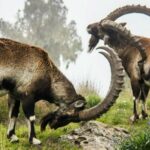
Bale Mountains National Park is a prime destination for hikers who also care about animals and habitat. It’s known for species like the Ethiopian wolf, mountain nyala, giant molerat, and Bale monkey, and the area is protected because it’s crucial biodiversity country.
Conservation data describes the Bale Mountains as a Biodiversity Hotspot for a reason: if habitat declines here, more mammal species could be lost than in other regions of similar size. Add in rare amphibians, endemic birds, and special plant life, and you get a place where the scenery comes with serious ecological weight.
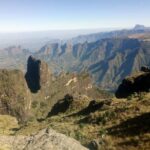
For your planning, that matters because the trek is not only about views. It’s about moving through distinct altitude zones—woodland early on, afro-alpine plateau at high elevation, then down toward forest areas—where different wildlife shows up.
You can also read our reviews of more tours and experiences in Addis Ababa.
Day 1: Bale Goba flight, an easy start at headquarters, then Goba for the night
Day 1 is designed to get you into position without crushing you right away. You fly to Bale Goba at 11:45, then you handle the local requirements and ease into the park with a short, easy hike from the headquarters area.
The walk focuses on the woodland part where you can look for antelope families. That’s a smart way to begin: it gets your body used to the idea of moving outdoors, and it also helps you settle in before the higher-altitude day.
Later in the afternoon, you drive around 45 km to Goba (the itinerary notes it’s near Dinsho) for overnight. Expect dinner and a hotel stay in this first night setup.
What I like about this structure is how it sets your expectations. You’re not starting on the steepest, coldest ground on day one; you’re warming up with an animal-focused walk and then sleeping in proper comfort before tomorrow’s 4,000m-plus big push.
Practical note: even on the first day, you’re still in a highland environment. Bring layers you can adjust quickly, because sun and shade can feel very different.
Day 2: Sanetti Plateau at ~4,000m, Ethiopian wolf potential, and the Tullu Deemtu climb to 4,377m
This is the day that makes Bale Mountains famous.
After breakfast, you drive toward the Sanetti Plateau, listed at about 4,000 meters. The plateau is described as the largest afro-alpine area in Africa, and it’s also the place to look for the Ethiopian wolf. In other words, this isn’t just “a scenic high point.” This is the main stage.
The trek then continues via Tullu Deemtu (4,377m), noted as the second-highest point in Ethiopia. You’re climbing into thin air territory, and you should expect a slower pace, frequent stops, and the need for warm clothing.
Then, the route moves toward Harenna forest, which means you get a real sense of altitude change—high, open plateau conditions transitioning toward a very different ecosystem. For wildlife and birds, that shift can be meaningful. Even when the big predator moments don’t happen, you still get an animal-and-habitat experience rather than a single “point-to-point” hike.
One of the strongest themes in the feedback is how much the guide makes the difference here. People mention guides like Mohamed, Mamush, Ibrahim, and Ayouba helping them find Ethiopian wolves, sometimes more than once. That’s not guaranteed on any trek, but it’s a sign that the best operators don’t treat the day as a checklist—they work the terrain and timing.
Tip for you on day two: slow down on purpose. If you chase speed, altitude punishes you faster. If you keep a steady pace and dress for cold, you’ll feel better and be more able to concentrate on spotting wildlife.
Day 2 food and camp-style nights: why the small details get praised
Even though breakfasts are explicitly included, the experience on this trek tends to revolve around the whole team—guide plus cook support—because you spend long hours outside. Several people specifically call out delicious, varied food, and one named cook is Awul.
You’ll also see repeated praise for night-sky and plateau camping experiences: people describe time outdoors under big skies and wildlife roaming close to campsites (like warthogs near tents). That tells you the trek can feel raw and close to nature, not staged for comfort.
If you’re the kind of traveler who loves the whole day, not just the hike, this aspect matters. Warm clothing, a solid sleeping setup (if your version includes camping), and a positive attitude about the outdoors can turn day two from tough to unforgettable.
Day 3: a short hike, then back to Addis Ababa by midday flight
Day 3 is shorter and more “finish strong” than “push hard.”
After breakfast, you do a little hike in the park. It’s the kind of wrap-up that lets you still enjoy the area without repeating the biggest altitude challenge. Then you catch the midday flight to Addis Ababa.
The itinerary notes pickup from Bole Airport late afternoon and then drop-off at your hotel. So you end the trek with transportation handled, rather than forcing you to figure everything out on your own right after arriving back in the city.
What you’ll likely feel on day three is relief mixed with lingering excitement. Even a few hours of wildlife walking at high elevation can stick in your memory, and many people return home talking about the wolf sightings and bird life more than the mileage.
Price and value: what $1,538.47 per person is buying you
Let’s talk money like a planner, not like a brochure.
The price is about $1,538.47 per person for roughly three days. What you can confirm is that entrance fees are included, and you also get an air-conditioned vehicle plus meals limited to breakfast (2). On top of that, your schedule includes internal flights (to Bale Goba and back to Addis Ababa), and you get a guide-led setup with a small maximum group size.
So the value is mostly in:
- Paying for access to the protected park environment
- Paying for time efficiency, since the itinerary uses flights and driving so your day count stays focused on the mountains
- Paying for human navigation, which matters in wildlife areas where weather and conditions can change
What’s not included is also important for budgeting: alcoholic drinks and personal expenses like internet, telephone, and laundry.
If you’re comparing costs to a cheaper “just transportation” option, remember that Bale Mountains isn’t a theme park. A good guide and proper local handling are often what turns a long trek into a real wildlife experience.
Guides make the difference here (and names you’ll hear)
This trek lives or dies by the guide’s ability to manage both the land and the group.
The most praised guides in the feedback include Mohamed, Mamush, Ibrahim, Ayouba Ahmed, and Ahmed. People describe them as proactive, attentive, and flexible—plus they share a lot of practical knowledge during walks.
One standout theme: guides helping photographers and film makers. A solo traveler feedback note mentioned patience and practical input for getting shots. That matters because wildlife spotting often requires small adjustments—when you stop, where you stand, and how you move without spooking animals.
If you care about animal photography, tell your guide what you’re trying to capture. The best outcome usually comes from collaboration, not from silent guessing.
What to pack for high altitude in Bale Mountains
Even with a not-too-demanding hike on some days, altitude is still the main character.
The trek is tied to elevations around 4,000m+ (Sanetti Plateau) and 4,377m (Tullu Deemtu). People explicitly mention needing warm clothes, which matches what you’d expect from cool highland nights and breezy plateau conditions.
Plan for:
- Layering clothes you can adjust as you move from sun to shade
- Warm outerwear for cold air and wind at altitude
- Comfortable hiking shoes with good grip
- A daypack for layers, water, and any essentials
- Rain protection if weather turns (feedback includes at least one mention of rain with flexibility from the guide)
If you run hot, you can still get cold at elevation. Bring layers designed for temperature swings, not just for one steady weather pattern.
Who this trek suits best
This is a good fit if you want:
- A wildlife-focused hiking experience in Bale Mountains National Park
- A guided trip with entrance fees handled
- A plan that mixes high plateau country with forest transitions
- A small group pace (max 15)
It’s also a smart pick if you’re comfortable with moderate physical effort and altitude effects. The tour notes travelers should have moderate physical fitness.
If your ideal trip is all short, flat walks and warm weather every hour, this might feel like hard work. If you’re excited by high elevation and wildlife moments, it’s the right kind of challenge.
Should you book this 3-day Bale trek?
If you’re chasing Ethiopian wolf country and want a guided, structured 3-day plan, I’d lean yes—especially because the itinerary is built to put you at the right places and because the operator’s guides get repeat praise for wolf spotting and attention to detail.
Book if:
- You can handle cold and altitude at 4,000m-plus
- You like wildlife walking where timing and pacing matter
- You want a small group with real guide attention
Skip or rethink if:
- You need a very low-altitude experience
- You dislike hikes where weather and temperature changes fast
- You want meals beyond breakfast to be fully included without any extra planning
If you’re on the fence, the biggest decision factor is your comfort with height. Everything else—wildlife, guides, and the feel of the highlands—tends to fall into place when altitude is respected.
FAQ
What is the start time for this Bale Mountains trek?
The meeting start time is listed as 9:00 am.
Where does this tour meet, and is pickup available?
It notes near public transportation and that pickup is offered. You’ll also be picked up from Bole Airport late afternoon on Day 3 for drop-off to your hotel.
Are entrance fees included?
Yes. All entrance fees are included.
What meals are included in the 3 days?
Breakfast is included for 2 days.
What physical fitness level do I need?
The tour indicates you should have a moderate physical fitness level.
How many people are in the group?
The maximum group size is 15 travelers.
Is there free cancellation?
Yes. You can cancel up to 24 hours in advance for a full refund. If you cancel less than 24 hours before the start time, the amount paid is not refunded.