REVIEW · ADDIS ABABA
3 Days Trekking Simien Mountains Tours
Book on Viator →Operated by Ethio Target Tours · Bookable on Viator
Simien Mountains trekking is pure altitude drama. You’ll hike highland ridges above 3600m, with chances to spot gelada baboons, giant lobelia plants, and the dramatic drop-offs into deep escarpments. What makes this trip feel special is the mix of practical logistics—permits, an obligatory scout, and good pacing—and the payoff views, including a top sunset viewpoint at Kedadit.
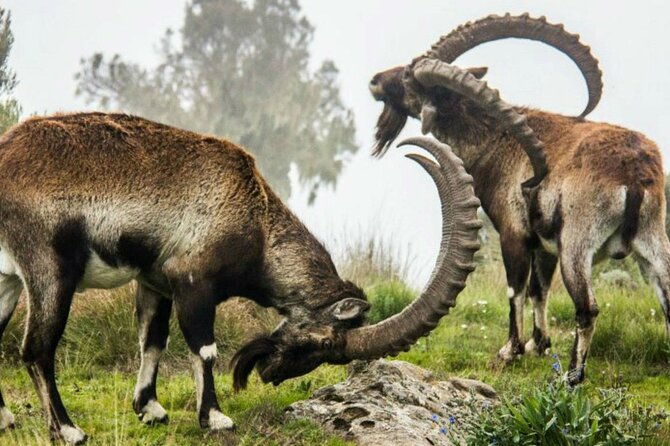
I especially like the wildlife odds on the trail. You’re walking in habitat built for mountain characters, from gelada to the chance of seeing lammergeier vultures on the Imet Gogo promontory. I also like the small-group feel, with a maximum of 6 travelers, so the hike stays calm and you can ask questions without shouting over each other.
One consideration: this is high-elevation trekking and it’s not for casual fitness. The tour specifically asks for a strong physical level, and you’ll be spending long stretches walking at 3000m+.
In This Review
- Key Reasons This Trek Works So Well
- Simien Mountains National Park: What You’re Really Paying For
- Getting to the Trail: Gondar, Debark, Permits, and That First Big Day
- Day 2 from Jinbar Waterfall to Geech: Where the Views Get Serious
- Day 3 to Imet Gogo Promontory: The Best View Chase of the Whole Trip
- Why the Park Permits and Scout Matter More Than You Think
- Guides, Hospitality, and the Small-Group Advantage
- What’s Included vs. What You’ll Need to Budget For
- Fit Level and Altitude: The Honest Reality Check
- Value for Different Types of Travelers
- Weather and Timing: When the Mountains Change Plans
- Should You Book 3 Days Trekking Simien Mountains Tours?
- FAQ
- What time does the tour start, and where do I meet?
- How long is the trekking experience?
- Is pickup offered?
- What’s the group size limit?
- What’s included in the price?
- What should I budget for since tips and personal items aren’t included?
- Can I cancel and get a full refund?
Key Reasons This Trek Works So Well
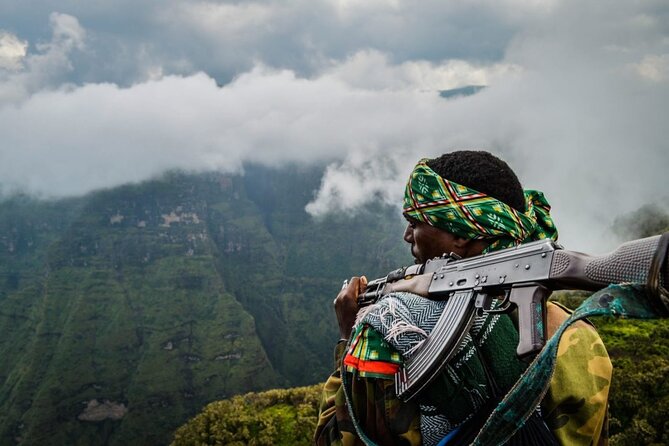
- Small group size (max 6) makes the pace and attention feel more personal
- Sunset option at Kedadit gives you a real reason to look up at the mountains
- Wildlife-focused routing includes areas where gelada and lammergeier sightings are realistic
- Giant lobelia camp atmosphere puts you in classic Simien highland scenery
- Permits plus a scout handle the official side, so you can focus on the hike
- Meals included for 3 days keeps you from juggling food mid-trek
Simien Mountains National Park: What You’re Really Paying For
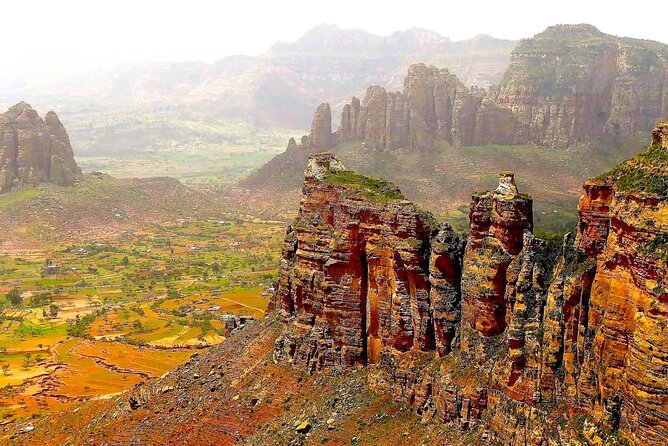
This is a 3-day trek in Simien Mountains National Park, starting from the Gondar area (meeting at Gondar Airport at 8:00am). The price is $250 per person. For a short trek, that’s not cheap, but it isn’t random either. You’re paying for the essentials that cost money in Ethiopia: park permissions, a scout, transport time for getting you to the trail start, and meals for multiple days.
The “value” part is that you’re not just buying a walking route. You’re buying access to a protected park and a guided structure that keeps you moving safely and legally. You’ll also get real daily scenery beats—waterfall walking, high plateaus, and a promontory viewpoint that people chase for a reason.
Also, the trip includes pickup (offered) and a mobile ticket, which helps if you don’t want to play guessing games with documents at the last minute.
You can also read our reviews of more tours and experiences in Addis Ababa.
Getting to the Trail: Gondar, Debark, Permits, and That First Big Day
Day 1 starts with a drive from Gondar toward Debark. You’ll be aiming for the trail quickly, because the schedule is built around daylight. After you reach the park area, you’ll obtain a permit from park headquarters and collect an obligatory scout before continuing to Sankabar (around 3250m).
Then comes the first walking day. You start trekking at Buytras (Simien Lodge) and hike about 3–4 hours to the Sankabar campsite. In practical terms, this is the day to get your body used to altitude and your legs used to the rhythm of stepping downhill and up again. It’s also where the park starts talking to you. You’ll likely see your first gelada baboons during the hike.
A small but important detail: the drive from Gondar takes about 2–3 hours. That means the day feels organized but also a little early-starter energy. If you’re the type who needs a slow wake-up, plan to keep that kind of mood for after the trek.
Day 2 from Jinbar Waterfall to Geech: Where the Views Get Serious
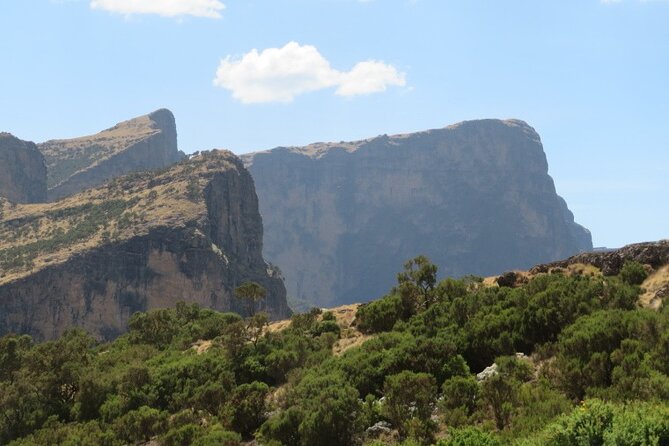
Day 2 is the longest trekking day listed, around 5–7 hours. You’ll walk from the earlier area up toward Geech, with the route passing the Jinbar waterfall. This is not just “something to look at.” Waterfalls mean a few things on a hike: a reason for the trail to change character, cooler moments where air feels different near water, and a visual break when your brain needs one.
The hike includes descending down to Jinbar Wenz, where the waterfall comes from. After that, there’s a short ascent to Geech village. Then you reach the camp site, which sits around 3600m and comes with giant lobelia plants.
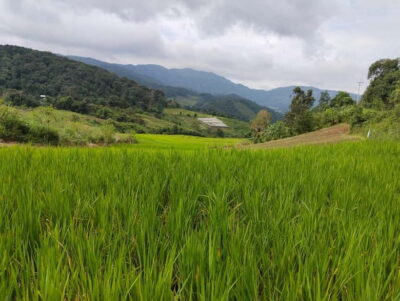
Here’s what you should pay attention to: at this altitude and on this plateau, the views are wide and the vegetation is distinctive. You’re walking in a place with grasses, isolated trees, and those bizarre high-mountain giants. The giant lobelia is the kind of thing you’ll either remember forever… or you’ll be hunting for it with your camera like it’s a celebrity.
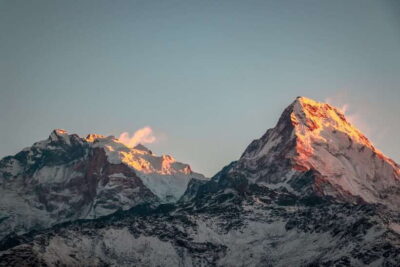
Geech is also where sunset plans matter. The nearby Kedadit summit is one of the best spots in the range to watch the light change. If you like golden-hour photos, this is the day to be ready, not still thinking about it later.
Day 3 to Imet Gogo Promontory: The Best View Chase of the Whole Trip
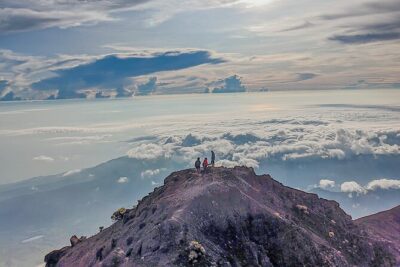
Day 3 is about a 4–5 hour trek total. You head from Geech to the Imet Gogo promontory, which is described as one of the most spectacular views in the whole mountain range. This is the day to bring your best patience and your best camera grip. Promontories are often windy and exposed, and they give you that “you can see for miles” feeling that makes the altitude worth it.
There’s also a strong wildlife angle here. The route is set up for a chance at lammergeier vultures—often called bearded vultures in some places. You’re not guaranteed wildlife sightings on any trek, but this is a reasonable hunt area, and your guide’s job is to help you spot what you might otherwise miss.
After Imet Gogo, you trek back toward the road near Ambaras and then meet the car for the drive back toward Gondar. This is a satisfying way to end: you don’t just do a loop and return to the same point. You crest, you look, you walk back with the reward in your head.
Why the Park Permits and Scout Matter More Than You Think
It’s easy to see permits and a scout as admin details. On a Simien trek, they’re actually part of the experience quality. A properly run trek means you don’t wander into legal or safety gray zones. The tour includes park headquarters permit handling and an obligatory scout, which keeps the trip grounded in how Ethiopia’s protected areas work.
It also often means the timing is more sensible. When a guide knows the park rules and the terrain rhythm, you spend energy on the hike instead of on problem-solving.
Guides, Hospitality, and the Small-Group Advantage
The tour is run by Ethio Target Tours. In reviews and responses, Solomon is repeatedly mentioned for helping organize trips smoothly. Names like Andualem and Tegegn show up as kind, helpful team members. Another name you may see attached to the experience is Rebecca, described with professionalism and patience.
What you can take from that, practically: you’re dealing with people who care about making the trip work, not just leading a hike and disappearing into the background. In a small group (max 6), that matters. You get better communication, and the guide can adjust more easily if someone needs a slower moment or wants a quick explanation about what you’re seeing.
What’s Included vs. What You’ll Need to Budget For
This trek includes the money stuff that prevents mid-trek stress:
- Parking fees
- Breakfast (2), lunch (2), dinner (2)
- Admission tickets
Not included:
- tips
- personal items
So you’ll want to plan for your own essentials: water, snacks you might want on top of meals, and any extra comfort items you like on treks. Since the itinerary includes camps at night, you should also confirm what your personal packing expectations are with the operator when you book. The tour data clearly covers meals and the trek structure, but it doesn’t spell out every gear-related detail.
Fit Level and Altitude: The Honest Reality Check
This is where you should be strict with yourself. The tour asks travelers for a strong physical fitness level. You’ll be walking multiple hours a day, at high elevation (the camps you’ll reach include 3250m and 3600m), and you’ll be doing ascents and descents.
If you’ve only done light hikes recently, this is the time to choose a different pace or train first. Altitude fatigue can hit faster than you expect, and it isn’t fixed by motivation alone. The good news: the trek is only 3 days, and the daily structure includes distinct stops and viewpoints. You’re not on an endless 8-hour grind every day.
Value for Different Types of Travelers
This trek suits you if:
- you want an authentic mountain day with wildlife chances
- you like structured guiding and small groups
- you’re okay with high-country conditions and long walks
It may not suit you if:
- you want a gentle sightseeing walk with minimal exertion
- you have a low tolerance for altitude effects
- you’re traveling with very limited walking stamina
If you’re the kind of traveler who enjoys a good view more than a shopping list, this is a strong match.
Weather and Timing: When the Mountains Change Plans
The tour requires good weather. If it’s canceled due to poor weather, you’ll be offered a different date or a full refund. That’s one of the realities of high mountains: clouds, visibility, and trail conditions can shift fast.
The schedule is also daylight-driven. The drive times and trek durations you’ll follow are set so you reach camps before night.
Should You Book 3 Days Trekking Simien Mountains Tours?
I’d book it if you’re serious about a high-mountain hike and you want classic Simien scenery—plateaus, waterfalls, giant lobelia camps, and a viewpoint day built around Imet Gogo. The combination of included meals, park access through permits, and a small group size helps justify the $250 price for many travelers.
I’d hesitate if you’re unsure about fitness for 3000m–3600m trekking or if you need guaranteed wildlife sightings. This route is built for chances—especially gelada and lammergeier—but nature isn’t a vending machine.
If you do book, bring a realistic mindset: pace yourself, drink water, take breaks when your body asks, and spend the time at the viewpoints. The best part isn’t just getting from A to B. It’s watching the mountains change as you climb higher.
FAQ
What time does the tour start, and where do I meet?
The tour starts at 8:00am at Gondar Airport in Gondor, Ethiopia.
How long is the trekking experience?
It’s listed as 3 days (approximately).
Is pickup offered?
Yes, pickup is offered.
What’s the group size limit?
This tour has a maximum of 6 travelers.
What’s included in the price?
Included are parking fees, breakfast (2), lunch (2), dinner (2), and admission tickets.
What should I budget for since tips and personal items aren’t included?
You should plan for tips and personal items you bring or use during the trek.
Can I cancel and get a full refund?
Yes. You can cancel for a full refund if you cancel at least 24 hours before the experience starts. If you cancel less than 24 hours before, it’s not refunded. The tour may also be canceled due to poor weather, with a different date or full refund offered.