REVIEW · ADDIS ABABA
Northern Ethiopia & Trekking Simien Mountains , 10 Days
Book on Viator →Operated by Ethio Tours · Bookable on Viator
Rock churches and mountain trekking in one trip.
This Northern Ethiopia program is interesting because it strings together the big historic hits with a high-altitude trek, so you’re not constantly researching routes. I especially like that you get a local guide throughout, and the trip handles most of the moving parts like lodging and transportation. One possible drawback: the Simien hikes are real, with long walking days at 3,200–3,600m.
What makes it feel smooth on the ground is the way each day has a clear purpose: market culture in Addis, Lake Tana boat time, Gondar’s UNESCO royal sites, then the step-by-step move into the Simien Mountains. I also appreciate the built-in structure for meals—breakfast is included most mornings, with some lunches and dinners covered—so you’re not constantly deciding where to eat after long drives.
If you’re sensitive to altitude, go in with eyes open. You’ll be camping high and trekking for hours each day, and Ethiopia’s weather can shift quickly even though the trip operates in all weather conditions.
In This Review
- Key things I’d circle before you book
- The Big Idea: Why This 10 Days Feels Like More Than a Checklist
- Addis Ababa Start: Mercato, the Ethnographic Museum, and Trinity Cathedral
- Lake Tana and Bahir Dar: Monasteries on the Blue Nile’s Route
- Gondar: Mentewab’s Ruins, the Royal Enclosure, and Debre Birhan Selassie
- Simien Mountains National Park Trek: High Camps, Long Walks, Wildlife Odds
- What the trek days look like in real terms
- Wildlife and what to expect
- The drawback to plan around
- Flying to Lalibela: UNESCO Rock Churches Carved Into Mountain Stone
- Lalibela’s Two Morning Options: Mule Hike to Mount Asheton or Cave Church at Yemrehanna Kristos
- Value and Price: What $2,358.98 Really Buys You (and What to Double-Check)
- Who This Tour Fits Best
- Should You Book This Northern Ethiopia and Simien Mountains Trek?
- FAQ
- Where does the tour start and end?
- Is this a private tour?
- Does the price include meals?
- Are domestic flights included?
- Do you visit Mercato and Trinity Cathedral in Addis Ababa?
- What kind of trekking is included in the Simien Mountains?
- What is included for Lalibela?
- Is the tour affected by weather?
Key things I’d circle before you book
- Private, guided touring across multiple regions (not just one city)
- Simien Mountains trekking with a named team setup including a scout and mountain guide
- Long, scenic walks with clear altitudes (Sankabar around 3,200m; Geech around 3,600m)
- UNESCO rock-hewn churches at Lalibela plus a morning choice to match your energy
- Lake Tana monastery boat trip on the Blue Nile route with strong cultural rules to respect
- Logistics handled: accommodation, transportation, and many breakfasts plus select lunches and dinners
The Big Idea: Why This 10 Days Feels Like More Than a Checklist
You don’t just “see” Northern Ethiopia here—you move through it in a way that makes the place make sense. Addis Ababa gives you context with Mercato market energy and the Trinity Cathedral connection to Emperor Haile Selassie. Then you shift north toward Lake Tana and Gondar, where history shows up as stone, churches, and royal fortifications. Finally, the Simien Mountains add the physical side—views, wildlife chances, and real trekking rhythm.
What I like most is the balance between structure and choice. You’ll have guided stops and planned drives, but you also get a real decision in Lalibela (a hike with mules or a drive to a cave church). That keeps the day from feeling like a forced march.
You can also read our reviews of more tours and experiences in Addis Ababa.
Addis Ababa Start: Mercato, the Ethnographic Museum, and Trinity Cathedral
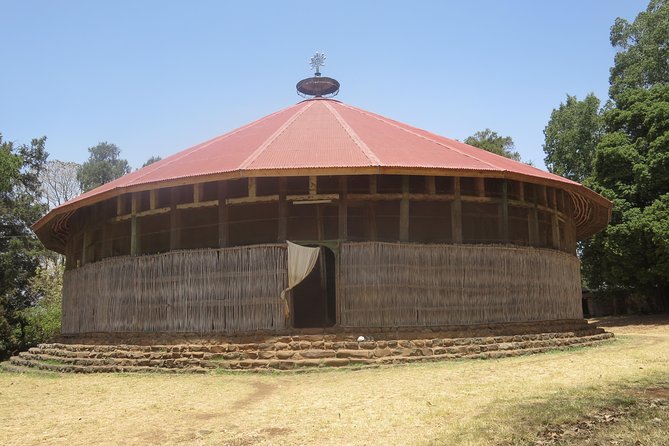
Your trip begins at Bole Airport in Addis Ababa, and right away you’re in the thick of Ethiopia’s daily life. Mercato is one of Africa’s largest outdoor markets, and you don’t just pass by it—you visit the Ethnographic Museum and spend time in the market area.
Two details make this stop more meaningful than a quick photo break:
- You pair market sights with the Ethnographic Museum, so you get cultural context for what you’re seeing.
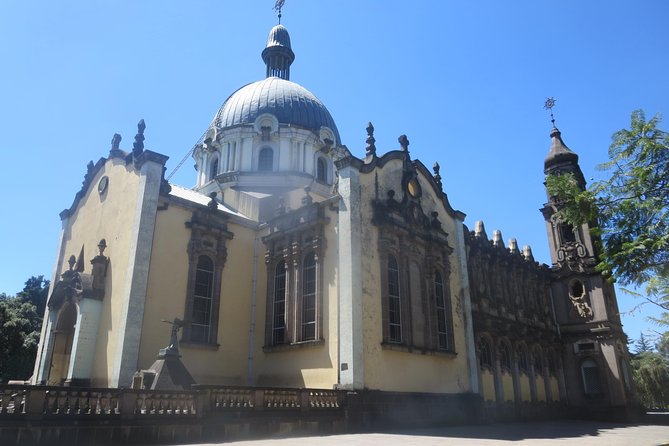
- You also visit Trinity Cathedral, known for being the resting place of Emperor Haile Selassie.
If you arrive even a little tired, you’ll still benefit from this day because it’s not an all-day drive marathon. Plan to take it slow, though. Addis starts loud and fast, and Mercato is busy in every sense of the word.
Lake Tana and Bahir Dar: Monasteries on the Blue Nile’s Route
Next you head to Bahir Dar, where the focus turns calmer and more watery. You’ll visit the marketplace in Bahir Dar, then go on a boat tour of Lake Tana. Lake Tana matters because it’s tied to the Blue Nile—so you’re not just sightseeing water. You’re seeing a source region that shaped how Ethiopia’s rivers and communities developed.
You also visit ancient island monasteries. This is one of those places where being a visitor means acting like a guest. One review-style tip I’d take seriously here: monasteries in this setting are sacred, and rules can be strict. Dress appropriately, keep your voice down, and follow what the guides ask you to do.
After that lake time, the route adds a classic Northern Ethiopia element: Blue Nile Falls. You get a morning drive to the falls, then lunch back in Bahir Dar. In the afternoon, you continue north toward Gondar, stopping at Awra Amba village along the way.
This “slow-then-spike” pacing works well. Boat time gives you a mental reset before the next historic city.
Gondar: Mentewab’s Ruins, the Royal Enclosure, and Debre Birhan Selassie
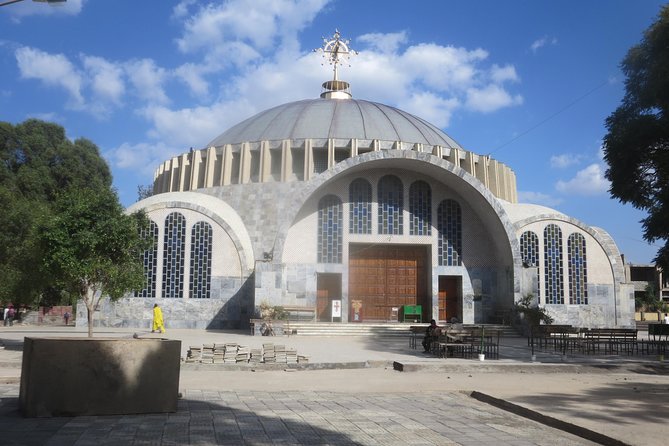
Gondar is where Northern Ethiopia starts to feel like an empire on display. You’ll begin with the remote ruins of Kuskuam, built for Empress Mentewab in the 1700s. Even if you don’t read every inscription, it’s the setting that hits: remote, atmospheric, and clearly tied to a powerful past.
Then you move into the Royal Enclosure, a UNESCO World Heritage site featuring five castles built by Ethiopian kings beginning in the early 1600s. What makes this place emotionally real is that it survived major conflict, including air raids during World War 2. That resilience turns “ruins” into something closer to evidence.
Your Gondar day also includes:
- Debre Birhan Selassie church, famous for religious art and an iconic ceiling depicting angels.
A practical tip: wear good walking shoes here. Churches and enclosures mean uneven ground and lots of time standing still to look up and around. If you care about photos, have your camera settings ready early because the best angles tend to be at certain corners.
Simien Mountains National Park Trek: High Camps, Long Walks, Wildlife Odds
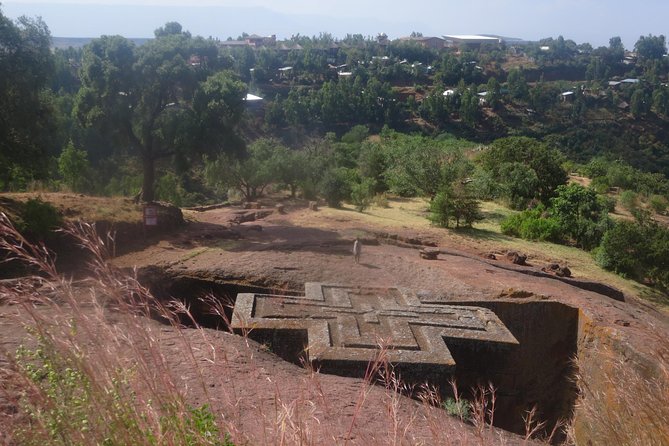
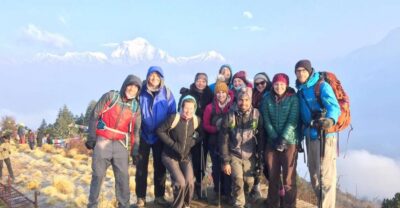
This is the centerpiece of the whole trip. After driving from Gondar to Debark (about 100 km), you meet the trekking team—scout, mountain guide, and others. Camp life starts right away: you continue to Sankabar (around 3,200m), then trek deeper into the park.
What the trek days look like in real terms
- Day 4: drive to Sankabar, first camp at 3,200m. This is your acclimation day in motion.
- Day 5: trek from Sankabar to Geech (about 5–7 hours). Geech is around 3,600m. You cross the Jinnbar River and later see falls; the route includes climbing after the crossing.
- Day 6: trek Geech to Imet Gogo and back to Geech (about 4–5 hours). Imet Gogo is the big viewpoint day.
- Day 7: return toward Gondar after time at Imet Gogo.
Wildlife and what to expect
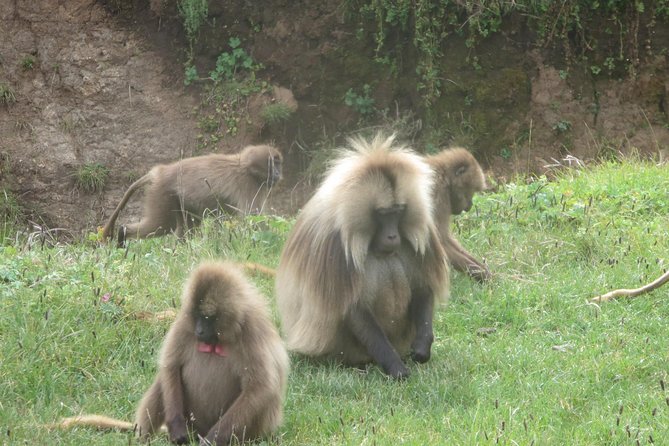
Your trek window includes wildlife possibilities like endemic gelada baboons and lammergeyer (the bird often nicknamed the bone breaker). Later, you might spot things like the Simien wolf, Walia ibex, and klipspringers depending on conditions.
Reality check: wildlife is never guaranteed. But the trekking route goes through the kinds of habitats where sightings are possible, and your guides will know how to watch without spooking animals.
The drawback to plan around
These are long days. Even though “most travelers can participate,” you’ll still need stamina for 4–7 hour treks and the altitude effect of sleeping around 3,200–3,600m. Pack smart for cold nights, and take altitude seriously. If you feel unwell, speak up early rather than pushing through.
Flying to Lalibela: UNESCO Rock Churches Carved Into Mountain Stone
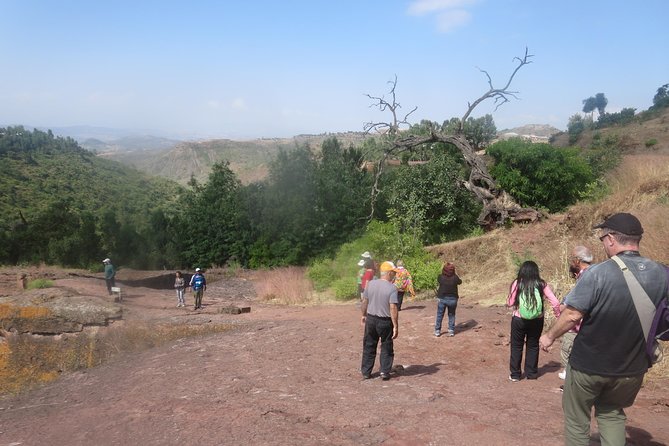
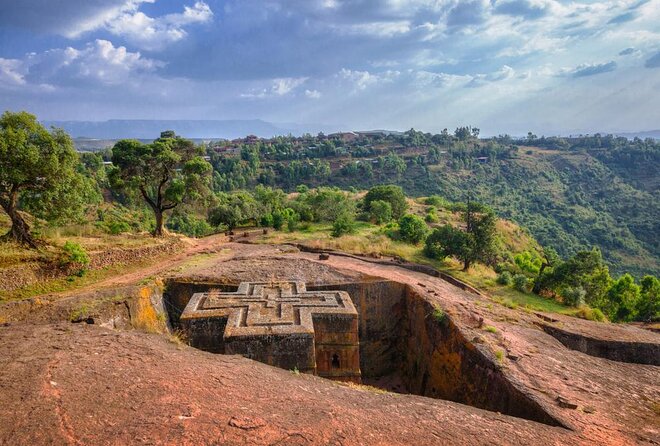
After the Simien trek, the trip jumps to a different kind of awe. You fly about 700 km north to Lalibela with Ethiopian Airlines. Lalibela is UNESCO-listed for a reason: you’re looking at rock-hewn churches carved directly into the mountainside, including a complex of eleven monolithic and semi-monolithic structures.
This is not slow tourism. You’ll spend time walking passageways and seeing icon paintings, stone reliefs, and a maze-like layout. The largest monolithic church in the world is part of the complex, which is a bold claim, but the scale shows up quickly once you’re on-site.
Your day includes guided time at the churches, and admission is listed as included for your Lalibela visit. That’s a small but meaningful value win because you don’t have to track ticket costs as you go.
Lalibela’s Two Morning Options: Mule Hike to Mount Asheton or Cave Church at Yemrehanna Kristos
Lalibela Day 9 is built around choice, and that’s smart. In the morning you can do either:
- a hike with mules to Mount Asheton, which has a 13th-century rock-hewn monastery and views of the town, or
- a drive to Yemrehanna Kristos, a church in a shallow cave that predates the churches of Lalibela.
Both options connect you to rock-hewn spiritual sites, but they feel different. The mule hike tends to be for people who want movement and big views. The cave church drive is a better fit if you want to reduce trekking strain after the Simien days.
In the afternoon, you continue with more churches in Lalibela, so either morning choice still leaves you with a full cultural day.
Value and Price: What $2,358.98 Really Buys You (and What to Double-Check)
The price—$2,358.98 per person for this 10-day Northern Ethiopia trip—adds up, but it’s not just for transportation. You’re paying for a stack of included elements that often cost time and hassle when you plan alone:
- accommodation as per the plan
- a tour escort/host and local guides
- all fees and taxes
- breakfast nearly every day (9 breakfasts listed)
- plus a handful of lunches and dinners
However, you should do one careful check before you commit: domestic flights. The trip listing says domestic flights are not included, yet the route includes a flight from Gondar area to Lalibela. Ask the provider to confirm what’s covered for the Lalibela flight cost and what you’d pay separately if anything.
Also, consider lodging quality. One piece of feedback I’d take seriously: if you’re picky about comfort, you may want to upgrade your hotels. Ethiopia can vary a lot from place to place, even when the itinerary looks similar on paper.
Who This Tour Fits Best
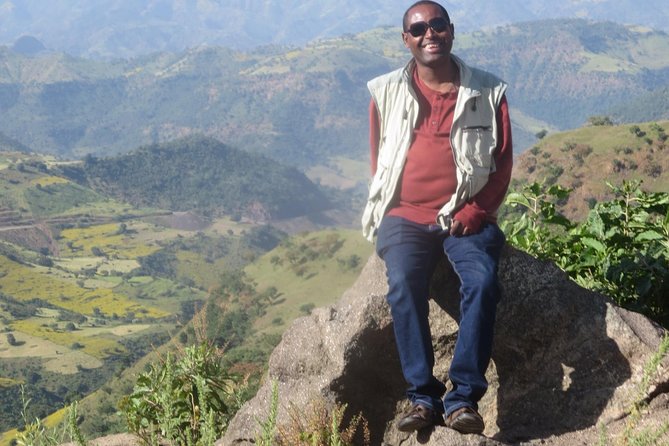
This is a strong fit if you:
- want guided support in every region, from Addis to Gondar to Simien to Lalibela
- like mixing history and nature instead of only doing one or the other
- can handle long days and a real trek with altitude
- appreciate having many meals and logistics handled for you
It might be a weaker fit if you:
- want an easy pace throughout. The Simien days are demanding and take time.
- are extremely altitude-sensitive. The trekking camps are at high elevations.
- hate the idea of checking inclusion details for the domestic flight segment.
Should You Book This Northern Ethiopia and Simien Mountains Trek?
If your goal is to see Ethiopia’s north with less planning stress and more guided depth, I’d lean yes—especially because the route connects the cultural highlights (Mercato, Trinity Cathedral, Royal Enclosure, Debre Birhan Selassie, Lalibela churches) with a guided trek in Simien Mountains National Park.
Book if you’re ready for the trek and you’re willing to check one thing: confirm exactly how the Lalibela domestic flight is handled with your final price. If that’s sorted and you’re comfortable with high-altitude hiking days, this tour gives you a lot of Ethiopia per day, without feeling like you’re doing it all yourself.
FAQ
Where does the tour start and end?
The start is Bole Airport in Addis Ababa, Ethiopia. The experience ends back at the meeting point.
Is this a private tour?
Yes. It’s listed as private for only your group.
Does the price include meals?
Breakfast is included (9 breakfasts listed). It also includes some lunches (3) and some dinners (3). Some meals are not included.
Are domestic flights included?
Domestic flights are listed as not included. The route includes a flight segment to Lalibela, so it’s worth confirming what you’ll pay versus what’s already covered.
Do you visit Mercato and Trinity Cathedral in Addis Ababa?
Yes. You’ll visit Mercato, the Ethnographic Museum, and Trinity Cathedral.
What kind of trekking is included in the Simien Mountains?
You’ll trek multiple days in Simien Mountains National Park, including Sankabar to Geech and a route to Imet Gogo, with camp stays around 3,200m and 3,600m.
What is included for Lalibela?
The rock-hewn churches at Lalibela are included, and admission is listed as included for the Lalibela church tour. There’s also an evening farewell dinner on the final day described in the plan.
Is the tour affected by weather?
It operates in all weather conditions, so you should dress appropriately.