High Atlas skies beat the city fast. In two compact days, you trek from Imlil into the Mizane Valley and up to the Toubkal refuge at 3206m with a small-group feel that helps keep the cost sane.
I like that the plan is built around real walking time and real altitude, not a “bus with views” itinerary. Still, you’re not left guessing, since a guide runs the logistics from Marrakech.
What makes the trip truly work is the human side: I love how Rachid Azdour keeps things organized end-to-end, and local guide Mohad knows how to manage the climb when conditions turn cloudy. Their approach comes across as calm and professional, which matters a lot when you’re moving high up and moving for a summit.
One possible drawback: the summit day is long and can be slowgoing in scree and thin air, and hiking equipment isn’t included—so you’ll want to show up properly geared.
In This Review
- Key things I’d prioritize before you go
- Why This Two-Day Toubkal Trek Works So Well From Marrakech
- Getting to Imlil: Pickup, Minivan Comfort, and a Clear Start Point
- Day 1 in the Mizane Valley: Aremd, Sidi Chamarouch, and the 3206m Refuge
- Day 2 Summit Attempt on Jebel Toukbal: Scree, Altitude, and Views in Every Direction
- Food and Logistics: Why Included Meals Matter at 3206m
- The Guide Team: Rachid Azdour and Mohad’s Calm Approach
- Price Reality Check: Is $129.99 Good Value for Two Days on Toubkal?
- What to Bring: Equipment Isn’t Included, So Prepare Like a Hiker
- Fitness and Weather: The Altitude Is Real, and the Schedule Is Tight
- Who This Trek Suits Best (and Who Should Reconsider)
- Should You Book This Mount Toubkal 2-Day Trek?
- FAQ
- How long is the Mount Toubkal trek?
- Is pickup from Marrakech included?
- What is the group size limit?
- How much walking is involved?
- Where does the trek start?
- Is hiking equipment provided?
- What meals are included?
- Is the summit guaranteed?
- What happens if weather is poor?
- What is the cancellation policy?
Key things I’d prioritize before you go
- Max group size of 15: enough people for energy, small enough for smoother pacing.
- Return transport from Marrakech is included: you save time and hassle on day one.
- Day 1 walks about 5–6 hours to the refuge at 3206m: good first-day workload for two-day hikers.
- Day 2 is about 9 hours with an early summit attempt: expect altitude to do most of the work.
- Route passes meaningful places like Aremd and the Sidi Chamarouch shrine areas, not just a trail line on a map.
- Food is built in (breakfast, dinner, and two lunches), so you’re not stuck hunting meals at altitude.
Why This Two-Day Toubkal Trek Works So Well From Marrakech
Mount Toubkal is the headline in Morocco’s High Atlas. This is a straightforward two-day plan aimed at people who want a serious mountain goal without giving up half a vacation. You get the big vertical reality of the Atlas, plus a summit attempt that’s scheduled early on day two.
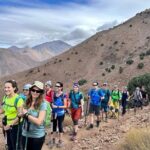
The real value here is how the trip packages the hard parts. You’re not organizing transport, meals, and guide coordination on your own. A guide handles the flow from pickup in Marrakech to the hike start in Imlil, and then back again at the end. With a maximum of 15 travelers, it also feels less like a cattle line and more like a shared challenge.
One note to keep your expectations clean: some marketing blurbs can mention different regions of Morocco. On this trek, the itinerary centers on the High Atlas—Imlil, the Mizane Valley, the Toubkal refuge, and the summit of Jebel Toukbal. That’s the reality on the ground.
You can also read our reviews of more tours and experiences in Marrakech.

Getting to Imlil: Pickup, Minivan Comfort, and a Clear Start Point
Your day begins with pickup offered from your hotel in Marrakech, and the meeting point is listed as Hotel Riad Omar22, Rue Bab Agnaou, Medina area (address given by the operator). The transport you’ll ride in is a comfortable air-conditioned minivan, which is a big deal when you’re heading out early and you know you’ll later trade comfort for climbing boots.
You’ll also get a mobile ticket, and you’ll receive confirmation at booking time. Service animals are allowed, and the meeting point is near public transportation, which can help if you prefer to get to the start under your own steam.
Practical tip: plan to be ready on time. Mountain routes run on local rhythm. If you’re late, you’ll feel it later on the trail, not in a friendly “no worries” way.
Day 1 in the Mizane Valley: Aremd, Sidi Chamarouch, and the 3206m Refuge
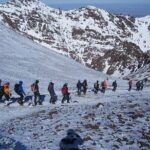
Day one starts with the transfer to the small village of Imlil. From there, you begin the trek heading along the Mizane Valley. The route doesn’t feel like a straight line. You pass through the village of Aremd first, then move toward the shrine area of Sidi Chamarouch.
This part matters because it gives you context. You’re not only walking through scenery; you’re walking through a living area where the trail connects communities and places of pilgrimage. The shrine of Sidi Chamarouch draws tourists and pilgrims, so there’s usually more than just hikers on the trail at different points.
From there, the trek continues east. You cross flood plains and then follow mule tracks into higher rocky cliffs above the valley. Eventually, you cross a river and reach the pastoral shrine area of Sidi Chamarouch again. After that, the climb becomes steady and more demanding.
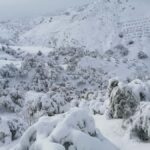
The goal of day one is altitude and getting your body used to it. The trail snakes upward and zigzags its way to the snowline, then on to the refuge at 3206m. Day one walking is listed at about 5 to 6 hours, which is a strong workout but not a full-on grind that exhausts you completely before the summit attempt.
What you’ll likely feel most on day one
- Steady uphill effort, not just short steep bursts
- Change in temperature as you gain altitude
- The mental shift from walking to climbing, especially near the snowline
Potential drawback to plan around: day one ends with an overnight at the refuge, and altitude can make sleep lighter than you expect. If you’re the type who sleeps badly in hotels, this might be a repeat—pack for the cold and expect it.
Meal note: breakfast, dinner, and lunch are included across the two days. So day one isn’t just a hike; it’s also part of a controlled food plan.
Day 2 Summit Attempt on Jebel Toukbal: Scree, Altitude, and Views in Every Direction
Day two is when the trip earns its name. You make an early attempt on the summit of Jebel Toukbal, the highest peak in Northern Africa. The route heads up the south cirque, crossing a stream above the refuge.
The walking is described as relatively straightforward, but that doesn’t mean it’s easy. Two things slow most people down:
- Scree (loose rocks that can slide underfoot)
- Altitude, which changes your breathing and your pacing
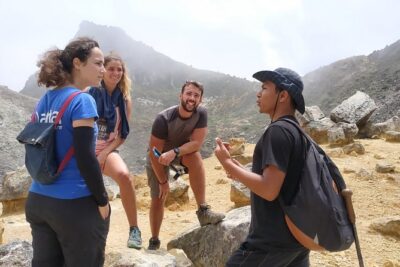
This is exactly where having a guide matters. A calm, experienced leader helps you move efficiently without burning your legs too fast. The guiding style around Rachid Azdour and Mohad, as described in the feedback, is focused on keeping people confident and collected—because the summit day is not the day to improvise your strategy.
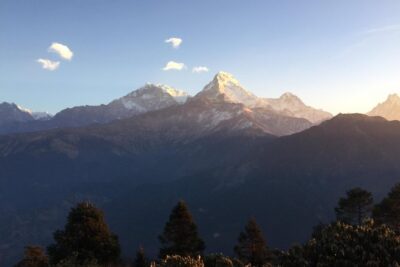
When you reach the summit, the payoff is the views. The information given is specific: you get unrestricted views across the Marrakesh Plain to the High Atlas in the north, and south as far as the Anti-Atlas and the Sahara. That’s the kind of “you can see why people travel for this” panorama.
The day is long—about 9 hours of walking time—and that’s before you factor in stops, breathing breaks, and the time it takes to move carefully on rocky sections. On the descent, you’ll likely feel your legs more than your lungs, but the careful footing continues.
Fair warning: a summit attempt is an attempt. The itinerary states you will go for it early in the morning, and weather requirements are listed as good-weather dependent. Mountain days can change, and you should be prepared to be flexible if conditions are not right.
Food and Logistics: Why Included Meals Matter at 3206m
At altitude, you want calories and you want them on schedule. That’s why I like that this trek includes:
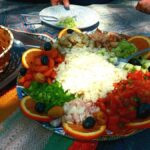
- Breakfast
- Dinner
- Two lunches across the two days
- A guide
You also get transfers from Marrakech to the trekking start area and back again.
The meals included are a quiet kind of value. People underestimate how much mental energy it takes to hunt food while you’re already tired from walking. Here, your energy budget stays focused on the mountain.
What’s not included is also clear: carbonated drinks are not included, and hiking equipment and insurance are not included. If you rely on specific drinks for hydration or energy, plan accordingly. And don’t count on being able to buy everything you need right when you start climbing.
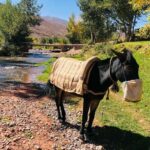
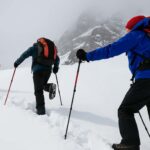
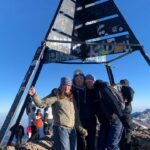

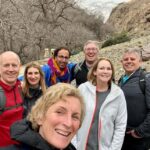
The Guide Team: Rachid Azdour and Mohad’s Calm Approach
Mount Toubkal can be treacherous if you treat it casually. This is where the strongest praise from the experience comes through. Rachid Azdour is described as the main organizer who handles the move from Marrakech to Imlil, plus the activities and the food. That reduces friction on your side.
Then there’s Mohad, the local guide mentioned in the feedback as part of the on-the-trail team. One highlight described is that Mohad leads you through conditions that can include cloud, and that he helps people feel safe and capable while climbing. In plain terms: he helps you keep your head when the weather and the trail make the climb feel more serious than the brochure.
If you want a mountain experience where someone else manages the thread while you focus on your steps, this guide setup is a big reason the trek gets strong ratings.
Price Reality Check: Is $129.99 Good Value for Two Days on Toubkal?
At $129.99 per person for a two-day trek, the headline question is: what’s actually covered? In this case, quite a bit:
- Return transfer from Marrakech (included)
- Guide (included)
- Meals: breakfast, dinner, and two lunches (included)
- The itinerary’s mountain routing with the refuge stop
That means the price isn’t just paying for a route. You’re paying for a bundle of time-saving and stress-reducing services. For many people, that’s worth more than trying to piece it together independently.
The cost isn’t perfect if you still need to buy or rent hiking gear, because equipment isn’t included. Insurance isn’t included either. Those are the two big “watch outs” that can shift the true cost of going.
My take: if you show up with your own boots and layers (or you already know where you’ll rent gear), the trek price looks like good value for a guided, structured two-day mountain challenge with transport and meals included.
What to Bring: Equipment Isn’t Included, So Prepare Like a Hiker
The itinerary explicitly says equipment for randonnée is not included. That means you need a plan for your own hiking kit. Don’t treat this as a casual walk in good shoes.
At minimum, you should plan for:
- Proper hiking boots with grip (scree day two is not the place for slick soles)
- Warm layers for the refuge at 3206m
- Rain protection if the weather turns
- A way to carry water and small snacks if you prefer extra calories
If you’re not sure what you need, ask before you go. Two-day high altitude trekking punishes gear mistakes quickly.
Fitness and Weather: The Altitude Is Real, and the Schedule Is Tight
The tour notes moderate physical fitness. That’s fair. Day one is listed at 5 to 6 hours, and day two is listed at 9 hours with an early summit attempt. Even if your pace is steady, those totals add up.
Also, this experience requires good weather. If it’s canceled due to poor weather, you’re offered a different date or a full refund. This is important because on mountain routes, weather affects safety and visibility, especially when you’re dealing with high rocky sections and altitude.
If you have any medical concerns related to altitude, it’s smart to discuss them with a professional before committing to a summit attempt.
Who This Trek Suits Best (and Who Should Reconsider)
This is a great fit if:
- You want a real mountain goal in only two days
- You like guided travel that handles logistics and pacing
- You feel comfortable walking several hours uphill
- You want a chance at wide views that stretch from the Marrakesh Plain to the High Atlas and beyond
It’s a harder fit if:
- You’re looking for an easy stroll with minimal altitude
- You don’t have proper hiking footwear or warm layers
- You’re not ready for the physical and mental grind of a long summit day with scree
If you’re the type who hates long days, consider other Atlas options with shorter walking times. The two-day format is intense by design.
Should You Book This Mount Toubkal 2-Day Trek?
I’d book it if you want a guided, structured summit attempt that starts in Marrakech and finishes back in Marrakech, with meals handled and a guide team that prioritizes calm, confidence, and safety. The combination of included transport, meals, and a small group cap makes the price feel more rational than many “budget” climbs where you end up paying for extras later.
I would pause if you’re unsure about altitude or if you still need key hiking equipment. Since equipment and insurance aren’t included, your comfort and safety depend a lot on what you bring.
If your goal is: see Morocco from the top of North Africa’s highest peak, in two days, with professional guidance—this trek checks that box.
FAQ
How long is the Mount Toubkal trek?
The trek is listed as 2 days (approx.), with day one and day two walking times described in the itinerary.
Is pickup from Marrakech included?
Pickup is offered from your hotel in Marrakech, and return transport to Marrakech is included.
What is the group size limit?
The tour has a maximum of 15 travelers.
How much walking is involved?
Day one is about 5 to 6 hours walking, and day two is about 9 hours, including the summit attempt.
Where does the trek start?
The listed start meeting point is Hotel Riad Omar22, Rue Bab Agnaou, Medina area, Marrakech, and the activity ends back at the meeting point.
Is hiking equipment provided?
No. Equipment for randonnée is listed as not included.
What meals are included?
Breakfast, dinner, and two lunches are included.
Is the summit guaranteed?
The plan is an early attempt on the summit of Jebel Toukbal. The information provided describes an attempt rather than a guaranteed outcome.
What happens if weather is poor?
The experience requires good weather. If it’s canceled due to poor weather, you’ll be offered a different date or a full refund.
What is the cancellation policy?
Free cancellation is available up to 24 hours in advance for a full refund. If you cancel less than 24 hours before the start, the amount paid is not refunded.