REVIEW · MOSHI
7 Day Trek To The Roof Of Africa Kilimanjaro via Machame Route
Book on Viator →Operated by Soraka Tours · Bookable on Viator
Kilimanjaro humbles you fast, then rewards you. The Machame Route gives you lush rainforest starts, high moorlands, and a real shot at the summit with time to adjust before you chase the Roof of Africa.
I especially like two things here: the pacing that builds acclimatization step-by-step, and the serious support system around your health and safety. The trek includes two daily health checks with an oximeter, plus an emergency oxygen canister and medical kit, and it’s run by certified Wilderness First Responder guides.
One big consideration: this is a demanding altitude challenge. Even with the best plan, you’ll face cold nights and a high-elevation summit push early in the day, so honest self-assessment matters.
In This Review
- Key things that make this trek feel well run
- Machame Route: why this climb works as a plan (not a gamble)
- Moshi start and the quiet setup before day one
- Day 2: Machame Gate to Machame Camp through the rainforest
- Day 3: Machame Camp to Shira Camp across heather and moorlands
- Day 4: Shira to Barranco Camp plus the Lava Tower acclimatization hike
- Day 5: Barranco Camp to Karanga Camp and the Barranco Wall moment
- Day 6: Karanga Camp to Barafu Camp across high alpine desert
- Day 7: Barafu to Uhuru Peak at sunrise, then down to Mweka Camp
- Day 8: Mweka Camp down to Mweka Gate, then a hotel day
- Day 9: transfer day—airport or add-on safari plans
- What’s included (and what you’ll still need to bring)
- Safety and health checks: the best “value” you can’t always see
- Price and value: what $3,190 buys you in real-world terms
- Who should choose this Machame trek—and who might reconsider
- Should you book it?
- FAQ
- How long is the trek on the mountain?
- Where does the trek start?
- What does the route include for acclimatization?
- Are meals included?
- Do they accommodate dietary restrictions?
- What safety and medical support is included?
- What gear is provided, and what should I bring?
Key things that make this trek feel well run
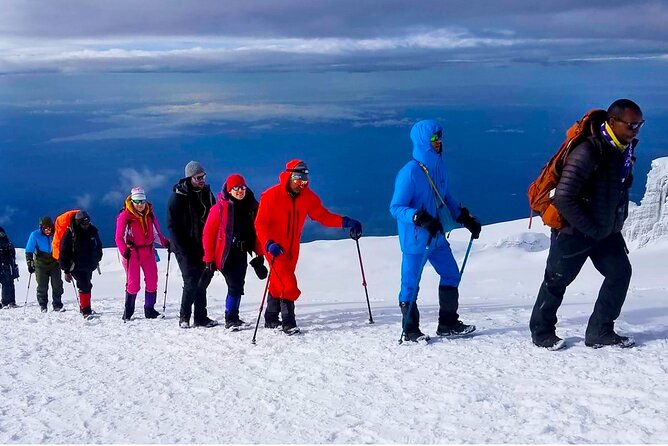
- Machame timing built for acclimatization: You gain elevation gradually and include an acclimatization hike to Lava Tower.
- Safety doesn’t get treated like an afterthought: Guides are certified Wilderness First Responder, with emergency oxygen and a medical kit.
- Smaller group feel: Maximum 15 travelers, which helps on narrow trails and on summit day logistics.
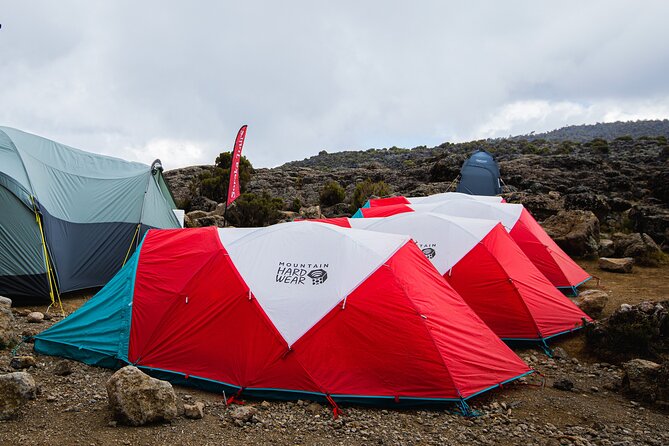
- Comfort where it counts: 4-season Mountain Hardware tenting and warm sleeping mats help you recover between walking days.
- Food is handled daily on the mountain: Three freshly prepared meals a day, plus diet options like vegetarian, gluten-free, halal, and kosher.
- Real crew coordination: Wake-up and tent routines are organized, and the team helps manage the practical side of summit day.
Machame Route: why this climb works as a plan (not a gamble)
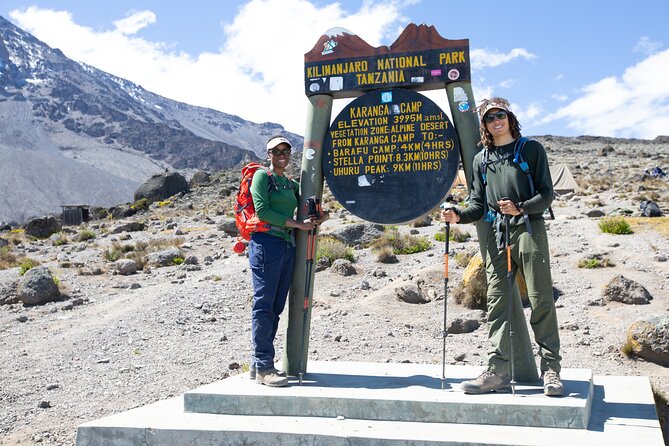
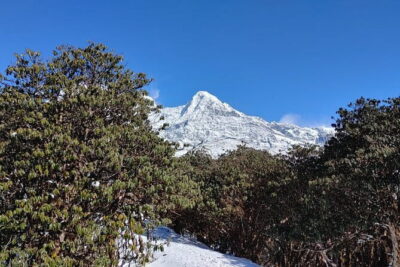
The Machame Route is popular for a reason: it mixes variety with structure. You’re not just grinding upward in a straight line. You move through rainforest, then heather and moorland, and finally into the stark high-alpine zones where the air thins fast.
What I like most about this route choice is that it gives you built-in reasons to breathe slowly. The itinerary includes acclimatization moments—especially the stop-ups designed to help your body respond to altitude before you go higher.
If you’re newer to altitude trekking, this matters. You still need grit, but you’re not walking a plan that ignores human biology.
You can also read our reviews of more tours and experiences in Moshi.
Moshi start and the quiet setup before day one
Your journey begins in Moshi, and the package includes JRO airport pickup and drop-off. You also get two hotel nights at Kili Wonders Hotel (or similar), with breakfast included—useful if your arrival timing is messy and you want a stable base before the mountain.
This is the part many people underestimate. A good hotel bed and a real meal schedule can set you up for better sleep before the first ascent. And since you’re dealing with early wake-ups and cold nights later, that’s not a luxury—it’s preparation.
The trek also runs with ground transportation included, so you’re not piecing together logistics while you’re already thinking about altitude.
Day 2: Machame Gate to Machame Camp through the rainforest
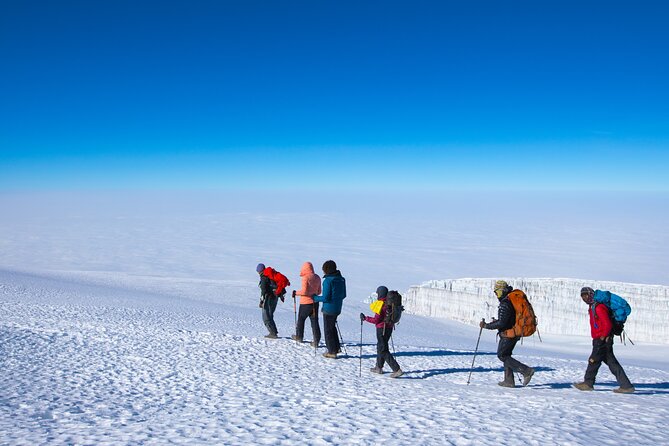
You start at Machame Gate at about 5,905 ft, then hike up to Machame Camp around 9,875 ft. This first day is gradual enough to get your legs moving without immediately turning into a death march.
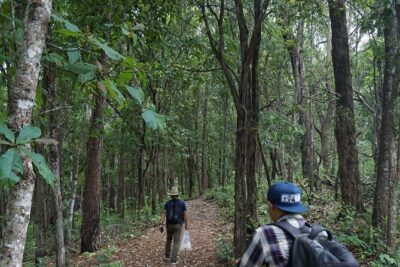
The rainforest start is also psychologically helpful. The trail feels alive—then slowly becomes colder and thinner as you climb. By the time you reach camp, you’ve learned the rhythm you’ll need later: steady effort, frequent small breaks, and no hero sprints.
A practical note: with any Kilimanjaro route, you’ll feel the altitude before the trail looks scary. Focus on slow breathing and pacing today so you don’t pay for it later.
Day 3: Machame Camp to Shira Camp across heather and moorlands
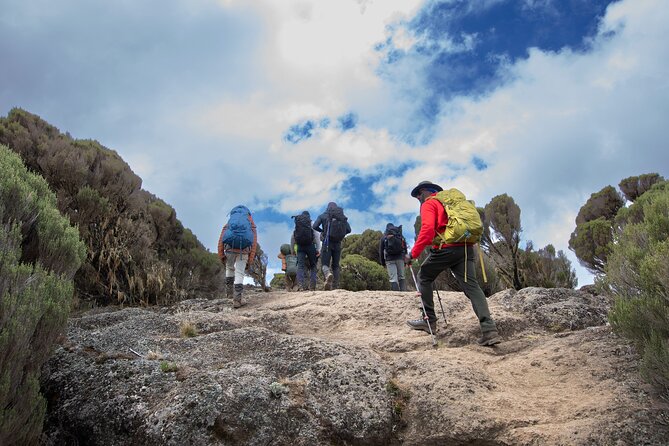
Next you move from Machame Camp (9,875 ft) to Shira Camp (about 12,600 ft). This is where the scenery starts changing in a hurry—from humid greenery to open heather and moorland zones.
For me, this day is about learning how your body handles the climb when you’re higher but not yet at the coldest extremes. You’ll likely notice a faster breathing rate and a higher level of fatigue than you expect from walking the same distance at sea level.
The reward is a sense of altitude awareness—like your body finally understands what’s happening. That’s useful. You want that understanding early, not on summit night.
Day 4: Shira to Barranco Camp plus the Lava Tower acclimatization hike
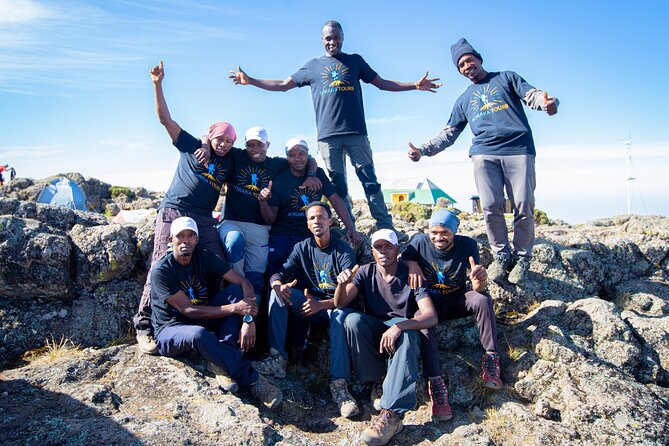
You go from Shira Camp (about 12,600 ft) to Barranco Camp (around 12,960 ft). Then you add an acclimatization hike up to Lava Tower at roughly 15,190 ft.
This is a key day on the Machame Route, because it gives you a controlled taste of higher altitude. You push higher, you come back down, and your body gets a chance to adapt without turning the trek into one continuous stress event.
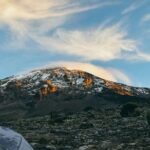
Also, this is one of the most rewarding days visually. The acclimatization hike is timed so you can see major features—views tied to the Western Breach area and the Southern Glacier. Even if you don’t call yourself a “photo person,” the sky and ice in that zone tend to do something to your brain.
You end at Barranco Camp, and that sets up what comes next: the Barranco Wall.
Day 5: Barranco Camp to Karanga Camp and the Barranco Wall moment
You’ll hike from Barranco Camp (about 12,960 ft) to Karanga Camp (around 13,270 ft). On the way, you get the famous Barranco Wall, and that’s a real turning point.
This stretch often feels like a “make it or break it” day for confidence. The wall looks intimidating, but the challenge is manageable when you move slowly and keep your footing. Guides and crew help keep the pace realistic.
From a planning standpoint, this day is smart because it builds mental stamina. You’re learning what your effort feels like when the air is thin and your legs want to slow down. By the time you reach camp, you’ve proven to yourself that you can keep going when it’s not comfortable.
Day 6: Karanga Camp to Barafu Camp across high alpine desert
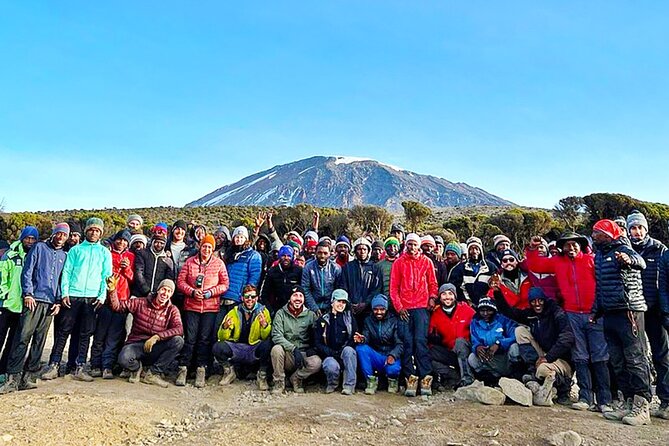
From Karanga Camp (about 13,270 ft) to Barafu Camp (around 15,190 ft), you’re moving into high alpine desert terrain. This is the zone where the environment turns stark and the temperature can swing hard—especially once the sun starts dropping.
If you’re wondering why trekking at higher altitude is so tiring, here’s the practical version: your body works harder just to move air in and out. The terrain also becomes less forgiving, and the cold can sap energy.
By the time you reach Barafu, the summit reality is close. You’re not just resting—you’re preparing for a night that asks for patience, steady steps, and trust in your plan.
Day 7: Barafu to Uhuru Peak at sunrise, then down to Mweka Camp
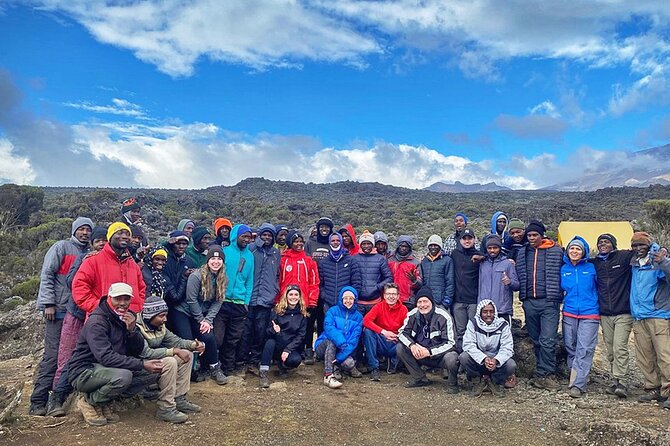
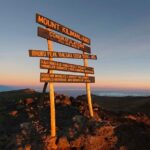
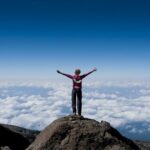
This is the big day. You start at Barafu Camp (about 15,190 ft), summit Uhuru Peak at roughly 19,341 ft, and then descend to Mweka Camp around 10,170 ft.
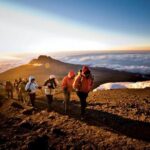
Most treks like this follow a night climb format, and your tour runs with an early wake-up and organized timing. Summit day is where guides and porters matter most—not just for navigation, but for keeping you moving steadily when your body wants to stop.
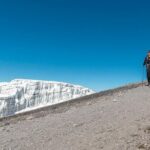
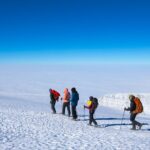
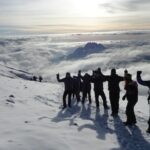
The payoff hits as the sun rises. You’ll see glaciers and the surrounding high regions during the climb and/or early after summiting, which is exactly the kind of moment Kilimanjaro turns into: awe with a little disbelief attached.
Then comes the other half of summit success: descent. You’ll drop to Mweka Camp for a well-deserved rest. The drop is physically easier for some people and mentally tough for others, because you’re tired. But descending is part of what makes recovery possible.
One more useful detail: your guides and crew help handle summit-day practicalities, including managing some luggage/loads so you’re not dealing with extra burden while you’re already fighting altitude.
Day 8: Mweka Camp down to Mweka Gate, then a hotel day
You hike from Mweka Camp (about 10,170 ft) to Mweka Gate (around 5,380 ft). After that, you move into a hotel day—this trek includes an overnight setup with transfer options.
This is a day to slow down. You’re still walking, but you’re not chasing elevation anymore. Use the time for real hydration, gentle stretching, and letting your pulse settle.
Day 9: transfer day—airport or add-on safari plans
Day 9 is all about getting you to where you need to go next. The tour includes transfer service, with options for airport time or safari adventures afterward.
This matters because Kilimanjaro is often paired with Tanzania’s wildlife circuit. Even if you don’t plan that now, having the transfer built in reduces stress and helps you keep your overall trip smooth.
What’s included (and what you’ll still need to bring)
Here’s the part that determines whether the price feels fair or annoying.
Included on the mountain
- Three freshly prepared meals daily during the trek
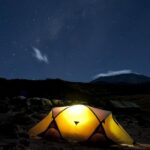
- Tented accommodation using 4-season Mountain Hardware tents (2 people per tent), plus dining tents and camp setup items
- Warm sleeping mats
- Emergency oxygen canister and medical kit
- Two daily health checks using an oximeter and health questions tied to your wellbeing
- Certified Wilderness First Responder guides with 10+ years of climbing experience each
- Experienced climbing crew and porters, with fair wages
Included on the ground
- JRO pickup and drop-off
- Ground transportation
- Two nights at Kili Wonders Hotel (or similar), breakfast included
Not included
- Visa fee, airfare, and travel insurance
- Tips for mountain staff
- Alcoholic beverages
- Lunch and dinner at the hotel
- Personal climbing gear (think boots, sleeping bag, and related essentials)
If you’re the kind of person who packs last-minute, take this seriously. The tour handles tents, mats, meals, and medical support, but you’re still responsible for your personal comfort items that prevent blisters and keep you warm.
Safety and health checks: the best “value” you can’t always see
This trek pays attention to health metrics in a very practical way. You get two daily checks using an oximeter, plus questions meant to catch problems early.
That approach matters on Kilimanjaro. Altitude issues don’t announce themselves politely. Early detection and disciplined pacing are what keep small problems from turning into big ones.
The guide team being Wilderness First Responder certified is also a serious signal. You’re not relying on luck in remote conditions; you have trained leadership plus emergency oxygen and a medical kit.
And the camp setup is designed for recovery between days: tents, tables/chairs/cutlery for dining, and warm sleeping mats. Sleep and hydration aren’t glamorous, but they’re what help you summit more than “toughness” alone.
Price and value: what $3,190 buys you in real-world terms
At $3,190 per person, this isn’t a cheap trek. But it also includes a lot of costs that often surprise people later.
You’re paying for more than a guide. The package includes park fees, rescue and camping fees, daily mountain meals, hotel nights in Moshi, and JRO transfers plus ground transportation. You’re also getting tents and camping infrastructure, plus the safety system (oxygen, medical kit, oximeter checks) and credentialed leadership.
So the value question becomes: are you budgeting for those things separately on your own trip, or are you letting this operator handle them? If you’ve ever tried to DIY Kilimanjaro logistics, you already know how quickly the “simple” version turns into a pile of admin.
The main cost you’ll still need to plan for includes visa, airfare, travel insurance, tips, alcohol, and personal gear. If you budget those upfront, the rest starts to feel more like a controlled package than a gamble.
Who should choose this Machame trek—and who might reconsider
This trek fits best if you:
- Have moderate physical fitness and can handle long walking days
- Want a structured route with time to acclimatize
- Appreciate organized safety and health monitoring
- Like the idea of a small-ish group (max 15)
You might want to reconsider if you:
- Struggle with cold nights or don’t pack for warmth
- Panic at the idea of altitude progression
- Expect a short, easy walk—Kilimanjaro is hard even when the route is smart
Should you book it?
I’d book this Machame trek if you want the Roof of Africa goal with a serious support team and a route plan that respects acclimatization. The included safety systems (oxygen, first responder certified guides, and daily oximeter checks) make it feel more controlled than the “just hike and hope” style of adventure.
I’d think twice if you’re unsure about your altitude readiness or you hate early night starts and long cold days. In that case, you can still climb, but you’ll want a plan that matches your reality.
If you do book, put extra effort into personal gear and warm clothing. When the mountain gets cold, it’s not the time to learn what your kit can handle.
FAQ
How long is the trek on the mountain?
The trip runs about 9 days total, with the core trekking spanning 7 hiking days (from the start at Machame Gate through the descent to Mweka Gate).
Where does the trek start?
It starts with pickup service from Kilimanjaro International Airport (JRO), and the hiking begins at Kilimanjaro National Park (starting point listed as Kilimanjaro Airport / Kilimanjaro National Park).
What does the route include for acclimatization?
You get gradual elevation increases and an acclimatization hike to Lava Tower as part of the Shira Camp to Barranco Camp day.
Are meals included?
Yes. You get 3 freshly prepared daily meals on the mountain, plus breakfast during the hotel stay in Moshi. Lunch and dinner at the hotel are not included.
Do they accommodate dietary restrictions?
Yes. The trek can accommodate vegetarian, gluten-free, halal, and kosher meal plans.
What safety and medical support is included?
Guides are certified Wilderness First Responder and there is an emergency oxygen canister and medical kit. You also get two daily health checks using an oximeter and targeted health questions.
What gear is provided, and what should I bring?
You get tents (4-season Mountain Hardware) and warm sleeping mats. Dining camp items are also provided. Personal climbing equipment like sleeping bags and hiking boots are not included, so you’ll need to bring your own.