REVIEW · MOSHI
7-Day Kilimanjaro Trekking Tour via Machame Route
Book on Viator →Operated by Kilimanjaro Heroes Adventures · Bookable on Viator
Kilimanjaro’s Machame route has bite. What makes this 7-day trek stand out is the mix of unforgettable nights and big scenery shifts, from Shira Camp sunset light to Barranco Camp stargazing, then the midnight push to Uhuru Peak at 5895m. I love how the plan includes real acclimatization built into the rhythm, including a day where you climb to Lava Tower around 4640m but don’t sleep much higher. I also love the human pace of the experience: you get picked up, briefed, guided end to end, and supported by a crew that takes food and logistics seriously.
One possible drawback: this is not the gentle option. The Machame route is known for steeper ups and downs, and you’ll tackle the Barranco Wall with hands and feet, even if you’ll be secured if needed. If you dislike early mornings, long days on uneven ground, or the idea of a midnight summit start, plan carefully.
In This Review
- Key things I think you’ll care about
- Moshi to Keys Hotel: get your bearings before the altitude
- Day 1: Moshi arrival and the briefing that sets the tone
- Day 2 to Machame Camp: rainforest start and your first real work
- Day 3 to Shira Plateau: shorter day, big ecosystem change, Kibo at sunset
- Day 4 to Barranco Camp: acclimatization that feels intentional
- Day 5: Barranco Wall to Barafu Camp, where confidence meets caution
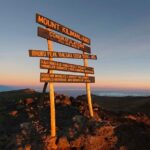
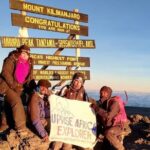
- Day 6: midnight start, pole pole to Stella Point, then Uhuru Peak at 5895m
- Day 7: Mweka Gate walk, rainforest downshift, and that final certificate moment
- Price and value: what $2,850 is paying for
- Who should book this Machame route (and who should pause)
- Should you book this 7-day Machame tour?
- FAQ
- What time does the trek start?
- Is pickup from Kilimanjaro International Airport included?
- How long is the trek overall?
- Are park entrance tickets included?
- Is this a private tour?
- What’s the cancellation window?
Key things I think you’ll care about
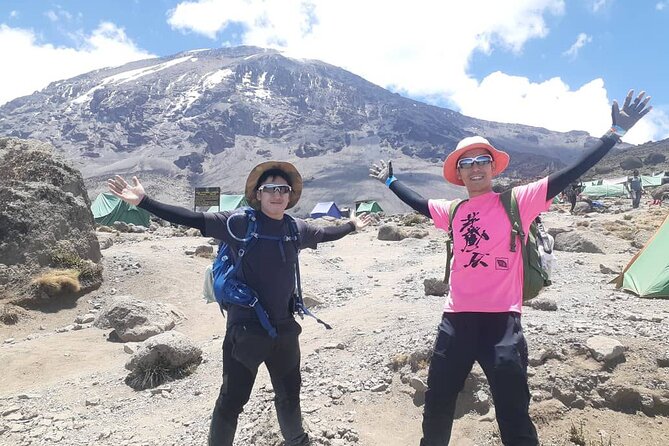
- Shira Camp sunsets and Barranco Camp night skies are a major part of the emotional payoff on this route.
- A smart acclimatization day: about a 700m climb but sleeping at a height close to the prior night is the kind of compromise your body needs.
- Stella Point to Uhuru Peak happens in darkness: you’ll move slowly for hours, then walk the crater’s edge for the final stretch.
- Barranco Wall is physical, but guided: expect hands-and-feet scrambling, with safety support if necessary.
- A strong support team is part of the value, with guides and cooks named in past trips (for example Mwinyi, Gloria, Kelvin, and cook Salum/Salon), plus porters who handle not just food but most of your gear.
Moshi to Keys Hotel: get your bearings before the altitude
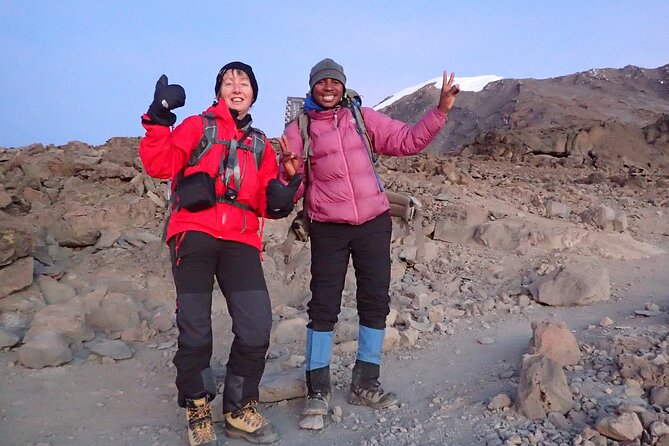
Most Kilimanjaro trips start with a wait-and-wonder feeling. Here, it starts with a proper landing routine. You’re met at Kilimanjaro International Airport (JRO), then driven to Moshi for a briefing and an overnight stay at Keys Hotel. That first night matters more than it sounds. You’re not rushing straight into the climb. You’re getting instructions, meeting your team, and settling your timing in Moshi rather than trying to solve problems while you’re already thinking about breathing.
You’ll also see how close the mountain is to your start line. The park gate is about a 1-hour drive from Keys Hotel, so you’re not spending day one on a long road trip. That translates into more time and energy for the hike itself once you start moving.
The other practical win: this trek is private, meaning it’s only your group doing the climb together. Private also tends to mean you’re not constantly getting split up or reorganized around strangers’ needs. If your goal is a focused, team-led experience with a clear plan, this setup fits.
You can also read our reviews of more tours and experiences in Moshi.
Day 1: Moshi arrival and the briefing that sets the tone
Day 1 is built for calm. After you land, your driver takes you to Keys Hotel in Moshi. From there, you get a briefing and time to sleep before the climb begins. It’s straightforward, but it’s also where the emotional tone gets set: you’ll meet your guides, learn how the trek will run, and get a feel for the crew behind the scenes.
This also gives you a chance to treat the rest of the trip like training, not like a surprise. You’re not guessing what happens next, and you’re not arriving already tired from a travel scramble. For most people, that means fewer early-day jitters.
One more detail that’s easy to overlook: the trek uses a mobile ticket. That’s the kind of small modernization that can save you from last-minute confusion. On a trip where every day has a timetable and altitude pressure, simple systems help.
Day 2 to Machame Camp: rainforest start and your first real work
Your climb begins after breakfast with the drive to the Kilimanjaro National Park gate, about an hour from the hotel. Your guide takes care of the formalities like entrance forms, while you watch other teams and mountain crew preparing. There’s something grounding about that moment: you see the scale of the operation and the discipline behind it.
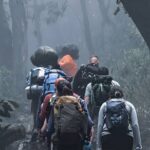
Then the route moves into the rainforest. You’re looking at tall, older trees and a greener start than later days, which is exactly what I’d want early. The rainforest also changes how the trail feels—often muddier, often more humid, and usually slower-going. That’s not a bad thing. It helps you start steady rather than burning energy too fast.
By the end of Day 2, you’re walking about 5–6 hours to reach Machame Camp. You’ll get your first taste of camp life: the rhythm of hiking, eating, packing up, and resting. It’s also the first time you’ll feel the long game. Kilimanjaro rewards patience, and Machame starts coaching it immediately.
Day 3 to Shira Plateau: shorter day, big ecosystem change, Kibo at sunset
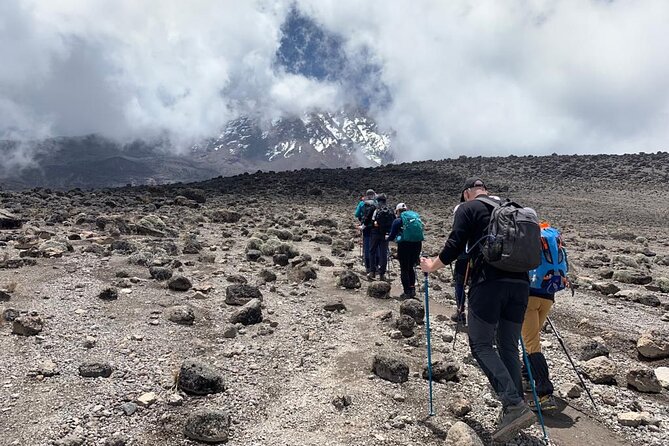
Day 3 keeps the total hiking time reasonable—about 6 hours—but it’s still early and steady. The big theme is change. You’ll move from the green rainforest into moor and heath land, and the mountain starts looking different each step of the way.
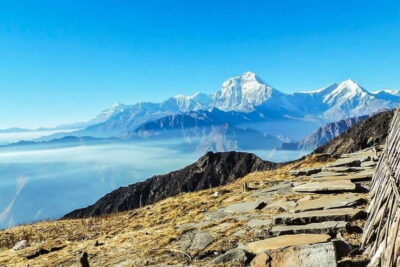
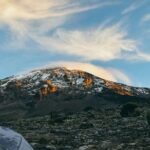
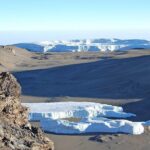
The payoff here is visual. Your campsite is on the Shira Plateau, and if the sky behaves, you’ll get views of the mountain range. The glacier of Kibo lighting up at sunset is a moment you don’t forget. It’s also a gentle reminder that you’re heading toward colder, thinner air soon.
This is also where the Machame route starts showing its personality. The terrain may be changing fast, but the day’s structure helps you keep your pacing. You’ll feel tired, yes, but you’re not being pushed into a crushing vertical day. For many trekkers, that balance is the difference between starting the summit window with confidence versus starting it already drained.
Day 4 to Barranco Camp: acclimatization that feels intentional
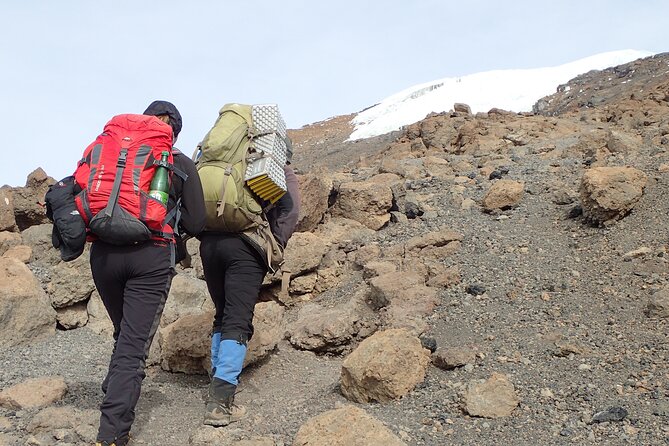
Day 4 is a key day. You’ll climb roughly 700m, but you’ll sleep at a level not much higher than the night before. That “same-ish sleep height” approach is one of the smartest parts of any Kilimanjaro plan. It helps your body adapt while still giving you altitude exposure.
You’ll start at Shira Plateau and head up toward Lava Tower at around 4640m. After resting, you continue through the Barranco Valley to reach Barranco Camp. Expect about 6–7 hours total hiking, and expect variety. You’ll pass through alpine desert terrain, then shift into the Barranco Valley where you’ll see plants like small lobelia and giant Senecios. That botanical detail sounds nerdy, but it helps you focus on the trail instead of just counting steps.
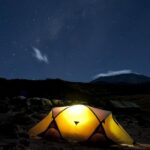
This is also one of the days tied to one of the trek’s most emotional benefits: Barranco Camp nights. The camp is known for incredible stargazing, and on a clear night it can feel like the mountain is right above you. After a day of careful climbing and altitude work, that sky view lands differently.
Downside to keep in mind: even when the climb is “for acclimatization,” you’re still moving at altitude. You’ll need to respect the pace and listen to your body.
Day 5: Barranco Wall to Barafu Camp, where confidence meets caution
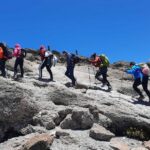
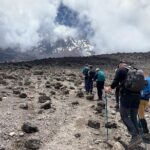
Day 5 is the day you earn your grit. The first big section includes scaling the Barranco Wall, using hands and feet. It looks more intimidating than it is, but don’t treat it like a stroll. Safety is paramount, and you’ll be secured if necessary. Still, you should mentally prepare for a physical trail feature, not just a long walk.
After the wall, the route continues with plenty of up-and-down sections. You’ll cross a few streams, then wind and climb until lunch in the Karanga Valley. The rest of the hike is about 2–3 more hours of climbing before you reach Barafu Camp at around 4640m.
This is a practical day for the next one. Barafu is where you shift from daytime trekking into summit logistics. Tonight’s advice is simple: drink a lot of fluids, try to eat, and go to bed early so you can rest before the summit trek.
One thing I like about this design: it doesn’t hide the next day’s reality. It prepares you for it. That makes you more likely to manage yourself well, and on summit night, self-control matters.
Day 6: midnight start, pole pole to Stella Point, then Uhuru Peak at 5895m
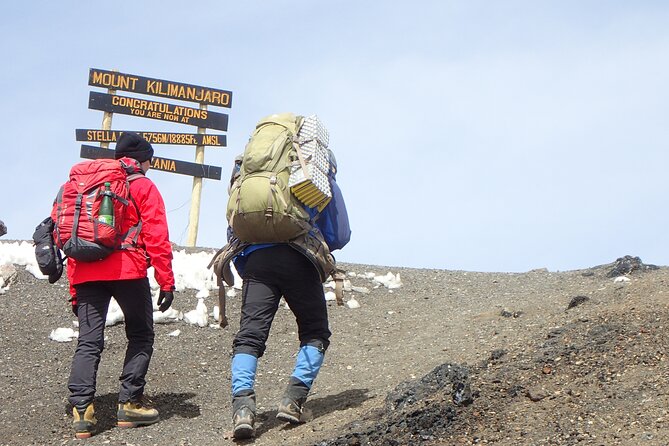
This is the moment most people picture, and it’s also the moment that decides how you remember the whole trip.
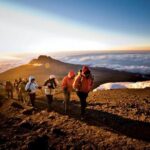
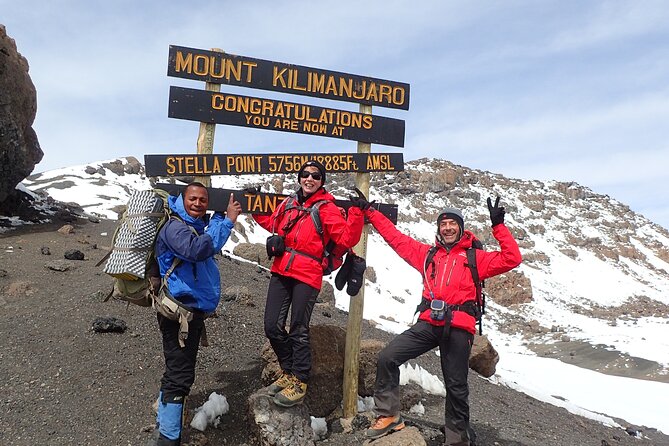
You’re woken in the midnight hours with tea and a biscuit. You dress warmly and head out with a headlight and your daypack. Then you go “pole pole,” meaning slow and steady—about 5–7 hours to reach the rim of the crater at Stella Point.
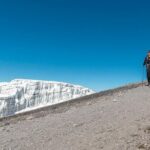
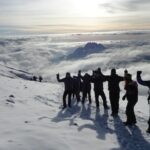
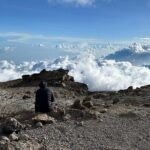
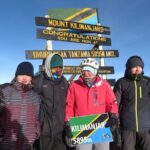
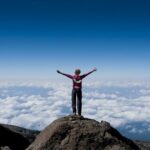
From there, it’s another 1–2 hours along the crater’s edge before you arrive at Uhuru Peak at 5895m. Looking down at the surrounding landscape in early morning light is exactly the kind of view that changes your internal soundtrack. You’re tired, cold, and focused, and then you reach the top. That’s when the achievement becomes real.
The descent is described as easier but dusty. Volcanic ash has defrosted, so the ground can feel looser and more abrasive than during the climb. You’ll return along the same route, and you should arrive back at Barafu Camp.
This day has a clear takeaway for you: the summit is less about speed and more about pacing, warm layers, and managing effort hour by hour. The plan here supports that.
Day 7: Mweka Gate walk, rainforest downshift, and that final certificate moment
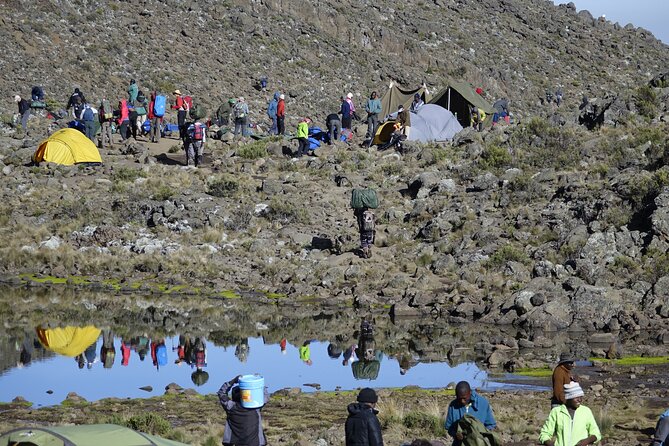
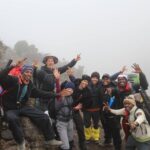
Day 7 is the decompression day. After breakfast, you’ll have a traditional farewell ceremony with all your mountain crew. That’s not just ceremony for ceremony’s sake. It’s closure. You spent days depending on these people, and the gratitude moment makes the experience feel human instead of mechanical.
Then you walk for about 2–3 hours through the rainforest to the Mweka gate. After that, your driver is waiting for you. You transfer back to Keys Hotel for a well-deserved shower, a cold drink, a debrief, and the awarding of your certificate of achievement.
The rest of the day is yours to relax and reflect. This is also one of the underrated benefits of a well-run trek: you’re not rushed into immediate travel chaos right after the climb.
Price and value: what $2,850 is paying for
At $2,850.00 per person for a 7-day Machame trek, you’re not just buying walking time on a mountain. You’re paying for the whole system that makes Kilimanjaro possible: guides, camp operations, park access, and the logistics that keep the trek running day after day.
A few items matter for value:
- Park entrance is included in the experience schedule, shown as admission ticket included each trekking day.
- Private group format means you’re not sharing the plan with other random parties.
- Pickup is offered, and you’re transported between Moshi and the park areas.
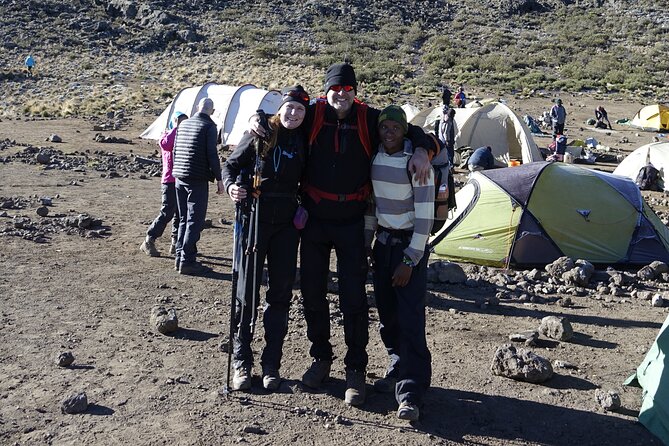
- You also get the full crew setup that keeps your day focused on walking. Past participants highlighted that porters carry not just food but also most of the gear, and meals are served in a structured way, including a separate tent for eating with tables and chairs.
That last point is big. Meals and comfort at camp sound “basic,” but at altitude, they’re fuel and recovery. If your crew handles the camp work smoothly, you spend less mental energy fighting logistics and more on pacing and rest.
So the cost is easier to justify when you look at what’s included in the moving parts. If you tried to recreate any of that independently, the planning, staffing, and compliance would quickly become stressful and expensive.
Who should book this Machame route (and who should pause)
This trek fits best if you want a challenging but well-guided Kilimanjaro route. Machame is noted as more challenging due to steeper ascents and descents, and the Barranco Wall adds a hands-and-feet scramble element. If you’re comfortable with that idea and you can maintain patience during the slow parts, you’ll likely enjoy the achievement factor.
You should also like structured acclimatization. Day 4’s plan—climbing while keeping the sleeping altitude close—signals that the operator prioritizes body readiness, not just summit pressure.
You might reconsider if any of these are dealbreakers for you:
- you don’t handle long days and early starts well
- you’re uncomfortable with a midnight summit routine
- you feel uneasy with physical trail sections, even when safety support is available
Your physical fitness doesn’t need to be elite, but the trek is aimed at travelers with moderate physical fitness.
Should you book this 7-day Machame tour?
If your goal is the classic Kilimanjaro emotional arc—camp views, a serious summit night, and a final ceremony with your whole crew—this Machame route is a strong pick. The itinerary is built around acclimatization, and the support structure looks designed to keep you fed, safe, and moving at the right pace.
I’d book if:
- you want the extra challenge of Machame (not the easiest version)
- you care about camp moments like Shira sunsets and Barranco stargazing
- you value a coordinated team where guides, cooks, and porters do the heavy lifting
I’d be cautious if you’re sensitive to physical scrambling or you know you struggle with midnight wake-ups and summit-day pacing. In that case, you might explore a route that feels less demanding.
FAQ
What time does the trek start?
The start time listed is 8:00 am at Kilimanjaro National Park / Tanzania (meeting point: Kilimanjaro Airport).
Is pickup from Kilimanjaro International Airport included?
Yes. Your driver will pick you up upon arrival at Kilimanjaro International Airport (JRO) and take you to Keys Hotel in Moshi.
How long is the trek overall?
It’s a 7-day trekking tour, with day-by-day hike times ranging roughly from about 4 hours to about 10 hours depending on the day.
Are park entrance tickets included?
Yes. The experience schedule shows admission ticket included.
Is this a private tour?
Yes. It’s private, meaning only your group will participate.
What’s the cancellation window?
You can cancel for a full refund up to 24 hours in advance. Within 24 hours of the experience start time, the amount paid is not refunded.