REVIEW · MOSHI
Mt Kilimanjaro Trek, 6 Days – Umbwe Route
Book on Viator →Operated by Intrepid Explorer Tanzania · Bookable on Viator
Umbwe makes Kilimanjaro feel like a hard sprint with great payoff. This 6-day Umbwe Route climbs fast, hits high altitude early, and stays mostly uncrowded, then drops you off via the Mweka Trail. For people who like a serious challenge and hate waiting around, it’s a very focused way to climb.
What I like most is that the package is built around your group, including pickup/transfer logistics and the full camping setup. You also get a full crew: qualified mountain guide, assistant guides, porters, and a cook—plus emergency oxygen and a basic first aid kit for contingencies.
The big consideration is also the whole point: Umbwe is the least used and most difficult route, with an ascent profile that gives you less time to adjust. If you’re not confident with altitude or you tend to get sick above 4,000m, this schedule can be unforgiving.
In This Review
- Key things to know about the Umbwe Route trek
- Why the Umbwe Route feels tougher (and more satisfying) than the crowdier options
- Is $2,260 a good deal for a 6-day Umbwe climb?
- The crew matters: guides, porters, cook, and the Wence factor
- Day 1: Umbwe Gate to the first high camp rhythm (rain forest start)
- Day 2: Open moorland, fewer trees, and the push toward Barranco Camp
- Day 3: Barranco Wall steep ridge work and the junction with Mweka
- Day 4: Barafu Camp, South Circuit views, and the quiet prep for summit night
- Day 5: Midnight summit push, Stella Point on the crater rim, and the sunrise moment
- Day 6: Down the Mweka Trail, wet mud at low altitude, and your summit certificate
- Gear and habits that fit Umbwe’s steep schedule
- Who this trek fits best (and who should rethink Umbwe)
- Should you book the Umbwe 6-day trek with Intrepid Explorer Tanzania?
- FAQ
- Where does the trek start and what’s the meeting point?
- How long is the Umbwe route, and is 6 days enough?
- What’s included in the price?
- Do you get airport pickup and drop-off?
- Is emergency oxygen included?
- What’s the hardest part of the trek schedule?
- What meals are included?
- Are trekking poles and gaiters recommended?
- Is this a private tour?
- Can I get a full refund if I cancel?
Key things to know about the Umbwe Route trek
- It’s steep and direct: you climb in a near-straight push toward the summit, with fewer chances to slow down and acclimatize.
- Much quieter than popular routes: Umbwe is the least crowded route, so you’ll feel more alone on the trail.
- You finish with the Mweka descent: wet, muddy lower slopes can make Day 6 tricky—poles and gaiters help.
- Summit night is mentally intense: the push goes toward Stella Point on the crater rim, with heavy scree and an early-morning sunrise payoff.
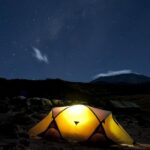
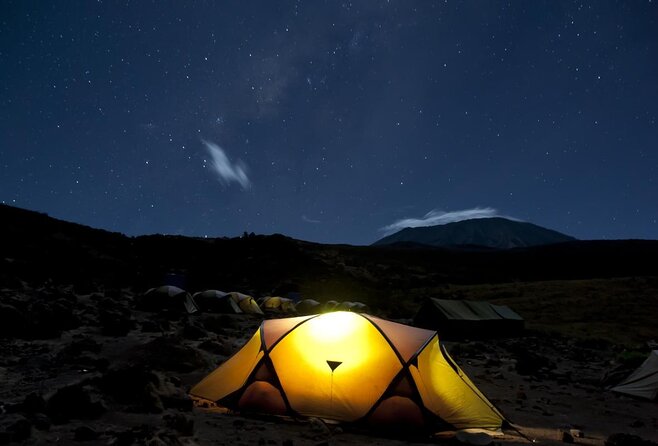
- Camping and meals are handled: tents, camp chairs/tables, drinking and washing water, and multiple meals are included, not added later.
Why the Umbwe Route feels tougher (and more satisfying) than the crowdier options
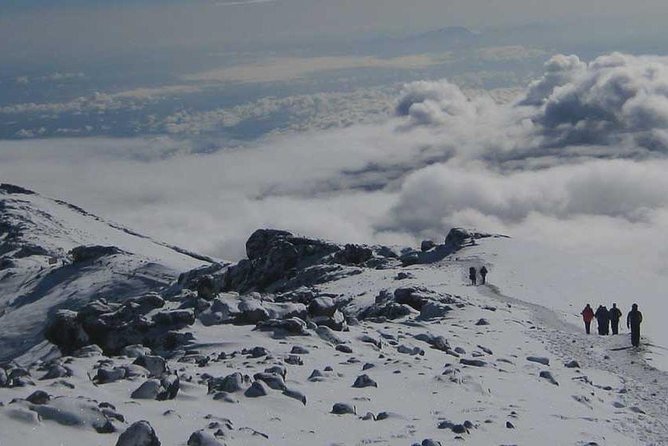
Umbwe is basically Kilimanjaro’s “no excuses” route. It’s described as the least used and least crowded, and you feel why: it’s steep, constant, and direct. There’s less walking time where your body can adapt. That means you move through altitude faster than on routes with more gradual profiles.
On top of that, Umbwe is not as scenically varied because your ascent and descent run fairly close to each other. If your ideal Kilimanjaro is big dramatic changes day to day—different valleys, viewpoints, and totally different terrain—that might not be Umbwe’s strongest suit.
But if you want a secluded hike, and you’re fit enough to keep moving consistently on steep slopes, Umbwe can feel more “classic expedition” than “scenic stroll.” Also, fewer people can make your pace feel more personal. You’re less likely to get trapped behind a slow flow of hikers. You’ll also likely notice the mountain more—wind, scree underfoot, and that long, steady burn in your legs.
You can also read our reviews of more tours and experiences in Moshi.
Is $2,260 a good deal for a 6-day Umbwe climb?
At $2,260 per person, this isn’t a budget trek. What makes it worth weighing is what you get bundled in.
You’re not just paying for a trail. The price includes all fees and taxes, return transfers (airport to Moshi and back), and hotel nights before and after the climb with dinner and breakfast included. On mountain days, you also get camping equipment—tents, camp chairs/tables, and sleeping mattress—along with drinking water and washing water daily.
Then there’s the human side. You’re paying for a full support team: qualified mountain guide, assistant guides, porters, and a cook, plus their salaries following Kilimanjaro National Park guidelines. Many treks claim “all inclusive,” but the presence of a cook and full camping base matters in real life, especially during the long summit push.
What’s not included matters too. Visas, flights, and health insurance are not covered. Personal snacks and medicine are on you. And trekking gear isn’t included as standard, though gear can be rented from the operator’s equipment store in Tanzania. If you already own poles and basic altitude-friendly clothing, that’s a plus.
Net: you’re paying for a smoother logistics experience and stronger on-mountain support. If you want maximum independence, you might not feel that value. If you want someone to handle the moving parts, the package pricing starts to make sense fast.
The crew matters: guides, porters, cook, and the Wence factor
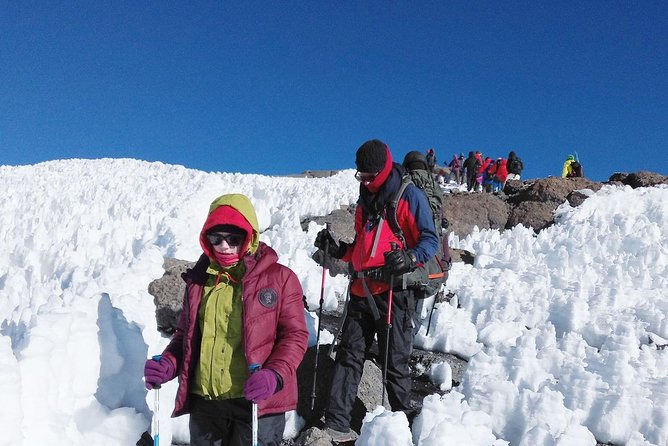
Kilimanjaro success isn’t magic. It’s a mix of altitude tolerance, pace, and support. This trek comes with that support baked in: a qualified lead guide, assistant guides, porters, and a cook.
One detail that stands out from operator feedback is that the owner, Wence, can cater to preferences. I like this because it hints the company isn’t running a robotic schedule. You may still follow the same route, but your day-to-day experience can feel more human.
You’ll also feel the value of porters on Umbwe. Since you’re dealing with long steep stretches, having your basecamp and camping gear handled properly keeps your energy for the climb.
And food matters on summit night. The trek includes multiple meals, and the cook role isn’t just a box-check. Meals are part of how you stay on plan.
Day 1: Umbwe Gate to the first high camp rhythm (rain forest start)
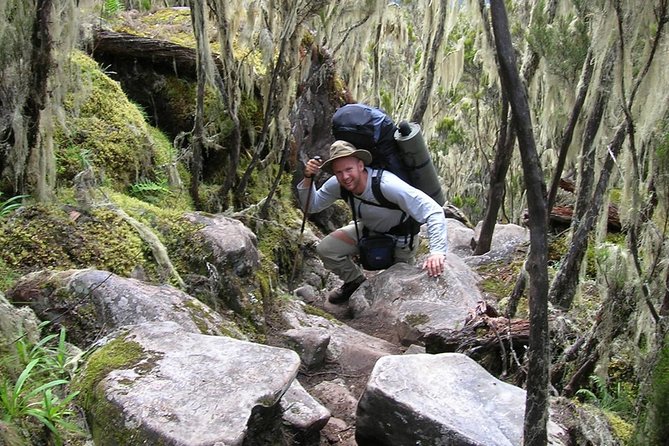
Your day begins with a drive from Moshi to Umbwe Gate, about 1 hour. Then you start climbing through rain forest, with a packed lunch on the way. The first leg runs from 1,660m to 2,850m over about 11km and 5–6 hours.
This is a good day to set your tempo. Rain forest can feel hot and humid, and you may be tempted to sprint early. Resist that. On Umbwe, your schedule is already aggressive. Going faster than your body wants early can bite later.
Practical tip: treat Day 1 as your warm-up calibration. You’re building habits for steep walking—short steps, steady breathing, and patience with slower moments.
Day 2: Open moorland, fewer trees, and the push toward Barranco Camp
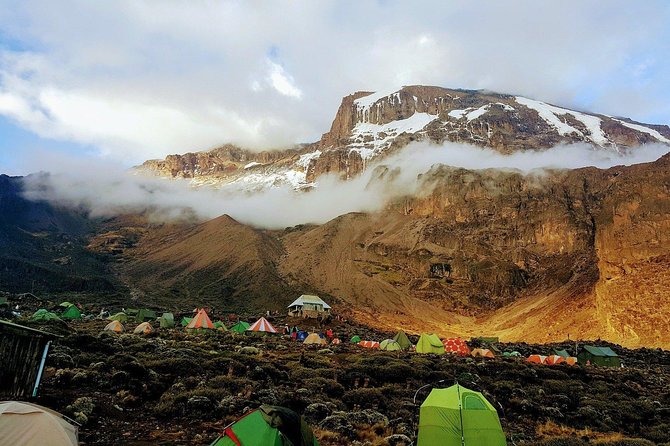
On Day 2 you leave the forest glades and head into open moorland. The climb goes from 2,850m to 4,000m over 6km in about 4–5 hours, ending at Barranco Camp.
This is where Umbwe starts to show its personality. Above roughly 3,500–4,000m, you need to take altitude seriously. The tour design is exactly what makes Umbwe tough: it doesn’t give you many “buffer days” for adaptation.
What you’ll enjoy here is the simplicity of the walking. Fewer distractions. Just a steady upward grind.
What you need to watch is pace consistency. If you feel breathless, slow down sooner—not after you’re already struggling.
Day 3: Barranco Wall steep ridge work and the junction with Mweka
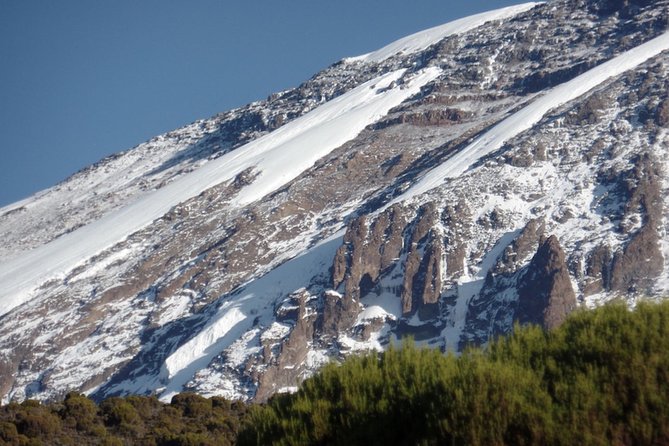
Day 3 moves from 4,000m to 4,050m (a short altitude change on paper, but not on effort). You trek about 5km for 3–4 hours, and the route includes a steep ridge up the Barranco Wall toward the Karanga Valley, then to the junction connecting with the Mweka Trail.
This day is short enough to recover, but the terrain is still demanding. A steep ridge can feel draining because your breathing stays elevated. It’s also a “technique day”—placing your feet well matters.
Why this stop is valuable: it links you into the wider network toward the final approach. It also helps you set up for the higher altitude segment without dropping all the way down like some itineraries do.
Day 4: Barafu Camp, South Circuit views, and the quiet prep for summit night
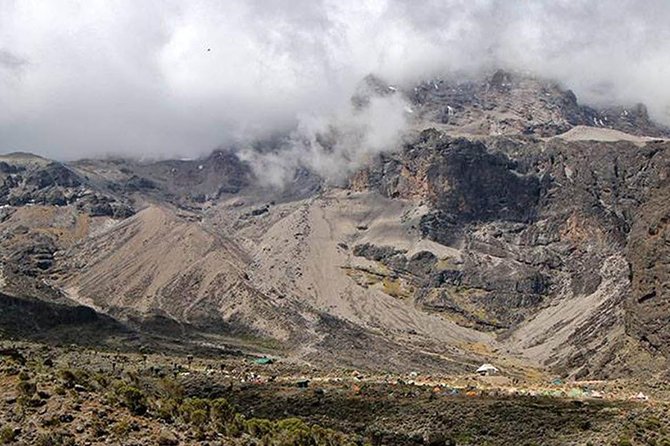
Day 4 climbs from 4,050m to 4,700m, about 4km and 3–4 hours, to Barafu Camp. This is the day you’ve completed the South Circuit, and the route is described as offering views of the summit from multiple angles.
In practice, Barafu is about two things: settling into higher altitude and preparing your body and head for the long summit push. You rest, enjoy dinner, and get ready.
A realistic mindset helps here. You won’t be “relaxed.” You’ll be focused. You’ll likely feel a little restless too, because you know midnight is coming.
If you want a morale boost, this is where the views and the sense of progress can help. Just don’t turn it into sightseeing time. Save energy.
Day 5: Midnight summit push, Stella Point on the crater rim, and the sunrise moment
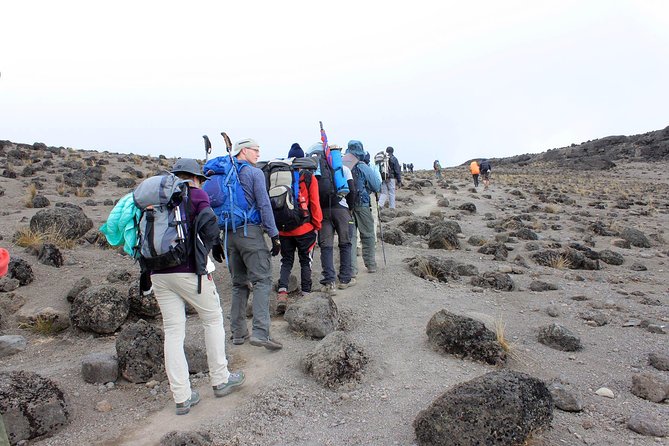
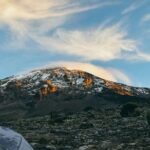
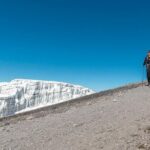
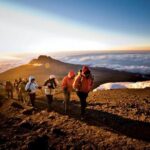
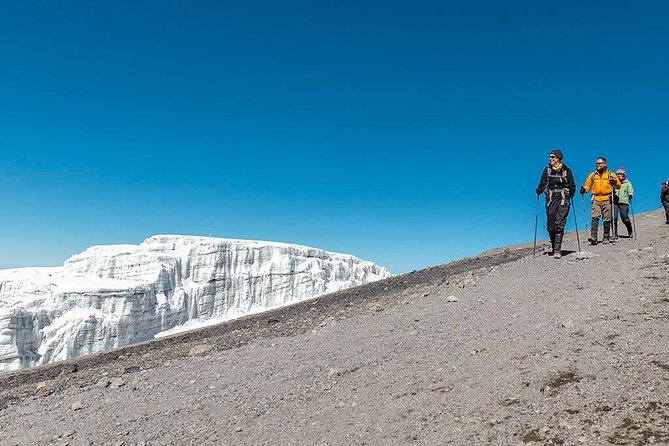
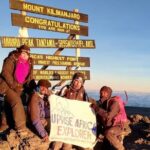
This is the hardest day. You’ll leave very early, between midnight and 2am, and hike toward the summit between the Rebmann and Ratzel glaciers. The trek goes toward Stella Point on the crater rim, with a route that includes heavy scree during the ascent.
The tour describes this section as the most mentally and physically challenging portion of the trek. That matches what Umbwe is: it doesn’t ease you in. You earn each step.
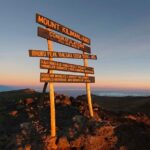
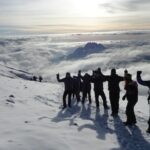
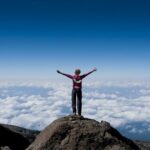
At Stella Point, you pause briefly. Then you continue for about 1 hour to the summit. The big payoff is described as a magnificent sunrise, and the faster hikers may reach the sunrise from the summit.
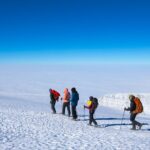
Also, plan for cold. The route notes you may encounter snow all the way on the way up. Even if you’re tough, don’t underestimate how wind and cold can mess with breathing and decisions.
Practical advice: on the summit push, small errors turn into big problems. Don’t start fast. Don’t ignore early signs of fatigue. And keep your head calm when the scree feels endless.
Day 6: Down the Mweka Trail, wet mud at low altitude, and your summit certificate
After breakfast, you descend from about 3,090m down to the Mweka Park Gate at 1,680m. It’s about 10km and 3–4 hours, then you continue another hour to Mweka Village. A vehicle meets you at the village to drive you back to your hotel in Moshi, around 30 minutes.
The descent is straightforward on paper but can be rough in reality. Lower down, it can be wet and muddy, and the tour explicitly recommends gaiters and trekking poles. Shorts and t-shirts may be plenty at lower elevation, but keep rain gear and warmer layers handy because weather on the mountain can shift fast.
The summit certificate is handled on the descent: you receive your certificate at the gate. That’s a nice formal end to the climb, especially when your brain is still tired from the night before.
Gear and habits that fit Umbwe’s steep schedule
You’re not just hiking—you’re managing a steep altitude treadmill. Based on what’s specifically recommended and included here, focus on:
- Gaiters and trekking poles for the descent since lower slopes can be wet and muddy.
- Rain gear and warmer clothing even if you expect mild conditions lower down.
- Plan on renting gear if needed. Personal gear isn’t included by default, but the operator says gear can be rented from their Tanzania equipment store.
- Consider a portable toilet. It’s listed as optional but highly recommended.
On habits, keep it simple: steady steps, consistent pace, and a willingness to slow down if you need to. Umbwe punishes ego.
Who this trek fits best (and who should rethink Umbwe)
Umbwe is ideal for people who want a challenging climb and are confident trekking consistently steep slopes. It’s also aimed at hikers who are experienced with altitude, since the route doesn’t give much time to adjust.
If you’re the type who handles altitude well and you’ve trained for endurance, you’ll likely appreciate Umbwe’s straight-ahead approach and the quieter experience.
If you’re newer to high altitude, or you don’t handle fast altitude gain well, you may want a different route design that offers more time to adapt. Umbwe is described as having a very low success rate for a reason.
Should you book the Umbwe 6-day trek with Intrepid Explorer Tanzania?
If you want a less crowded Kilimanjaro, like steep sustained hiking, and you’re genuinely prepared for altitude demands, I think this is a strong choice. The package covers a lot of what usually becomes a headache—transfers, hotels, camping equipment, and a full crew—so you can focus on pacing and staying safe.
If you’re sensitive to altitude or you want a more gradual acclimatization experience, I’d be cautious. Umbwe’s whole strength is also its risk: the climb is more punishing and leaves less room for adjustment.
FAQ
Where does the trek start and what’s the meeting point?
The trek starts at Umbwe Gate (R76H+2VW, Umbwe, Tanzania). The activity ends back at the meeting point.
How long is the Umbwe route, and is 6 days enough?
The trek is listed as 6 days (approx.) and the route is described as a minimum of six days, with seven days recommended.
What’s included in the price?
It includes all fees and taxes, return transfers between Kilimanjaro airport and Moshi, hotel nights before and after with dinner and breakfast, qualified guide and crew salaries, camping equipment, drinking and washing water, and the main meals listed (breakfast 5, lunch 6, dinner 5). It also includes emergency oxygen for emergencies only.
Do you get airport pickup and drop-off?
Yes. Return transfers are included from Kilimanjaro airport to Moshi and Moshi to Kilimanjaro airport, and pickup is indicated as offered.
Is emergency oxygen included?
Yes. The trek includes emergency oxygen, stated as for use in emergencies only, not as summit aid.
What’s the hardest part of the trek schedule?
The hardest portion is the summit push on Day 5, starting between midnight and 2am, with heavy scree toward Stella Point on the crater rim and then a further 1-hour ascent to the summit.
What meals are included?
The trek includes 5 breakfasts, 6 lunches, and 5 dinners, with those meals provided during the climb plus dinners/breakfasts tied to the included hotel nights.
Are trekking poles and gaiters recommended?
Yes. During the descent you may encounter wet and muddy conditions, and the trek specifically notes that gaiters and trekking poles will help.
Is this a private tour?
Yes. It’s described as a private tour/activity, meaning only your group participates.
Can I get a full refund if I cancel?
Yes, with the stated policy: you can cancel up to 24 hours in advance for a full refund. Changes made less than 24 hours before the start time are not accepted, and cancellations within 24 hours are not refunded.
You Might Also Enjoy
 Iriomote’s Adventure: Pinaisara Falls Canoe and Trekking Tour
 Ski Trekking under the Northern LightsUnforgettable Everest Base Camp Trek with Third Rock Adventures! 🌄
I recently completed an incredible journey to Everest Base Camp with Third Rock Adventures, and I can’t recommend them enough! From starRead more
Ski Trekking under the Northern LightsUnforgettable Everest Base Camp Trek with Third Rock Adventures! 🌄
I recently completed an incredible journey to Everest Base Camp with Third Rock Adventures, and I can’t recommend them enough! From starRead more Tenganan Village Rice Field Trekking Tour