REVIEW · KATHMANDU
Annapurna Base Camp Trek
Book on Viator →Operated by Shikhar Adventure · Bookable on Viator
The Annapurna Base Camp trek hits fast. You get Poonhill sunrise thrills and a real climb into the Annapurna Sanctuary. I like that the route mixes the popular Ghorepani Poonhill Trek with ABC, so the days don’t feel repetitive. I also like that you’re not left to figure logistics out alone: airport pickup, hotel stays, permits, and a government-authorized guide/porters are included. One thing to think about: the itinerary climbs to 4,130 meters, so you’ll need to respect pace and altitude, especially on the higher days.
This package also gives you a solid “warm-up” in Nepal’s lowlands before the trail starts. In Kathmandu and Pokhara you get short, scenic breaks like a Phewa Tal evening stroll and planned driving legs that reduce day-to-day stress. The main drawback is that mountain guesthouses are simple, and you should expect extra small costs like shower/electronic charging fees on some days.
In This Review
- Key highlights worth your attention
- Kathmandu first: where your trek starts before you walk
- Getting to the trailhead: the drive legs that save your energy
- Ulleri to Ghorepani: rhododendron paths and the slow climb
- Poonhill (3,210 m): the sunrise ritual you’ll actually remember
- Sinuwa and Deurali: when the mountains start getting closer
- Annapurna Base Camp day: the big goal at ~4,130 m
- Coming back to Sinuwa: new views, easier legs, and bridge crossings
- Jhinu Danda hot springs: the leg-saver you’ll be happy you scheduled
- Endgame in Kathmandu: rest, reset, and your onward plans
- Price and what you’re actually paying for ($940)
- Who this trek suits best (and who should reconsider)
- Should you book this Annapurna Base Camp trek?
- FAQ
- What’s the meeting point for this Annapurna Base Camp trek?
- When does the trek start?
- How long is the experience?
- What’s the highest altitude on the trek?
- Are permits and trekking support included?
- What gear is included for the trek?
- Is food included during the trekking days?
- Do I need travel insurance?
Key highlights worth your attention
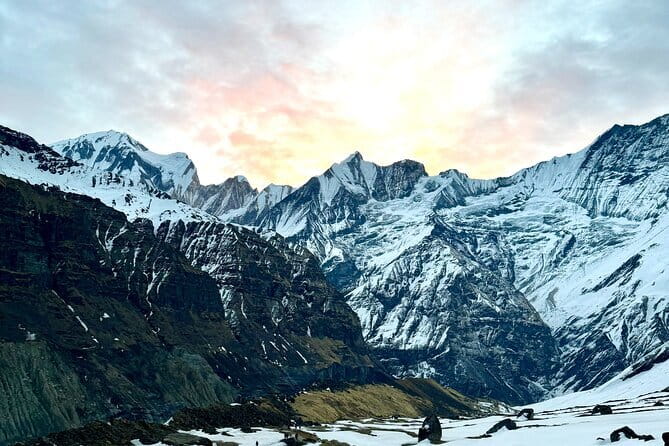
- Poonhill sunrise at 3,210 m: a classic pre-trek payoff with views toward Annapurna and Dhaulagiri.
- Annapurna Base Camp at ~4,130 m: the big goal day with a cluster of major peaks in view.
- Dambar Thapa-style guidance: reviews mention long experience and hands-on pacing when altitude starts to bite.
- Guesthouse trekking with full meal support: breakfast, lunch, and dinner provided on the trek days.
- Jhinu Danda hot springs stop: a muscle-relief break near the return route.
- Permits and practical gear included: Annapurna Conservation Area Permit plus sleeping bag and duffel system.
Kathmandu first: where your trek starts before you walk
Most Annapurna Base Camp plans jump straight into trekking. This one helps you land and get oriented first, which matters when you’re arriving from sea level. Day 1 is airport pickup from Kathmandu and a transfer to your hotel so you can rest right away. Day 2 keeps things light: you’ll stroll around Phewa Tal in the evening from Pokhara, with dinner-time vibes instead of an early hike.
If you’ve ever trekked and regretted doing too much on day one, you’ll like this rhythm. It also gives you time to handle essentials: charging devices, buying a few last items, and checking how you feel. Kathmandu can feel busy and loud, but your schedule stays structured and low-pressure.
One practical note: Kathmandu meals are mostly on you. Breakfast is included on trek days, but Kathmandu and Pokhara meals (beyond breakfast) aren’t covered, so plan for that in your budget.
You can also read our reviews of more tours and experiences in Kathmandu.
Getting to the trailhead: the drive legs that save your energy
You’ll do a mix of bus and car/jeep transfers, then start walking in the Annapurna region. The itinerary includes a drive to Pokhara (by tourist bus), and later drives connected to Birethanti and Jhinu Danda. In other words: you’re not spending every other day in a vehicle, but you also won’t be doing long transfer days at the same time you’re already climbing.
This is a good value trade. Trekking is taxing enough on its own. Reducing “dead time” in transportation means more hours on real terrain and better rest between hiking days.
Also pay attention to the included hotel plan: two nights in Kathmandu at Hotel Simal (or similar) and two nights in Pokhara at Hotel Trekkers Inn (or similar category). Those choices are in the middle zone—simple and functional—so don’t expect luxury, but do expect beds and hot showers where available (though charging and trekking showers may still cost extra).
Ulleri to Ghorepani: rhododendron paths and the slow climb
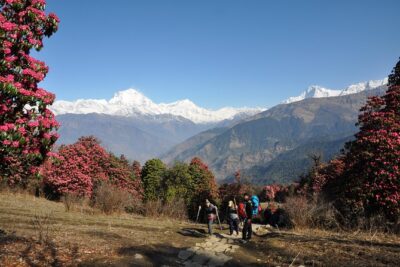
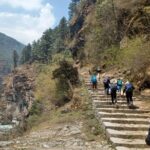
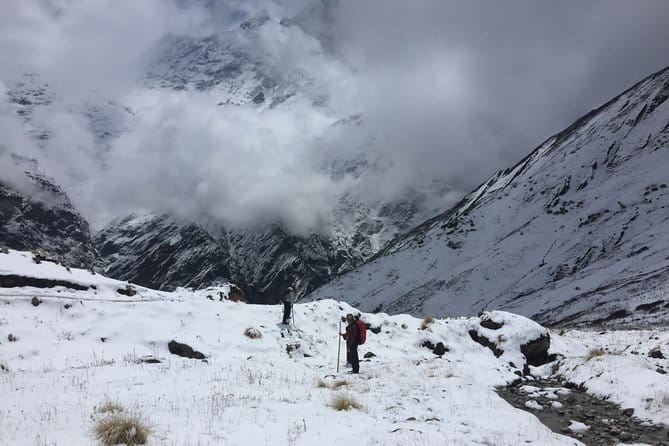
Your trek starts with the uphill walk from Birethanti toward Ulleri, then continues onward to Ghorepani. Day 3 is a steady climb through villages, terraced fields, and forested sections. Day 4 takes you through rhododendron forests with mountain and valley views along the way.
This part is one of the best “learning days” on ABC routes. You’re not at peak altitude yet, so it’s easier to settle into your breathing and rhythm. If you’re the type who likes taking breaks and taking photos without feeling rushed, Ulleri–Ghorepani is a good fit.
One small caution: even if the hiking feels manageable, you’re still climbing. The earlier you learn a consistent pace—short pauses, steady steps—the easier the later elevations feel.
Poonhill (3,210 m): the sunrise ritual you’ll actually remember
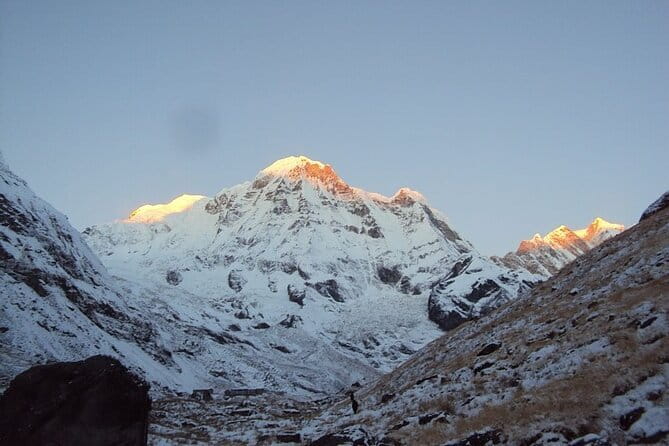
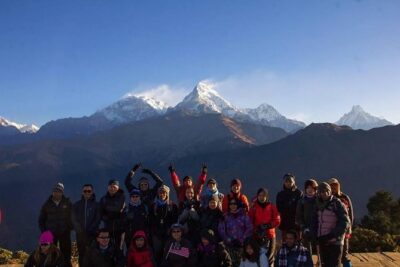
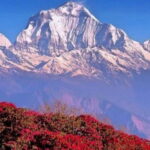
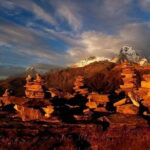
Poonhill is the classic sunrise add-on, and this trek gives it the time it deserves. Day 5 starts with an early hike to Poonhill at 3,210 meters. The payoff is sunrise over snowy peaks in the Annapurna and Dhaulagiri ranges, followed by breakfast back down in Ghorepani.
You don’t need to be a “photography person” to enjoy this. Sunrise views are one of those moments where you stop thinking about gear and start thinking about the sheer scale of the mountains. It’s also a helpful altitude training step before the big ABC push, because you’ll feel the air thin but not yet be at the highest camp elevations.
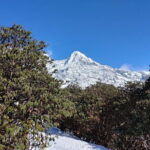
Then you descend for breakfast, and you hike onward to Tadapani (2,630 m). That stretch through dense oak and rhododendron forest keeps the day from turning into one long grind.
Sinuwa and Deurali: when the mountains start getting closer
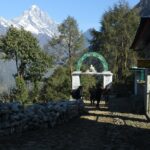
Days 6 and 7 shift the trek toward higher terrain. You’ll walk from Chule to Sinuwa, passing through dense forests and looking toward key peaks like Machhapuchhre (Fishtail) and the Annapurna massif. Sinuwa itself is a small village stop at the end of the day, with a calmer feel after earlier climbs.
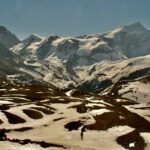
Day 7 goes from Sinuwa to Deurali. This is where the trail starts feeling more “high-country” in character: bamboo forests, rocky stretches, and river valleys. The higher elevation brings you closer to the main peaks, and that’s when the whole experience starts feeling less like a hike and more like you’re walking in the shadow of giants.
If altitude is your main worry, this is the part where you should take breaks seriously. Not because you’re weak—because high-altitude trekking rewards good timing. A guide who can help you pace matters a lot.
Annapurna Base Camp day: the big goal at ~4,130 m
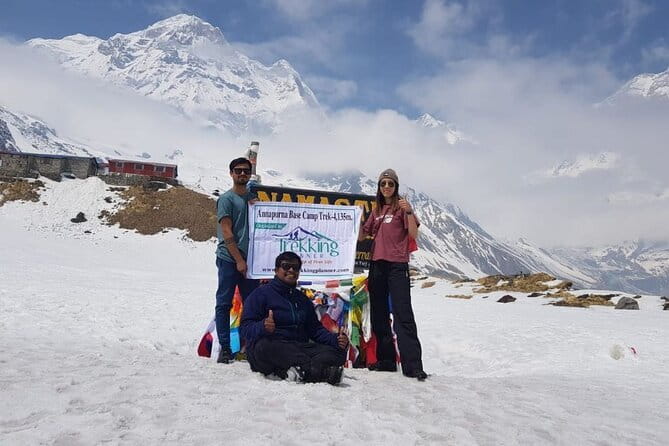
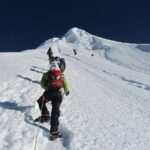
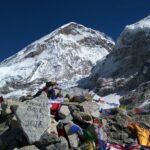
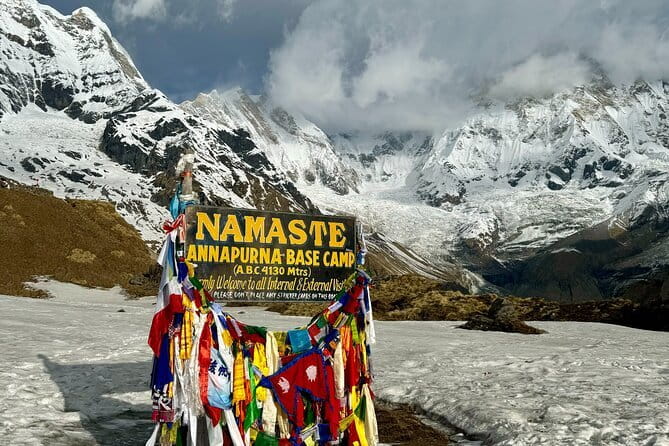
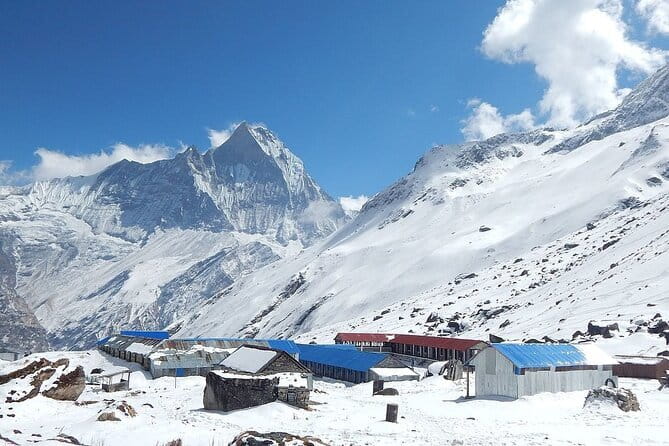
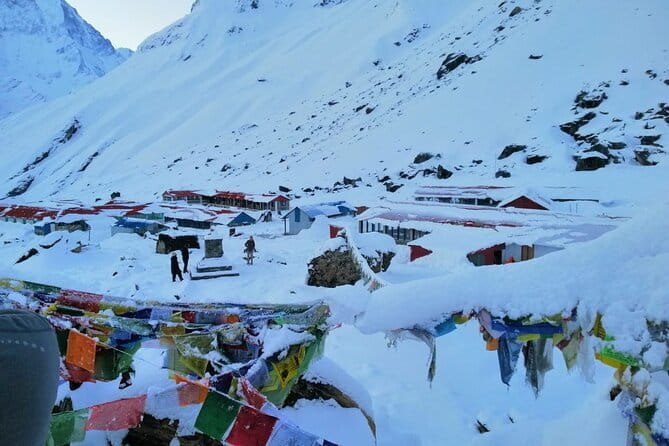
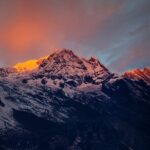
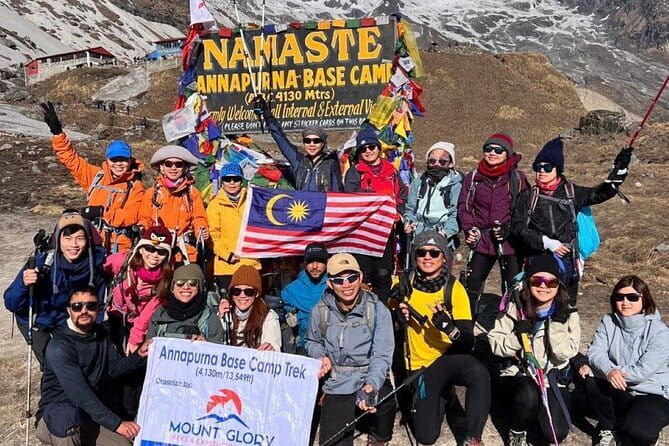
Day 8 is the headline: trekking from Deurali to Annapurna Base Camp (ABC) at about 4,130 meters. This is the day most people dream about, and the goal is clear: reach the base camp in the Annapurna Sanctuary and look up at the surrounding snow-capped peaks, including Annapurna I, Annapurna South, Hiunchuli, and Gangapurna.
What makes this day special is the final approach. The trail gradually narrows into that high, cold-feeling zone where every step counts. ABC itself isn’t just a viewpoint—it’s a place where you feel the mountain scale all at once. Even if clouds move in, you’ll usually still get long stretches of dramatic, pale light across the peaks.
It’s also one of those days where you’ll appreciate having a guide and support team. The trek includes government-authorized, experienced guides and porters, plus a first aid kit and food support. That doesn’t remove altitude risk, but it makes the day feel managed instead of chaotic.
Coming back to Sinuwa: new views, easier legs, and bridge crossings
After your night at ABC, day 9 brings a return to Sinuwa (about 2,340 m). Descents are easier on the lungs than climbs, but your knees will still want care—especially on stone steps and uneven sections.
The description of the return route matters: you’ll walk back through bamboo forests and across suspension bridges over rushing rivers. The environment shifts too, from rockier higher ground to greener zones as you lower elevation. Every bend gives you a different angle on the valley and peaks, so the return doesn’t feel like a copy-paste of the climb.
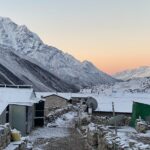
At Sinuwa, you’ll stay again in local guesthouses. This is a good moment to rest and reset before the hot springs.
Jhinu Danda hot springs: the leg-saver you’ll be happy you scheduled
Day 10 takes you to Jhinu Danda, known for its natural hot springs. You’ll hike to the area at about 1,780 meters, through forest and terraced fields, then unwind in warm water while you take in mountain views.
Hot springs are one of those “simple but effective” ideas. After days of uphill effort and downhill stress, a soak can make tomorrow’s travel feel less punishing. It’s not a miracle cure, but it’s a real quality-of-life upgrade.
Endgame in Kathmandu: rest, reset, and your onward plans
Day 11 includes a drive back to Kathmandu for about 7 hours, and day 12 finishes with transfer onward from Kathmandu. This is where you’ll notice the package is built for flow: you trek, you soak, you ride back, then you leave.
Also keep in mind that this trip ends back at the start meeting point (Thamel, Kathmandu). The start time listed is 2:15 am, so you’ll want to plan sleep and wake-up timing carefully on your first trek-related morning.
Price and what you’re actually paying for ($940)
At $940 per person for about 12 days, you’re paying for more than a route on a map. You’re getting:
- sleeping bag and duffel bag handling (with return required),
- Kathmandu and Pokhara hotel stays,
- trekking permits (Annapurna Conservation Area Permit),
- guide and porter support, plus guide/porter insurance and wages,
- hygienic meals (breakfast, lunch, dinner) during the trek,
- transport segments and a first aid kit.
The “value” logic here is simple: you’re buying less uncertainty. Trekking in Nepal works best when you don’t have to constantly negotiate logistics, food, and paper permits. If you were to DIY this, you’d save money only if you’re comfortable planning permits, coordinating guides/porters, and managing the daily meal and lodging setup yourself.
What’s not included matters too. You’ll still pay for your own Kathmandu and Pokhara meals (besides breakfast), shower and charging fees during the trek (often around $5), alcohol and packaged drinks, and of course tips for guide and porter. Also, your travel insurance is mandatory, even if insurance for guides and porters is included.
Who this trek suits best (and who should reconsider)
This is a strong match if you:
- want a classic ABC goal plus the iconic Poonhill sunrise,
- prefer guided pacing and support over full independence,
- have moderate physical fitness and can handle gradual altitude gain,
- like village walking and forest trails as much as summit-day views.
You might reconsider if you’re looking for an “easy walk.” This itinerary includes a climb to 4,130 meters and several hiking days around 5–6 hours. Even with a good guide, altitude and fatigue are real parts of the equation.
Should you book this Annapurna Base Camp trek?
I’d book it if you want the best mix of major viewpoints, real trekking time, and guided structure without turning planning into a second job. The Poonhill sunrise add-on is worth it, and ABC at ~4,130 m is the kind of day you remember for years, not weeks.
If you’re budget-minded, also price in the missing items: Kathmandu and Pokhara non-breakfast meals, trekking shower/electronics fees, tips, and your mandatory travel insurance. Once you include those, the $940 feels more like paying for a managed trip than just buying a hiking map.
FAQ
What’s the meeting point for this Annapurna Base Camp trek?
The start meeting point is Thamel, Kathmandu 44600, Nepal. The experience ends back at the same meeting point.
When does the trek start?
The start time is 2:15 am.
How long is the experience?
The trek is listed as 12 days (approx.).
What’s the highest altitude on the trek?
The route climbs to 4,130 meters, reaching Annapurna Base Camp at about that elevation.
Are permits and trekking support included?
Yes. You get the Annapurna Conservation Area Permit, plus a government-authorized experienced guide and porters, along with a first aid kit.
What gear is included for the trek?
The package includes sleeping bags and duffel bags, and the duffel bags must be returned after the trek.
Is food included during the trekking days?
Yes. Breakfast, lunch, and dinner are included during the trek days. Meals in Kathmandu and Pokhara (besides breakfast) are not included.
Do I need travel insurance?
Yes. Travel insurance is mandatory, even though insurance, food, accommodation, and wages for guides and porters are included.