REVIEW · KATHMANDU
15 Days Private Everest Base Camp Trek
Book on Viator →Operated by Nepal Social Treks and Expedition · Bookable on Viator
The Everest region hits you fast. You start with the famous Lukla flight, then work your way toward Everest Base Camp with smart acclimatization. This is the kind of trek where every day feels like it’s moving you closer to the world’s highest mountains—without pretending it’s easy.
I especially like that the trip is built around altitude timing, not just checklists. Two acclimatization days in Namche Bazaar and Dingboche give your body a fighting chance, and those rest/slow hikes pay off when you go for harder milestones like Kala Patthar. The other big plus is the human side: strong trek leadership is a repeat theme, with guides such as Kamal, Achut, Bishnu Bhatta, and Lhakpa named for being supportive and careful with safety.
One drawback to plan for: the whole program depends on weather, especially the Lukla flights. If conditions shift, your schedule can tighten, and that’s not something a tour can fully control.
In This Review
- Key things I’d watch on this Everest Base Camp trek
- Kathmandu arrival, Thamel reset, and your guide briefing
- The Lukla flight: why that 40 minutes matters more than you think
- Following the Dudh Koshi: Phakding to Namche Bazaar on a steady climb
- Namche Bazaar acclimatization: smart rest that still counts as training
- Tengboche monastery day: where culture and mountain views meet
- Dingboche and the Nangkartshang Peak hike: acclimatization that builds confidence
- Toward Lobuche: the glacier moraine feeling before Everest’s big moment
- Everest Base Camp and Gorak Shep: the long walk and the Icefall payoff
- Kala Patthar at dawn: steep, rocky, and worth it
- Back to Tengboche and Namche: same mountains, different energy
- The Lukla-to-Kathmandu landing arc: finishing strong
- Price and value: what $1,420 actually buys you
- Who this trek fits best (and who might want a different plan)
- Should you book this Everest Base Camp private trek?
- FAQ
- How long is the Everest Base Camp trek?
- Where does the trek start and end in Kathmandu?
- What is included in the price for this private trek?
- Are domestic flights to Lukla included?
- Is an international flight ticket included?
- Are airport transfers and support included in Kathmandu?
- Do I need to pay for Nepal entry visa fees?
- Is travel or medical insurance included?
- Should I hire a porter?
- What happens if weather cancels the experience?
- How much notice do I need to cancel for a full refund?
Key things I’d watch on this Everest Base Camp trek
- Lukla flight day-one thrill: a short flight that feels like a real adventure, not just transit
- Acclimatization blocks in Namche Bazaar and Dingboche: more time at height before the toughest push
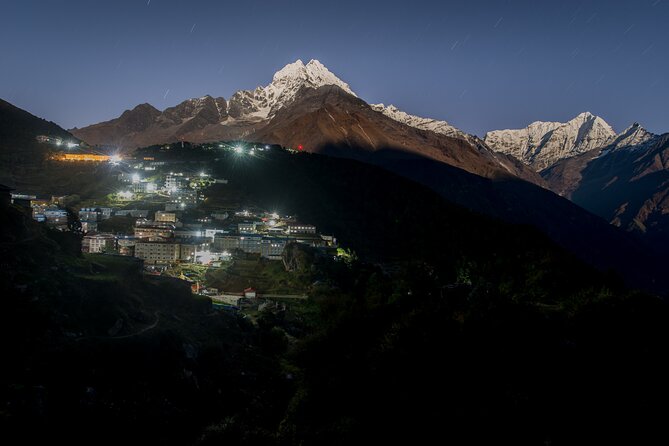
- Tengboche monastery stop: one of the most memorable spiritual-and-view moments in the Khumbu
- Kala Patthar at dawn: the route’s biggest payoff, with steep, cold, early hours
- Khumbu Icefall views from the right places: you’ll see it from key viewpoints like Gorak Shep
- Care for the group pace: guides and porters are repeatedly credited for keeping people safe and moving
Kathmandu arrival, Thamel reset, and your guide briefing
Most Everest treks start with a reality check: your body arrives before your legs are ready. On day one, you land at Tribhuvan International Airport, get help with check-in and your room key, then get a buffer day in Thamel to rest and reduce jet lag. This matters. The next days stack long walks and big altitude gains, so you want your sleep and hydration straight early.
In the evening, you’ll attend a briefing with your trekking guide and meet your group. That briefing isn’t just formalities. It’s where you get the basics of what’s coming and how you’ll handle the trek as a team—especially if anyone in your group is sensitive to altitude or unsure about pacing. After the briefing, you’ll have a welcome dinner together, which sounds simple, but it helps you settle into the rhythm of the trek crew.
You’re also still in Kathmandu on Day 1, so you can do low-key prep like checking layers, tightening your hydration plan, and keeping expectations realistic. If you’re nervous about the Lukla flight, this is where you calm down instead of spiraling.
You can also read our reviews of more tours and experiences in Kathmandu.
The Lukla flight: why that 40 minutes matters more than you think
On day two, the trek’s biggest jolt starts with a roughly 40-minute domestic flight from Kathmandu to Lukla. Lukla is famous for being one of the most intense airports in the world, and this part of the trip is often where people remember the trek even after the blisters fade.
Here’s what to expect: you fly in early, you meet local staff and porters on arrival, and then you start walking right away. That first trek day is not meant to be a suffer-fest. You head toward Cheplung village, pass stupa area blessings, and then trek along the Dudh Koshi River toward Phakding for the night. It’s a practical way to get your legs moving after the flight, instead of throwing you into steep terrain immediately.
Practical consideration: weather can mess with Lukla. The trek provider also notes that if the experience is canceled due to poor weather, you’ll be offered a different date or a full refund. So keep your schedule flexible if you can, and don’t plan other tight travel around your Lukla window.
Following the Dudh Koshi: Phakding to Namche Bazaar on a steady climb
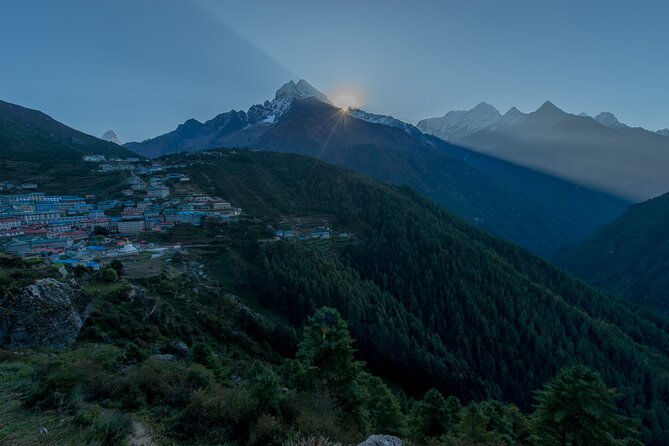
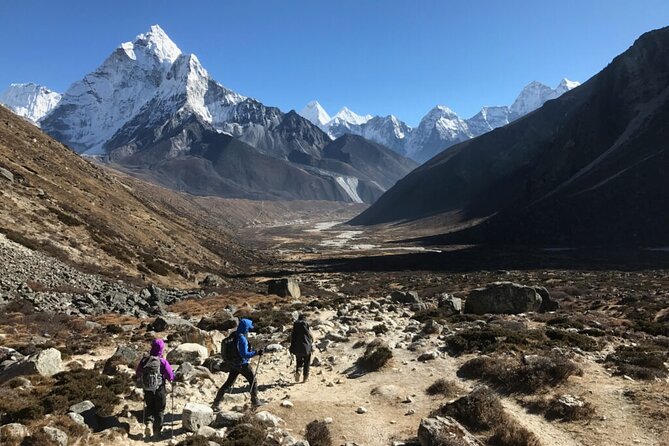
After Lukla, the trail threads through Khumbu villages and forest, and the Dudh Koshi corridor becomes your guide for the day. You’ll move through pine forest, rustic settlements, suspension bridges, and occasional yak pastures. This is where the Everest trek starts to feel like a place, not a route.
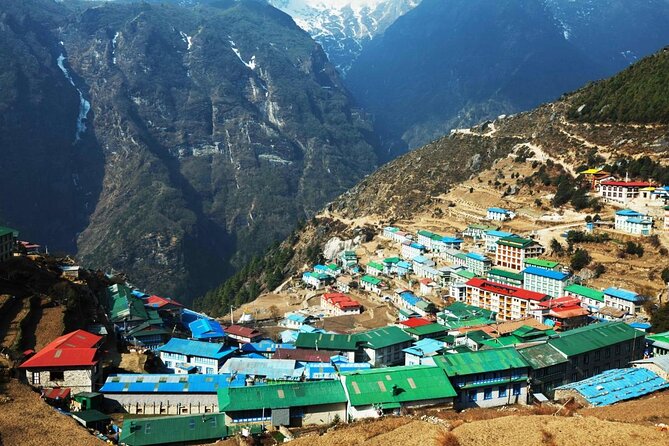
You’ll pass into Sagarmatha National Park, and the day’s walking includes uphill sections that gradually build your effort. You also start getting the big mountain hints—glimpses of peaks like Kusum Kanguru, Thamserku, Everest, and Nuptse appear along the trail. Namche Bazaar is often described as the Sherpa capital, and once you reach it, you’ll understand why. It’s busier than the smaller villages, with far more guesthouses and a strong sense of everyday local life.
A key value here is pacing. You’re not just chasing views. You’re learning how to walk for hours on high terrain without burning out. Your guide will help with pacing choices, and this is the groundwork for staying comfortable during later altitude days.
Namche Bazaar acclimatization: smart rest that still counts as training
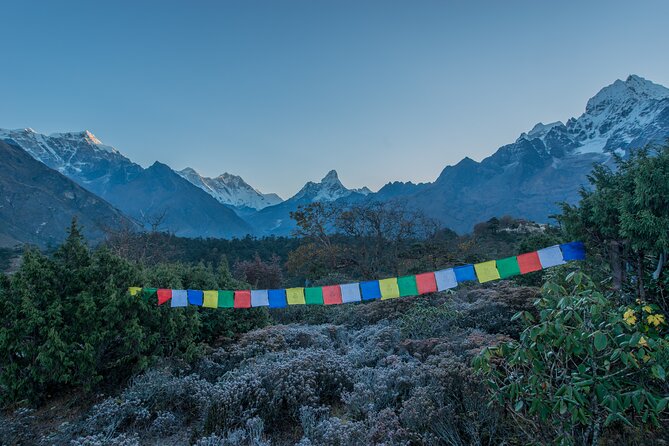
Two things make acclimatization days worth it on Everest treks: they prevent you from rushing, and they keep you moving in a controlled way. In Namche Bazaar, you get a lighter plan to reduce altitude sickness risk. You’ll hike to Khumjung, with a chance to see the historic monastery and a school built by Sir Edmund Hillary. Then you visit the Everest View Hotel, known in the Guinness Book of World Records (2004) for its panoramic mountain views.
This day is a “yes, it’s a rest day” kind of day. But it doesn’t feel like lying around. Instead, you get that classic high-altitude experience: cool air, wide views, and your body gradually adjusting while you stay active.
What I like about this setup is that you’re not only resting at altitude—you’re getting comfortable with walking at height. That translates into less panic on later steeper segments, especially when the trail turns rocky and the air thins.
Tengboche monastery day: where culture and mountain views meet
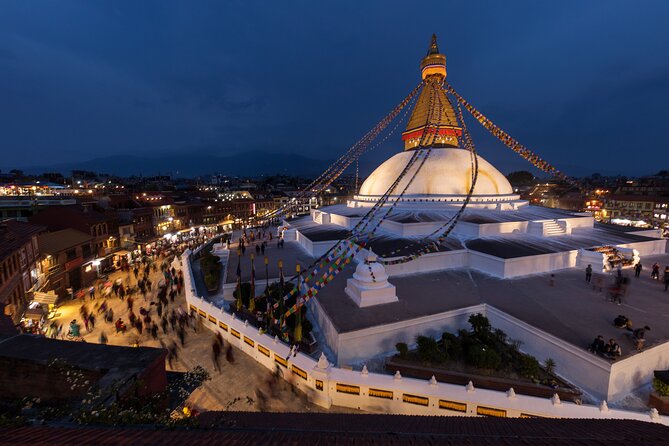
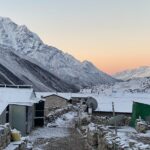
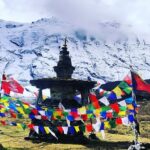
As the trek moves onward, the forest thickens and the trail gradually turns more challenging. You’ll pass places like Phungithanga and go through an uphill stretch that includes a water-powered prayer wheel. Then you reach Tengboche, home to the Khumbu region’s largest Buddhist monastery.
The stop itself is more than a photo break. Tengboche is one of the few moments where the trek feels grounded in daily culture, not only altitude. The monastery area gives you a slower rhythm: you can watch prayers, take in the mountain backdrop, and feel the trek shift from hiking intensity toward reflection.
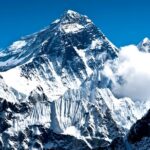
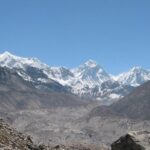
The view factor is strong here too. You’ll get spectacular sightlines to mountains like Ama Dablam, Everest, Nuptse, and Lhotse. If you like the idea of a trek that mixes spiritual place with dramatic scenery, this is one of your must-not-miss days.
Dingboche and the Nangkartshang Peak hike: acclimatization that builds confidence
Dingboche is described as the highest Sherpa settlement in Khumbu, and you’ll feel that instantly. The route from Tengboche involves crossing a suspension bridge and trekking along narrow paths with rhododendron, birch, and conifers. You also pass mani walls and chortens, which makes the walk feel like it has a purpose beyond getting from A to B.
Your Dingboche schedule includes not one but two important days. The second Dingboche day includes a controlled climb: a 400-meter ascent to Nangkartshang Peak (summit time includes about two hours of steep ascent from the village). The point isn’t to “train hard.” The point is to teach your body how to handle height while staying smart.
From the summit, views reach across major massifs including Ama Dablam, Makalu, Lhotse, Kantega, and Cho Oyu. That’s a lot of payoff for effort you can actually manage. If you tend to be cautious, you’ll appreciate how this plan uses gradual steepness instead of sudden extremes.
Toward Lobuche: the glacier moraine feeling before Everest’s big moment
From Dingboche, your route heads to Pheriche valley areas before you push onward. After breakfast, you walk toward Orsho and Imja Khola and continue through villages and signs of daily life—mani walls, chortens, and stone markers. Then the trail shifts into more serious trekking.
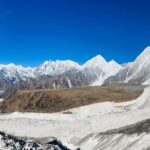
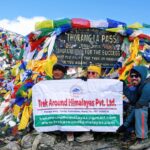
On the way to Lobuche, you deal with more strenuous walking, including steep climbs over Khumbu Glacier moraine and a route over Thukla Pass decorated with prayer flags and stone shrines. This is the terrain that makes Everest treks feel different from general mountain hikes. You’re on rockier, rougher ground, and the altitude adds friction to every step.
Lobuche is an overnight spot with strong views of Nuptse and Taboche. It also acts like a staging area, setting up the next days when you’re heading toward Gorak Shep and then the Everest Base Camp area.
Everest Base Camp and Gorak Shep: the long walk and the Icefall payoff
This section is where most people’s planning brain flips to dream mode. You depart Lobuche for Gorak Shep, drop your backpacks, then move along a rocky trail toward Everest Base Camp. Along the way you’ll see glacial moraine and streams, and the big visual moments start stacking.
The payoff area includes views of Nuptse, Pumori, Khumbu Icefall, and Khumbutse. The Icefall view is often the emotional highlight on the Everest trek, because it’s not a distant mountain postcard—it’s part of the living system that makes this whole region work.
Then you return to Gorak Shep, which is a small settlement but perfect for the next night and for watching the light shift across surrounding peaks.
One practical note: this day is physically longer than it sounds on paper. Even when the pace is managed by your guide, you still need to expect a long trekking day that tests endurance more than technical skills.
Kala Patthar at dawn: steep, rocky, and worth it
After the Base Camp day, you’re up for an early move toward Kala Patthar. This is the prominent viewpoint in the region, and it’s famous for the sunrise experience. The route is steep and rocky, but the morning timing matters because you’re chasing clear sky light and visibility.
After a brief stop at Kala Patthar, you descend toward Lobuche and then continue along rough trails, crossing back toward Pheriche for the night. Pheriche is also associated with the Himalayan Rescue Association Clinic, which highlights how this region builds medical and safety support for trekking and mountaineering.
This day is where I’d encourage you to take a calm approach. Go slow, breathe, and keep moving steadily. Kala Patthar doesn’t reward sprinting. It rewards patience and good planning.
Back to Tengboche and Namche: same mountains, different energy
The return days feel surprisingly different. You’re still trekking high terrain with uphills, but your mental load shifts. You’ve already seen Everest Base Camp and pushed toward Kala Patthar, so the walk back becomes more reflective.
You’ll head back toward Tengboche through forested areas with rhododendron and juniper. Some rare wildlife and birds might be spotted depending on conditions. On the way, you continue to see strong views of Ama Dablam, Everest, Nuptse, and Lhotse.
Then you return toward Namche Bazaar with an easier trek profile but still with strenuous uphills. On the ground, it can feel like the trail remembers you. That’s when you start noticing details like how the prayer flags shift in wind, or how the villages look when the mountain light changes.
The best part of the return days is that you’re not just moving. You’re absorbing. You’ll start recognizing the “shape” of the trek—river corridors, switchback rhythm, and the way villages are positioned for both safety and daily life.
The Lukla-to-Kathmandu landing arc: finishing strong
On your final trekking day, you descend from Namche Bazaar and work down toward the Dudh Koshi River bank. You’ll cross suspension bridges and walk through rhododendron and pine forests before reaching Phakding and then heading back uphill toward Lukla.
After the trek portion ends successfully, you celebrate with your team before you return to Kathmandu. The last day includes another flight (about 40 minutes) with views of the Himalayas, then a transfer to your Kathmandu hotel and, on the final day, a ride to Tribhuvan International Airport.
This ending is valuable because it gives your body time to cool down after altitude. It also turns the journey into something complete: you don’t just disappear from the mountain region after the hardest days—you come back with closure.
Price and value: what $1,420 actually buys you
At $1,420 per person for a roughly 15-day private trek, the value is in the package structure: it includes the round-trip Kathmandu–Lukla–Kathmandu flights, lodge and hotel stays, and a professional trek leader. It also includes trekking sleep support like a Nepal Social Duffel Bag and sleeping bag.
The cost also covers “all fees and taxes,” and that matters on the ground because it reduces the annoying extras that pop up mid-trek. It’s not a luxury trek, but it’s not a barebones scramble either. You’re paying for logistics, pacing, and the day-to-day safety structure that comes from a real leadership team.
Two other value signals: first, the trip has a high approval rating (4.9) and 97% recommendation based on prior feedback. Second, the reviews highlight consistency in care—guides named as being attentive and flexible if something changes due to flight delays. In a trek where weather can play hardball, flexibility and calm organization are not “nice extras.” They’re part of what you’re really paying for.
Possible consideration: porters are not included in the listed “Not Included” section. So if you were hoping for a porter option, you should plan for whether you’ll hire one yourself. The provided package does include a trekking leader, and local staff and porters are involved in the trek logistics, but the “porter” item is explicitly not included for you.
Who this trek fits best (and who might want a different plan)
This experience suits you if you want the full Everest Base Camp arc but prefer an organized private structure. You should also have moderate physical fitness, since even the acclimatization days include walking and uphill segments.
This is also a good fit if you like culture in your trek day. Tengboche monastery, mani walls, chortens, and the Khumjung stop with Hillary’s school are not random add-ons. They help you understand what life in the Khumbu looks like when people aren’t just passing through.
If you’re traveling as a family or with mixed fitness levels, a strong guide can make a big difference. Past feedback repeatedly credits guides for adjusting pace and taking care of group well-being, including altitude-sickness prevention guidance.
Should you book this Everest Base Camp private trek?
I’d lean yes if you want a classic Everest Base Camp itinerary with real acclimatization time and a professional trek leader handling the big moving parts like flights and daily logistics. The inclusion of Kathmandu lodging, lodge stays, the Lukla flights, and the sleeping gear support makes it easier to show up ready and focus on the trek.
I’d pause before booking if weather flexibility is not possible for you, because the Lukla flight is the key hinge. If your schedule is rigid and you can’t shift plans, talk through your constraints early. Also double-check whether you want additional porter support, since “trekking porter” is listed as not included.
If you’re okay with a weather-dependent mountain schedule and you want a guided, structured route that hits the famous moments—Namche, Tengboche, Kala Patthar, Gorak Shep, and Base Camp—this package looks like a strong value for the money.
FAQ
How long is the Everest Base Camp trek?
It’s listed as 15 days (approx.).
Where does the trek start and end in Kathmandu?
It starts at Nepal Social Treks & Expedition at Paknajol, DRS Bhawan (1st Floor), Kathmandu, and it ends back at the same meeting point.
What is included in the price for this private trek?
The package includes an air-conditioned vehicle, all fees and taxes, accommodation in Kathmandu (3-star hotel) and lodges on the trek, the professional trek leader, meals (dinner, breakfast, and lunch as listed), and the two-way domestic flight Kathmandu–Lukla–Kathmandu. It also includes a Nepal Social duffel bag and sleeping bag.
Are domestic flights to Lukla included?
Yes. The package includes two-way domestic flights between Kathmandu and Lukla.
Is an international flight ticket included?
No. International flights are not included.
Are airport transfers and support included in Kathmandu?
Yes. Representatives assist with hotel check-in, and later with transfers to the domestic terminal/airport and check-in terminal support.
Do I need to pay for Nepal entry visa fees?
Yes. Nepal entry visa fees should be paid directly by you.
Is travel or medical insurance included?
No. Travel and medical insurance are not included in the package.
Should I hire a porter?
A trekking porter is listed as not included. You’ll want to plan whether you need one.
What happens if weather cancels the experience?
If it’s canceled due to poor weather, you’ll be offered a different date or a full refund.
How much notice do I need to cancel for a full refund?
You can cancel up to 24 hours in advance for a full refund. If you cancel less than 24 hours before the start time, the amount paid is not refunded.