REVIEW · KATHMANDU
Langtang Valley Trek
Book on Viator →Operated by Mosaic Adventure · Bookable on Viator
Langtang Valley keeps it real, step by step. You get a tough-but-manageable high-mountain trek with Kyanjin Gompa as a real reward, plus snow peaks, rhododendron forests, and monastery mornings that feel far from Kathmandu. I also like that the trail is one of the most accessible highland sanctuaries from the capital, so you spend more time walking and less time stuck in complicated logistics.
I love the pacing and the way the route builds altitude gradually, with real village days like Langtang Village at 3,430 meters. And the wildlife setting is not just marketing: pine forests and river valleys mean you can actually notice the place you’re in, whether it’s the birds, the giant beehives, or the chance to spot animals where they live.
One heads-up: this trek is still trekking. Long days on uneven paths plus altitude means you’ll need patience, smart water habits, and a guide who’s willing to slow down if your body asks for it.
In This Review
- Key Highlights You’ll Care About
- Langtang Valley: Snow Peaks, Forest Paths, and a Monastery Stop
- Getting to Syabrubesi: The 6:45 Start and the 7-Hour Ride
- Trek Days 2–4: Lama Hotel to Langtang Village to Kyanjin Gompa
- Choosing Your View Day: Kyanjin Ri vs Tsergo Ri
- The Return: Lama Hotel and Syabrubesi, with Pine Forest Calm
- Teahouses, Meals, and What You’re Actually Paying For
- Guides and Porters: The Difference Between a Trip and a Problem
- Price and Logistics: Why $560 Can Be Good Value
- Who Should Book This Trek (and Who Might Think Twice)
- Should You Book Mosaic Adventure for Langtang Valley?
- FAQ
- What time does the trek start?
- Where do you travel by bus during the trek?
- How long does the trek take?
- What’s the group size like?
- Are meals and accommodation included?
- Can I cancel for a refund?
Key Highlights You’ll Care About
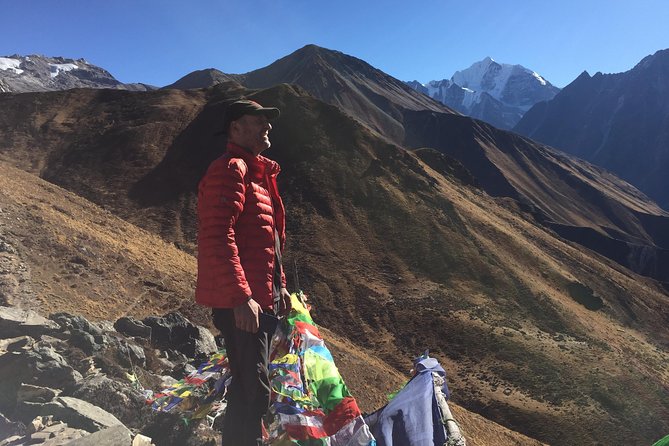
- Small group size (max 12) keeps things friendly on narrow paths and in teahouse dining rooms
- Bus to Syabrubesi from Kathmandu removes the hardest logistics problem before you even start walking
- Kyanjin Gompa is a memorable payoff day, not just a checkbox stop
- Two strong viewpoint options: Kyanjin Ri or Tsergo Ri, depending on how hard you want the day to be
- Teahouse nights with meals included make it easier to budget your trip and focus on hiking
Langtang Valley: Snow Peaks, Forest Paths, and a Monastery Stop
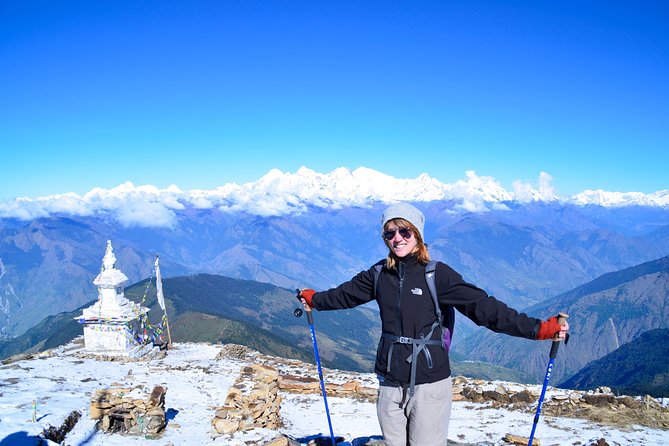
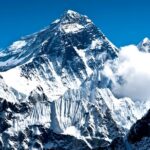
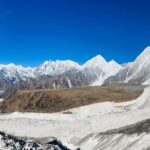
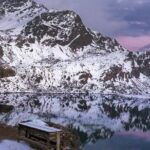
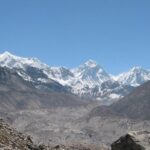
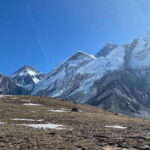
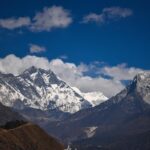
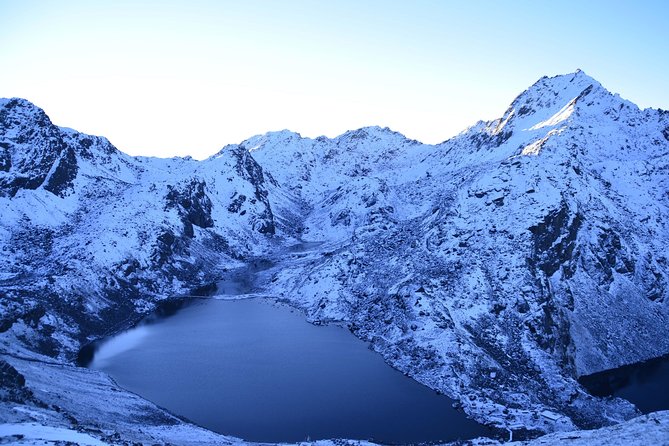
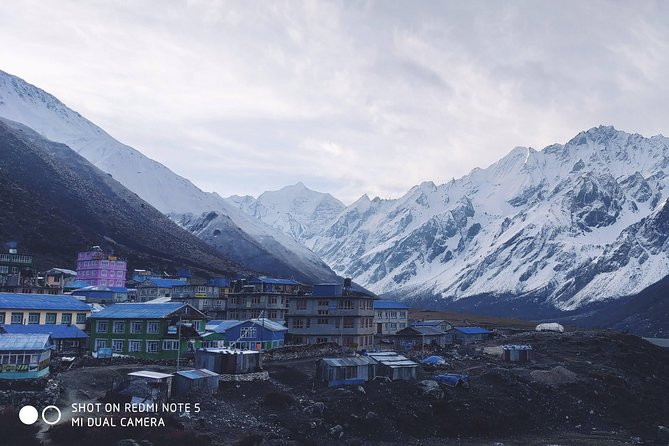
Langtang Valley sits north of Kathmandu near the Tibetan border, hemmed in by big mountains. The dominating peak is Langtang Lirung (7,246m), and on clear days the valley feels like a closed-in bowl of rock, snow, and cloud.
What makes this trek special is the mix of scenery changes that happen without drama. One day you’re moving through riverbank trails and forest tracks. Another day you’re walking farmland and crossing bridges. Then you hit Kyanjin Gompa, a famous monastery area in the Langtang zone. It’s not only pretty. It also gives you a different kind of moment: slower, calmer, and more cultural than the usual “look at view, keep walking” rhythm.
The trail also passes through forests that include rhododendron and temperate trees like oak, maple, and alder. And in this part of Nepal’s national park system, wildlife is part of the atmosphere—wild boar, Himalayan black bears, grey langur monkeys, and the endangered red panda are all associated with the region. I’m not going to promise sightings, but the setting makes you pay attention in a good way.
You can also read our reviews of more tours and experiences in Kathmandu.
Getting to Syabrubesi: The 6:45 Start and the 7-Hour Ride
The tour starts early, with pickup offered and a 6:45 am start time. That’s a practical detail: by the time you get out of the city and onto the road, you want daylight on your side.
Day 1 is a local bus ride from Kathmandu to Syabrubesi, roughly 7 hours depending on traffic. Plan for the usual Nepal-road rhythm—occasional delays, curves, and stops that aren’t designed for tourists’ schedules. The upside is you do get countryside views as you move away from Kathmandu’s traffic and noise.
If you’re the kind of traveler who hates uncertainty, this is where you’ll need to relax. Buses can be bumpy and unpredictable. But they also do a job: they drop you at the trailhead area so you can start trekking the next day.
Trek Days 2–4: Lama Hotel to Langtang Village to Kyanjin Gompa
You begin trekking on Day 2 from the Syabrubesi area, aiming for Lama Hotel at about 2,500 meters. The day is described as easy to moderate, which matters because it’s your launchpad. You’ll handle gentle inclines, well-defined paths, riverbank trails, forest tracks, and even some suspension bridge crossings.
This is the day to get your systems right:
- pace yourself early
- keep an eye on water intake
- don’t treat your first uphill as a race
A lot of altitude problems happen because hikers feel fine at the start, then push too hard too quickly.
Day 3 climbs higher—to Langtang Village at 3,430 meters. Expect a walking day of about 6.5 hours through forest and riverbank trails with gentle inclines and grassy meadow sections. Langtang Village is also where the mountain views start to become more consistent. Mount Langtang Lirung shows up, and the visual contrast between pine forest and open meadows makes the altitude feel like it’s real.
By Day 4 you’re heading toward Kyanjin Gompa, taking around 5 hours at a moderate pace. This is a different kind of day again: farmland, bridges, and gentle ascents, plus views that include Langshisha and Langtang Lirun. Reaching Kyanjin Gompa is the moment where the trek starts to feel like more than hiking. It’s a monastery area—quiet, spiritual, and a place where you can slow down and look around without feeling rushed.
Choosing Your View Day: Kyanjin Ri vs Tsergo Ri
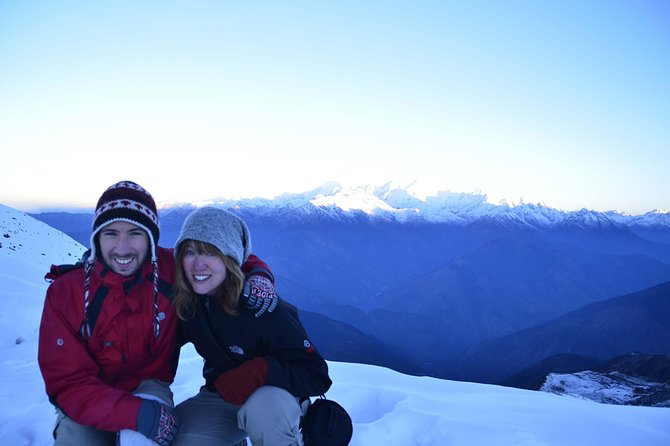
Day 5 is your big flexibility day. You’ll have an option for a day trip depending on how hard you want to work.
- Kyanjin Ri sits at 4,773 meters with about a 3-hour round trip
- Tsergo Ri reaches 4,984 meters and usually takes 7–8 hours round trip
I like that you’re not forced into the long option. If you’re feeling okay and your energy is solid, Tsergo Ri sounds like the bigger challenge and higher payoff. If you’re still adjusting to altitude or just want a strong view without eating your whole day, Kyanjin Ri is a sensible pick.
One smart approach: choose based on how you sleep and how your body feels, not just how brave you think you are. If you’ve got any altitude discomfort, ask your guide to help you choose the safer day. A good guide doesn’t push you toward the summit for bragging rights.
The Return: Lama Hotel and Syabrubesi, with Pine Forest Calm
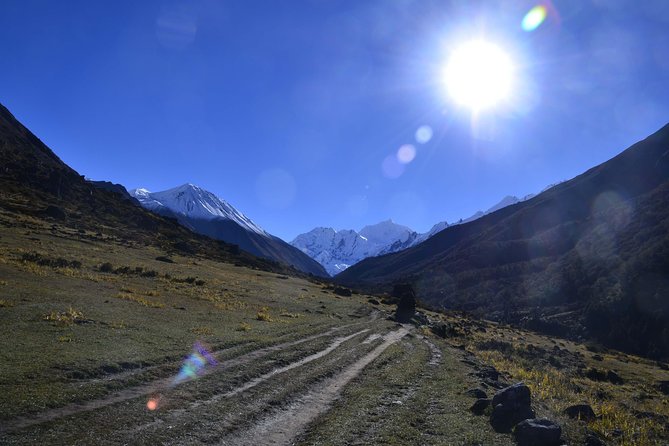
After the monastery day and your viewpoint choices, Day 6 brings you back down to Lama Hotel. It’s about 6 hours retracing your route through riverbank and forest trails.
This is a useful part of the itinerary because it teaches your legs something important: descending is easier than climbing, but it can still beat you up. Your knees need good footing, slow steps, and proper footwear. Even if the route is familiar, stay alert. Trails can look “the same” and still feel different underfoot after a few altitude days.
Day 6 also includes a nice nature angle: sweet-smelling pine forests and giant beehives, plus a chance to keep an eye out for wildlife. Again, you’re not guaranteed sightings, but the route is set up so the forest doesn’t become background noise.
Day 7 is another descent back to Syabrubesi, where you started. Expect gentle descents plus some steeper sections, using well-defined trekking paths. Once you’re there, the trek part ends and the comfort part starts.
Teahouses, Meals, and What You’re Actually Paying For
This isn’t a luxury lodge trek. You’re staying in teahouses, which means simple rooms and basic comforts. That said, the tour includes teahouse accommodation and a large chunk of food: 7 breakfasts, 7 dinners, and 8 lunches.
So your daily costs stay predictable. That matters when you’re budgeting for water and snacks. The big catch: beverages aren’t included. Tea, coffee, and bottled water cost extra. If you’re serious about hydration, it’s worth planning for that spending.
One detail I’d take seriously: some hikers found accommodation quality not amazing, but not surprising for this style of trek. If you’re picky about sleep, consider bringing:
- a lightweight sleep liner
- earplugs (teahouses can get noisy)
- patience with hot-water reality
You also get all fees and taxes included, which usually helps avoid that last-weekend “what is this charge” feeling. Porter support is included too, and that affects value in a big way.
Guides and Porters: The Difference Between a Trip and a Problem
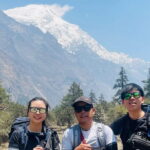
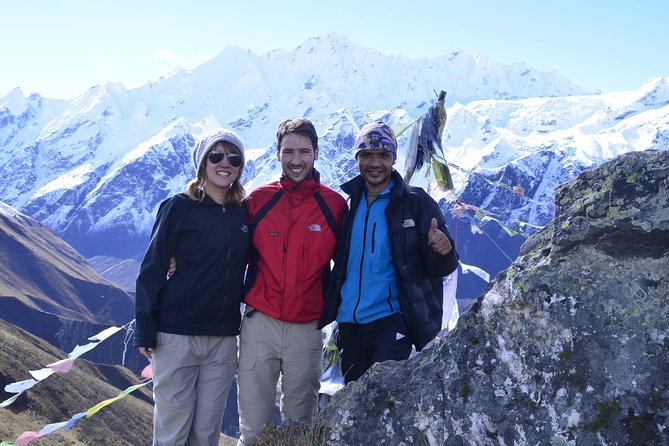
The trek runs with a small team setup, with a maximum of 12 travelers. That size helps in two ways: you get friendly group energy, but you’re not swallowed by a huge herd when paths narrow.
Porters matter a lot here. The plan includes a porter system with one between two participants. That means you may share the porter, depending on group size. Practically, this reduces the load you carry, and it also helps you keep your energy for the walking days that matter.
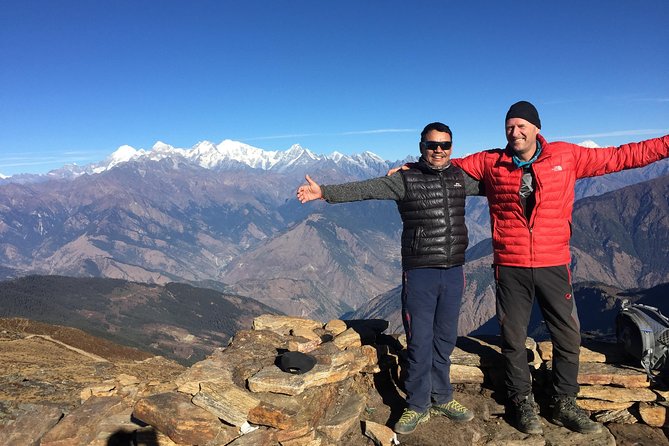
The guide team is a major part of why this trek consistently rates high. I saw names come up repeatedly, including Purna, Ram, Madan, Pralhad, and office coordination by Madhav. What stands out is how responsive and practical the guides sound—especially around pacing.
One story that stuck with me: when altitude sickness affected a 13-year-old, guide Madan stayed with him for hours on some days to support his ascent. That kind of attention tells you the company isn’t treating altitude as an abstract risk. They’re watching for it and acting when needed.
When you’re on Day 3 or Day 4—when the air gets thinner—good guidance isn’t about fancy speeches. It’s about timing your breaks, reading your body language, and knowing when to change the plan.
Price and Logistics: Why $560 Can Be Good Value
At $560 per person, you’re not just paying for a view—you’re paying for a bundle that usually costs more if you plan it yourself. Included items cover:
- bus to and from Syabrubesi
- teahouse accommodation
- most meals (breakfast, lunch, dinner)
- all fees and taxes
- porter support (shared between two participants)
- pickup offered and a mobile ticket
What you don’t get is beverages and tipping. That’s normal. But it means you should budget some extra cash for tea/coffee and bottled water.
So is it worth it? For me, the value comes from how much is handled for you. Trekking in Nepal is easiest when the big moving pieces—transport, fees, where you sleep, and meal planning—are in place. Then you can focus on the real work: walking, hydration, and acclimatizing.
If you’re considering a cheaper option that cuts meals or doesn’t include fees, do the math. Once you add food, transport, and the cost of sorting logistics, the price gap can shrink fast.
Who Should Book This Trek (and Who Might Think Twice)
This trek fits best if you have moderate physical fitness. The itinerary includes long days of walking and at least one high-altitude viewpoint option. You should be comfortable with uneven terrain and willing to walk for hours even when you’re tired.
It’s also a good fit if you want:
- a small-group experience
- a classic Langtang route that reaches Kyanjin Gompa
- a structured plan with meals and lodging handled
I’d think twice if you want a mostly flat vacation. This isn’t that. You’ll spend significant time uphill and downhill, and you’ll feel altitude in the higher sections.
It also helps if you like people. With guides and a shared team setup, your experience is influenced by group pacing. In a group of up to 12, the vibe can be friendly and encouraging, especially when everyone’s dealing with the same stretch of road to the next village.
Should You Book Mosaic Adventure for Langtang Valley?
If you want Langtang Valley without turning your vacation into a logistics project, I think this is a solid booking. The combination of bus access from Kathmandu, included teahouse accommodation, most meals, and porter support makes it easier to stay focused on trekking.
Also, the guide network looks strong. Names like Purna, Ram, Madan, and Pralhad show up in a way that suggests consistent staff, and the altitude-support story is exactly the kind of detail that matters when you’re far from hospitals and cell service.
The only reason I’d hesitate is if you know teahouse-style lodging bothers you more than it should. If you can handle simple rooms and variable comfort, you’ll probably find this trek worth the effort.
FAQ
What time does the trek start?
The start time is listed as 6:45 am.
Where do you travel by bus during the trek?
You ride a local bus from Kathmandu to Syabrubesi, and then you ride the bus back to Kathmandu after the trek ends.
How long does the trek take?
The duration is listed as 8 days (approx.).
What’s the group size like?
This activity has a maximum of 12 travelers.
Are meals and accommodation included?
Yes. It includes teahouse accommodation plus 7 breakfasts, 8 lunches, and 7 dinners. Beverages like tea/coffee and bottled water are not included.
Can I cancel for a refund?
You can cancel up to 6 days in advance for a full refund, with a 50% refund if you cancel 2–6 days before the experience start time. If you cancel less than 2 days before, the amount paid is not refunded.