REVIEW · LUANG PRABANG
Luang Prabang Thin Pha Trail & Tad Sae Falls Trek
Book on GetYourGuide →Operated by Tiger Trail Travel Laos · Bookable on GetYourGuide
A river boat and jungle trail in one day. On this Luang Prabang Thin Pha Trail outing, I like how the day stacks together: a Nam Khan River boat transfer, a 12 km hike through rice paddies and limestone hills, then village visits and a stop at Tad Sae Falls. You’ll meet people from Ban Houay Fai (Khmu) and Ban Thin Pha (Hmong), and your licensed English guide keeps the route understandable, with one standout note from past groups about a guide named Linh being attentive and communicative.
The big consideration is seasonality. Tad Sae Falls can be very low or even dry from February to July, and the waterfall stop may be omitted, so plan this as a nature-and-villages trek first, waterfall second. Also, the hike involves real elevation (about 300–900 m), it runs rain or shine, and you can’t bring luggage or large bags.
In This Review
- Key highlights on the Thin Pha Trail and Tad Sae route
- Getting out of Luang Prabang fast: camp transfer and the first boat crossing
- The 12 km hike: paddies, limestone hills, and 300–900 m elevation work
- Ban Houay Fai (Khmu) village stop: customs, day-to-day life, and real questions
- Ban Thin Pha (Hmong) lunch: why the mid-day meal hits differently
- Back on the trail: flora, fauna, and how your guide keeps it meaningful
- Tad Sae Falls: swim time when water levels allow it
- Ban Houay Yen finish: a calmer send-off on the Nam Khan
- Price and value: what $95 buys you in time, guide work, and local fees
- Group size and privacy: what changes when you go private
- Practical tips that make the day easier
- Who should book the Luang Prabang Thin Pha Trail trek?
- Should you book it?
- FAQ
- Where do I meet, and when does the tour depart?
- How long is the tour, and how much of it is walking?
- What village areas are included on the trek?
- Is Tad Sae Waterfall always part of the itinerary?
- How do you travel between the start point, villages, and finish?
- Is lunch included, and are drinks provided?
- Can I choose between small group and private?
- Can I bring luggage or large bags?
Key highlights on the Thin Pha Trail and Tad Sae route
- Nam Khan River transfers: boat across to the trailhead, then boat back along the river
- Two village worlds: Khmu at Ban Houay Fai and Hmong at Ban Thin Pha (plus a finish at Ban Houay Yen)
- A 12 km working-day hike: 4–5 hours walking through farmland and forest
- Waterfall time depends on water levels: Tad Sae is great when there’s flow
- Lunch is included: you eat during the trekking day at the Hmong village stop
- You pay a village fund fee: part of your cost supports the communities you visit
Getting out of Luang Prabang fast: camp transfer and the first boat crossing
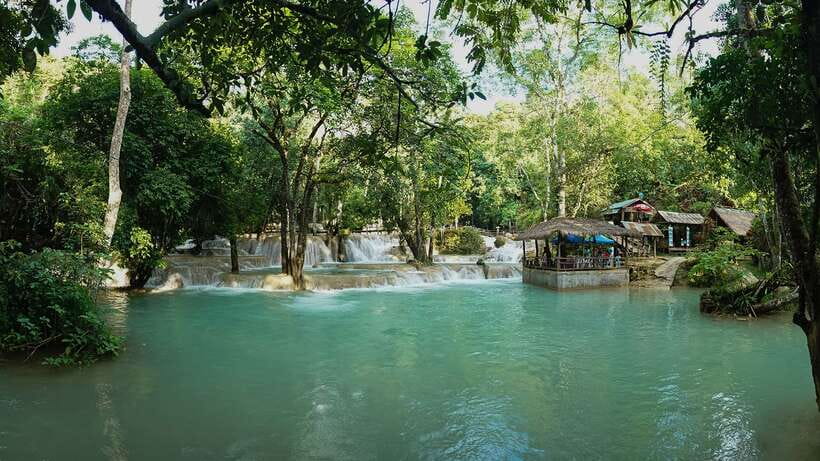
The day starts early from central Luang Prabang. If pickup is optional for your booking, you’ll wait in your hotel lobby area ahead of time, then head about 25 minutes out of town to the adventure camp. That short ride matters: you’re not burning your morning on transport, and you get to your start point with enough energy to hike.
Before you walk, you cross the Nam Khan River by boat to reach the trailhead. This isn’t just logistics—it sets the tone. You’re moving through the same waterways that shape daily life around Luang Prabang, and the river gives you that first taste of the region’s rhythm before you climb into the hills.
You can also read our reviews of more tours and experiences in Luang Prabang.
The 12 km hike: paddies, limestone hills, and 300–900 m elevation work
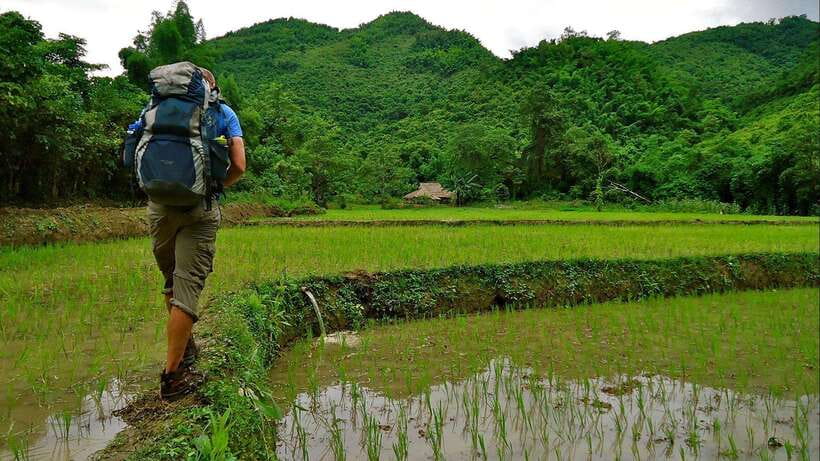
You’re looking at about 12 km (roughly 7.5 miles) total trekking, usually 4–5 hours of walking time during an overall 8-hour day. Elevation runs roughly from 300 to 900 meters (about 984–2,953 feet). Translation: it’s not an easy stroll, and it’s not a steep mountaineering day either. You’ll feel it, especially if you’re not used to heat, uneven paths, and shifting between forest edges and open farmland.
The route mixes a few different environments:
- rice paddies and countryside walking early on
- middle-canopy and deciduous forest sections as you gain and lose elevation
- ridges, limestone grottos, and rocky slopes along parts of the trail
- farmland weaving at intervals, so you can see how people live and grow food around the hills
One of the best parts is how the walk stays varied. You’re not repeating the same kind of trail for hours, and the guide can help you “read” the scenery as you pass it—what’s planted, what grows in the shade, what animals or birds you might notice, and why certain paths make sense in this terrain.
Tip for comfort: wear real walking shoes. The route includes rocky and uneven sections, and rain or shine means footing can change fast.
Ban Houay Fai (Khmu) village stop: customs, day-to-day life, and real questions
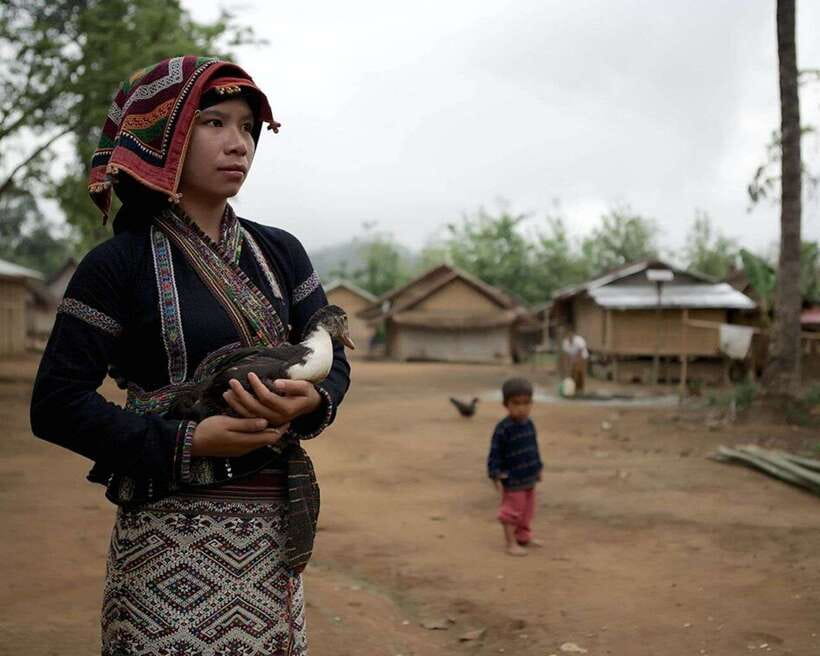
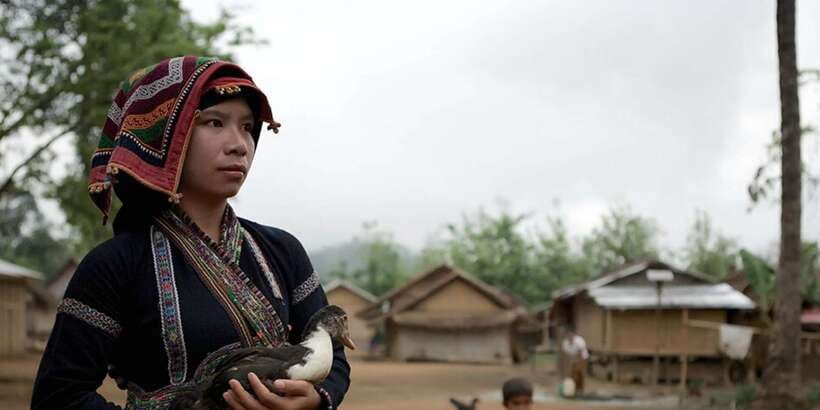
Your first village stop is Ban Houay Fai, a Khmu community. This is the moment where the trek stops being only scenic and becomes personal. Your guide introduces local customs and explains how people organize daily life in the foothills.
What I like about this kind of village stop is that it’s not framed like a museum. You can ask questions and use the guide as a bridge—why certain practices exist, how traditions are carried through generations, and how families relate to the surrounding land. If you like cultural conversation more than watching performances, this first village is a good match.
A practical note: village time can vary. Expect you’ll spend enough time to talk, look around, and orient yourself before continuing up and down toward the next main stop.
Ban Thin Pha (Hmong) lunch: why the mid-day meal hits differently
Lunch happens at Ban Thin Pha, the Hmong village that gives the trail its name. Having lunch during the trek—not back at camp—changes the feel of the day. You’re eating as part of the landscape you just walked through, and you’re staying connected to the communities you’re visiting.
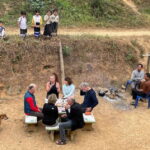
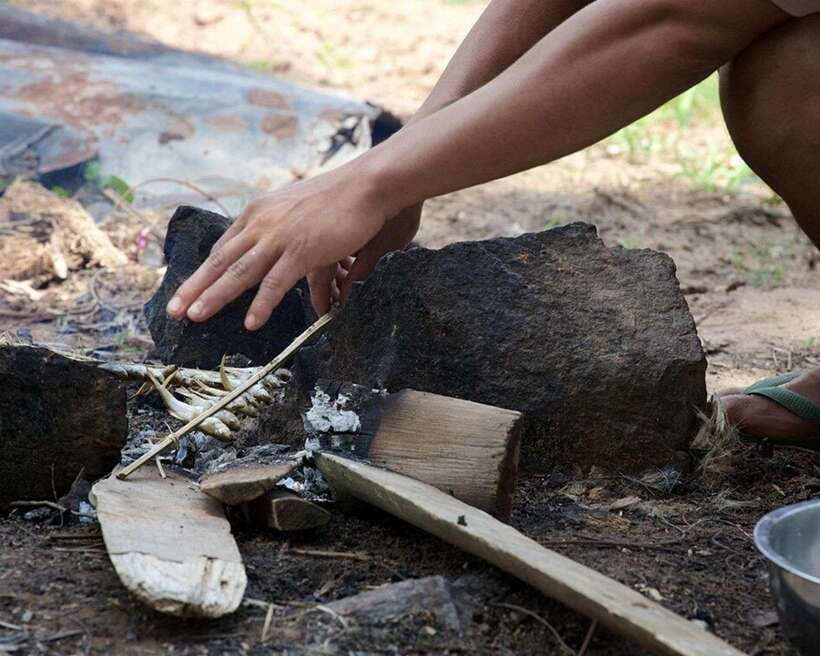
The lunch setup can be simple. Past visitors have described picnic-style eating, sometimes outdoors, and in one case on banana leaves prepared by an elderly woman. That kind of detail is common with village meals here: informal, hands-on, and centered on hospitality rather than restaurant presentation.
One caution: food preferences don’t always get handled smoothly unless you speak up ahead of time. If you have dietary restrictions, it’s worth contacting the operator or noting it during booking so you’re not dealing with surprises at lunch.
Back on the trail: flora, fauna, and how your guide keeps it meaningful
As you continue, the hike turns into a steady thread through limestone and forest edges. You’ll move between ridges and rocky slopes, with plenty of chances for your guide to point out what’s happening around you.
Even if you’re not a hardcore nature person, this part matters because it turns walking into noticing. The trail passes through both mountain and valley areas, so you may see different plants in shade versus sunlight, and you might spot signs of animals even when you don’t see the animals themselves.
This is also the stretch where questions do the most good. When you stop to look and listen, ask about what you’re seeing—local beliefs, farming realities, and how people interpret their environment. That turns the hike into something you actually remember, not just a set of photos.

Tad Sae Falls: swim time when water levels allow it
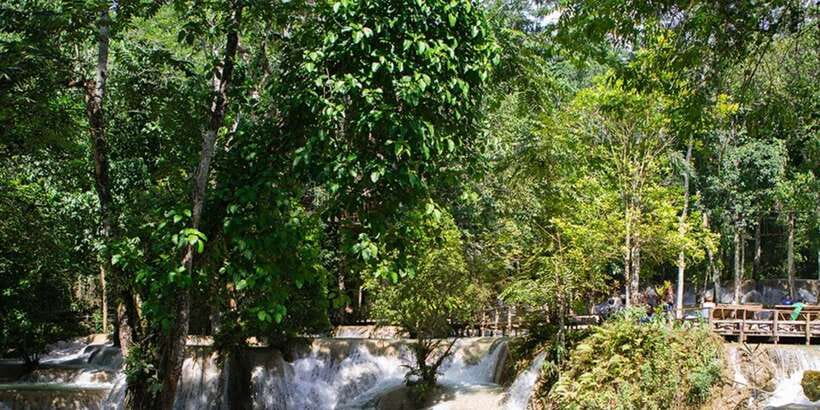
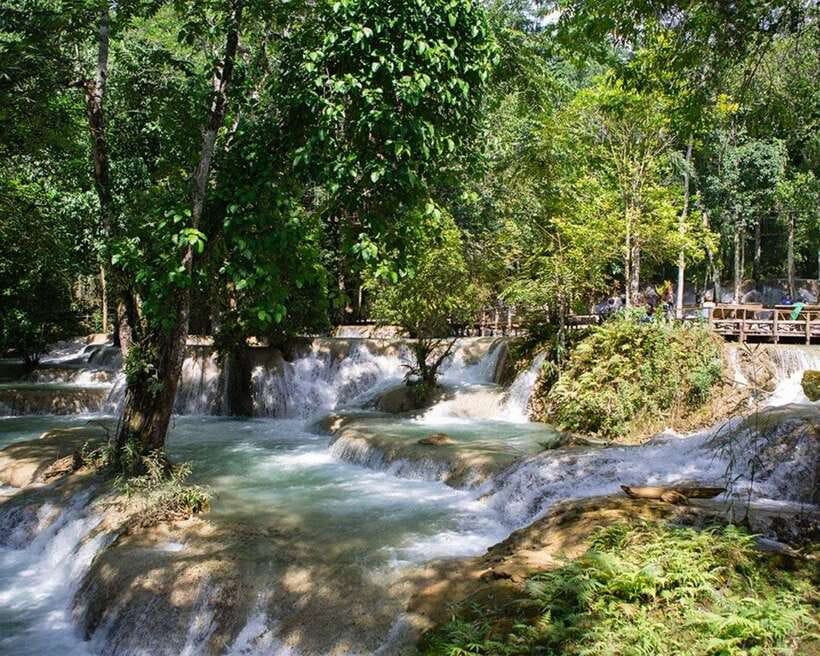
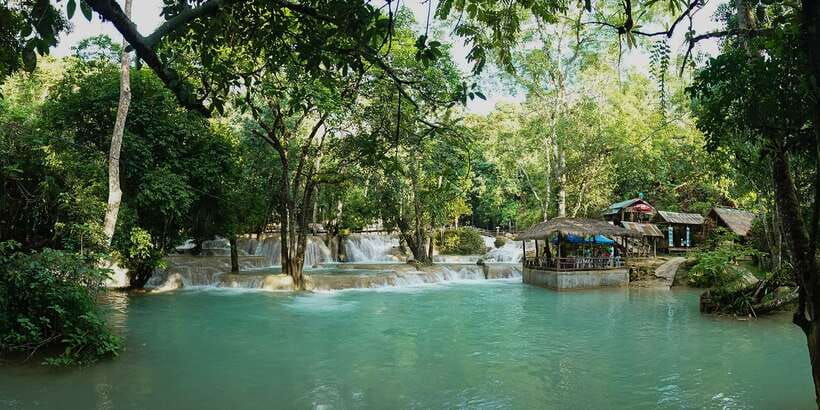
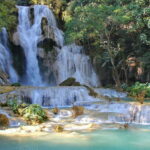
After the village portion, the day shifts from walking to water. You’ll finish at Ban Houay Yen, a riverside village, where a boat waits to take you along the Nam Khan River. There’s usually a stop at Tad Sae Waterfall during this boat segment, giving you a more relaxing approach than walking directly to the falls.
If conditions are right, Tad Sae is the highlight stop for cooling off. The tour description includes swimming and exploring the waterfall, but here’s the key planning truth: from February to July, Tad Sae Falls can be very low or dry, and the stop may be omitted. So go in with the mindset that the falls are seasonal—beautiful when they have water, but not guaranteed year-round.
If you plan to enter the water, bring a towel in your day bag. Towel support isn’t provided, so you’ll want to be practical here.
Also, assume the experience can feel busy at times. If the falls are working at full or near-full flow during high-demand periods, expect more people around the water.
Ban Houay Yen finish: a calmer send-off on the Nam Khan
Ban Houay Yen is where the trek ends and the river ride begins. This wrap-up is nice because it gives your legs a break right when they start to feel the morning’s elevation work.
The boat ride down the Nam Khan isn’t just transportation. It’s your slow view of the area you’ve been walking across—paddies, hillsides, and river edges sliding by at a human pace. You also get one last checkpoint moment: look for how the terrain changes as you move from village areas back toward Luang Prabang.
Then you return by boat and vehicle to Luang Prabang.
Price and value: what $95 buys you in time, guide work, and local fees
At $95 per person for an 8-hour day, you’re paying for more than walking. Here’s where the value comes from:
- Licensed English-speaking guide: this is big for village stops and for turning “passing scenery” into understanding
- Village fund fee and local permissions: you’re not just visiting; you’re contributing funds tied to the communities you meet
- Lunch included: midday meal during the trek means fewer extra stops and easier budgeting
- Boats included: motorboat segments for crossing and return aren’t cheap, and they add to the experience
Drinks aren’t included beyond drinking water. So if you tend to buy extra beverages during tours, budget for that separately.
Is $95 a steal? If you compare it to a self-guided walk or a basic transport-only day, no. But if you add up a guide-led trek + village access + boat transfers + lunch + local fees, it becomes a reasonable price for a structured half-day that feels genuinely tied to place.
Group size and privacy: what changes when you go private
You can take this tour as a public small group or as a private group. Private usually means more flexibility and less time spent waiting. In the guide-and-village setting, that difference can matter because you can ask questions at your own pace.
Based on past feedback, the guide component is often the reason people feel the tour is worth it. When your group stays small, your guide can tailor explanations and keep things moving without turning it into a factory schedule.
Practical tips that make the day easier
This trek is straightforward, but it rewards smart packing.
Bring
- comfortable walking shoes
- a day bag with essentials
- a towel if you might enter the waterfall
- drinking water is provided, but you can carry extra if you like
Leave
- luggage or large bags at home. The tour explicitly doesn’t allow them.
Plan for reality
- It runs rain or shine, so your shoes and socks matter if the ground is wet.
- You’ll deal with heat and uneven footing more than technical climbing.
Boat comfort
- If you’re prone to seasickness, skip this one. The tour includes motorboat segments, and your body should be on board with that.
Who should book the Luang Prabang Thin Pha Trail trek?
Book it if you want:
- a guided hike that mixes forest walking with farmland scenery
- genuine village interactions with Khmu and Hmong communities
- a day that includes both Nam Khan River boat rides and a waterfall stop when water levels cooperate
Consider skipping if:
- you have mobility limitations and need a low-impact route
- you’re sensitive to boat motion
- you’re traveling with lots of luggage (the tour doesn’t take large bags)
Also, if Tad Sae Falls is your only goal, remember the seasonal water levels. In low-water months (February to July), your experience may be more about the trail and villages than the water spectacle.
Should you book it?
I think this is a strong Luang Prabang day trip when you value route variety and real guide-led context. The mix of village stops, a proper mid-day lunch, and the Nam Khan River boat segments gives you more than a generic trek.
If your travel window is in the low-water season, go anyway—but adjust your expectations about swimming at Tad Sae. If you’re flexible on the waterfall and focus on the walking, the villages, and the guide conversation, you’ll get a full day that feels tied to how people actually live in these hills.
FAQ
Where do I meet, and when does the tour depart?
Meet at the Tiger Trail office. You’ll meet at 8.20am for an 8.45 departure.
How long is the tour, and how much of it is walking?
The full tour lasts about 8 hours. The trekking portion takes about 4–5 hours, with a total trekking distance of roughly 12 km (about 7.5 miles).
What village areas are included on the trek?
You visit Ban Houay Fai (Khmu), then hike on to Ban Thin Pha (Hmong) for lunch, and finish in the riverside village Ban Houay Yen.
Is Tad Sae Waterfall always part of the itinerary?
No. From February to July, Tad Sae Falls can be very low or dry, and the stop may be omitted. The tour description says the itinerary stays the same otherwise.
How do you travel between the start point, villages, and finish?
You cross to the trailhead by boat, and at the end there’s a boat ride down the Nam Khan River with a stop at Tad Sae Waterfall when conditions allow it. You then return to Luang Prabang by boat and vehicle.
Is lunch included, and are drinks provided?
Lunch is included. Drinking water is provided, but additional drinks are not included.
Can I choose between small group and private?
Yes. You can book either a public small group or a private group.
Can I bring luggage or large bags?
No. The tour does not allow luggage or large bags.