REVIEW · LUANG PRABANG
Luang Prabang: Mountain Trek & Local Villages Overnight Tour
Book on GetYourGuide →Operated by Tiger Trail Travel Laos · Bookable on GetYourGuide
The mountains run the show here. This Luang Prabang trek pairs Nam Khan river moments with jungle trails and an overnight family homestay, so it feels like you’re walking through real life, not just ticking boxes. You hike, you ride boats, and you finish with a chance to cool off at Tad Sae.
I love the Longhut and Thin Pha hiking day—the mix of steep jungle sections, rocky canyons, and big views back toward Luang Prabang and the Mekong. I also really like the Khmu homestay night in the mountains, with a proper family-style meal and time to talk with your guide and hosts.
One consideration: Tad Sae Waterfalls can be low or even dry from February to July, and the stop may get skipped. It’s not a dealbreaker, but it affects how much swimming you can do.
In This Review
- Key points to know before you go
- Day 1: Longhut and Thin Pha trails, river boat crossing, and a Khmu homestay night
- Day 2: Rice fields to Ban Tin Pha views, then Ban Houay Yen and Tad Sae
- Homestay basics: how to make the night feel respectful and easy
- How hard is the trek really? (And what to pack for wet jungle days)
- Guides in English and the difference small details make
- Price and value: is $200 fair for two days with meals, boats, and community support?
- Logistics: meeting point timing and the no-big-bags rule
- Who should book this trek (and who should skip it)
- Should you book Luang Prabang Mountain Trek & Local Villages Overnight?
- FAQ
- What time does the tour start, and where do I meet?
- How long are the hikes on each day?
- Is Tad Sae Waterfalls guaranteed?
- What meals are included?
- Do I need swimwear and a towel?
- Can I bring luggage or a large bag?
Key points to know before you go
- Longhut and Thin Pha trails: a full-day 13 km hike with jungle, canyons, and mountain views
- Khmu village homestay: sleep in a small family’s home and eat what the household serves
- Rice fields and village treks on Day 2: a shorter, calmer second walking day before the river
- Nam Khan boat rides: practical transport that also makes the day feel like part of the scenery
- Tad Sae swim time depends on water level: bring swimwear, but know nature is in charge
- Village fund contributions included: your tour payment supports community efforts
Day 1: Longhut and Thin Pha trails, river boat crossing, and a Khmu homestay night
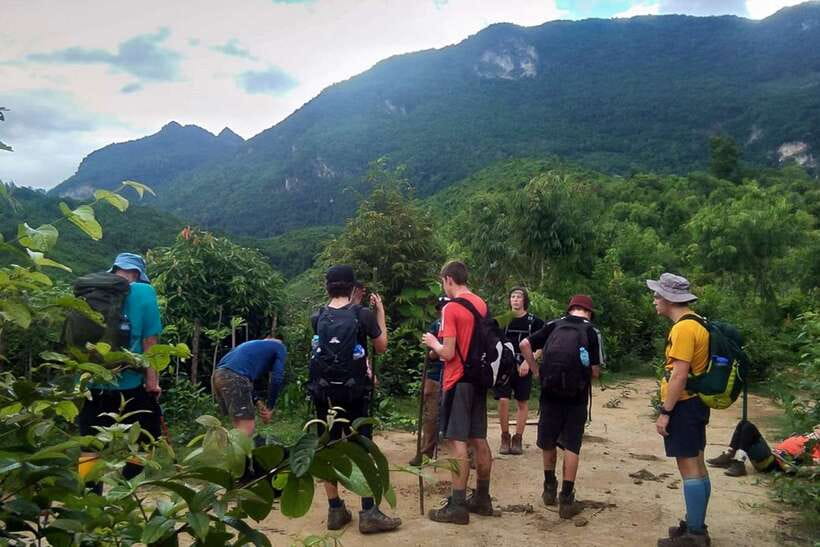
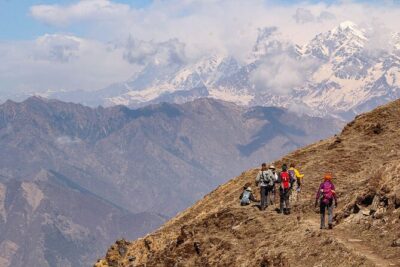
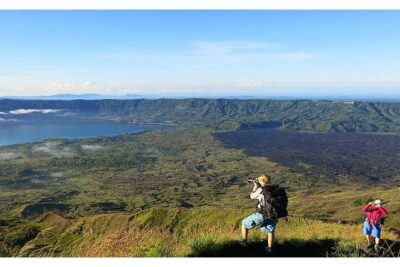
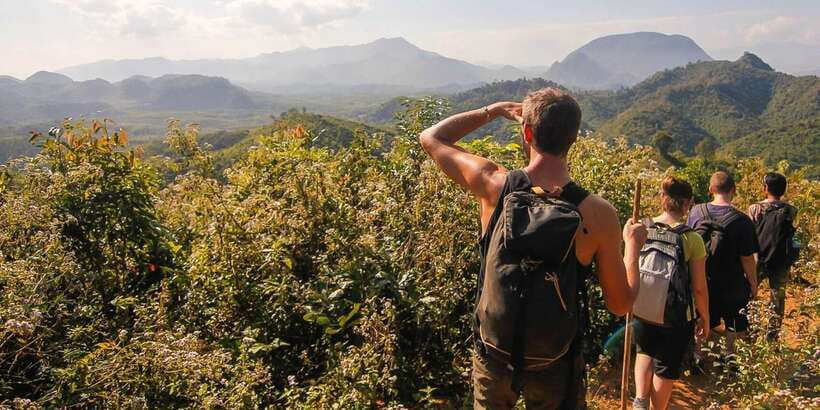
This tour’s first day is all about contrast. You start with hotel pickup around 8:00 AM, then head out toward the Longhut trail, one of the more spectacular routes in the area. Expect steep, jungle-covered mountain hiking on one side, and expansive views over Luang Prabang and the Mekong River on the other.
The rhythm starts with a Nam Khan River boat crossing. It’s quick, but it helps set the tone: this isn’t just walking from point A to point B. Once you begin the ascent, you’ll feel it in your legs. The trek runs about 13 km for the full day. Most days take around 6 hours with breaks; when conditions are wet, it can stretch to 7–8 hours, so shoes matter.
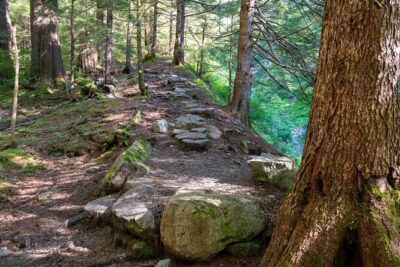
The trail includes sections through canyons and past remote villages and small lakes. That’s the part that makes it feel like real travel: you’re moving at a human pace through places locals know well, instead of watching them from a road. If rain has been around, the ground can get slick, so take your time on uneven patches.
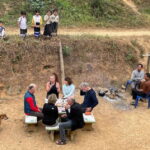
In the evening you reach a Khmu village and settle into an authentic family homestay. This is the centerpiece night. You’ll get a meal prepared by your guide, then you can explore the village with them—chatting, sharing a drink, and generally taking in the mountain-night atmosphere.
Practical tip: the homestay experience is meant to be simple and close to daily life. One past guest specifically warned about the early rooster sounds and suggested bringing earplugs (and even tissues, since they weren’t available). That’s the kind of detail that can make or break your comfort, so pack accordingly even if you think you won’t need it.
You can also read our reviews of more tours and experiences in Luang Prabang.
Day 2: Rice fields to Ban Tin Pha views, then Ban Houay Yen and Tad Sae
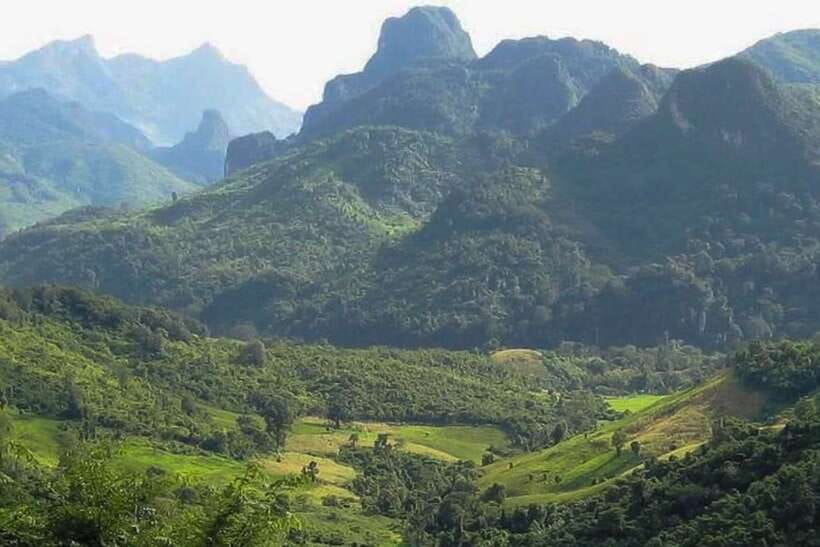
Day 2 starts more gently, but it still keeps you moving. After breakfast, you’ll go on a 1.5 to 2-hour trek through rice fields and forest. This is the kind of walking that lets you slow down and look around—watch for changes in light, and notice how the trail threads through everyday scenery people live with all year.
Then you climb toward Ban Tin Pha, a Hmong village on a hillside. The reward is a panoramic view of the surrounding mountains. It’s a good moment to pause, catch your breath, and take a few photos without rushing—especially if the first day left you a bit tired.
After that, you trek back downhill toward the river village Ban Houay Yen. This segment leads into the relaxing part of the day: you board a local boat for a scenic ride on the Nam Khan to Tad Sae Waterfalls.
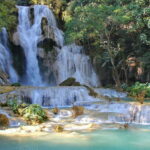
Lunch happens either at the village before the boat ride or at the waterfall, depending on preferences. Once you arrive, you have time to cool off. When there’s enough water, you can swim in the pools at the base of the falls or relax in the shade.
The key thing to keep in mind is water level. From February to July, Tad Sae can be low or dry. If that happens, the waterfall stop may be skipped, and the swimming plan goes out the window. Still, you’ll keep moving through the route—so it helps to treat Tad Sae as a bonus, not a guarantee.
At the end, you take a local boat to a camp and then drive back to town. It’s an efficient finish that keeps you off long, slow roads after two days of walking.
Homestay basics: how to make the night feel respectful and easy
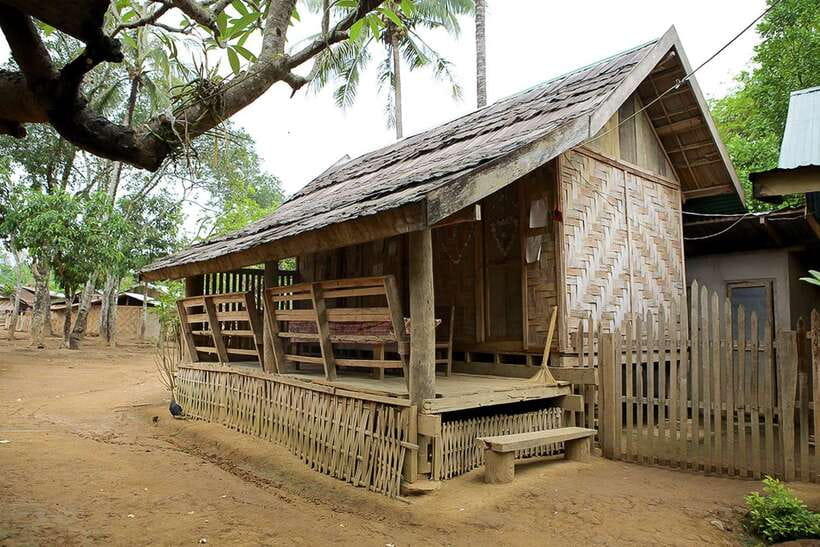
A family homestay is the part of this tour that makes it feel human. You’re sleeping in a small household in the mountains, and your evening includes time to look around with your guide. That means you’ll want to be ready for a few realities of rural lodging: simpler facilities, basic living rhythms, and a home that isn’t set up like a hotel.
Here’s what you can do to keep it smooth:
- Bring what you might need for comfort. A previous guest noted no tissues on site, so pack some extras if you like to be prepared.
- Keep noise and mess to a minimum. You’re visiting, not taking over.
- Be ready for an early wake-up. Village mornings can start with animals before the sun is fully up.
Also, if you have dietary restrictions, don’t wait until you arrive. One guest shared that a restricted diet email wasn’t on file until they spoke directly with the office, and the issue was fixed once it was caught. So if food matters to you, confirm it before the trek starts and bring it up again when you meet your guide.
Even with those practical points, the homestay itself is what makes this tour worth seeking out. You’re not just hiking past villages—you’re sleeping inside one.
How hard is the trek really? (And what to pack for wet jungle days)
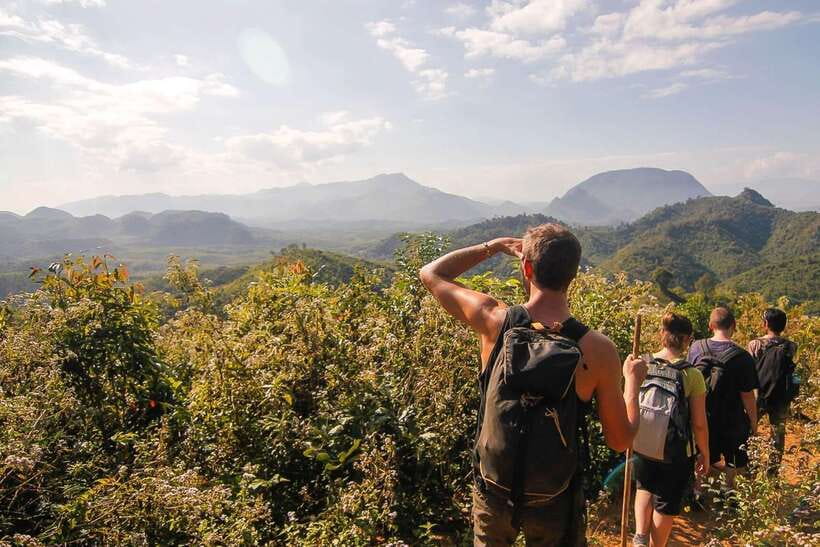
Your success here comes down to footwear, weather flexibility, and realistic expectations.
Day 1 is the tougher day. It’s the 13 km trek with steep mountain hiking and canyon sections. On dry days it’s often around 6 hours, but in wet conditions it can climb to 7–8 hours. That extra time can feel like a lot, so plan your energy for a long, physical day.
Day 2 is shorter on paper, but it still includes a hillside climb to Ban Tin Pha. The trail mix—rice fields, forest, then steep uphill—means you’ll still be working your legs.
Packing is straightforward, and the tour has a simple rule: no luggage or large bags. You’ll do best with a small daypack. Bring:
- Comfortable shoes with grip (you’ll be on uneven ground)
- Swimwear and a towel (if Tad Sae has enough water)
- Anything personal you might need at the homestay (like tissues and earplugs)
One more detail: this tour runs rain or shine. If you’re the type who hates wet weather, this might be frustrating. If you can handle damp trails with proper shoes, you’ll probably love it.
Finally, there’s a health note that matters. The route uses boats, and the tour is not suitable for people prone to seasickness or those with mobility impairments. If either applies to you, it’s worth choosing a different style of tour.
Guides in English and the difference small details make
This tour is guided in English, and the guide experience can make or break a trek. Multiple guests praised the way their guides explained what they were seeing and answered questions on the move. One guest even highlighted that their guide had great English and shared lots of stories and anecdotes.
You may meet different guides depending on the departure. Past tours included guides named Chai, Arun, Chan, and Oun—and the common thread was friendly, clear communication and good explanations of village life and the trails.
That matters because on a trek, the scenery is only half the story. When your guide helps you notice practical details—how paths connect villages, what you’re walking past, and how daily life works—it turns a hard hike into something you remember.
Price and value: is $200 fair for two days with meals, boats, and community support?
At $200 per person for 2 days, the value depends on what you want to get out of Luang Prabang.
This price is not just “transport and a hike.” It includes:
- a 2-day guided tour with an English-speaking guide
- hotel pickup and drop-off
- entrance fees
- meals: lunch on Day 1 and Day 2, breakfast on Day 2, and dinner on Day 1
- air-conditioned vehicle transportation for the non-walking sections
- local river boat services
- homestay fees
- village fund contributions
- accident insurance
Then there are the things not included: additional drinks and snacks. That’s normal, but it’s one reason to budget a little for water and extra calories.
In plain terms, you’re paying for the experience that’s hardest to self-arrange safely: trained guiding, meals, homestay coordination, and route logistics that include boats. Add in the village fund contribution, and you’re also supporting the community beyond a quick sightseeing stop.
If you want a taste of authentic mountain travel without handling local coordination yourself, $200 can feel like a fair trade.
Logistics: meeting point timing and the no-big-bags rule
Meet at the Tiger Trail Travel office on the same street as Villa Maly hotel. The schedule details you’ll want to follow:
- Meet at 8:20 AM for an 8:45 AM departure
- Hotel pickup is listed as starting around 8:00 AM for the tour
Because of that, it’s smart to confirm with the office the day before so you’re not second-guessing whether you should wait at the hotel or head to the office. Bring a small pack only—no luggage or large bags—because you’ll be hiking and moving through village areas.
Also, don’t plan a delicate day right after. You’re doing a full hiking day plus a second day with another trek and boats. You’ll likely want a relaxed evening back in town.
Who should book this trek (and who should skip it)
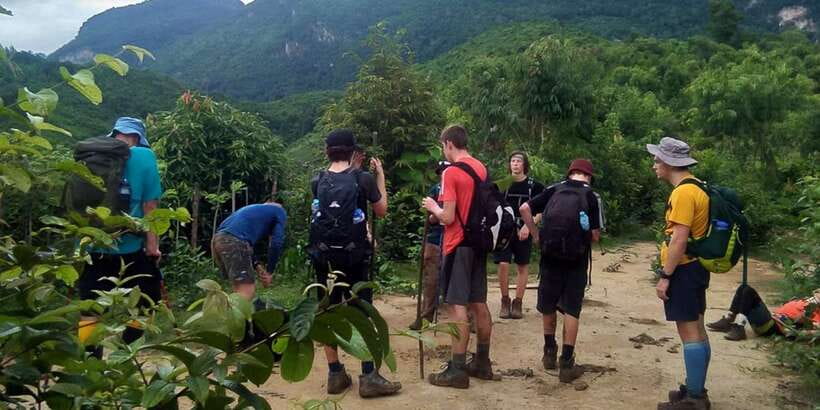
This tour is a strong match if you:
- want a real rural homestay experience, not just a day visit
- enjoy hiking with genuine trail time rather than short walks
- like the rhythm of walking + boating + village moments
- care about supporting communities through village fund contributions
It’s not a great match if you:
- have mobility limitations (the terrain and walking involved won’t work well)
- get motion sick easily due to boat rides
- want a fully guaranteed waterfall swim (Tad Sae can be low or dry in certain months)
If you’re unsure about your fitness, remember that Day 1 is the big challenge. If you can handle a long hike with uneven ground, you’re in the right zone.
Should you book Luang Prabang Mountain Trek & Local Villages Overnight?
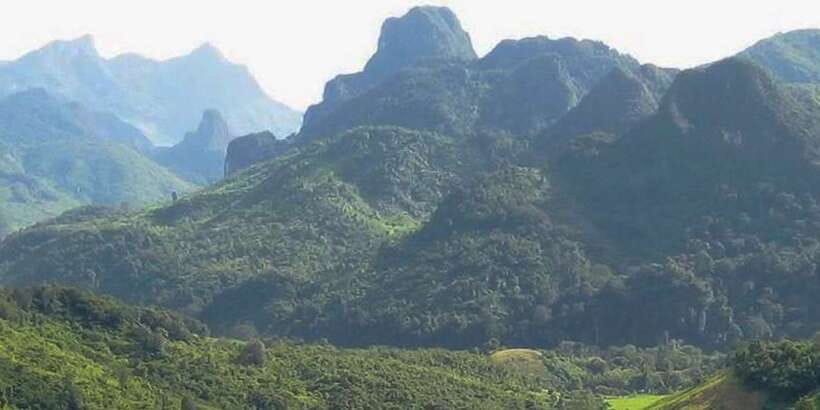
Book it if you want Luang Prabang at a walking pace. The reason this tour works is the mix: Longhut and Thin Pha on Day 1, a true family homestay night, and then Day 2’s rice fields, Ban Tin Pha views, and a river ride to Tad Sae.
Skip it (or choose a different style) if you need everything to be comfortable and predictable, or if waterfall swimming is your main reason for going during low-water months.
If you do book, prep smart: bring earplugs, expect rain or shine, keep your pack small, and confirm any dietary needs ahead of time. Do that, and this becomes the kind of trek you’ll remember for the people and the pace, not just the photos.
FAQ
What time does the tour start, and where do I meet?
You’ll either use hotel pickup that starts around 8:00 AM, or meet at the Tiger Trail Travel office (on the same street as Villa Maly hotel) at 8:20 AM for an 8:45 AM departure.
How long are the hikes on each day?
Day 1 includes a full-day hike of about 13 km, typically around 6 hours with breaks (7–8 hours if conditions are wet). Day 2 includes a 1.5 to 2-hour trek through rice fields and forest, plus additional hillside walking.
Is Tad Sae Waterfalls guaranteed?
No. Tad Sae can be low or even dry from February to July and may be skipped if there isn’t enough water.
What meals are included?
Lunch is included on Day 1 and Day 2. Breakfast is included on Day 2, and dinner is included on Day 1.
Do I need swimwear and a towel?
Bring swimwear and a towel. If Tad Sae has enough water, you can swim in the pools at the base of the falls.
Can I bring luggage or a large bag?
No. The tour does not allow luggage or large bags. Plan to carry only what you need in a small daypack.