REVIEW · LUANG PRABANG
From Luang Prabang: Thin Pha Trail & Tad Sae Falls Trek
Book on GetYourGuide →Operated by Tiger Trail Travel Laos · Bookable on GetYourGuide
Jungle trail days beat bus-stops every time. This Luang Prabang outing mixes a Thin Pha Trail hike through rice paddies and forest ridges with real village encounters, then ends with a scenic ride on the Nam Khan River and a chance to enjoy Tad Sae Waterfall in wet season. I especially love the way the route feels like it runs alongside everyday life, not like a checklist. I also like that the day includes more than just walking, with lunch and a boat stretch that gives your legs a breather. One consideration: you’re covering about 12 km with meaningful elevation, so it is not a light stroll.
You’ll start with a short transfer out of town, cross the river by boat, and get guided support the whole way. The itinerary threads through hill tribe villages such as Khmu Ban Houay Fai and Hmong Ban Thin Pha, then finishes at Ban Houay Yen before the river ride. If you’re the type who asks questions and enjoys small moments, this tour delivers. Still, it’s not ideal if you’re prone to seasickness since there is a boat portion.
In This Review
- Key Things I’d Tell a Friend Before You Book
- A Jungle Hike That Feels Like a Local Commute
- The Day’s Backbone: Pickup, Camp Transfer, and the River Crossing
- Stop at Ban Houay Fai: Khmu Village Life in Plain Sight
- The Trek to Ban Thin Pha: Limestone Hills, Grottos, and Lunch
- The Midday Stretch: Ask, Look, Listen
- End at Ban Houay Yen: The Village Finish Line
- Nam Khan Boat Ride and the Tad Sae Waterfall Stop
- What You Actually Get for $95: Value Beyond the Hike
- Group Size and Pace: Public Small Group or Private Day
- Practical Tips That Make or Break the Day
- Who This Tour Fits Best (and Who Should Skip It)
- Should You Book the Thin Pha Trail & Tad Sae Trek?
- FAQ
- FAQ
- How long is the Thin Pha Trail & Tad Sae Falls trek?
- Where do I meet for the tour?
- What time does the tour depart?
- How much hiking is involved?
- Is Tad Sae Waterfall included year-round?
- What’s included in the price?
- Are large bags allowed?
Key Things I’d Tell a Friend Before You Book
- Thin Pha Trail is the main event: a 12 km trek that blends forest, ridges, grottos, and farmland.
- Village stops are part of the route: you visit Khmu and Hmong communities along the way, with a guide to translate daily life and customs.
- Ban Houay Fai to Ban Thin Pha to Ban Houay Yen: you move through multiple villages rather than one quick photo stop.
- Nam Khan boat ride is built in: it’s a real change of pace, not just a transfer.
- Tad Sae Falls depends on season: in low water months it can run very low or even be omitted.
- You’ll hike in rain or shine: plan for the weather on the day, not the forecast fantasy.
A Jungle Hike That Feels Like a Local Commute
This trek earns its keep by combining two things that are hard to find in one day: walking time in the mountains and village time that’s tied to the trail. You’re not just stepping into a community for a quick look; you’re moving through the same hills and paths people travel, with your guide pointing out what you’re seeing and helping you ask better questions.
What makes it work in practice is pacing. The total walking time is typically 4–5 hours for the hike portion, even though it’s about 12 km. That’s long enough to feel like an adventure, but short enough that you still get the river ride and waterfall stop without your whole day turning into sore-knee survival.
You can also read our reviews of more tours and experiences in Luang Prabang.
The Day’s Backbone: Pickup, Camp Transfer, and the River Crossing
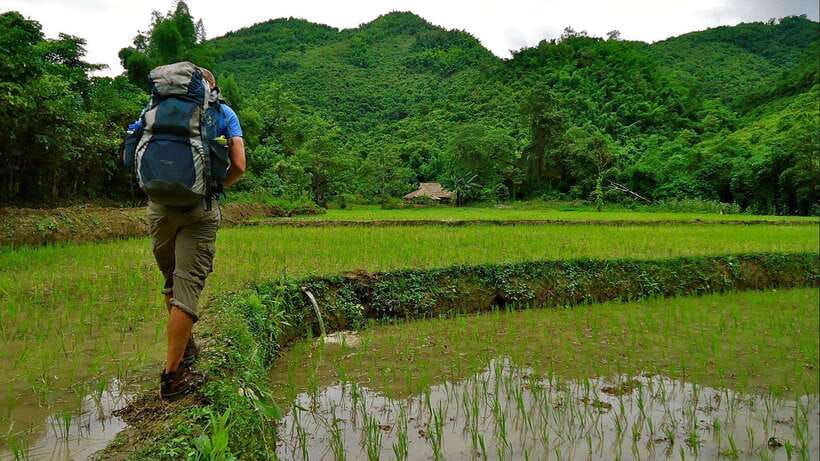
You’ll meet at Tiger Trail Travel at 8:20am for an 8:45am departure. Hotel pickup is optional and free, so you can start from your lodging instead of heading straight to the office. Either way, the plan is to get you out of central Luang Prabang quickly, then into the foothills area.
A key detail here: you cross the Nam Khan by boat to reach the trailhead. That does two helpful things. First, it cuts down on extra road time. Second, it sets the tone—this isn’t just a land hike, it’s a hike plus river day.
You’ll also be dealing with the operator’s practical rules. Large bags and luggage aren’t allowed, so you’ll want to travel light with a day bag only. If you’re the type to pack a whole pharmacy and a spare outfit, this is your nudge to rethink.
Stop at Ban Houay Fai: Khmu Village Life in Plain Sight
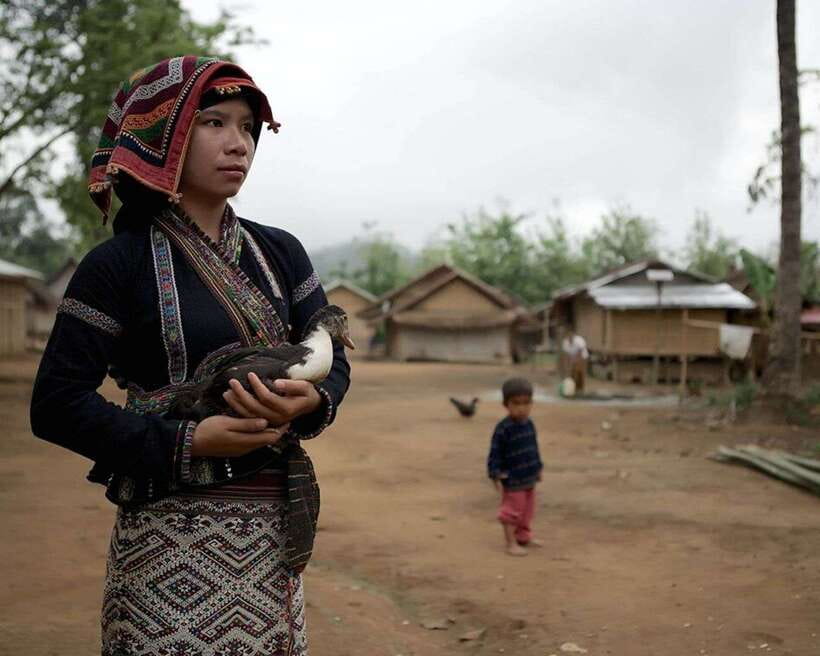
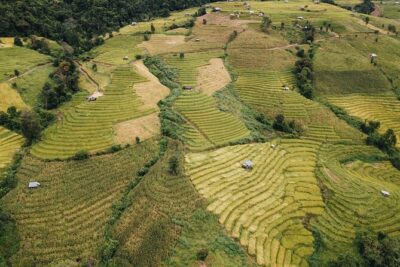
Your first village stop is Ban Houay Fai, a Khmu community. This is where your guide starts turning the scenery into something you can understand. You’ll get an introduction to local life and customs, and the terrain around you helps the story make sense—rice paddies, forest edges, and the limestone hills that shape how people farm and move.
The best part of this stop is what you can do with it. Instead of treating it like a roadside stop, pause and notice the rhythms: what’s happening around the homes, what people are working on, and how the village fits into the route you’re about to take.
Also, this is where your guide becomes more than a “person in front.” Guides like Som sack and Sohn (from past experiences with this operator) are known for staying organized, checking paths, and making sure you have enough time for each segment—so you’re not rushed through the village piece.
The Trek to Ban Thin Pha: Limestone Hills, Grottos, and Lunch
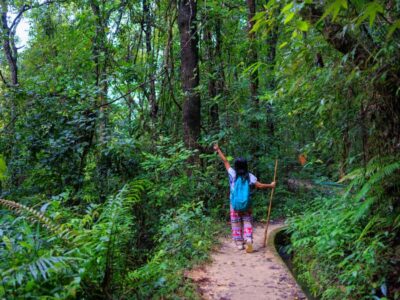
After Ban Houay Fai, the trail starts to feel more like a true mountain hike. You’ll move along ridges, with rocky slopes and limestone grottos mentioned in the route. In plain terms: it’s a mix of open views and uneven footing, plus the kind of shaded sections that can look beautiful even if the light is low.
Lunch is at Ban Thin Pha, the Hmong village that gives the trail its name. This matters for two reasons. One, your lunch place isn’t arbitrary—it’s tied to where the route passes. Two, it helps the day feel less like you’re constantly on the move and more like you’re participating in a travel rhythm that locals recognize.
You’ll also get a chance to pay attention to flora and fauna. The day isn’t sold as a wildlife safari, but the route through deciduous forest and farmland means you might notice animals close to where people work—domestic livestock shows up on some days, such as buffalos and goats (and even elephants have been seen in past experiences).
The Midday Stretch: Ask, Look, Listen
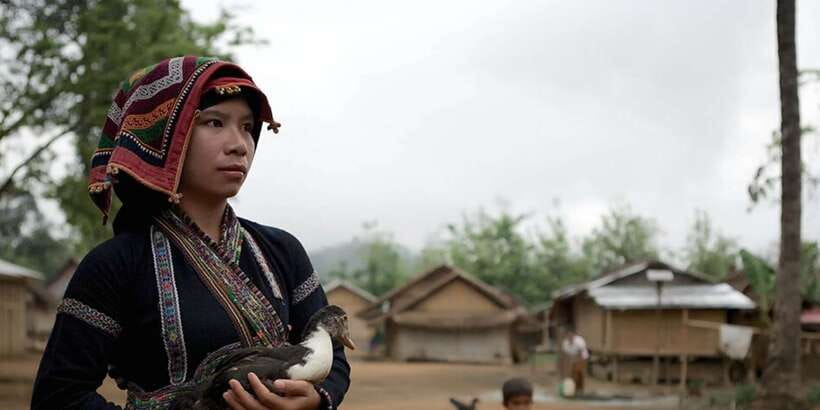
After lunch, you continue weaving your way through countryside and paddies. This is the part where your attitude pays off. You’re told to stop, look, listen, and ask your guide about what’s going on around you. That sounds like a generic travel instruction, but it’s exactly what makes a guided hike worth it.
You’re hiking through elevations of about 300–900 meters (984–2953 feet), so you may feel some climbs and descents. Your guide helps manage the route and safety—double checking paths and bamboo bridges has come up in past experiences—so you can focus on the landscape you’re moving through without constantly worrying about every step.

End at Ban Houay Yen: The Village Finish Line
The hike ends in the riverside village of Ban Houay Yen. Reaching the end here feels satisfying because you’re not just dropping out of the trail into a parking lot—you’re finishing at the river side, ready to switch from walking mode to boat mode.
This village stop also sets up the next segment: you’ll have a boat waiting to take you down the Nam Khan. The river ride isn’t tacked on as a bonus; it’s part of how the day stays balanced.
Nam Khan Boat Ride and the Tad Sae Waterfall Stop
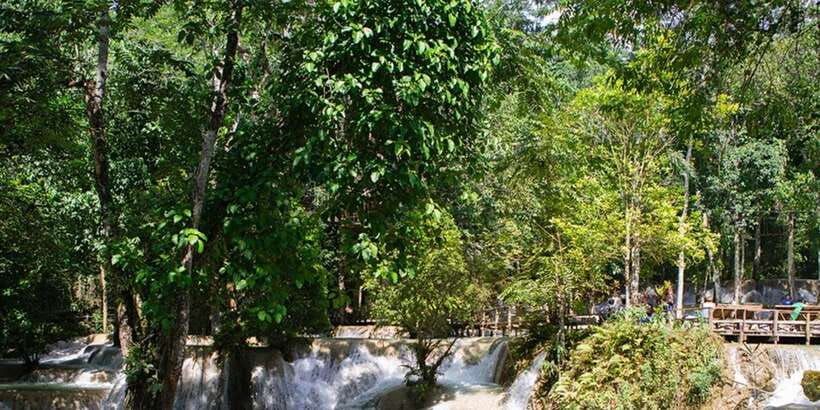
After the trek, you board a motorboat for a scenic stretch down the Nam Khan. This is where you catch your breath, take photos from the water, and let the day slow down a bit.
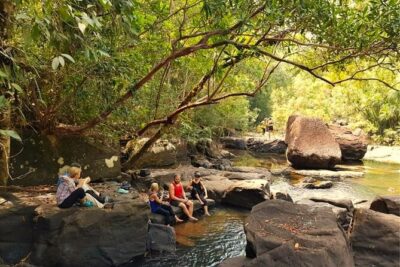
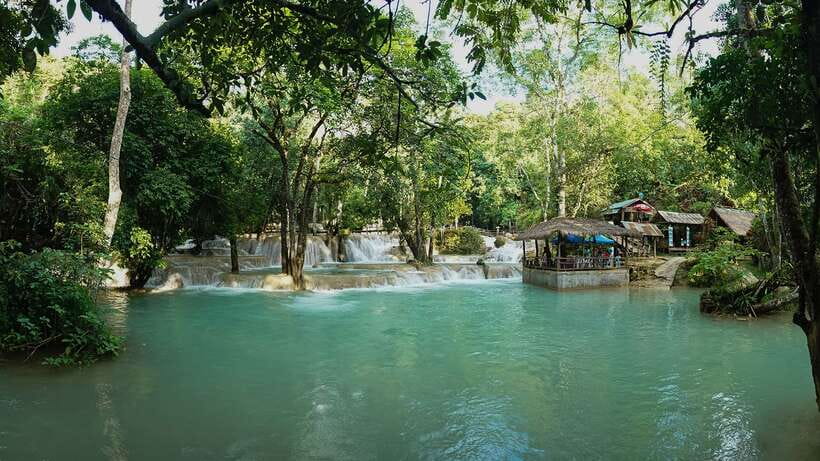
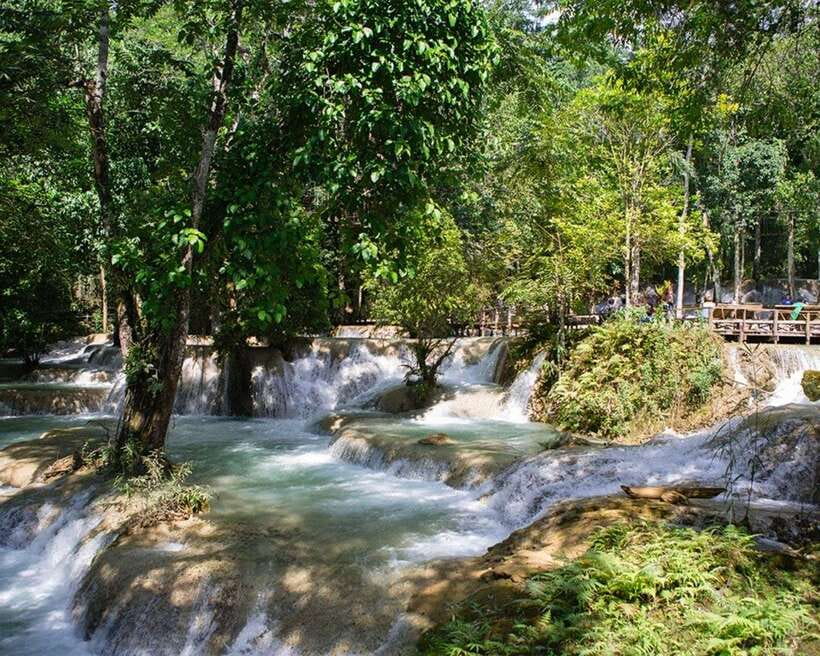
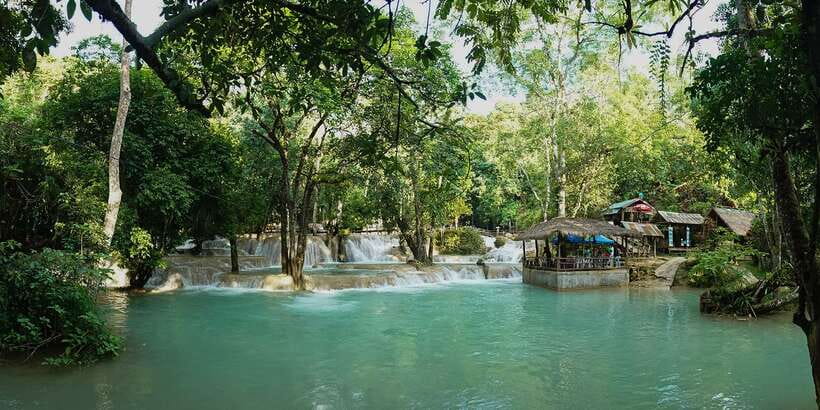
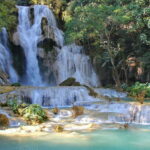
Then comes Tad Sae Waterfall. In wet season, it’s a real chance to swim and explore. If you’re visiting during the low water season from February to July, the plan can change: Tad Sae can be very low or dry, and it may be omitted.
So how should you think about this? If your travel dates overlap wet season, build the day around the waterfall experience. If not, treat the waterfall stop as a possible bonus rather than the main reason to book. Either way, the river ride is still valuable because it gives you that different angle on the countryside.
If you plan to enter the waterfall, bring a towel in your day bag—one isn’t provided. Also remember the day is rain or shine, so a towel isn’t the only thing worth having dry plans for.
What You Actually Get for $95: Value Beyond the Hike
At $95 per person for an 8-hour day, you’re paying for more than walking time. The inclusions listed for this tour are strong:
- licensed English-speaking guide
- motorboat (including the river segments)
- lunch
- entrance fees and local permissions
- drinking water
- village fund fee
- included transport elements (including transfers from your hotel, if you choose pickup)
When I look at value like this, I think about what you’d otherwise pay for separately: guide support for village context, boat transport, and a structured day that ends back near town. You’re basically buying a guided route plus the river day in one package.
What’s not included is also clear: additional drinks. So if you want something specific, bring it or plan to buy water elsewhere.
Group Size and Pace: Public Small Group or Private Day
You can join a public small group or choose a private group. That affects how much flexibility you might feel during the hike and village stops.
In a public small group, you still get a guide and the same core route, but you’ll be following the group rhythm. In a private setup, the day can feel more relaxed for questions and photo stops, especially if you like chatting with your guide.
Practical Tips That Make or Break the Day
Here are the details that help you enjoy the hike instead of just surviving it:
- Wear comfortable shoes built for uneven ground. The route can include rocky slopes and grottos.
- Pack a day bag only. Luggage or large bags aren’t allowed.
- Bring a towel if you want to swim at Tad Sae Falls.
- If you’re sensitive to boats, take note: it’s not suitable for people prone to seasickness.
- You’re hiking rain or shine, so expect weather to be part of the experience. Light layers and a rain layer help.
Finally, bring curiosity. This tour works best when you’re the person who stops to ask why a village is set up a certain way, or what daily work looks like. Your guide is there for the language and context.
Who This Tour Fits Best (and Who Should Skip It)
This is a great choice if you want:
- a moderate, real hike (about 12 km) paired with village visits
- a guided day that explains what you’re seeing, not just where you’re going
- a river cruise and a waterfall option (depending on season)
It’s not a great fit if:
- you have severe mobility impairments (it’s not recommended for that)
- you’re prone to seasickness
- you’re hoping for an easy, flat walk with minimal effort
Should You Book the Thin Pha Trail & Tad Sae Trek?
I’d book it if you like the idea of connecting the walk to village life and finishing the day with the Nam Khan boat ride. The route hits a sweet spot: enough hiking to feel like you earned your views, with enough structure to keep the day comfortable and meaningful.
I’d think twice if your trip dates fall during the low water season and Tad Sae Falls is the whole point of your day. Not because the tour is bad, but because the waterfall might be low, dry, or skipped. If you’re flexible, though, you’ll still get a strong day of walking, village context, and that river-side finish.
FAQ
FAQ
How long is the Thin Pha Trail & Tad Sae Falls trek?
The tour runs for about 8 hours total.
Where do I meet for the tour?
You meet at the Tiger Trail Travel office in Luang Prabang. Pickup from your hotel is optional and free.
What time does the tour depart?
Meet at 8:20am for an 8:45am departure.
How much hiking is involved?
The trekking distance is about 12 kilometers (7.5 miles), usually taking around 4–5 hours, with elevation roughly between 300–900 meters.
Is Tad Sae Waterfall included year-round?
During the low water season from February to July, Tad Sae Waterfall can be very low or dry and may be omitted.
What’s included in the price?
The tour includes a licensed English-speaking guide, motorboat, drinking water, lunch, entrance fees and local permissions, and a village fund fee.
Are large bags allowed?
No. Luggage or large bags aren’t allowed.