REVIEW · CHIANG MAI
Chiang Mai: 3-Day Karen Hill Tribe Immersion with Trekking
Book on GetYourGuide →Operated by Maewin and Family Trekking Tour · Bookable on GetYourGuide
A trek where the trail keeps going after dark. This 3-day, 2-night Karen hill tribe experience in Doi Inthanon is special because community-owned trails put you on land most visitors never see, and you end up with real conversations, not checklists. I also love the mix of waterfall swimming and hands-on nature learning, from native plants to jungle cooking. The main consideration: you’re signing up for real hiking—uneven ground and some steep sections make it more work than a casual nature walk.
You’ll move with a local Karen guide, and names like Jungle Boy, Pepe, and Bobo show up in the way people talk about this trip—safe, friendly, and focused on explaining what’s around you. Small groups (up to 15) help, too, so you can actually ask questions when the forest gets quiet. Just know the camps are basic and the day ends with unplugged living, including cold showers for most people.
In This Review
- Key things that make this trek worth your time
- Why Doi Inthanon and a Karen village base make this trek different
- Day 1: From Chiang Mai pickup to firelight in the forest camp
- Day 2: Gibbon country, two villages, and cultural exchange that feels lived-in
- Day 3: Waterfall swims, cloud-forest footpaths, and a calm farewell meal
- Fitness and pacing: what moderate really means in the jungle
- Camps, showers, and the off-grid reality you should plan for
- Food, plant lessons, and what you’ll actually learn beyond trekking
- Cost and value: is $158 a smart trade for your time?
- What to pack (so you’re comfortable at each waterfall pause)
- Respect, rules, and safety on community-owned land
- Should you book this Karen trek?
Key things that make this trek worth your time
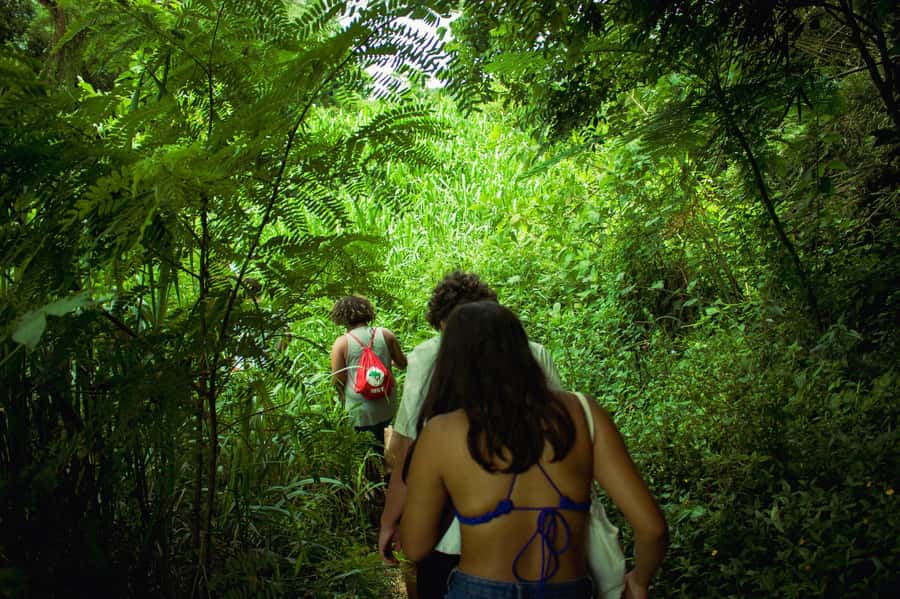
- Community-owned access to trails, campsites, and waterfall areas in Karen ancestral land
- Hands-on cultural days with traditional clothing, cooking techniques, and village life
- Waterfall time built in with multiple stops along the route that you can swim at
- Forest learning with your guide including native plants and practical jungle knowledge
- Small group trekking capped at 15, making it easier to move at a human pace
Why Doi Inthanon and a Karen village base make this trek different
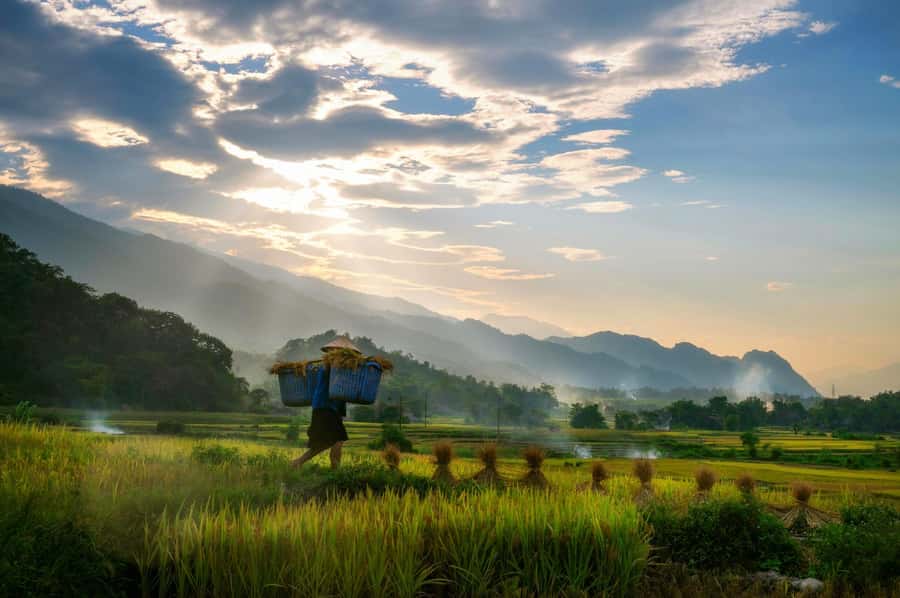
Chiang Mai is full of great tours, but this one is built on something rarer than scenery: it’s built on relationships. Your route runs through Doi Inthanon’s hills and forest, then settles into remote Karen villages where you sleep and eat with host families. That changes the feel of the trip. Instead of rushing past people, you’re sharing daily rhythms—meals, stories, and work-like tasks such as cooking with herbs you helped select or prepare.
You also get a strong sense of what “private land you should respect” means in practice. The trails and camp areas are 100% community-owned, so the community is the reason your access exists. That comes with a simple expectation: you follow the rules, dress modestly in villages, ask before photos, and treat trash like it matters (because it does).
And the natural side isn’t just “look at this tree.” Your guide points out native plants and explains how they’re used, then you’ll see the results of that knowledge during cooking and daily life. Add in the waterfall swimming stops, and the days feel active in a good way: walk, learn, cool off, eat, repeat.
You can also read our reviews of more tours and experiences in Chiang Mai.


Day 1: From Chiang Mai pickup to firelight in the forest camp
Most days start early. You’ll get picked up from your Chiang Mai hotel (different pickup windows for central vs. outer areas), with a quick stop at a local market before the drive up into the mountains. That market moment is useful because it sets you up for the day’s style: simple, local, and fast. Then you head to a village that’s owned by the host family, where the first trekking legs begin.
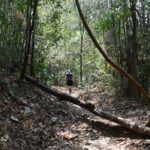
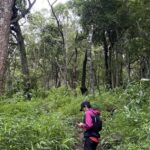
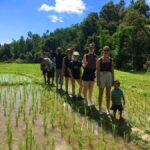
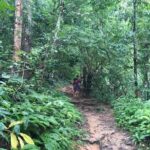
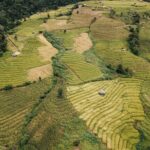
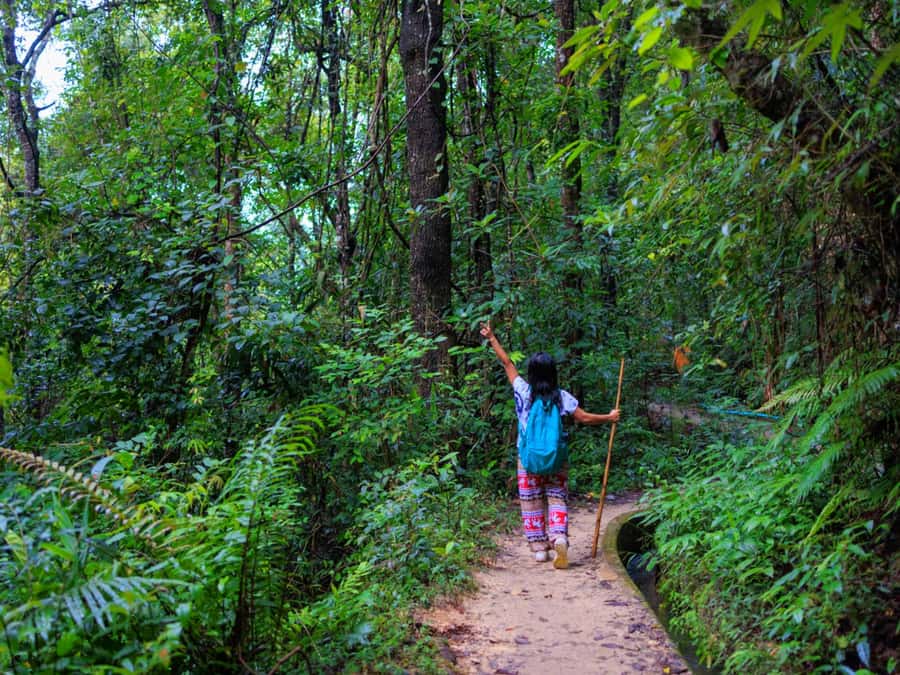
On Day 1, expect a mix of private farmland and dense forest paths. You’ll pass bamboo groves and rice paddies and learn what to notice—how plants are used, what the guide looks for, and why certain spots matter to village life. The lunch stop is memorable for two reasons: it’s at a waterfall, and it’s served in a banana-leaf wrap. It feels practical, not staged, and that’s part of the charm.
After lunch, you keep hiking toward your first forest camp, which sits near a remote waterfall. Dinner is hands-on: you’ll help your guide cook using hand-picked herbs, then the evening shifts into campfire time. This is one of the best parts of the trek for people who like real quiet. You’re not just watching daylight fade—you’re living the slow rhythm of a night in the hills.
Possible drawback on Day 1: it can be the hardest day, especially with steep climbing. Some folks find Day 1 asks more of them than advertised, so plan for your energy budget and don’t treat it like a gentle warm-up.
Day 2: Gibbon country, two villages, and cultural exchange that feels lived-in
Day 2 starts with breakfast and a longer stretch through wildlife-rich forest. The area is known to shelter gibbons, macaques, and Asiatic black bears, so the right mindset is calm attention. You might not see anything dramatic on every trip, but you’ll walk through habitat that actually supports wildlife.
You hike for around three hours to a Karen village for lunch and cultural exchange. This isn’t about watching from a distance. The point is conversation and shared routine. You’ll learn about daily life and village practices while you break bread together.
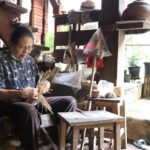
Then comes the longer afternoon hike—about four hours—into the hills toward a second village where you’ll stay overnight. This second overnight is usually the deeper “live-with-the-family” portion. You’ll learn about traditional clothing and cooking techniques and spend time with your hosts, who may include the guide’s own family members (parents or siblings). That family connection can make the cultural exchange feel more personal and less like a script.
The evening works like the first night: another fireside moment, shared stories, and that slow settling-in feeling that makes the trek worth it. Also, your group stays small, so it’s easier to talk with people instead of getting swept into a big tour crowd.
If you’re worried about fatigue: Day 2 can still be a workout, but it often feels smoother than Day 1 for many people. Once you’ve found your rhythm, the experience starts clicking into place.
Day 3: Waterfall swims, cloud-forest footpaths, and a calm farewell meal
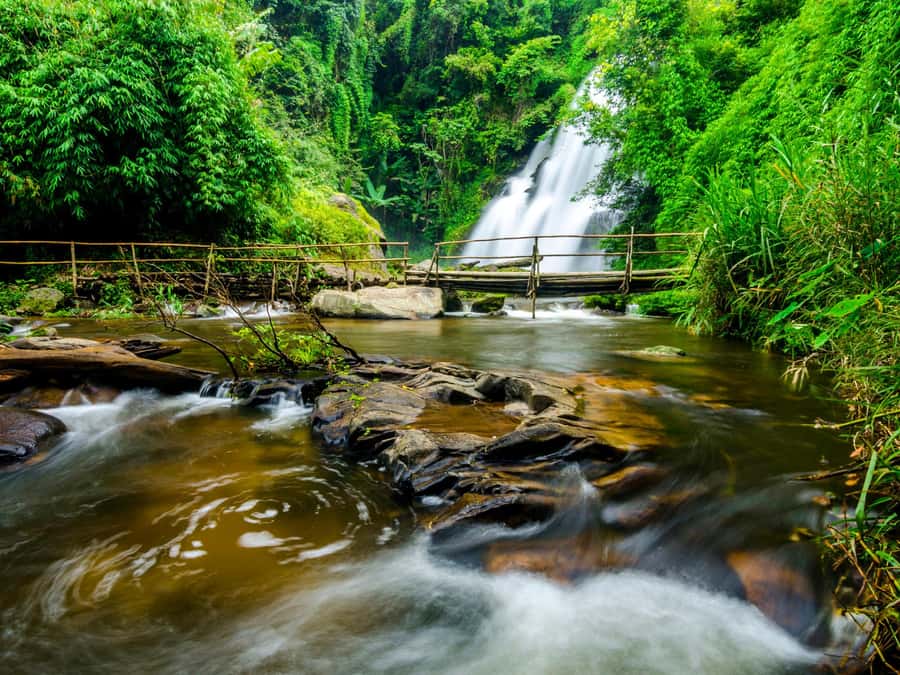
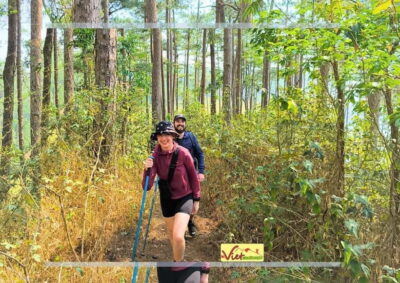
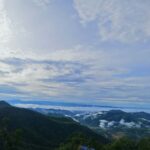
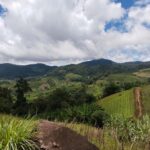
The final day is where the scenery payoff ramps up. You’ll trek for roughly 6–7 hours across a mix of gentle farmland and rugged, uneven paths. The route includes cloud forest conditions and local farms, which means you might feel cooler air, frequent shade, and occasional mist. It’s the kind of setting that changes how your hike feels hour to hour.
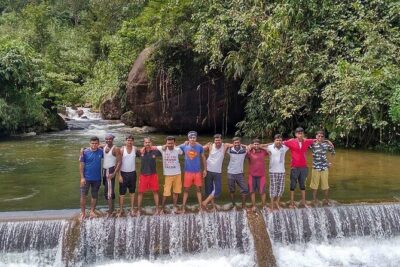
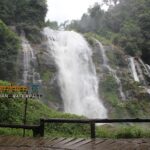
The big highlight is visiting up to five natural waterfalls along the way. Many routes include just one “wow” waterfall. Here, you’re likely to get several chances—enough time to pause, explore, and swim at the suitable spots. This matters because swimming turns the day from only effort into recovery. You’ll feel the difference the next time you start walking.
The day ends with a peaceful final meal by the water before pickup back to Chiang Mai. That last meal is more than a nice touch. After days on the move, it gives you a soft landing—time to reflect on what you learned about plants, village life, and the way the trail connects to the community.
Fitness and pacing: what moderate really means in the jungle
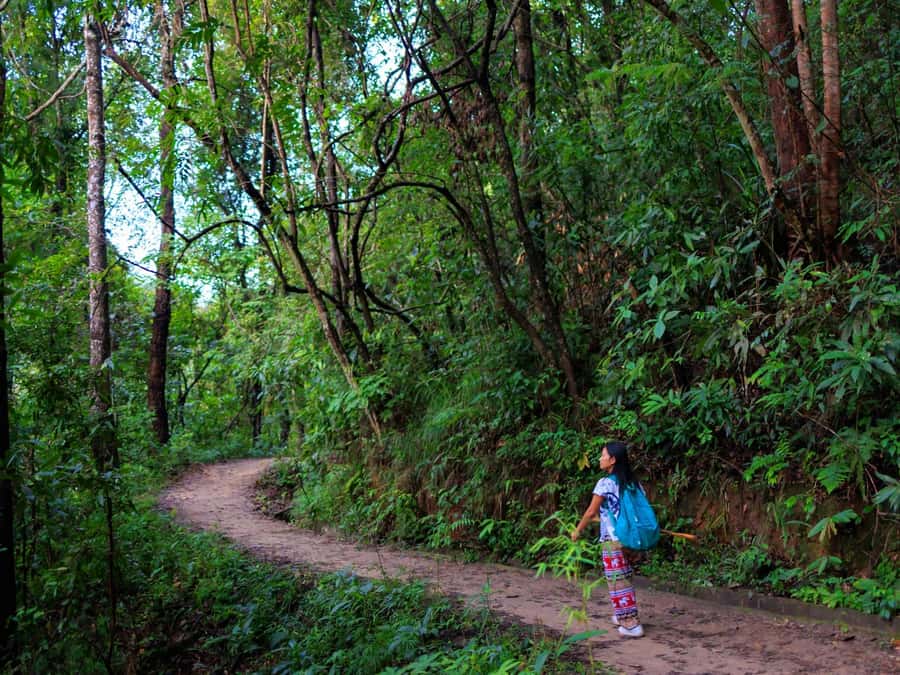
The trek requires a moderate fitness level. Expect about 5–7 hours of hiking per day on uneven terrain. That range is important because it signals two things: you should be comfortable walking for hours, and you should expect some climbs.
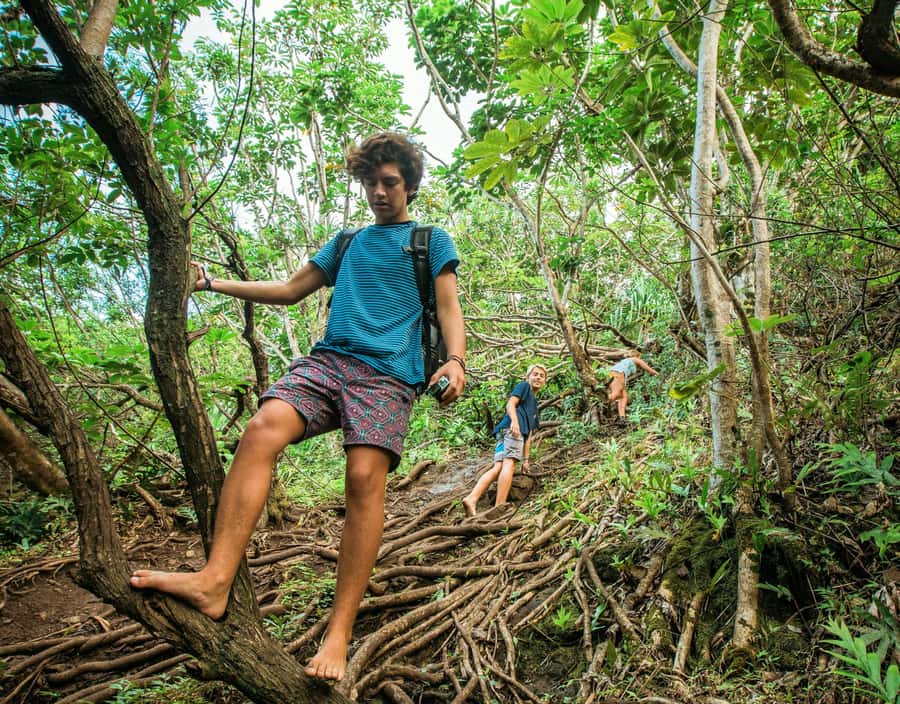
In practice, people often find Day 1 is the most demanding, with steep uphill sections. Day 2 tends to mix up and down. Day 3 often trends down-slope, but don’t let that fool you—uneven ground still taxes your legs, and long hours add up.
If you’ve never hiked on trails with roots or slippery mud, this trip will teach you quickly. Bring a sturdy hiking shoe, pace yourself early, and plan to move slower than you would on flat city sidewalks.
This trip also isn’t suitable for children under 12, and it’s not recommended if you have back problems, mobility impairments, or heart problems. Even if the group moves together, the trail itself doesn’t “adapt” for anyone who needs more accessible footing.
Camps, showers, and the off-grid reality you should plan for
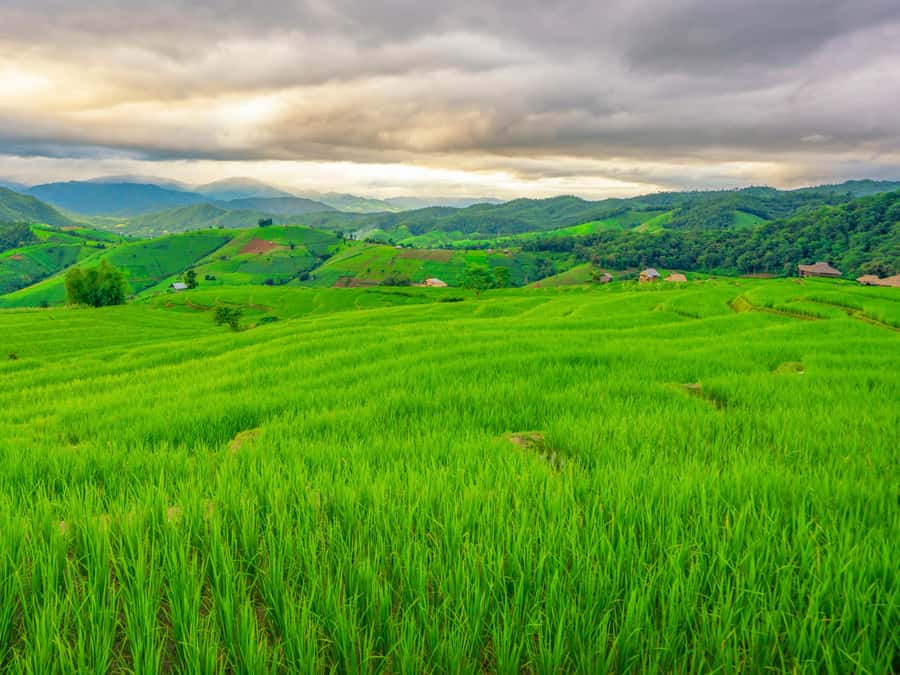
The accommodations are basic but comfortable in the sense that bedding is provided. You should expect village camp living: simple structures, limited comforts, and a real break from screens. The trip information emphasizes no electricity and no internet, plus limited mobile signal. One important detail to keep your expectations aligned: some people report electricity at the camps, so reality can vary by location or season. Don’t count on it—plan as if you’ll be unplugged.
Water and showers are another point to understand before you go. Cold showers are part of the experience for many people. That isn’t a reason to skip the trek, but it is a reason to pack with comfort in mind—especially if you’re arriving with a sweaty hiking body and limited time to dry out.
Also, bring insect repellent and long sleeves. In humid forest conditions, bugs are part of the deal. Your comfort on Day 2 and Day 3 often depends on how prepared you are for that.
Food, plant lessons, and what you’ll actually learn beyond trekking
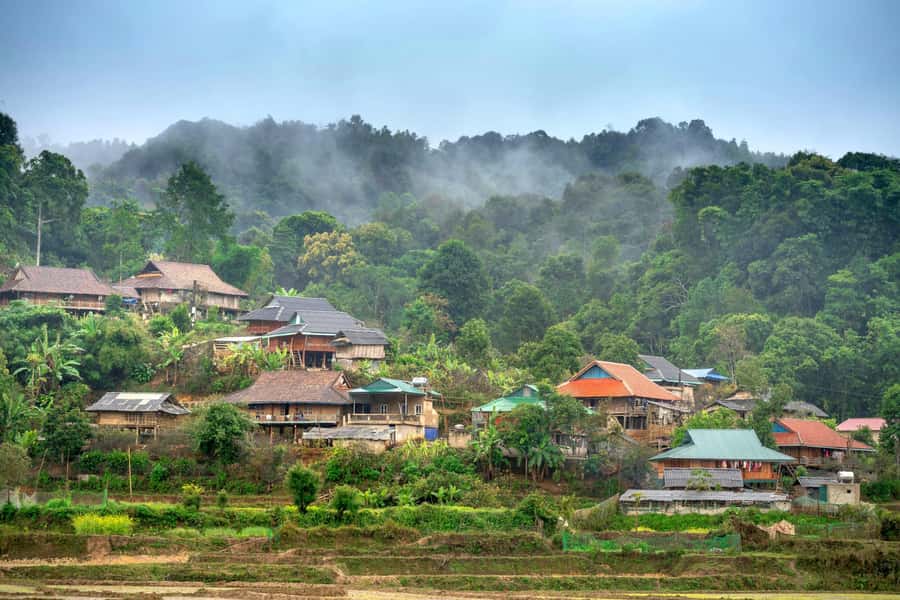
You’ll get seven freshly prepared meals across the trip, from lunch on Day 1 through lunch on Day 3. Meals are simple and focused on local ingredients, and dietary preferences can be accommodated if you share them in advance.
One reason this food feels meaningful is that cooking is tied to the landscape. Your guide explains native plant uses along the way, and the dinner rhythm at camp includes hands-on cooking with herbs you’ve picked or prepared. That’s how knowledge sticks—through doing, not just listening.
Lunchtime also isn’t just fuel. Day 1 lunch by the waterfall in banana leaves is practical and fun, while the village lunches on Day 2 connect the meal to conversation and cultural exchange. The final meal by the water on Day 3 is a calm wrap-up, a moment to breathe after long walking hours.
Cost and value: is $158 a smart trade for your time?
At $158 per person for a 3-day, 2-night experience, the price makes sense when you look at what you’re getting. This is not only a guided trek. It includes:
- Hotel pickup and drop-off in Chiang Mai city
- A local Karen guide for the whole adventure
- Two overnight village camp stays
- Seven meals during the trek
- Accident insurance coverage during the hike
- Cultural activities and hands-on cooking sessions
Drinks aren’t included, so plan to cover that separately. Still, compared to piecing together transportation, entrance-style activities, and a guide, this price is competitive—especially because the access is community-based and the meals and cultural exchange are part of the package.
You’re also paying for something harder to quantify: permission. Since trails and campsites are community-owned, the value isn’t just “service.” It’s the community’s role in making the trek possible.
What to pack (so you’re comfortable at each waterfall pause)
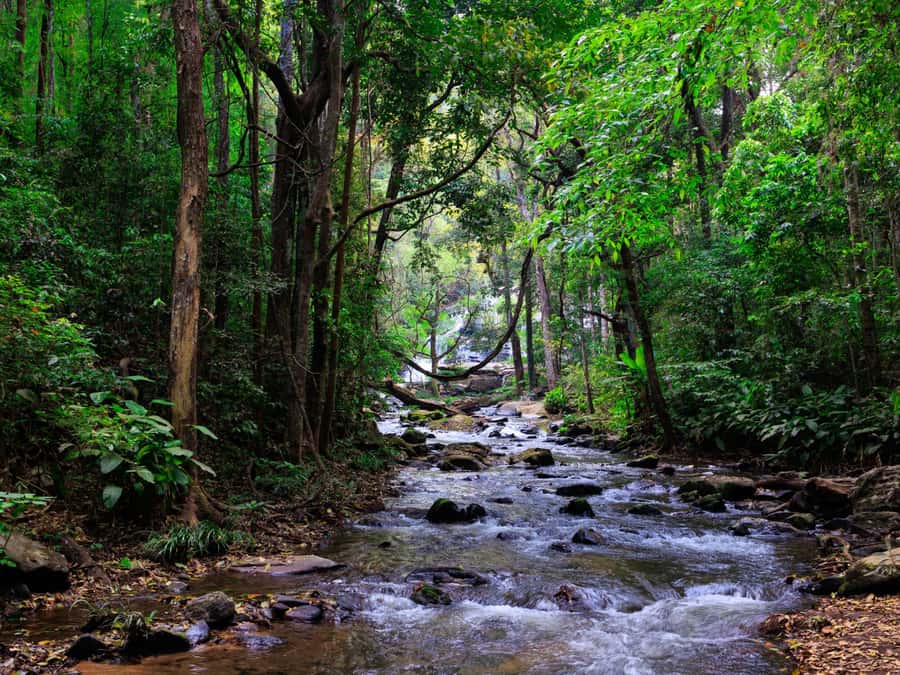
You’ll want to pack light, but smart. From the essentials list, start with two categories: hiking comfort and wet-day survival.
Must-bring items for this style of trek:
- Hiking shoes (uneven terrain is the real issue)
- Towel and swimwear (waterfall swims are built in)
- Insect repellent and sunscreen (you’ll be outside all day)
- Long pants and long-sleeved shirt for protection
- Water bottle and a daypack
- Change of clothes (you’ll thank yourself on Day 2 and Day 3)
- Jacket (weather can shift fast in the hills)
Two extras that prevent annoyance: bring toilet paper and keep a small supply where you can reach it easily. Also, use a proper backpack instead of an oversized bag, because you’ll be carrying everything you need on your back.
Finally, bring cash. Villagers may only accept cash for certain small needs like water. It’s one of those practical details that can make your day smoother if you’re prepared.
Respect, rules, and safety on community-owned land
This is community-based trekking through privately owned Karen land. That means your behavior matters more than it would on a public trail.
You should:
- Dress modestly in villages
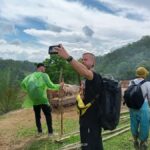
- Ask before taking photos of people
- Stay on designated trails
- Carry out all trash
- Avoid single-use plastics when possible
There are also clear behavior rules: smoking isn’t allowed, and intoxication, alcohol, and drugs are not allowed. These rules help keep the atmosphere respectful and safe, especially in close village settings.
Safety-wise, there’s accident insurance coverage during the trek, and you’ll hike with an experienced English-speaking local Karen guide (English and Thai are used). Still, your own responsibility is to follow the pace your guide sets and pay attention to footing, especially near waterfalls where surfaces can be slippery.
Should you book this Karen trek?
Book this trip if you want more than a photo day. You should be ready for real hiking, basic village camp living, and the kind of cultural exchange that happens because you’re sharing meals and conversations with the people who live there. If you love waterfall swims, forest learning, and the satisfaction of a journey that ends with a calm meal by the water, this is a strong match.
Skip it if cold showers and limited comfort are deal-breakers, or if you want a lightweight walk with minimal effort. It’s also a no-go if you fall into the not-suitable groups: children under 12, back problems, mobility impairments, or heart problems.
If your fitness is moderate and you pack smart, this trek offers a rare blend: guided nature learning + village life + multiple waterfall moments in just three days from Chiang Mai.