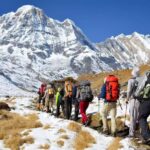
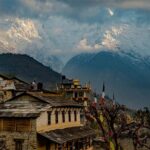
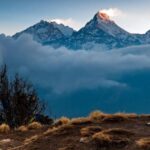
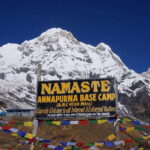
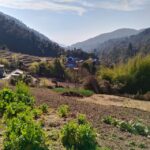
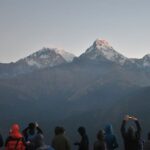
Sunrise hikes hit different in Nepal. This Poon Hill sunrise trek is built around one unforgettable early-morning payoff plus a route through Gurung and Magar villages. I also like the private-group feel, so the pace and questions are handled by your own English-speaking trekking guide. One heads-up: you do hike several 6-hour days, including steep stair sections, so this is not a stroll.
What makes this trip extra satisfying is how the big views connect to everyday life on the trail. You’ll pass through rhododendron and oak forests, small towns, and farming areas where people actually live, eat, and run tea houses. The guides add something practical too, with stories about local culture and what you’re seeing under the mountain silhouettes.
The value is solid for $240 per person if you want the logistics handled: pickup and drop-off, permits, and guest-house stays are included, and meals are the only big extra cost. The main consideration is timing and energy: mornings start early for sunrise, and your body needs to handle repeated up-and-down trekking.
In This Review
- Key things I’d focus on before you go
- Poon Hill sunrise: the early start that pays off
- Day 1: Pokhara to Nayapul, then up to Tikhedhunga
- Tikhedhunga to Ghorepani: rhododendron forests and Ulleri stairs
- Day 3: the Poon Hill sunrise, then down toward Ghandruk
- Day 4: Ghandruk downhill to Naya Pul, then back to Pokhara
- What your English guide adds (names to look for)
- Teahouse nights and local culture you can actually touch
- Price and logistics: what $240 really buys you
- How tough is it? The honest fitness picture
- Who this trek suits best
- Should you book this Poon Hill trek from Pokhara?
- FAQ
- How long is the Poon Hill trek?
- Where does the trek start and end?
- What’s included in the price?
- Are meals included?
- Is this a private tour?
- What fitness level do I need?
Key things I’d focus on before you go
- Sunrise timing at Poon Hill with a dedicated early hike and panoramic Himalayan views
- Ghorepani and Ghandruk teahouse nights in traditional mountain settlement settings
- Stair-heavy trekking day(s), especially around Ulleri, where your legs do most of the work
- English-speaking guide support that’s also practical and patient on the trail
- Included permits and transfers that reduce the hassle of planning your own route
- Meals budget since food is not included, even though guest-house stays are
Poon Hill sunrise: the early start that pays off
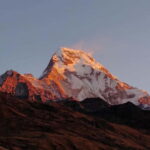
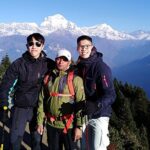
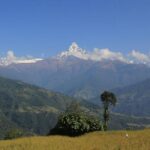
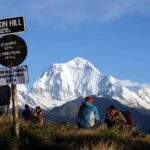
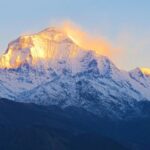
If you’ve only got a few days in Nepal, Poon Hill is one of the most efficient “wow” plays in the Annapurna region. The itinerary centers on an early morning hike to the viewpoint so you can catch sunrise over the Annapurna and Dhaulagiri ranges. From there, you’re looking for that orange-and-gold glow across the peaks, the reason people wake up before the sun does.
The other smart thing is the timing structure. On the sunrise morning (Day 3), you get the viewpoint moment, then you still continue walking afterward rather than calling it a day. That keeps the trek feeling like a full experience instead of a single scenic detour.
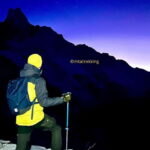
One practical note: expect cold early air and the kind of quiet uphill walking that makes your lungs feel louder than your thoughts. If you’re the type who hates early starts, this is the one part you’ll need to mentally prepare for.
You can also read our reviews of more tours and experiences in Pokhara.
Day 1: Pokhara to Nayapul, then up to Tikhedhunga
Your trek begins after a transfer from Pokhara to Nayapul. The ride is done by sharing public bus, which keeps it simple and keeps costs down. From Nayapul, the walking starts through familiar entry villages, including passing Birethanti and Hille before the ascent begins.
Tikhedhunga is the first real climb on this route. You’ll ascend through the village and reach your overnight spot after roughly 6 hours of trekking. This is a good day for settling into rhythm: you’re not rushed to a summit, but you do get your legs working early.
What I like about Day 1 is that it teaches you the “Nepal trekking” pattern right away: village-to-village movement, changing views as you gain height, and the comfort of knowing there’s a teahouse night waiting when the hiking ends.
Tikhedhunga to Ghorepani: rhododendron forests and Ulleri stairs
Day 2 is where the trail leans more physical. You’ll climb via a steep stone staircase to Ulleri, which is exactly the kind of section that turns a scenic day into a leg workout. It’s not long-distance suffering so much as “repeat steps until your breathing finds a new pace.”
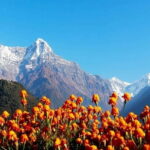
After Ulleri, the route goes through rhododendron and oak forests. That matters because it breaks up the climb with shade and a softer feel than exposed uphill. Then you reach Ghorepani, a village set up for trekkers and known for panoramic mountain views.
You’re walking about 6 hours on this day, with an overnight in Ghorepani. This is also a solid staging point for the big sunrise mission the next day: you’re already in the right part of the mountainside, so the early hike feels like a continuation instead of a whole new trek from scratch.
If you’re worried about stamina, this is the day to focus your pacing. Move steadily. Take breaks without turning the breaks into long stops. You’ll thank yourself when morning comes.
Day 3: the Poon Hill sunrise, then down toward Ghandruk
Day 3 has two phases, and that’s part of why this trek works so well for most people. First is the early hike to Poon Hill for sunrise. Second is descending back down toward Ghorepani and continuing on to the Gurung village of Ghandruk.
The sunrise moment is the headline: you’ll look out over Annapurna and Dhaulagiri from the viewpoint. This is the payoff for the last two days of upward effort. You’re not hiking for hours just to reach a lonely spot; you’re reaching a place built for that first light reveal.
After sunrise, you descend to Ghorepani and keep going. The trek onward to Ghandruk is about 6 hours, and Ghandruk itself is known for Gurung hospitality. You’ll spend your night in a teahouse there, which helps you slow down and take the evening in mountain-village style rather than bouncing to another transport ride.
One detail I’d take seriously: this is not just “see view, walk down.” You’re still trekking after the sunrise. If you tend to burn out after big moments, plan your energy so you don’t run out of it halfway into the afternoon.
Day 4: Ghandruk downhill to Naya Pul, then back to Pokhara
The final day is a change of pace in a good way. From Ghandruk you’ll head down toward Naya Pul via a scenic route, with wave goodbye views of major peaks mentioned on this route: Annapurna I, Annapurna South, Dhaulagiri, Fishtail, and Himchuli.
This day includes rhododendron forest walking as you lose elevation. You’ll complete around 6 hours of trekking before reaching Naya Pul, then catch a local bus back to Pokhara Lakeside. The transfer back to your hotel is included, which is a real quality-of-life win if you don’t want to arrange anything after your hike.
What I like about the design is that you end in a place where you can actually decompress. Pokhara’s lakeside area makes an easy landing spot: hot shower, a meal, and time to sort photos without scrambling for transport.
What your English guide adds (names to look for)
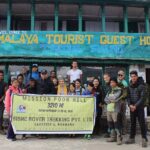
On paper, this trek is all route and views. In real life, the guide is the difference between a trek that feels smooth and one that feels stressful. This trip includes an English-speaking trekking guide, and the strongest praise in the guide feedback comes from how people felt cared for and supported on the trail.
Several guide names show up in the best experiences: Mr Milan, Biru, Vikram, Sham, Amrit, and Bikram. The common thread is not just friendliness. These guides helped with confidence, pacing, and explanations. People appreciated how guides were patient, kept safety in mind, and shared details about mountain and culture as you walk.
One of the most useful ideas to borrow is that guides can match your expectations. If you want a straightforward trek with minimal detours, say so. If you want a bit of exploration off the most crowded paths, ask what’s possible. The setup here is private to your group, so your guide can shape the experience more than you’d get on a big crowd tour.
Teahouse nights and local culture you can actually touch
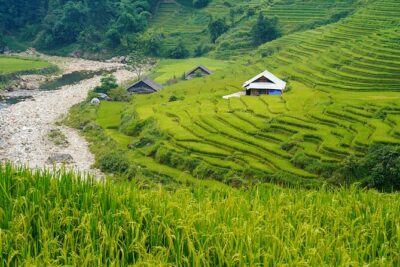
This trek isn’t aimed at luxury. It’s aimed at contact: staying in teahouses/guest houses and interacting with local people along the way. The route passes through communities linked to Gurung and Magar culture, and you’ll feel it in the way villages function during trekking season.
Why this matters: teahouses are more than beds. They’re where you see how trekking tourism connects to daily life, and they’re where your guide’s storytelling becomes real. When someone explains what a village is known for and you can then watch the routine in front of you, it’s easier to remember what you learned.
The value here is also practical. Guest-house stays included means you’re not juggling accommodation searches mid-trek. You just arrive, rest, eat, and reset for the next day.
Price and logistics: what $240 really buys you
At $240 per person, this trip is priced for a private trekking experience with the key “planning headaches” handled for you. Included features are hotel pickup and drop-off, an English-speaking trekking guide, trekking permit and TIMS card, round trip transfers by private car as per the itinerary, and accommodation at guest houses. It’s also listed as a private trip, meaning only your group participates.
Meals are the main exclusion. Food is available for purchase, listed at about US$28 per person per day. That means your total cost will depend on how many meals you buy and what you choose to eat. Still, having a clear food estimate helps you budget without guessing.
One more value detail: pickup and drop-off matters more than it sounds. Trekking in Nepal can be logistically tricky if you’re trying to coordinate buses, permits, and timing by yourself. Here, the flow is set up so you start walking without spending your first day chasing transport.
How tough is it? The honest fitness picture
The tour states a moderate physical fitness level is expected. That’s a realistic label for this route, based on the walking time you’ll see across multiple days.
You’re looking at days around 6 hours of trekking, with at least one known stair-heavy section on Day 2 (the Ulleri stone staircase). The good news is that this style of trekking is manageable for many people because it’s broken into segments with villages and teahouses along the way. The challenge is consistency: your legs work on repeated days, not just one long hike.
If you’re coming from sea level and you’re sensitive to long uphill walking, pace will be everything. Don’t force speed. Use your guide’s pacing plan and take short rests when needed. That’s how you keep the trek enjoyable instead of turning it into a grind.
Who this trek suits best
This is a great fit if you want a short trekking trip with a major view payoff and cultural village time. It suits:
- First-time trekkers who want a meaningful Himalayan experience without a long expedition length
- People who care about guided interpretation, not just photos
- Small groups that want flexibility and private attention
- Solo travelers who want the comfort of a guide who can make the experience feel easier and more organized
The private-group setup helps reduce awkwardness. You’re not trying to match five different walking styles, and you can ask your guide what matters to you, whether that’s mountain explanation, culture, or timing.
Should you book this Poon Hill trek from Pokhara?
Yes, if you want Poon Hill sunrise, village teahouse nights, and a guided route that handles permits and transfers. This trek is also a good value if you prefer not to organize logistics yourself and you’re okay paying for meals separately.
Think twice if you know you dislike early mornings or if steep stair climbs will scare you off. One more thing: this is a trek with multiple full hiking days, not a one-day viewpoint trip. If you’re ready for that structure, you’ll likely leave feeling like you got both the view and the walking experience, not just one.
FAQ
How long is the Poon Hill trek?
It’s listed as 4 days (approx.).
Where does the trek start and end?
The trek starts from the Pokhara area via Nayapul and ends back in Pokhara, with drop-off to your hotel after reaching Pokhara Lakeside.
What’s included in the price?
Included are hotel pickup and drop off, an English speaking trekking guide, trekking permit and TIMS card, round trip transfer by private car as per itinerary, accommodation at guest house, and a private trip.
Are meals included?
No. Meals are not included, but you can purchase meals on the trek (approx US$28 per person per day).
Is this a private tour?
Yes. It’s described as a private tour/activity, so only your group will participate.
What fitness level do I need?
The tour says you should have moderate physical fitness.