REVIEW · HANOI
Sapa Trekking 3 Days 2 Nights (Homestay) – Departure From Hanoi
Book on Viator →Operated by Fantasea Tours · Bookable on Viator
Sapa trek days start early, and it pays off. This 3-day hike out of Hanoi mixes homestay nights in Ta Van and Giang Ta Chai with village treks through Black H’mong and Red Dzao areas. It’s the kind of trip where the views come with real human scale, not just postcard stops.
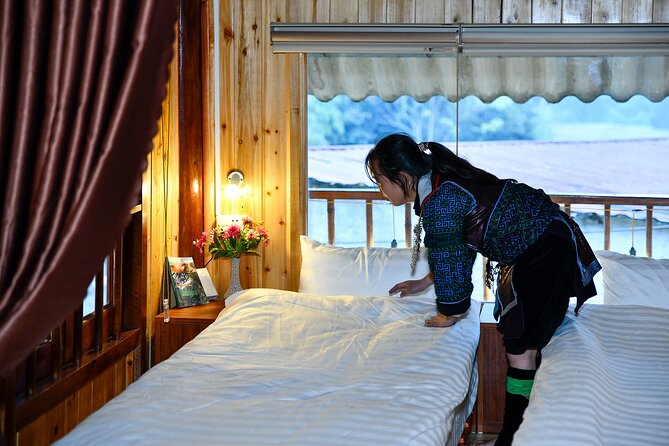
I especially like the hands-on homestay side of the journey. The experience is built around staying with local families and eating what they cook, and the most praised parts are the warm hospitality, tasty food, and practical comfort like clean rooms, hot showers, and comfortable beds in some homestays.
One thing to plan for: you may run into constant seller attention along the trail. A few past hikers said this didn’t stop during the trek, and in at least one case the guide didn’t handle it as well as expected, so it helps to set boundaries early and keep an eye on your pace.
In This Review
- Key highlights from this Sapa trekking experience
- Why this Sapa trek feels different from a quick day hike
- Day 1: 6:30 Hanoi pickup, ride to Sapa, then Y Linh Ho fields
- Day 2: Bamboo forest, a waterfall stop, and Giang Ta Chai with Red Dzao culture
- Day 3: Su Pan to Hau Thao viewpoints, then back to Sapa and Hanoi
- Homestays in Ta Van and Giang Ta Chai: comfort, food, and the family welcome
- Price and logistics: what the roughly $99 covers (and what it doesn’t)
- Guide support and the seller issue on the trail
- Who this Sapa trek fits best (and who might want a different option)
- Should you book Sapa Trekking 3 Days 2 Nights (Homestay) from Hanoi)?
- FAQ
- What time does the tour start and where in Hanoi?
- How long is the tour?
- Where do you stay during the trek?
- What meals are included?
- Is transportation included from Hanoi to Sapa?
- How many people are in a group?
- Is there an English-speaking guide?
- What is the fitness level needed?
- What’s not included in the price?
- Does weather affect the trip?
Key highlights from this Sapa trekking experience
- Homestays in Ta Van and Giang Ta Chai for a grounded, family-run feel
- Ethnic village routes across Black H’mong and Red Dzao communities
- English-speaking local guide with a maximum group size of 15 travelers
- Trail variety: fields, narrow footpaths, bamboo forest, and a waterfall stop
- Transport included: air-conditioned bus from Hanoi to Sapa and back, plus support vans
- Meals included for most of your time on the trail, reducing decision fatigue
Why this Sapa trek feels different from a quick day hike
This trip is designed for people who want to trade a few hours of sightseeing for full days walking. You’ll start with a long morning push out of Hanoi, then spend the daylight trekking between small villages, which is where Sapa becomes more than scenery.
The homestays matter because they turn the trip from a route into a routine. You’re eating and sleeping close to the places you hike through, which is why comfort and cleanliness in these homestays show up again and again in feedback, along with the kindness of hosts.
Also, you’re not doing this alone. With a small group capped at 15 and an English-speaking local guide, you should be able to ask questions about what you see, even if not every guide interaction hits the same note for every person.
You can also read our reviews of more tours and experiences in Hanoi.


Day 1: 6:30 Hanoi pickup, ride to Sapa, then Y Linh Ho fields

Day one starts with a 6:30 meet-up in Hanoi’s Old Quarter. If you’re the type who hates being rushed, I’d treat this like a real “departure day” and set your alarm accordingly, since the bus leaves around 7:00.
The ride to Sapa is an air-conditioned bus with a couple of short break stops. You’re aiming to reach Sapa at about 13:00, then you’ll shift to a van for the next leg so you can start hiking without losing the whole afternoon.
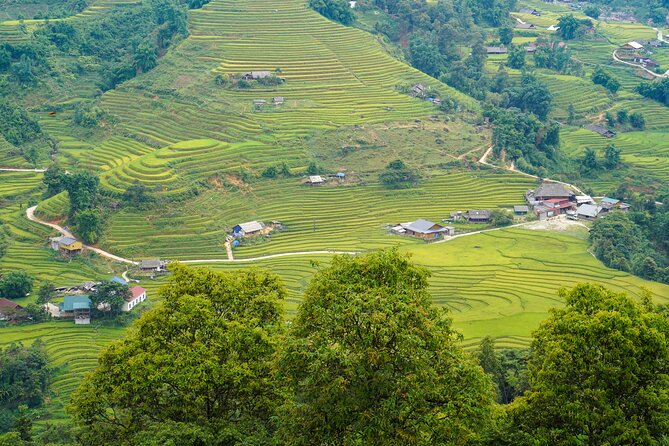
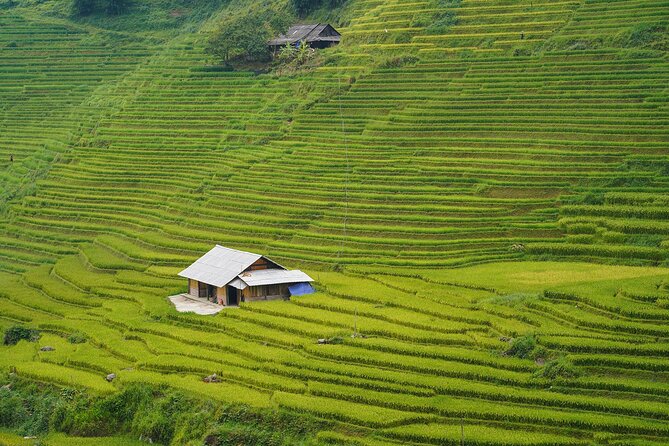
At 14:30 you begin trekking toward Y Linh Ho village, home of the Black H’mong. This is one of the key experiences of the whole itinerary because it’s where you’ll walk along narrow paths through cultivated fields, with village life close enough to notice details like how people work and move through their day.
Then the route continues toward Lao Chai and onward to Ta Van, with time to relax along the way. By the time you reach Ta Van for your homestay night, you’re not just arriving somewhere to sleep. You’re already tired, satisfied, and ready for a meal with the people who live there.
What I like about Day 1: you get village immersion without having to commit to a marathon hike.
What to watch: the first day is built around timing, so if you’re sensitive to long travel plus walking, pace yourself on the trail.
Day 2: Bamboo forest, a waterfall stop, and Giang Ta Chai with Red Dzao culture
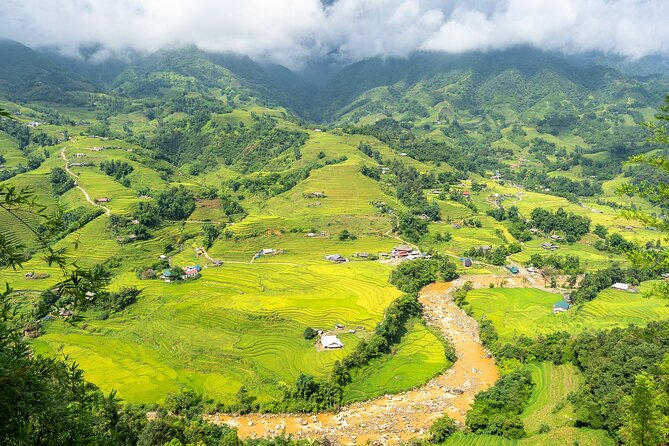
After breakfast in the homestay, you continue trekking at 9:00. This is the day when the trail feels more varied, and that matters because monotony is the enemy on multi-day hikes.
You’ll head through a bamboo forest and pass a waterfall along the route on your way to Giang Ta Chai village. Even when you don’t have time for long detours, these kinds of stops make the hike feel like a progression instead of a single long grind.
Giang Ta Chai is where you’ll slow down and experience Red Dzao community life. The value here is in the everyday rhythm—walking routes, conversation, food, and how the village holds space for visitors without turning everything into a stage.
This is also your second homestay night, so you get the pattern of: trek, arrive, eat, settle, and repeat. Many people rate the homestay part highly because it’s practical—warm welcome, solid meals, and comfortable sleeping make the difference on a cold or rainy Sapa day.
What to like about Day 2: it’s the most scenic-feeling day thanks to bamboo and waterfall scenery, without turning into a rushed sightseeing day.
What to watch: this is still a multi-hour trek day, so you’ll want comfortable shoes and a steady rhythm.
Day 3: Su Pan to Hau Thao viewpoints, then back to Sapa and Hanoi
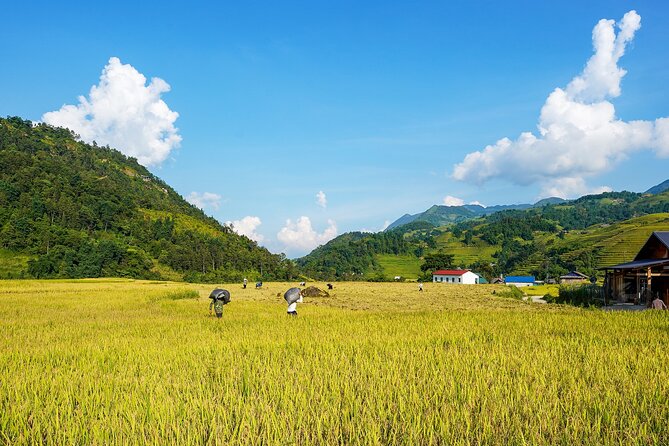
Day three starts the way a good village trip should: wake up, breathe the mountain air, and eat breakfast in the homestay. It’s a small detail, but it changes your mood—less “tourist mode,” more “you’re here.”
At 9:00 you say goodbye to your hosts and keep trekking toward Su Pan village. This is a transition day, meaning you’ll still hike, but you’re moving toward the final viewpoint highlight.
Around 11:00, you reach Hau Thao village, a place known for some of the best views in the route. You’ll have about an hour and a half here, which is enough time to enjoy the sight without feeling trapped in a timed photo lineup.
By about 13:00 to 13:30, a car picks you up back to Sapa town. You’ll have time to relax at Sapa House Hotel in Sapa before you board your afternoon bus back to Hanoi.
What I like about Day 3: you end with views and decompression time, not just a sprint to the bus.
What to watch: the end of the hike is still on a schedule, so don’t plan long late-night add-ons in Hanoi right before this starts.
Homestays in Ta Van and Giang Ta Chai: comfort, food, and the family welcome
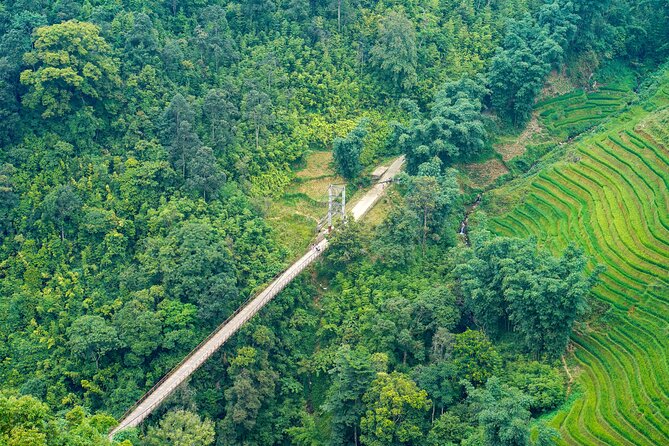
Homestay quality is a huge part of whether a trek like this feels special or stressful. In this route, you sleep two nights: one in Ta Van and one in Giang Ta Chai.
The most praised homestay details are practical. People commonly highlight comfortable beds, cleanliness, and proper hot showers when available. That matters because after two trekking days, you need a place to dry out and reset your body, not just a roof overhead.
Food is another big win. Guests talk about delicious meals prepared by the family, and the best part is that dinner usually feels like part of the day rather than a separate restaurant plan. In one account, an evening included a fun drinking game and easy conversation, which shows how the homestay isn’t only “sleep and eat.” It’s also a social bridge, especially if you’re open and polite in return.
And yes, you might hear names—some hosts described in feedback include Chin and Cha, and others mention Chinh and the Song family. The point isn’t the paperwork. The point is consistency of warmth: hosts making you feel like you’re staying with people, not paying a fee and fading out.
Tip for better homestay vibes: be flexible and kind with small routines. If you respect how meals, rules, and shared spaces work, you’ll usually get more conversation and better care back.



Price and logistics: what the roughly $99 covers (and what it doesn’t)
At $98.74 per person, this isn’t a bargain in the “cheap and cheerful” sense. It’s a value price because it bundles the big cost items: transport, guiding, homestays, and a lot of meals.
You get:
- Air-conditioned bus from Hanoi to Sapa and back, with insurance during bus time
- Van transfers on the route day
- English-speaking local guide
- Two nights in homestays (Ta Van and Giang Ta Chai)
- Meals: two breakfasts, three lunches, and two dinners
- All fees and taxes
That’s why the price often feels fair. If you tried to build this yourself, you’d quickly pay for transport, guide time, and homestay arrangements separately.
What’s not included is also clear:
- Drinks and tips
- Travel insurance
- Single room surcharge of $20
A small but important reality check: one review mentioned disorganized transport and another mentioned bus discomfort. The bus is included, but comfort can still vary by vehicle and schedule. I’d treat the transport day as “get there safely, not luxury.”
Guide support and the seller issue on the trail
This tour includes an English-speaking local guide, and when it works well, that’s what makes the trip feel meaningful. One positive note in feedback was that the guide had good English, which helps you understand what you’re seeing instead of just walking between stops.
But there’s also a downside to plan for: persistent sellers on the trail. One past hiker said they were followed by sellers for almost the whole trek, and the guide didn’t help enough in that situation, nor did they explain the geography in a satisfying way.
So here’s my practical advice. Early in the trek, establish your boundaries with a calm, clear approach. Keep your small cash use simple, avoid prolonged bargaining, and if you feel the attention is crossing your comfort line, ask your guide to handle it. If the guide isn’t proactive, stepping back and slowing your pace can reduce the “shadowing” effect.
Also, because this is a group of up to 15, you can help each other by staying together at key moments. When one person stops, sellers often hover closer. When the group moves, the attention usually spreads out.
Who this Sapa trek fits best (and who might want a different option)

This experience suits you if:
- You want moderate hiking with a real reason to walk (village life, not just photos)
- You like small group travel and expect an English-speaking guide
- You’re excited about homestays with family cooking and conversation
- You want to see more than just Sapa town
It may feel like the wrong fit if:
- You dislike long travel days from Hanoi plus trekking the same day
- You’re very sensitive to “on-trail attention” from sellers
- You want a highly structured, explanation-heavy tour where geography is taught constantly
If you’re the type who likes quiet trails and fewer interruptions, pick your pace intentionally and spend more time at village moments than at the roadside edges.
Should you book Sapa Trekking 3 Days 2 Nights (Homestay) from Hanoi)?
If your priority is a genuine village-based Sapa experience—sleeping in Ta Van and Giang Ta Chai, walking through Black H’mong and Red Dzao areas, and eating family-style dinners—this is a solid match. The strongest signal in the feedback is homestay hospitality and day-to-day comfort like hot showers and clean, comfortable rooms, plus the kindness people describe.
I’d still go into it with eyes open. The trek includes seller attention risk, and transport comfort can vary. If you’re okay managing that reality with patience, clear boundaries, and good footwear, you’ll likely find this trip one of the more satisfying ways to experience northern Vietnam without staying only in Sapa town.
If you want, I can also help you compare this against a shorter day trek or a more comfort-focused option in the Sapa area, based on how many hours you realistically want to walk each day.
FAQ
What time does the tour start and where in Hanoi?
Start time is 6:30 am. You’ll be ready at your hotel lobby in Hanoi’s Old Quarter for pickup.
How long is the tour?
It runs for 3 days, with 2 nights at homestays.
Where do you stay during the trek?
You stay 2 nights in homestays in Ta Van village and Giang Ta Chai village.
What meals are included?
Breakfast is included for 2 days, lunch is included for 3 days, and dinner is included for 2 days.
Is transportation included from Hanoi to Sapa?
Yes. An air-conditioned bus takes you from Hanoi to Sapa and back, plus there are van car transfers during the route.
How many people are in a group?
The maximum group size is 15 travelers.
Is there an English-speaking guide?
Yes, the tour includes an English-speaking local guide.
What is the fitness level needed?
The tour is listed as requiring moderate physical fitness.
What’s not included in the price?
Drinks and tips are not included. Travel insurance is not included, and there’s a $20 single room surcharge if you need a single room.
Does weather affect the trip?
Yes. The experience requires good weather. If it’s canceled due to poor weather, you’ll be offered a different date or a full refund.