REVIEW · HANOI
2-Day Trekking in Sa Pa from Ha Noi by sleeping bus
Book on Viator →Operated by SAIGONESE TREKKING HOUSE · Bookable on Viator
Two-day Sapa feels real fast. This is a small-group trek that trades the tourist strip for rice-terrace valleys, family-run stays, and local guides who know the trails. You’ll also get the upside of an included sleeping bus ride from Hanoi, so you’re spending less time commuting and more time walking through the Sapa people actually live in.
What I love most is the Ta Van village homestay setup. You’re not just passing through—you share meals and stories with a family, in a place with Giay stilt houses and river views. The second big win is the guidance: local H’mong experts lead the route, and people mention guides like Sisi and Dzi as especially professional and friendly, with real knowledge about the tribes and local life.
One consideration: this trek is rated for moderate fitness, and parts can feel hard. Expect real walking—one good-length day includes hours on the trail (and total distance is around 15 km for at least one trek version), so if you want a gentle stroll, you’ll need to manage your expectations.
In This Review
- Key highlights to notice before you go
- Two-day Sapa trekking that feels local, not canned
- Hanoi to Sapa by sleeping bus: your time tradeoff
- The Muong Hoa Valley route: Y Linh Ho, Lao Chai, then Ta Van
- Y Linh Ho: quiet valley views
- Lao Chai: a village stop that hits fast
- Ta Van Village: Giay stilt houses and a real homestay night
- Bamboo Forest to Giang Ta Chai: shaded walking and Red Dao traditions
- Bamboo forest: walking under tall stems
- Giang Ta Chai: Red Dao customs and herbal medicine
- Su Pan: terraced-field views and an easy back to Sapa
- Price and value: what you get for $89
- How hard is it really? Pace, distance, and footwear
- Guide quality and local knowledge: what makes it feel worth it
- A simple checklist: who this trek suits best
- Should you book this Sapa overnight trek?
- FAQ
- How long is the trekking tour from Hanoi to Sapa?
- Where do I meet the tour?
- Is lunch and breakfast included?
- What about entrance fees?
- What fitness level do I need?
- What if the weather is bad or I need to cancel?
Key highlights to notice before you go
- Ta Van homestay evening: dinner and cultural stories with a family in the village
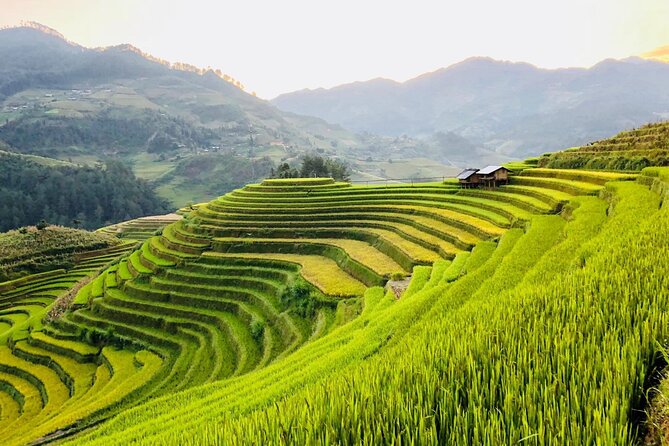
- Muong Hoa Valley village route: stops such as Y Linh Ho and Lao Chai on the way through
- Bamboo forest trail: a shaded section connecting villages and breaking up the walking
- Red Dao cultural visit at Giang Ta Chai: a chance to learn about herbal medicine and customs
- Su Pan viewpoints: panoramic terraced views before you head back to Sapa
Two-day Sapa trekking that feels local, not canned

This tour is built for people who want the Sapa beyond the main tourist area. The core idea is simple: you walk through valleys and villages with local H’mong experts, then sleep in a family-run homestay in Ta Van. That combination matters, because it changes how you experience Sapa. You’re not just photographing scenery—you’re meeting the rhythm of village life.
The route is paced as a “walk, meet, walk, rest” kind of day. You’ll pass through rice-terrace country and move along paths that feel more like they belong to the landscape than to a bus schedule. And since the group limit is max 10 travelers, you’re less likely to feel like a number in someone’s workflow.
You can also read our reviews of more tours and experiences in Hanoi.


Hanoi to Sapa by sleeping bus: your time tradeoff
The itinerary starts with an overnight-style travel plan: a sleeping bus takes you from Hanoi to Sapa town on the first day. When you arrive, your local guide meets you at the bus station and gets you moving toward the first village stop.
Timing is tight in a good way, because you’re already in the mountains before your first trekking hour. Still, plan for late nights on the return. After the second day’s walking and village stops, you’ll head back to Sapa, then the bus returns to Hanoi later in the evening and arrives late at night.
The tour’s overall length is listed as about 23 hours to 1 day (approx.), so think of it as a true overnight adventure rather than a casual two-day loop.
The Muong Hoa Valley route: Y Linh Ho, Lao Chai, then Ta Van
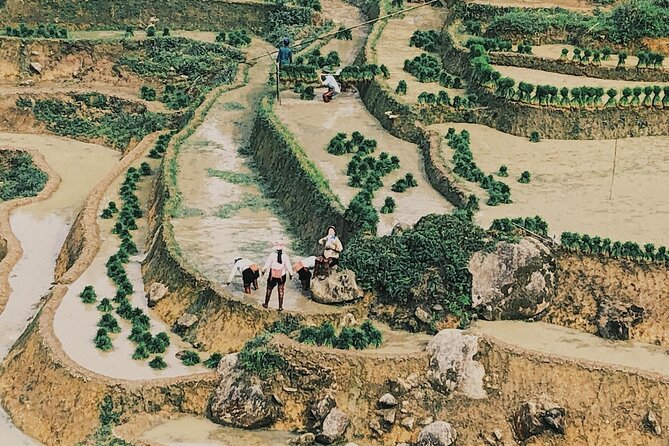
Your first big walking block is wrapped around village stops in the Muong Hoa area. These are short compared to a full-day hike, but they’re meaningful because they place you right where the terraces and villages are.
Y Linh Ho: quiet valley views
You’ll spend about 1 hour at Y Linh Ho, described as peaceful with beautiful scenery in the Muong Hoa valley. This is the kind of stop where you can slow down, take photos, and catch your breath without feeling rushed. It’s also a nice way to ease into the day before you commit to the overnight plan.
Lao Chai: a village stop that hits fast
Next is Lao Chai, again around 1 hour. It’s set about 7 km southeast of Sapa town’s center and sits in a valley called Muong Hoa. The description leans poetic, but the practical takeaway is this: you’re walking among homes and fields, not just along viewpoint edges.



Ta Van Village: Giay stilt houses and a real homestay night
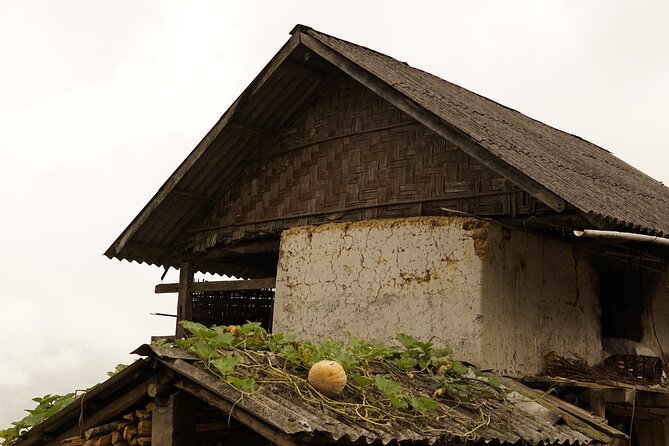
Then comes the main event: Ta Van Village, where you stay overnight. The village is described as a charming Giay community by the river, known for warm hospitality and stilt houses. You’re there for about 12 hours, which is the time window that usually includes dinner, conversation, and sleeping arrangements.
This is also where the tour goes from “trekking day” to “Sapa experience.” You share dinner and cultural stories with your hosts. That doesn’t mean it’s a performance—you’re simply part of the family’s evening rhythm for a night.
A couple practical tips for homestays:
- If you want photos, ask first.
- Keep your phone use respectful. The best moments are often the quiet ones.
- Pack a small layer for the evening if you run cold; mountain nights can surprise you.
Bamboo Forest to Giang Ta Chai: shaded walking and Red Dao traditions

After Ta Van, the route shifts into a more nature-focused walking segment and then into deeper cultural context.
Bamboo forest: walking under tall stems
You’ll have a 1-hour stop for the Bamboo Forest route. It’s shaded by tall bamboo trees and connects Giang Ta Chai to Su Pan. Even when the trail is busy, this kind of shaded path helps you feel the change in terrain and temperature. It also makes the day feel less repetitive than straight valley walking.
Giang Ta Chai: Red Dao customs and herbal medicine
Next is Giang Ta Chai Village (about 1 hour). This is home to the Red Dao people, and the tour description highlights bamboo forests and waterfalls. The cultural angle here is strong: you learn about traditional herbal medicine and Red Dao customs.
This is one of the reasons I like tours like this when they’re done well. It gives you a way to interpret what you’re seeing. You’re not just passing through a pretty place; you’re being told how people understand plants, remedies, and community life.
One more note: the experience is guided by local H’mong experts. They’re the bridge between your world and the villages. On guided treks, this is where the best guides stand out—when they can explain without making it feel like a lecture.
Su Pan: terraced-field views and an easy back to Sapa

The last village stop is Su Pan for about 1 hour. It’s described as quiet and overlooking the valley, with panoramic views of terraced fields and rugged mountains. This is your payoff hour—time to take pictures, stretch out, and look across the terrain you’ve been walking through.
Then you transition to comfort. After Su Pan, you return to Sapa town by motorbike or car. That’s a smart design choice for a two-day itinerary. It lets you save energy for the bus ride back rather than grinding uphill all the way to the finish line.
Price and value: what you get for $89
At $89 per person, this trek looks competitive if you compare it to booking transportation, guide time, and the homestay separately.
Here’s what’s included:
- Entrance tickets (the itinerary lists ticket inclusion across multiple stops)
- Bottled water
- Lunch and breakfast
- The homestay experience in Ta Van is part of the overnight plan
And what’s not included:
- Insurance
- Tips
On a practical level, the value comes from three things working together:
1) The included sleeping bus from Hanoi to Sapa (and back).
2) The guided route that hits multiple villages rather than one viewpoint and done.
3) The homestay night, which is usually the hardest piece to “DIY” cleanly and safely when you don’t speak the language and don’t know which families are expecting guests.
If you like comfort planning, this tour also keeps things structured. Your guide leads the route and manages the walking transitions, so you’re not spending the trip figuring out where to go next.
How hard is it really? Pace, distance, and footwear

This is where you should be honest with yourself. The tour is described as requiring moderate physical fitness, and the walking does add up.
From the experience reports shared by people who did this kind of trek with the operator:
- One trek version totals around 15 km, including breaks and lunch.
- Another mentions walking around 5 hours, with lunch included in that window.
- People call it a bit hard, and they note that local girls help if you need support.
That last point matters. It suggests the trail is manageable for many people, but you shouldn’t pretend it’s effortless. If you can handle uphill-ish village paths, uneven ground, and a steady walking pace, you’ll likely be fine.
My practical packing advice for this style of Sapa trek:
- Wear sturdy shoes you trust on uneven paths (not brand-new sneakers).
- Bring a rain layer. Even if the forecast looks okay, mountain weather shifts.
- Pack a small bag for essentials, since you’ll be moving between villages.
- If you’re sensitive to cold, bring an extra layer for the homestay evening.
Guide quality and local knowledge: what makes it feel worth it

The guide role here is not just logistical. It shapes how you understand what you’re seeing.
The tour description emphasizes local H’mong experts who know the trails and the cultural context behind the route. That matches what people highlight in their experience: guides described as professional, accommodating, patient, and friendly—and people learning about the local economy and how different tribes live side by side.
Some guide names mentioned include Sisi and Dzi. Since those names come from different experiences, don’t assume you’ll get one exact person. But do treat the guide as a key part of the value. When you ask questions—about daily work, village life, or what you’re walking past—you get more out of the day than if you only focus on photos.
A simple checklist: who this trek suits best
This tour fits best if you want:
- a small-group trek (max 10)
- authentic village encounters in places like Ta Van, Lao Chai, and Giang Ta Chai
- an overnight homestay rather than a hotel night
- moderate hiking with built-in breaks and included meals
It might feel less ideal if you:
- want a no-effort sightseeing day
- don’t like uneven trails or steady walking time
- are traveling with limitations and can’t handle moderate fitness demands
Should you book this Sapa overnight trek?
Yes—if your idea of Sapa is villages, terraces, and learning how people live more than it’s just big viewpoints. The mix of guided village stops, bamboo forest walking, Red Dao cultural context at Giang Ta Chai, and the Ta Van homestay is exactly the kind of itinerary that makes Sapa feel human.
Book it especially if you’re traveling with a tight schedule and want to take advantage of the sleeping bus from Hanoi. You’ll be tired from the travel, but you’ll also be moving faster toward the experience.
Don’t book it if you’re looking for an easy walk or you’re very weather-dependent. This is the kind of trek where conditions matter, and the tour itself expects good weather to operate smoothly.
FAQ
How long is the trekking tour from Hanoi to Sapa?
The tour duration is listed as about 23 hours to 1 day (approx.) and it includes walking time from Sapa to the villages.
Where do I meet the tour?
The meeting point and end point are listed at Saigonese Trekking House, 02 Nguyễn Chí Thanh, TT. Sa Pa, Sa Pa, Lào Cai, Vietnam. The tour start time is 7:00 am, and after the trekking trip the car/van drops you off in Sa Pa town at the office.
Is lunch and breakfast included?
Yes. The tour includes lunch and breakfast, plus bottled water.
What about entrance fees?
Entrance tickets are included. The tour lists tickets/entrance as included as well as ticket inclusion across multiple stops.
What fitness level do I need?
You should have moderate physical fitness. The trek involves several hours of walking, including a day segment around five hours (with lunch included in that walking time in one experience), and one report notes about 15 km total.
What if the weather is bad or I need to cancel?
The experience requires good weather. If it’s canceled due to poor weather, you’ll be offered a different date or a full refund. You can cancel for a full refund up to 24 hours in advance; within 24 hours, the amount paid is not refunded.