REVIEW · KATHMANDU
Manaslu Circuit Trek – Untouched trail
Book on Viator →Operated by Trek Around Himalayas Pvt. Ltd. · Bookable on Viator
Quiet peaks on an untouched Manaslu trail make you slow down. I love the untouched-trail feeling in the Manaslu Conservation Area, where dense forests, glacier country, and high-altitude lakes keep changing the mood of your trek. You also get wildlife context here, from snow leopard to Himalayan tahr, even if you won’t spot every species.
I also love how Bimal and the team handle the tough logistics early: permits, TIMS and special park paper (including MCAP/ACAP), and an experienced English-speaking guide. That kind of organization matters when you’re walking long days and you’d rather spend your energy on the trail than paperwork.
The main drawback is the altitude grind and the need for good weather. You’ll hit Larkya La at 5,160m, and one long walking day is listed around 9 hours, so you should be ready with moderate fitness and a flexible mindset.
In This Review
- Key highlights that make this trek worth considering
- Manaslu Conservation Area: what makes this circuit feel “untouched”
- Kathmandu warm-up days: Durbar Square and the big temple trio
- Trek day one into the Gurung country: Soti Khola to Machha Khola
- Khola Besi hot springs and the rivers you’ll keep meeting
- Namrung to Lho: Ganesh, Siringi, Himchuli, and gompa time
- Samagaon acclimatization: mani stones, Sherpa village life, and Pungyen Gompa
- To Samdo and toward Larkya La: Kermo Kharka and glacier energy
- Descent into Annapurna country: Sangure meadow to Dharapani
- Price and logistics: what $1,350 includes, and what it doesn’t
- Who should book this trek (and who should reconsider)
- Should you book Manaslu Circuit Trek – Untouched trail?
- FAQ
- How long is the Manaslu Circuit Trek?
- Where does the trip start and include what in Kathmandu?
- What kind of accommodation will I have during the trek?
- Are permits included?
- Will I have a guide, and do they speak English?
- What meals are included?
- Is emergency rescue included?
- What should I know about weather and cancellation?
Key highlights that make this trek worth considering
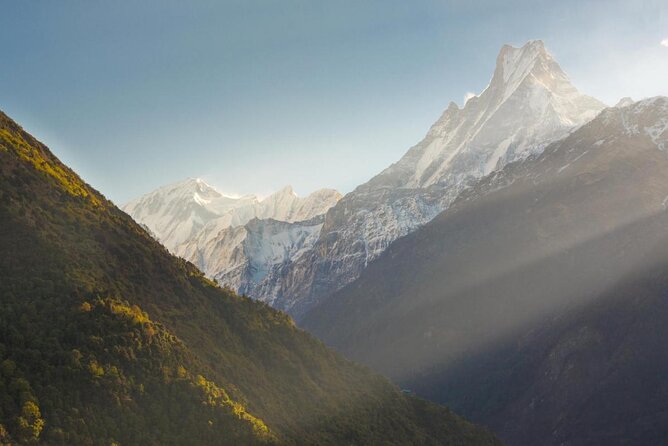
- Larkya La Pass (5,160m): a high point with dramatic views and a big-feeling day
- Samagaon acclimatization day: built in so your body can adjust before going higher
- Kathmandu heritage stops: Durbar Square plus Boudhanath, Pashupatinath, and Monkey Temple days
- Permits and paperwork handled: TIMS and special permits including MCAP/ACAP are included
- Tea-house trekking style: twin-sharing accommodation along the route keeps logistics simple
- Support in the mountains: emergency rescue service is included, but rescue costs and tipping are not
Manaslu Conservation Area: what makes this circuit feel “untouched”
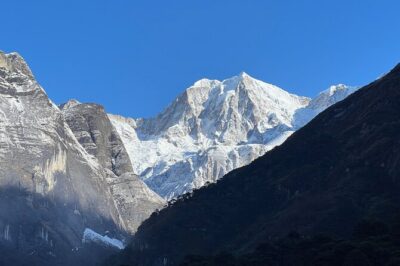
Manaslu Conservation Area covers a huge chunk of Nepal’s high country, and that scale shows up on the trail. Days move through Gurung villages, bamboo and juniper forests, alpine grassland, and then into the glacier-and-moraine zone around Larkya La. It’s not just about pretty views. It’s about the rhythm: walk, cross a river, climb, rest, and repeat, with the scenery shifting from “green and human” to “high and wild.”
This is also a serious wildlife region. The area is home to snow leopard, grey wolf, musk deer, blue sheep, and Himalayan tahr, plus many bird species. The exact animals you’ll see are never guaranteed, but having that conservation context makes the whole trek feel more meaningful—like you’re moving through a living ecosystem, not just a photo route.
If you want a Nepal trek that feels less crowded and more about wilderness, Manaslu fits. And if you’re the type who likes to notice details (mani stones, chortens, gompas, and how villages change with altitude), this route rewards you.
You can also read our reviews of more tours and experiences in Kathmandu.



Kathmandu warm-up days: Durbar Square and the big temple trio
Before you earn your mountain legs, you get a smooth Kathmandu start. You’ll be picked up at Tribhuvan International Airport in a private vehicle, then checked into your hotel to refresh and prep for trekking and shopping.
Day 1 includes Kathmandu Durbar Square admission, which is a great place to get your bearings fast. It’s historic, dense with culture, and easy to use as a first-day “walking museum” while you’re still adjusting to altitude in the city.
Day 2 shifts to UNESCO-class spiritual landmarks: Boudhanath, Pashupatinath, and Monkey Temple. Boudhanath is described as the oldest stupa in the country and a major Buddhist pilgrimage site. Pashupatinath is framed as the holiest Hindu temple worldwide. The mix of Buddhist and Hindu sites gives you a quick cultural contrast before the trek strips your day down to trail and sky.
Practical note: entrance fees vary by site. The tour lists Kathmandu sightseeing entrance fees as not included overall, even if Durbar Square admission is covered on Day 1.
Trek day one into the Gurung country: Soti Khola to Machha Khola
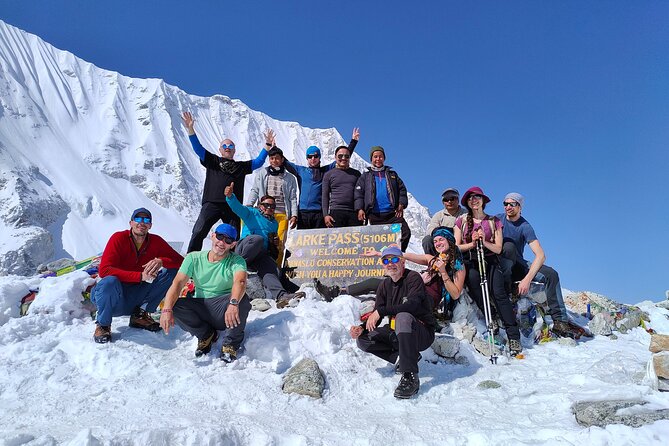
When trekking starts, it starts for real. You wake up around Soti Khola, eat breakfast, and then begin the hike toward Machha Khola. This is one of those opening segments where your legs learn the trail’s language: steady uphill stretches, river crossings, and the feeling that the mountains are slowly “turning on” above you.
The route you’re given covers a distance between Soti Khola and Machha Khola (listed around 14.1 km) and a climb from about 700m up to around 869m. The walking time is around 6–7 hours. That’s a solid first day because it’s long enough to set your pace, but not yet the brutal high-altitude slog.
What makes it special is the human texture. You pass through Gurung villages, with places like Lapubesiu and Khanibasi mentioned along the way. These aren’t just dots on a map. They’re the reason trekking here feels different from a purely wilderness hike—you see how people live at the mountain’s edge, and you get small breaks that actually help you absorb the landscape changes.
Khola Besi hot springs and the rivers you’ll keep meeting
As you gain elevation toward Machhakhola, the trail continues to push upward (Machhakhola is listed around 1,340m on this portion). The walk time on that segment is about 6 hours, and the route description highlights some of the best views due to the higher elevation.
One of the smarter breaks in this kind of trek is the hot spring at Khola Besi. After hours of climbing, even a modest soak can reduce the “everything hurts all at once” feeling that hits many first-time circuit trekkers.
Then the trail keeps threading through valleys and forests. You move via Gurung villages (Philim is mentioned) and cultivated lands to Ekle Bhattai, crossing the Budi Gandaki river, then walking through bamboo forest to Deng. From Deng, you cross the Deng river and sleep in the village of Deng. That sequence matters: bamboo forest brings shade and a different walking feel than open farmland, and repeated river crossings are a constant theme on this route.
If you’re thinking about comfort, this is where I’d focus your packing strategy: quick-dry layers, a good rain plan, and shoes that handle muddy edges at river crossings.
Namrung to Lho: Ganesh, Siringi, Himchuli, and gompa time
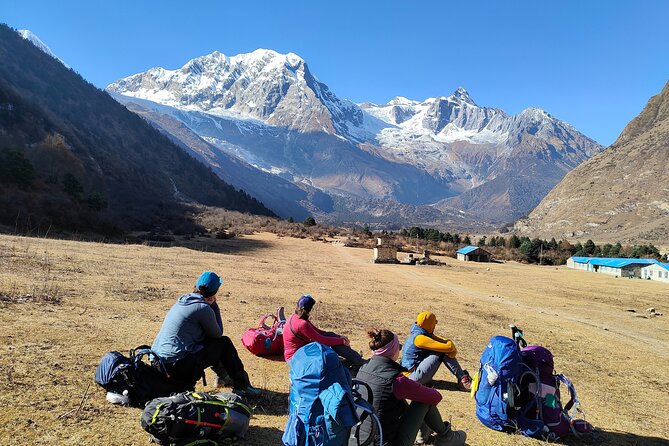
From Namrung onward, the mountains start showing their “names.” You’ll trek from Namrung with views of Mount Ganesh, Siringi, and Himchuli mentioned, and the day’s description also includes monasteries and mani stone culture.
On this stretch, the route moves through forest and farm fields to Lihi village, then through Sho village to Lho village. Lho is where you get magnificent views of Manaslu itself. You’ll also explore Ribung Gompa in Lho village, then continue trekking to Shyala.
Shyala is described as a dramatic viewpoint area—views of Himchuli, Peak 29, Manaslu, and numerous snow-capped peaks. It’s also where the trek starts to feel like a “collector route,” with multiple mountain perspectives in a short time.
That sets you up for Samagaon (Samagaon is your next overnight stop). The key is that you don’t just keep climbing every day. You get cultural anchors—chortens, gompas, village rhythms—so the altitude doesn’t feel like a single long grind with no mental breaks.




Samagaon acclimatization: mani stones, Sherpa village life, and Pungyen Gompa
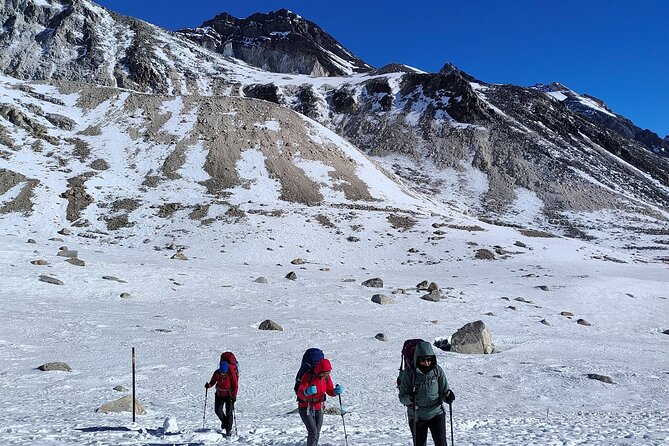
This trek wisely gives you a rest day in Samagaon. After reaching Samagaon, you spend a day acclimatizing and exploring the village. It’s described as mostly inhabited by Sherpa community, and you can find thousands of mani stones around the village.
A day like this is more valuable than it sounds. Your body needs time to adjust before you push toward higher terrain like Samdo and the Larkya La zone. Mentally, it also gives you space to slow down and actually notice the setting. When you’re trekking every day, details blur. In Samagaon, they don’t.
Later, you visit Pungyen Gompa, and your guide shares stories about the village and mountains. That kind of context turns mountain watching into something more than staring. It helps you understand why people build these places where they do and what the peaks mean locally.
If you tend to rush plans, don’t. Treat this day as part of your safety plan, not a sightseeing bonus.
To Samdo and toward Larkya La: Kermo Kharka and glacier energy
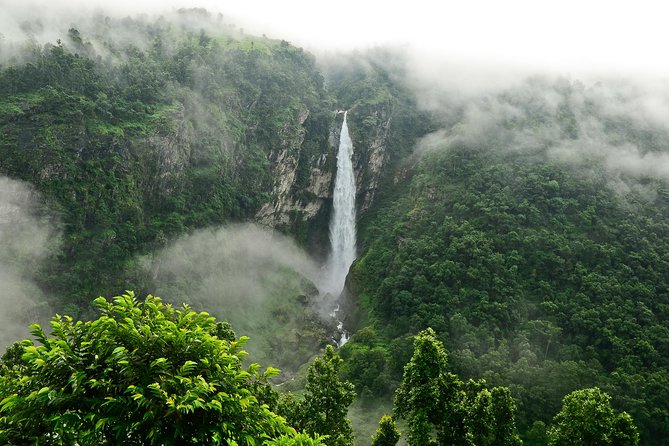
The next push carries you from Samagaon toward Samdo through birch and juniper forest, then out into alpine grassland at Kermo Kharka. The route notes crossing the Budi Gandaki on a wooden bridge to reach Samdo, and the walking time is listed around 5 hours.
This segment is important because it moves you from “settled village trek” into “high-altitude calm.” Alpine grassland feels open, exposed, and very different under wind. If weather turns, it’s also the point where your clothing choices matter more.
From here, you go deeper toward glacier terrain. On the next day, you trek around the Salka Khola valley while gazing at the Larkya glacier, then continue to Dharmashala, a stone-made hut. Dharmashala is where the climb period starts to feel real—less village bustle, more mountain silence.
Then comes the signature day: crossing Larkya La at 5,160m. The route gives a long walking time (around 9 hours) and describes stunning views of Larkya Peak, Himlung, Cheo, Kangguru, and Annapurna II. After the pass, you enter the view-heavy zone of Manaslu and then continue to Bimthang for the night.
If you’re sensitive to altitude, you’ll want to pace yourself here and not treat it like a cardio challenge.
Descent into Annapurna country: Sangure meadow to Dharapani
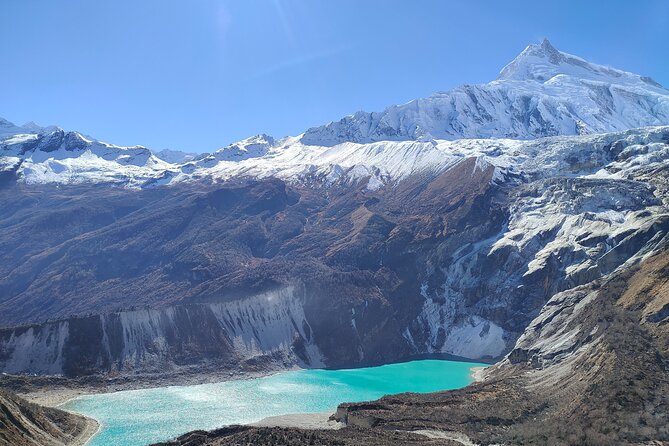
After Larkya La, the days shift from “climb mentality” to “manage your body on the way down.” You descend through Sangure alpine meadow and cross the Dudh river. The route description flags dramatic views of Manaslu, Lamjung, Himlung, and Cheo.
Then you continue through rhododendron forests and farm fields toward Gho and on to Dharapani for overnight. This is a big transition day because it moves you from high-mountain, cold-feeling terrain into warmer forested hiking and more settled farming scenery.
It’s also specifically noted that your last trek day steps into the Annapurna Conservation Area. That matters for a reason beyond geography: you’re not just changing elevation. You’re changing ecosystems, vegetation, and the way the valley communities show up.
Your final day ends with a finish back in Kathmandu, with you free to choose where to go next.
Price and logistics: what $1,350 includes, and what it doesn’t
At $1,350 per person for about 13 days, you’re paying for a lot of “trek infrastructure,” not just scenery.
Included items that actually reduce stress:
- Twin-sharing tea-house accommodation during the trek
- All ground transportation as per the route
- Permits and paperwork, including TIMS and special permits (MCAP/ACAP) and the required trek-related admin
- An experienced English-speaking guide
- Emergency rescue service
- Airport pickup and drop plus Kathmandu valley sightseeing
- Meals: 12 breakfasts, 11 lunches, 10 dinners
Also included are comforts that are easy to underestimate, like private vehicle transfers in Kathmandu and the practical side of “someone has your back” on the mountain plan.
Not included (so plan cash accordingly):
- Nepali visa and international airfare
- Personal expenses like bar bills, laundry, phone calls, and internet
- Hot shower and drinking water (listed as personal expense)
- Emergency rescue cost
- Tipping for guide, porters, and others
- Entrance fees in Kathmandu sightseeing spots (even though Durbar Square Day 1 admission is listed as included)
If you want value, focus on how much you’re spared: permit wrangling, coordination, and daily decision-making. If you’d rather DIY, that can be cheaper. If you’d rather not fight systems while planning altitude days, this package is the practical choice.
Who should book this trek (and who should reconsider)
This trek is built for people with moderate physical fitness who want a longer, classic circuit day structure. The walking times listed range from about 5 hours on easier days to around 6–7 hours on many days, with a heavier day around 9 hours during the Larkya La crossing.
It also suits you if you care about authenticity: Gurung villages, mani stones, chortens, chortens-and-gompa stops like Ribung Gompa and Pungyen Gompa, plus the wilderness scale of Manaslu Conservation Area.
Think twice if you’re:
- New to altitude and not comfortable with a 5,160m pass day
- Unwilling to be flexible with weather (the experience requires good weather)
- Counting on hot showers or included drinking water as part of your everyday comfort
Good news: it’s a private tour, so you travel with only your group, not a mixed crowd.
Should you book Manaslu Circuit Trek – Untouched trail?
I’d book this if you want a Nepal trek where logistics are handled, you get serious mountain highlights like Larkya La, and you still get village culture instead of only glacier views. The day in Samagaon for acclimatization is the kind of built-in safety that makes the overall plan feel more thoughtful than a “just hike up and hope” trip.
If you can handle long walk days and you’re ready for cold, high-altitude conditions, this trek’s balance of wilderness, culture, and structured support is a strong match.
If not, consider it a “training goal” trip. Get fitter for longer days, practice hiking steadily, and plan your weather window carefully. This route rewards preparation.
FAQ
How long is the Manaslu Circuit Trek?
The trek is listed as 13 days (approx.).
Where does the trip start and include what in Kathmandu?
It starts in Kathmandu with airport pickup and includes Kathmandu Durbar Square, plus sightseeing at Boudhanath, Pashupatinath, and Monkey Temple.
What kind of accommodation will I have during the trek?
You’ll have twin-sharing tea-house accommodation during the trekking days.
Are permits included?
Yes. The package includes the required permits and paperwork, including TIMS and special permits (MCAP/ACAP) plus other necessary paperwork.
Will I have a guide, and do they speak English?
Yes. You’ll have an experienced, English-speaking trekking guide.
What meals are included?
Meals included are 12 breakfasts, 11 lunches, and 10 dinners.
Is emergency rescue included?
An emergency rescue service is included. However, the emergency rescue cost is not included.
What should I know about weather and cancellation?
The trek requires good weather. If it’s canceled due to poor weather, you’ll be offered a different date or a full refund. Free cancellation is available up to 24 hours in advance for a full refund.