REVIEW · AREQUIPA
Arequipa: Colca Canyon Trekking 2 days and 1 night + food
Book on GetYourGuide →Operated by Destinos y Rumbos · Bookable on GetYourGuide
Big canyon views come with big effort. That’s the Colca Canyon trek in a nutshell, with early starts, high-altitude hiking, and classic viewpoints that feel made for photos. You’ll start with the famous Cruz del Condor area for condors and canyon shape, then shift down into the Colca River world at Sangalle, where the air cools off and the stars come out because there’s basically no infrastructure.
What I like most is the mix of wow-factor sights and real walking. The day-one canyon descent has you passing through familiar Colca villages and viewpoints, then ending in a spot by the river where you can actually relax in the valley pools. The second day brings a steep-ish return hike plus thermal baths back near town, so the trip feels complete: adventure in the canyon, then a gentler finish.
One thing to consider before you book: this trek is hard. Expect hikes at altitude (over 3,000 meters), and the rustic lodge is shared and powered only by solar, with limited light at night. Based on what people have reported, room conditions can be rough—think mold concerns and occasional toilet quirks—so it’s smart to go in with flexible expectations and solid fitness. Also, you’re dealing with an early-morning schedule and a steep 2nd-day climb if you push on.
In This Review
- Why This Colca Canyon Trek Works (Cruz del Condor to Sangalle)
- From Arequipa Pickup to Chivay Breakfast: Why the Start Time Matters
- Cruz del Condor Viewpoint: The Canyon Gets Real
- Day 1: The Descent Into the Canyon, Villages Along the Way, and Lunch at San Juan de Chucho
- Sangalle Valley: Pools, Dinner, and a Night Without Normal Comfort
- Day 2 at 5:00am: The Ascent Back to Cabanaconde and a Guide Who Keeps You Moving
- Thermal Baths and Volcano Viewpoints: The Practical Recovery Half of the Trip
- What You’re Really Paying For: Value, Included Meals, and the Extras You Must Budget
- Who Should Book This (and Who Should Skip It)
- Gear and Prep: Simple Things That Make a Hard Trek Safer
- Final Verdict: Should You Book the 2 Days and 1 Night Colca Trek?
- FAQ
- What time do you get picked up in Arequipa?
- How long is the trekking part?
- What meals are included?
- Where do you sleep overnight?
- Is there electricity, internet, or phone charging at the lodge?
- Are the thermal baths included?
- What should I bring for the trek?
- Who should avoid this tour?
Why This Colca Canyon Trek Works (Cruz del Condor to Sangalle)
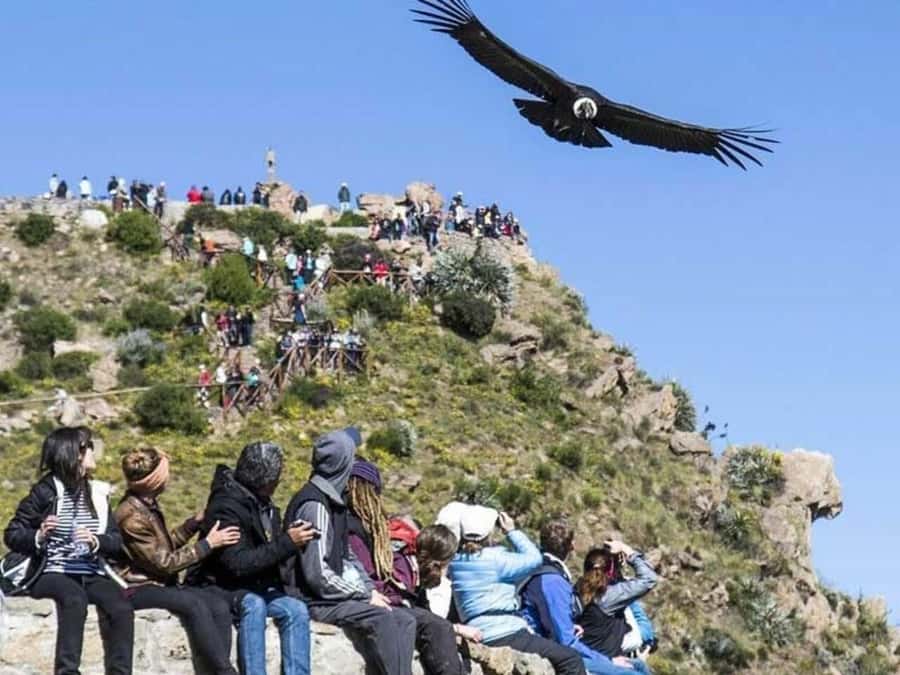
Condors at Cruz del Condor are the classic opener. It’s one of those places where the canyon isn’t a background—it’s the main subject, and the sky traffic (condors) is the show.
Sangalle pools make the “I survived the trek” feeling real. You’re rewarded with a chance to cool down and reset in the valley after a long first hiking day.
Guides like Alix, Carlos, and Alex add real value. They’re high-mountain tour guides who explain what you’re seeing and help if someone is struggling.
Shared rustic lodge sleep is part of the experience. You won’t have normal hotel comfort, and electricity is limited.
Thermal baths stop gives you a practical recovery moment. It’s not just scenic—it’s built-in downtime before your ride back to Arequipa.
From Arequipa Pickup to Chivay Breakfast: Why the Start Time Matters
This tour begins ridiculously early. You’ll get picked up near the Arequipa main square between 3:00 and 3:30am, then head toward Chivay on a drive that takes about 3 hours. The goal isn’t drama. It’s timing. You need the early morning hours to reach Cruz del Condor when conditions are right for spotting condors and seeing the canyon clearly.
Breakfast lands around 6:00am at a tourist restaurant. It’s a key part of your day because you’re about to transition from sitting in a van to hiking in high altitude terrain. Eat like you mean it: warm carbs and protein are what keep your legs moving later, especially on day two.
After breakfast, it’s about another hour of travel before you reach the Cruz del Condor viewpoint. If you ever wonder why tours like this sound intense, it’s because the itinerary is built around one thing: maximizing visibility and getting you into the canyon before the day heats up.
You can also read our reviews of more tours and experiences in Arequipa.
Cruz del Condor Viewpoint: The Canyon Gets Real
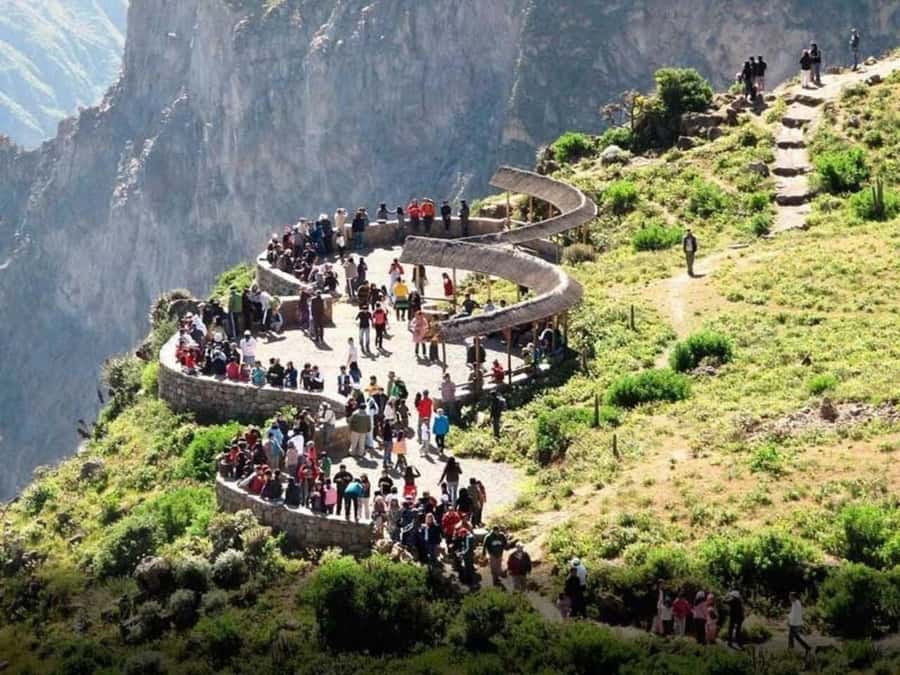
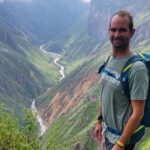
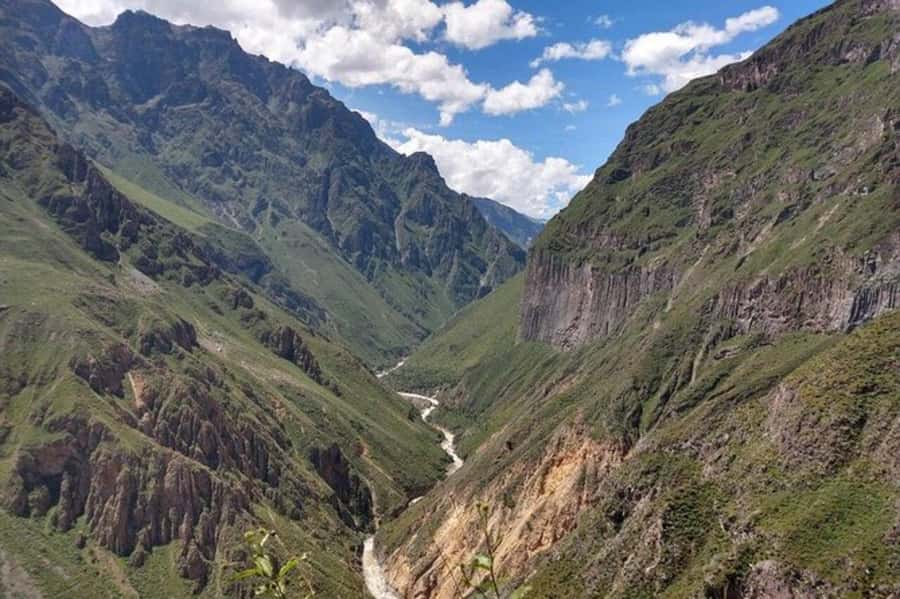
Cruz del Condor is where you first grasp the Colca Canyon’s scale. The viewpoint isn’t just pretty; it’s informative. From here, you can see the canyon’s shape and how the villages and river systems fit into the bigger geography.
Then comes the signature moment: condors. Even if you don’t treat this like a wildlife safari, pay attention to where other birds are circling and watch the sky for those long-wing glides. This is one of those “you’ll know it when you see it” experiences, and it sets the tone for the hikes that follow.
Once you’ve taken in the viewpoint, the tour continues by passing through villages such as Cabanaconde and La Pampa de San Miguel. You start to shift from viewing the canyon to understanding how people live in it—and that changes the way you experience the terrain once you begin hiking.
Day 1: The Descent Into the Canyon, Villages Along the Way, and Lunch at San Juan de Chucho
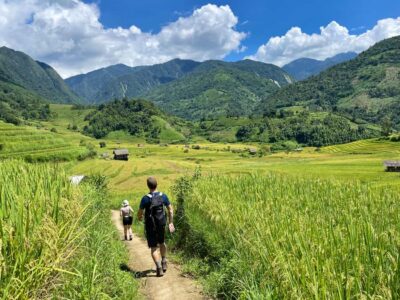
Day 1 is a real hiking day. After transport brings you to the area where the hike begins, you’ll walk while appreciating views of the interior canyon and the villages along the route.
The route includes a town stop that functions like your reset point. After about 4 hours of walking, you reach San Juan de Chucho, where lunch is served. This matters because it breaks up the day before you go deeper into the canyon.
Then you continue for roughly 3 more hours to reach Sangalle. Along the way, you pass by villages including Cosñirhua and Malata, where there’s a small museum stop. Don’t treat it like a “quick bathroom stop museum.” Even if you only catch key explanations, it gives context for the human side of the canyon, not just the scenery.
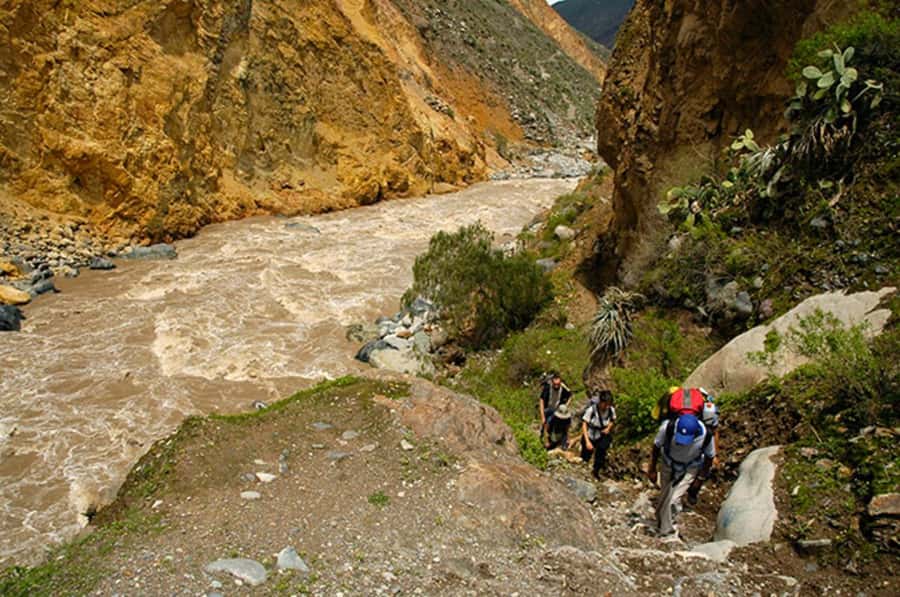
This part of the day is also where footwear choice really pays off. You’ll want comfortable, grippy hiking shoes and an attitude of slow steps. At altitude, pacing is safety.
Sangalle Valley: Pools, Dinner, and a Night Without Normal Comfort
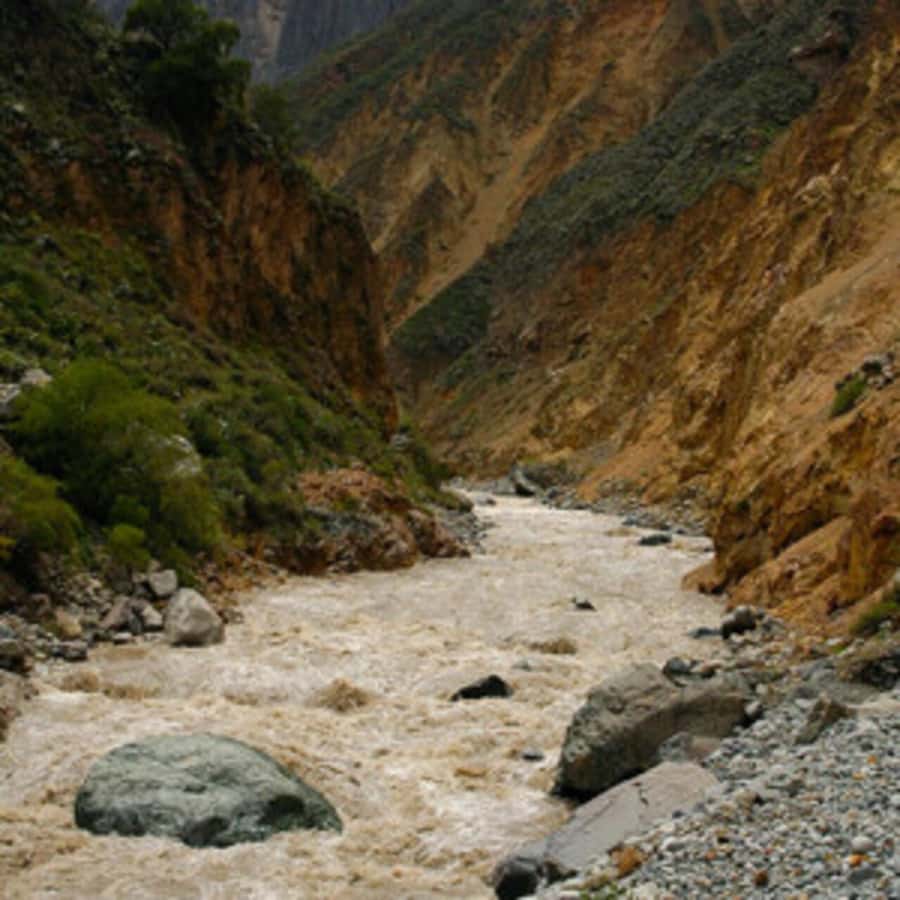
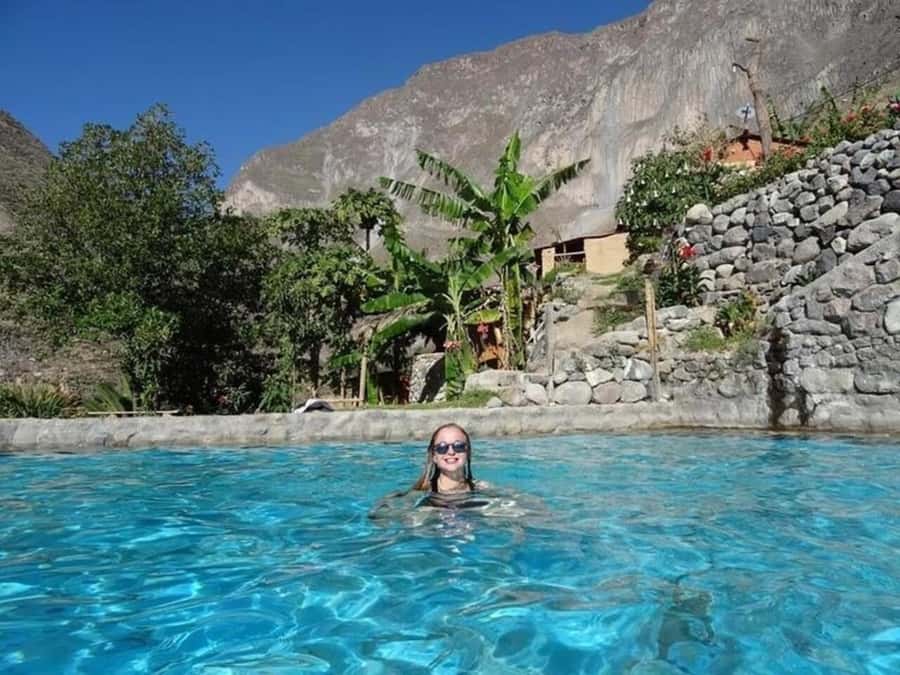
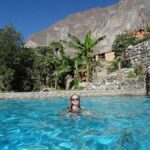
Sangalle is the payoff on day 1. You arrive into a canyon valley setting in the heart of the Colca River area, and you get time to enjoy the pools. Bring swimwear and towel, because this is one of the few chances during the trek to cool off and loosen your legs.
Dinner comes in the evening, and then you sleep at the lodge-style accommodation (Oasis lodge / lodge Sangalle). Here’s what to know up front:
- Rooms are shared, basic, and rustic.
- There is no normal city setup: no electricity/internet in the usual sense.
- Power is limited via solar, and lights come on for only a couple hours at night.
- You can plan on charging problems because the info says cell phones cannot be charged.
That “no distractions” feeling can be part of why people love this trek. When the sky clears, the stars become a whole event. Just don’t expect a hotel room. Bring layers, and don’t plan on doing anything online at night.
Also, take the accommodation seriously. One report flagged mold in rooms and a toilet that worked only sometimes. You don’t need to panic—but you should go in mentally prepared for rougher conditions than you’d get on a standard lodge.
Day 2 at 5:00am: The Ascent Back to Cabanaconde and a Guide Who Keeps You Moving
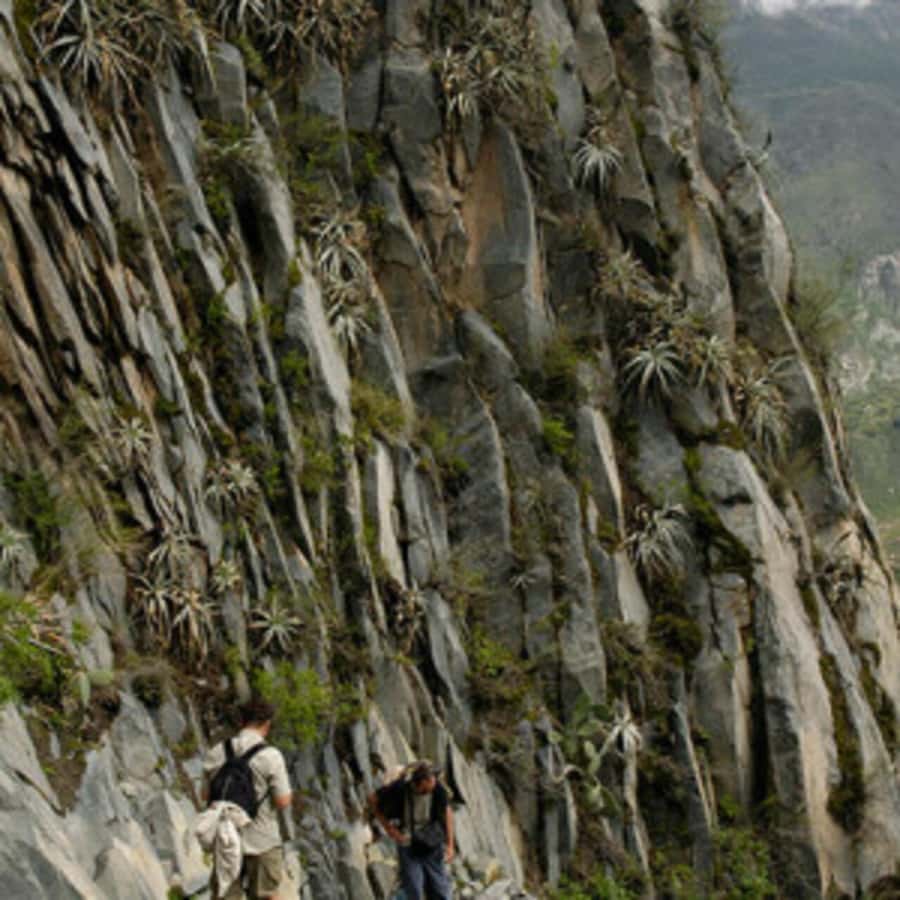
Day 2 starts very early, around 5:00am. You’ll begin the hike to Cabanaconde, with an ascent that takes about 3 hours. This is the part of the trek that often feels most demanding, especially after day 1 leg fatigue.
When you arrive, breakfast is served. After high-altitude climbing, breakfast isn’t optional. It’s the fuel that helps you handle the rest of the day: waiting for transport, then more sightseeing stops, and finally the ride back toward Arequipa.
This is also where your guide matters. In past experiences with guides named Carlos and Alex, they were described as supportive and good at explaining what you’re seeing. If you’re worried about finishing, know this: strong guides can help you manage pace, and they can organize solutions if someone can’t continue on the second day.
Then you head back to Chivay by transport, with picture and view stops along the way. It’s not constant walking anymore, but it’s still a long day.
Thermal Baths and Volcano Viewpoints: The Practical Recovery Half of the Trip
Around 11:30am, you’ll go to thermal baths. The pools themselves are part of the point, but the hot springs fee is not included; it’s listed as extra cash (S/. 15). So budget for it if you want the soak.
Lunch in Chivay happens at about 12:30pm, but that one is on you (not included). Plan for a mid-day meal that matches what your body wants—something easy to digest. After two days at altitude, a heavy, greasy lunch can feel like a bad idea.
After lunch, the return to Arequipa begins around 13:30pm. There are scenic stops along the way, including:
- A viewpoint of volcanoes, with a highest point around 4,910 meters above sea level.
- Wetlands of Tocra, where you can see wild birds and also herds of alpacas and llamas.
- Pampa Cañahuas, where vicuñas may be spotted. This area is part of the Aguada Blanca and Salinas National Reserve.
Then you arrive back in Arequipa around 17:30pm. In other words: day 2 isn’t a lazy day. It’s a recovery day plus sightseeing, and your legs will feel the difference.
What You’re Really Paying For: Value, Included Meals, and the Extras You Must Budget
At $150 per person for 2 days, the value is in what’s bundled: pickup near the main square, round-trip transportation, a bilingual high mountain tour guide, two breakfasts, one lunch on day 1, one dinner on day 1, and the Sangalle lodge stay.
What’s not included is also important. You’ll want to budget cash for:
- Tourist ticket (national fee amounts vary by category; foreigners are listed at S/. 70, Latin Americans at S/. 40, and there are other rates).
- Hot springs fee (S/. 15 cash).
- Lunch on day 2 (passenger expense).
If you’re traveling with limited time in Peru, bundled meals and transport can be worth it. This isn’t a DIY trek you’d assemble easily on a tight schedule. But you do need to bring the practical items: proper shoes, sunscreen, hat, sunglasses, swimwear, towel, and cash.
Who Should Book This (and Who Should Skip It)
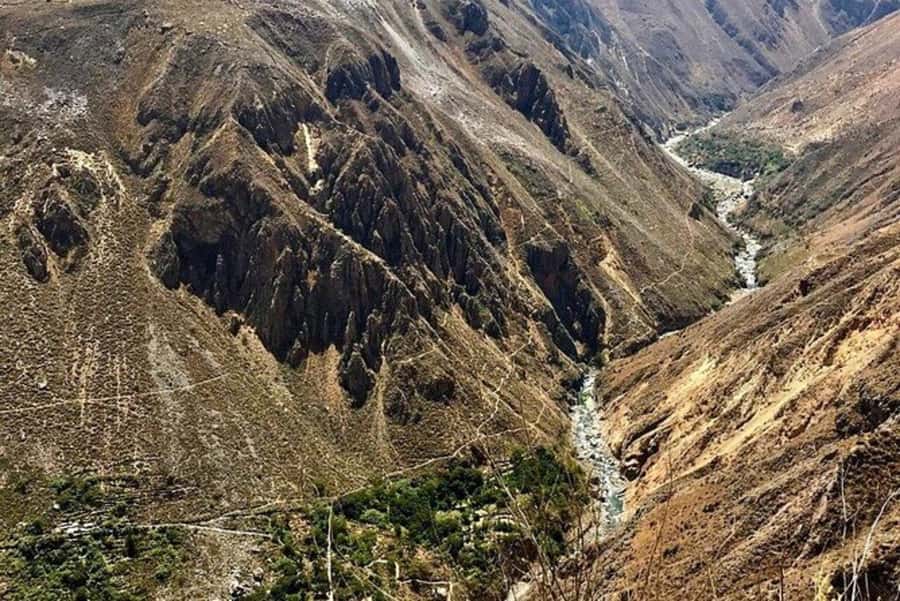
This trek is best for people who are comfortable hiking uphill at altitude and can handle 6 hours of hiking per day on mountainous terrain. It specifically notes high altitude (over 3,000 meters), and good physical condition is required.
It’s not suitable for:
- People with back problems
- People with mobility impairments
- People with altitude sickness
- People with low level of fitness
- People over 70
If you’re unsure, don’t gamble. Choose the option that matches your fitness. The canyon punishes overconfidence.
If you’re a fit hiker who likes structure—early starts, a guide who keeps things moving, and a finish that includes thermal baths—you’ll probably feel like you got your money’s worth.
Gear and Prep: Simple Things That Make a Hard Trek Safer
Here’s what you should pack, based on what the trek requires:
- Passport or ID card
- Comfortable shoes / hiking shoes
- Sunglasses, hat, sunscreen
- Change of clothes plus comfortable clothes
- Swimwear, towel (for Sangalle pools)
- Sandals (useful for downtime after hiking)
- Charged smartphone
- Cash (for tickets and extra fees)
A couple practical notes:
- Layers beat one heavy jacket, especially at night in a canyon valley.
- Take altitude seriously. Even if you feel okay the first morning, the second day ascent is where fatigue and altitude can stack up.
- Alcohol and drugs aren’t allowed, so plan your evenings around rest, not partying.
Final Verdict: Should You Book the 2 Days and 1 Night Colca Trek?
Book it if you want a real two-day trek with classic Colca Canyon highlights: Cruz del Condor for condors, a day of canyon walking through village scenery, Sangalle pools, and a guided return with thermal baths and reserve-area wildlife chances.
Skip it if you’re not confident with high-altitude hiking or if rustic lodging discomfort will ruin your trip. The hike is demanding, and the accommodation is basic and shared. Also, if you’re sensitive to room condition issues (mold reports, occasional toilet trouble), this is something to weigh carefully.
If you do book, go in with the right expectations: you’re buying a guided mountain experience, not a plush hotel getaway. And when the condors circle and the canyon opens up, it’s the kind of day that stays in your head longer than your sore legs.
FAQ
What time do you get picked up in Arequipa?
Pickup is between 3:00 and 3:30am near the main square of Arequipa.
How long is the trekking part?
The itinerary is 2 days. The hiking includes long days, with up to about 6 hours of hiking per day mentioned, plus a second-day ascent of around 3 hours.
What meals are included?
You get 2 breakfasts (day 1 and day 2), 1 lunch on day 1, and 1 dinner on day 1. Lunch on day 2 is not included.
Where do you sleep overnight?
You sleep at the lodge in Sangalle (Oasis lodge / lodge Sangalle) with shared, rustic rooms.
Is there electricity, internet, or phone charging at the lodge?
There is no normal electricity or internet in the canyon area. The lodge uses solar power, and lights come on only for a couple of hours at night, and cell phones cannot be charged.
Are the thermal baths included?
The tour includes the stop for thermal baths, but the hot springs ticket costs extra cash (S/. 15).
What should I bring for the trek?
Bring comfortable shoes or hiking shoes, sunglasses, a hat, sunscreen, swimwear, a towel, change of clothes, sandals, cash, and a charged smartphone, plus your passport or ID.
Who should avoid this tour?
It’s not suitable for people with altitude sickness, mobility impairments, back problems, low fitness, or people over 70 years old.