REVIEW · HANOI
Sapa trekking – Unique Route – 2D1N
Book on Viator →Operated by Compass Travel Vietnam · Bookable on Viator
A mountain walk can feel like a shortcut to culture. This one hits Y Linh Ho rice terraces and village trails, then drops you into daily life with a homestay vibe that still keeps basics covered, like showers and real meals. I love the mix of views plus real people you meet along the way, and I also love that the route is designed to avoid the usual crowd-pressure. One thing to consider: you’ll be walking for hours each day, so comfortable shoes and basic stamina matter.
Logistics are refreshingly clear: a 6:30 am start from central Hanoi, a bus ride up to Sa Pa, then trekking distances that are long enough to feel like a journey (6km and 4km) without turning the trip into a suffer-fest. The group stays small (max 10), and that usually means less waiting around and more chances to ask questions. If you want a Sa Pa taste that feels more local than postcard-only, this is a solid value at $116.93 per person, especially because meals are built in.
In This Review
- Key highlights from this 2D1N trek
- Sa Pa, but on foot: why this unique route feels real
- The 6:30 am Hanoi start: a workable plan, not a scramble
- Day 1: Y Linh Ho terraces, Muong Hoa Stream, Lao Chai and Ta Van
- Overnight at a Dao homestay: local life with basics covered
- Day 2: rice paddies and bamboo forest to Giang Ta Chai (Red Dao)
- Back to Sapa town: shower time, lunch, and the Hanoi return
- Meals included: how to budget without guessing
- Price and value: what $116.93 buys in the real world
- Who should book this trek, and who should pass
- Practical tips that make this route easier
- Should you book Unique Route 2D1N Sa Pa trekking?
- FAQ
- What time and where is the meeting point in Hanoi?
- How do you travel between Hanoi and Sa Pa?
- How long and how far is the Day 1 trek?
- How long and how far is the Day 2 trek?
- What village communities do you visit?
- Where do you stay overnight?
- What meals are included?
- When do you return to Hanoi?
- Is travel insurance included?
Key highlights from this 2D1N trek
- Y Linh Ho to Lao Chai and Ta Van (Day 1): about 6km and around 3.5 hours on village and terrace trails
- Muong Hoa Stream route: a scenic walking thread that breaks up the hike
- Dao homestay overnight: you sleep among local communities while still having modern necessities
- Giang Ta Chai (Day 2): a medium walk of about 4km through rice paddies and bamboo forest
- Small group size (max 10): easier pacing and more guide attention
- Meals included: breakfast plus dinner and lunch twice
Sa Pa, but on foot: why this unique route feels real
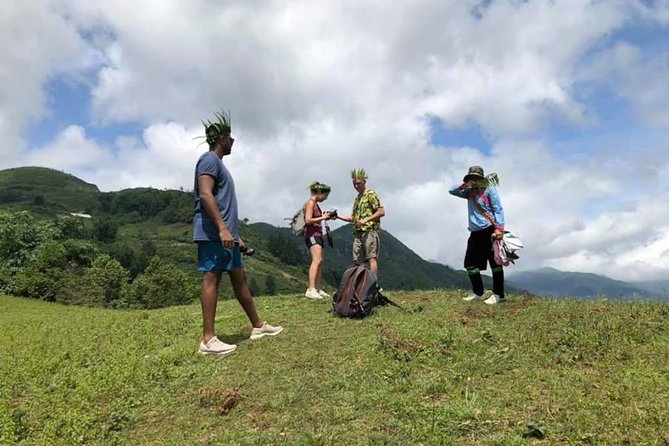
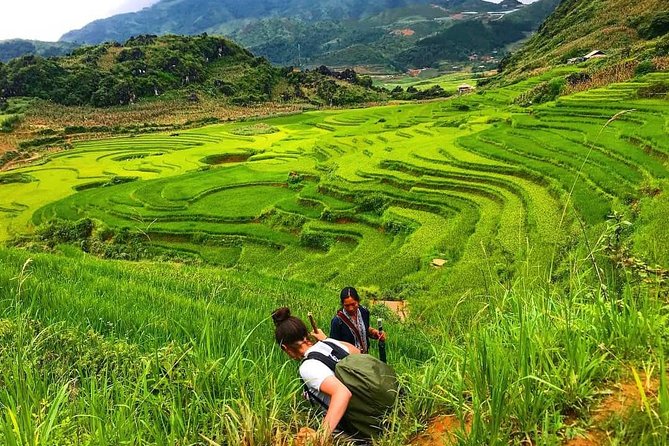
Sa Pa gets attention for a reason. The big draw is the Northern highland world: terraced rice fields, steep valleys, and ethnic village communities that still shape the days of the people who live there. The difference here is the route style. Instead of bouncing between viewpoints, you’re on smaller village trails that connect farming communities, rivers, and footpaths—so the trip doesn’t feel like a checklist.
I like that the trekking follows the geography you came for. Day 1 threads from Y Linh Ho down toward Lao Chai and Ta Van, with the Muong Hoa Stream in the mix. Day 2 continues through rice paddies and even a stretch of bamboo forest, which changes the feel of the walk without requiring extra effort from you.
You should also know what kind of authenticity this delivers. It’s not a museum experience. You’ll be moving through active places—fields, paths, and villages—at a human pace. That means your day is less about snapping photos nonstop and more about noticing how people live when you slow down.
You can also read our reviews of more tours and experiences in Hanoi.


The 6:30 am Hanoi start: a workable plan, not a scramble
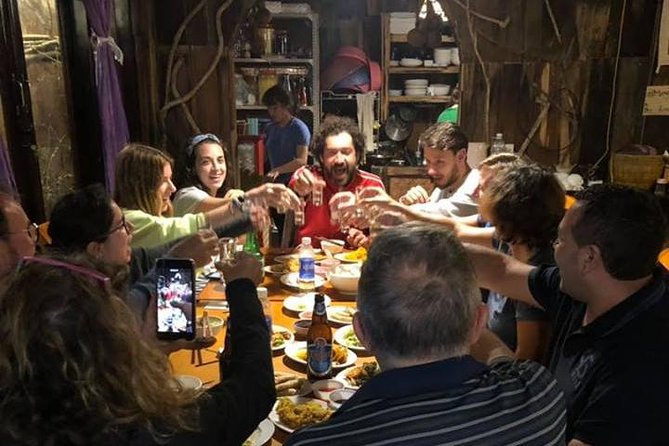
This tour begins early: you meet at 204 Đ. Trần Nhật Duật, Phố cổ Hà Nội at 6:30 am. The program then sends you by bus to Sa Pa. I’m a fan of morning starts when they’re organized, because it makes the day feel “used,” not wasted.
Here’s the timing rhythm that matters. You depart at 6:30 am, arrive in Sa Pa around 1:00 pm, and have lunch then. Only after that do you begin the main trekking segment at 2:15 pm. That lunch-and-reset window helps if you’re sensitive to travel fatigue. It also means you’re not hiking immediately after the bus without food or a proper break.
One practical consideration: if you don’t like early mornings, this can feel like a paywall to reach the mountains. Still, the rest of the day is paced so you’re not just rushing to survive the first hour.
Day 1: Y Linh Ho terraces, Muong Hoa Stream, Lao Chai and Ta Van
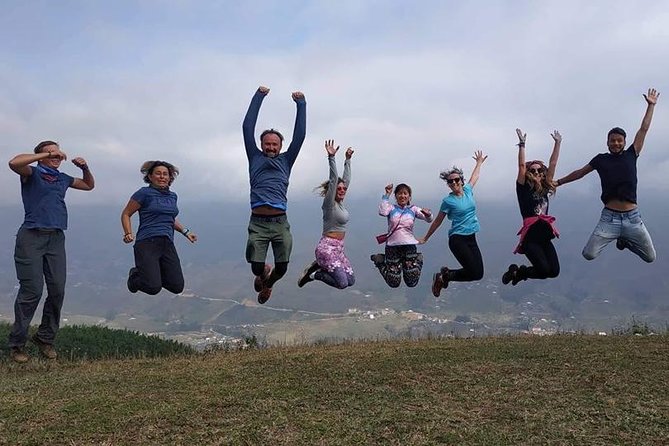
Day 1 is built around a classic Sa Pa descent-walk concept, but with the specific villages that make it meaningful. You start from Y Linh Ho and trek through rice terraces and alongside the Muong Hoa Stream. The walk is about 6km, taking roughly 3.5 hours.
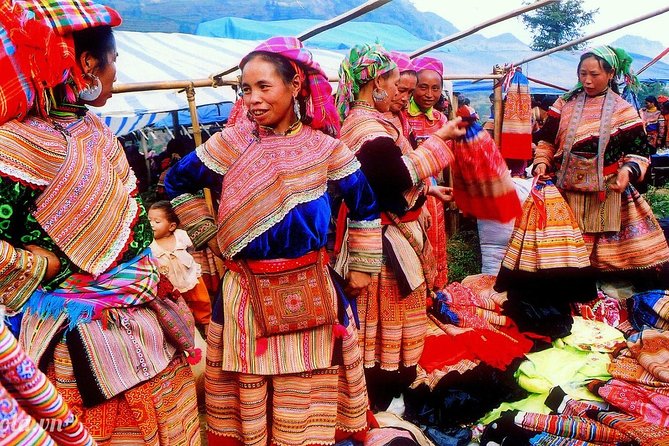
You arrive in the villages of Lao Chai and Ta Van, which are home to the Day ethnic people. This is where the trip stops being purely scenic. Terraces are pretty, sure. But when you’re walking between homes and fields, you get a clearer sense of how the land is used—how agriculture shapes the valley and how villages sit in relation to water and slope.
A note on pacing: 6km in 3.5 hours typically signals “moving steadily, not sprinting.” Expect uneven ground and moments where you slow down for steps. You’ll want footwear with grip and socks that won’t leave you battling blisters.
Once the trek finishes, you settle into the overnight stay. The schedule puts you at Dao homestay around 5:45 pm, which gives you enough time to rest before dinner.
Overnight at a Dao homestay: local life with basics covered
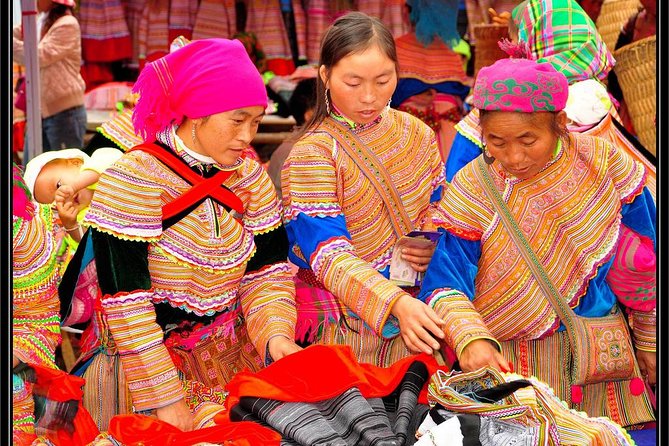
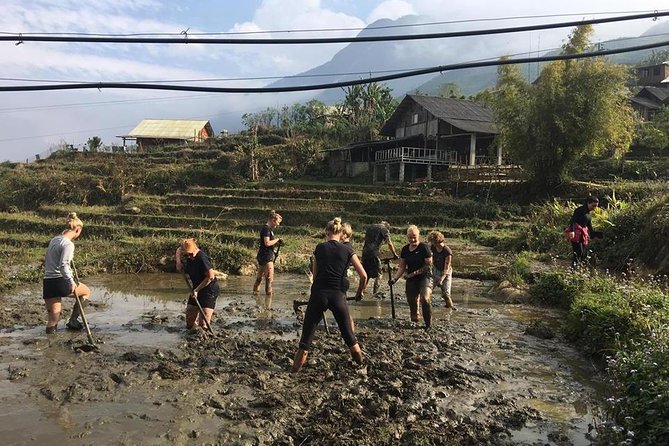
The tour promises a homestay experience that also keeps modern necessities in mind. In other words, you’re not signing up for a survival camp. You’re sleeping in a community setting that still respects comfort and cleanliness.
One useful detail from the experiences shared after the fact: at least one stay involved a bungalow connected to a brand-new ecolodge that had recently opened weeks before. That doesn’t mean every night will match that exact setup, but it’s a good signal that the accommodation being used can be newer and easier to manage than the most old-school homestays you may imagine.
What you should plan for, mentally: homestay nights can feel different from hotels. You’ll likely spend more time in shared spaces and less time on your own. If you like meeting people and asking questions, this will feel natural. If you want a private hotel bubble, you might find this part more demanding.
Day 2: rice paddies and bamboo forest to Giang Ta Chai (Red Dao)
Day 2 starts with breakfast at 8:00 am, and you begin trekking at 8:45 am. This is the shorter of the two hiking days: about 4km, roughly 2 hours. You’ll trek through rice paddies and a bamboo forest before reaching Giang Ta Chai village, home to the Red Dao people.
This day has a different feel from Day 1. The terrain is still agricultural and valley-based, but the bamboo forest adds a cooler, more shaded walking section. You may notice that the hike feels more like a guided morning walk than a long trek. That’s good because it keeps the day from feeling like you’re racing the clock.
After you reach Giang Ta Chai, you cross through Giang Ta Chai Bridge to the main road. That bridge moment matters because it acts like a transition line: from “tactical village trail walking” to “we’re back on the transport schedule.”



Back to Sapa town: shower time, lunch, and the Hanoi return
Once you reach the main road, the program shifts gears. The bus takes you back to Sapa Town, and you get time for basic reset.
The schedule has you:
- showering at the hotel
- grabbing lunch between 12:00 and 1:00 pm
- then meeting back at the hotel at 1:30 pm for the return bus
You then ride back to Hanoi and arrive at the bus station around 8:30 pm. You end back at the meeting point location in Hanoi, which is convenient if you’re staying near the Old Quarter area.
The practical value here is you’re not left stranded after hiking. Many short tours end at a random drop-off. This one gets you back to your next step with a plan.
Meals included: how to budget without guessing
Meals are part of the package:
- Dinner
- Breakfast
- Lunch (twice)
That matters for value because trekking days can easily lead to expensive, inconvenient snack loops. Here, you’re covered for the big meals, so you can focus on walking and people instead of hunting for food.
What isn’t included: drinks and personal spending. That means you should budget for water, soda, or anything you like to sip during breaks. I also recommend you pack a small amount of cash for small purchases you might want along the way, since homestay and roadside stops can vary.
Also: if you have dietary needs, the schedule suggests you’ll be eating what’s arranged for the group. The tour details don’t specify dietary accommodations, so if you’re picky or allergic, you’ll want to confirm in advance when you book.
Price and value: what $116.93 buys in the real world
At $116.93 per person for 2 days / 1 night, you’re paying for a structured trek that includes:
- guided village-trail trekking across multiple sections (about 6km + 4km)
- an overnight homestay experience
- meals: dinner, breakfast, and two lunches
- bus transfer time between Hanoi and Sa Pa
You’re also getting a small group limit (max 10), which often changes how much attention you get from staff, and how smoothly the day moves.
What you should factor in when thinking about value: insurance is not included, and your personal expenses and drinks aren’t included. So your real budget might be a bit higher than the base price, depending on what you drink and how much shopping you plan to do.
Still, for a short Sa Pa trekking trip, this format is one of the more balanced ways to do it. It gives you a full mountain day plus a village day, without requiring you to take extra days off just to reach the hiking part.
Who should book this trek, and who should pass
This trek is a great fit if you:
- want village-to-village walking instead of only viewpoint stops
- like the idea of a homestay night and meeting locals along the trail
- can handle 6km in the afternoon and 4km the next morning
- want a group that stays small (max 10)
You might think twice if you:
- want a fully low-effort day (you’ll be trekking for hours)
- dislike early mornings (the 6:30 am Hanoi start is real)
- expect hotel-only comfort every step of the way (homestay means different routines)
If you’ve done short hikes before, you’ll probably feel at home here. If you’re new to hiking, prepare for uneven ground and bring supportive shoes. The distances are clearly stated, which helps you judge your comfort level.
Practical tips that make this route easier
A few things will quietly improve your day:
- Wear shoes with grip for uneven trails. The route includes rice terraces and stream-adjacent sections, where footing can change.
- Bring a light rain layer. North Vietnam weather can shift fast, and trails don’t stop because it clouds over.
- Pack a small water strategy. Drinks aren’t included, so plan to buy water or carry a bottle if allowed.
- Bring a simple day bag. You’ll have walking hours and then a shower reset later in the day.
- If you want photos, do it patiently. Village paths are busy places; take breaks and ask before stepping close.
One more tip from the human side: the experience provider’s staff includes people who help coordinate and make you comfortable. A past traveler even singled out Huong as someone who organized everything and went above and beyond to support comfort. That kind of presence usually helps if you’re unsure what to expect on a homestay day.
Should you book Unique Route 2D1N Sa Pa trekking?
I think you should book this if you want Sa Pa to feel like more than scenery. The combination of Y Linh Ho terraces, Muong Hoa Stream, Lao Chai and Ta Van, then the second-day walk to Giang Ta Chai hits the sweet spot: two solid hiking blocks, an overnight homestay, and meals handled for you.
Book it especially if you value smaller-group pacing and a route that prioritizes real villages over just taking in views. If you’re traveling with someone who loves mountains but also cares about culture and day-to-day life, this is the kind of trip you’ll talk about long after the photos are filed away.
On the other hand, if you want zero walking, a later start, or purely hotel-based comfort, this won’t be your best match. The trek is the point here.
FAQ
What time and where is the meeting point in Hanoi?
You meet at 6:30 am at 204 Đ. Trần Nhật Duật, Phố cổ Hà Nội, Hoàn Kiếm, Hà Nội, Vietnam.
How do you travel between Hanoi and Sa Pa?
The tour uses a bus for the Hanoi to Sa Pa transfer on Day 1, and a bus again for the return to Hanoi on Day 2.
How long and how far is the Day 1 trek?
Day 1 includes a trek of about 6km, taking around 3.5 hours, from Y Linh Ho to Lao Chai and Ta Van.
How long and how far is the Day 2 trek?
Day 2 includes a medium trek of about 4km, taking about 2 hours, from Ta Van to Giang Ta Chai village.
What village communities do you visit?
Day 1 visits areas connected with the Day ethnic people (Lao Chai and Ta Van). Day 2 includes Giang Ta Chai village, home of the Red Dao people.
Where do you stay overnight?
You stay at Dao homestay on Day 1.
What meals are included?
The tour includes breakfast and dinner, plus lunch twice across the two days.
When do you return to Hanoi?
You return by bus and arrive at the bus station in Hanoi around 8:30 pm on Day 2.
Is travel insurance included?
No. Insurance is not included.