REVIEW · MOSHI
6 Days Mount Kilimanjaro Trek Marangu Route
Book on Viator →Operated by Intrepid Explorer Tanzania · Bookable on Viator
A hut-based Kilimanjaro climb can be very doable. Marangu, often called the Coca-Cola route, approaches from Kilimanjaro’s southeast and is the oldest established path. You hike through rainforest, then heath and moor, sleep in mountain huts with dorm-style beds, and finish with a midnight summit push.
What I like most is how practical the whole setup is once you’re in Moshi. You get pre- and post-trek hotel nights with dinner and breakfast, plus return transfers, and the daily rhythm includes fresh water and hot water for washing. I also like the built-in extra acclimatization day at Horombo, not just a straight sprint to the summit.
One thing to consider: this is still a serious altitude mission, and the itinerary’s summit stage starts around midnight and can take a long time. Even on Marangu, some people find the timing tough if they don’t acclimatize well, so take that extra day seriously.
In This Review
- Key reasons this Marangu trek is worth considering
- Marangu’s Coca-Cola nickname: what it means for your feet and expectations
- Price and what’s included: where the value really shows
- Moshi setup: pickup, hotel nights, and how you start strong
- Day 1: Marangu to Mandara Hut through rainforest and Maundi Crater
- Day 2: Mandara Hut to Horombo Hut and the shift into heath and moor
- Day 3 at Horombo: the extra acclimatization day that can save your summit
- Day 4: Horombo to Kibo Hut and the long, tough stage toward the crater zone
- Day 5: the summit stage to Uhuru Peak—midnight starts and Gilman’s Point at sunrise
- Day 6: descending via Mandara Hut to the Marangu Gate and back to Moshi
- What you’re really buying: the support system behind the summit attempt
- Who this trek fits best (and who should think twice)
- Should you book this 6-day Marangu trek?
- FAQ
- How long is the Kilimanjaro trek on the Marangu route?
- Do you get pickup in Moshi?
- What kind of sleeping arrangements are used?
- Are meals included?
- Is emergency oxygen included?
- What’s the itinerary’s summit timing and altitude highlight?
- What costs are not included in the price?
- Is this a private tour?
Key reasons this Marangu trek is worth considering
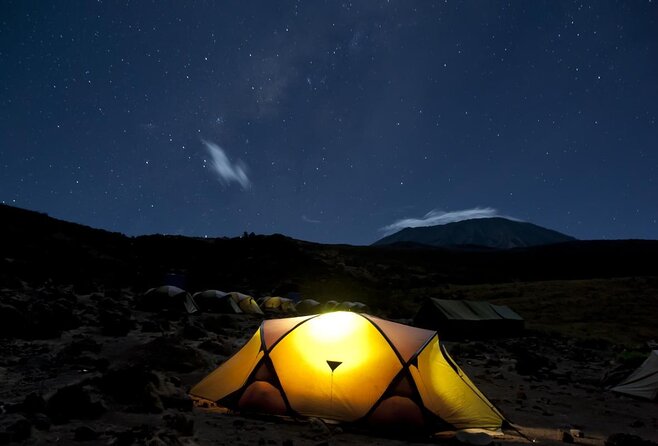
- Hut sleeping, not tent camping: Marangu is the route with sleeping huts in dormitory-style accommodations.
- Acclimatization built in: you’ll spend an extra day at Horombo to adjust higher up before the summit push.
- A clear route with classic Kilimanjaro zones: rainforest to timberline to heath/moor, then the high, colder Kibo area.
- Warm food and a complete support team: guides, assistant guides, porters, and a cook are part of the package.
- Emergency oxygen is included: it’s for emergencies only, not as a summit aid.
- Private group setup: only your group participates, even though the huts are dorm-style.
Marangu’s Coca-Cola nickname: what it means for your feet and expectations
Marangu is often chosen because it’s considered the easiest way up Kilimanjaro compared with the other major routes. It’s also the oldest established route, and that matters for you in two ways: the trail is well-trodden, and the logistics are more straightforward. You approach from the southeast side of the mountain, and the overall plan is designed around getting you to the summit with less chaotic daily transitions.
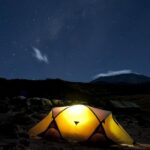
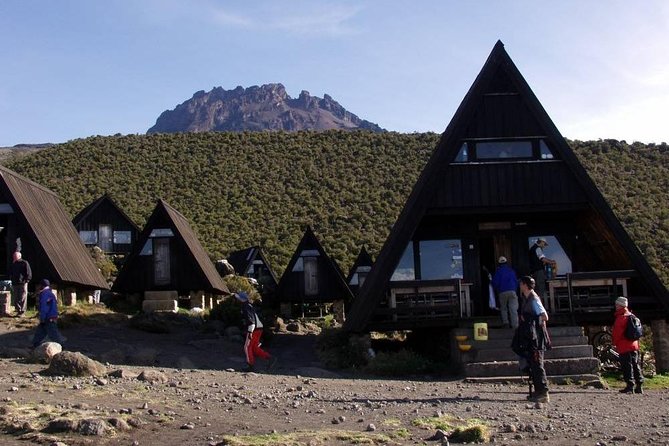
The big practical twist is sleeping. On this route, you use mountain huts with dormitory-style beds. That means you’re not relying on a tent every night, which can cut down on some of the stress of gear management in bad weather. It doesn’t make Kilimanjaro easy, but it can make it feel more controlled.
You can also read our reviews of more tours and experiences in Moshi.
Price and what’s included: where the value really shows
At $2,350 per person for a ~6-day climb, you’re paying for more than a guide’s labor. This package includes all fees and taxes, emergency oxygen (explicitly not for summit use), and a full support team: qualified mountain guide, assistant guides, porters, and a cook plus their wages.
It also includes the stuff that often surprises people when they start comparing deals:
- Hotel nights before and after the trek (with dinner and breakfast)
- Return transfers between Kilimanjaro airport and Moshi
- Camp and trekking-related equipment like tents, camp chairs, tables, and sleeping mattresses
- Daily drinking water plus hot water for washing
- Meals across the route: breakfasts (5), lunches (6), and dinners (5)
- Water logistics and day-to-day support that keep you from having to think about every small detail
So the value isn’t just that you’re paying to hike. You’re paying for the system that lets you hike consistently—day after day—without turning your trip into a scavenger hunt.
Moshi setup: pickup, hotel nights, and how you start strong
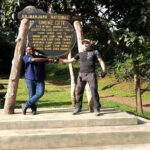
Your trek starts with pickup from your lodge in Moshi, then you head to the Marangu gate to handle paperwork before hiking begins. That’s a quiet win: you avoid losing energy to admin chaos on Day 1.
You’ll also have a hotel night the night before the climb, plus another night right after you come down, with dinner and breakfast included both times. For a summit attempt, sleep quality and a calm start matter. If your body goes into the first walking day tired and stressed, acclimatization becomes harder.
The tour is listed as private, meaning only your group participates. That doesn’t guarantee you’ll have the huts to yourselves (the accommodation is still dorm-style), but it does keep the staff-to-group experience more focused.
Day 1: Marangu to Mandara Hut through rainforest and Maundi Crater
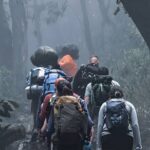
Day 1 covers about 8.3 km (5.2 mi) and usually takes around 5 hours. After breakfast and paperwork at the gate, you move into the dense rainforest. This is the part where the hike feels like hiking: steady effort, lots of green, and a chance to spot primates as you go.
You’ll reach Mandara Hut and rest, then your guide can take you to Maundi Crater for a view toward the Kenyan interior. That crater stop is a nice way to get your first big payoff without waiting for summit day.
Why this stage matters: it establishes your pace early. Since the rainforest can feel warm and damp, start controlled. You’ll already be dealing with altitude soon, even if the air feels normal today.
Day 2: Mandara Hut to Horombo Hut and the shift into heath and moor
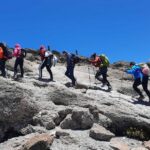
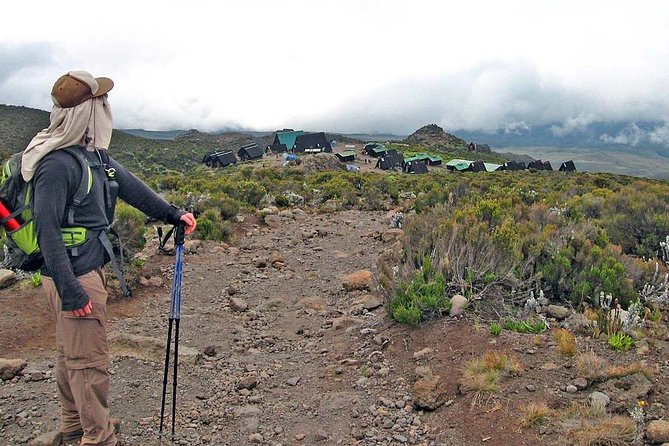
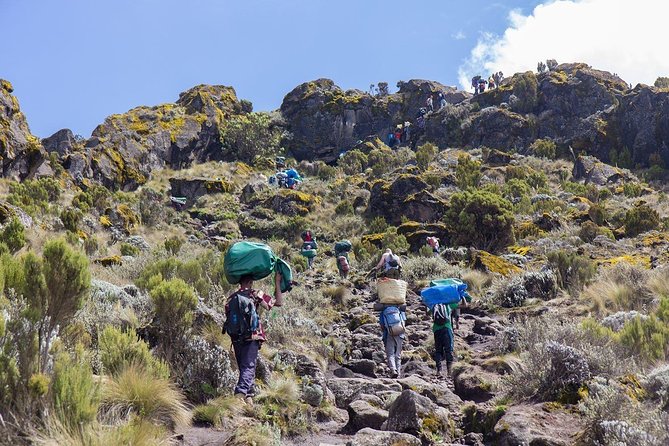
Day 2 is longer—about 12.5 km (7.8 mi) in roughly 9 hours. After leaving Mandara Hut, the trail eventually reaches the timberline, then moves into the heath and moor zone. This change is more than scenic. The air tends to feel different, and your body starts noticing the altitude more.
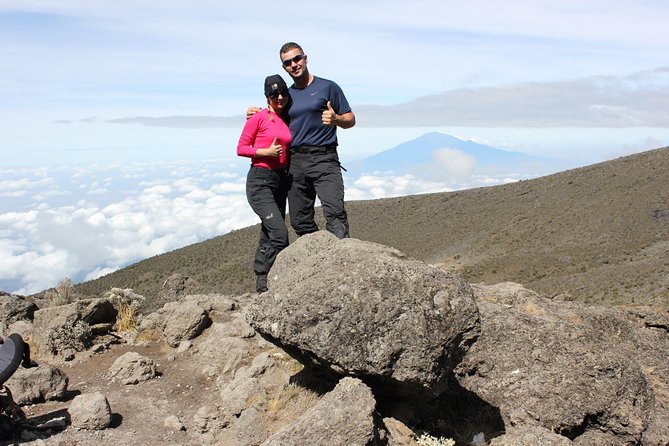
Around 4–6 hours into the hike, you’ll see Horombo Hut at about 3,700 m. From the hut, you’re set up for wide views of Mawenzi, Kibo, and the Masai steppe. It’s one of those moments that makes the rest of the trek feel real.
This day also sets expectations for the “rhythm” of Marangu. The terrain can be steady but demanding, and you’ll learn how your breathing responds after a full day at higher elevation.
Day 3 at Horombo: the extra acclimatization day that can save your summit
This is the day that many people wish they had planned more respect for. Instead of pushing higher immediately, you stay at Horombo and do a short acclimatization hike to Mawenzi Ridge or Zebra Rock, then come back for lunch, rest, and dinner.
The time on the move is about 4 hours. The goal isn’t big distance. It’s giving your body a chance to adjust before the harder move to Kibo Hut.
Why this extra day is so valuable on the Marangu schedule: the minimum number of days for this route is five, but getting to the summit in that time has a lower chance. Adding this acclimatization day is a practical way to increase your odds—without turning your trip into a longer logistical nightmare.
Day 4: Horombo to Kibo Hut and the long, tough stage toward the crater zone
Day 4 is often described as the tougher transition. You hike around 9.5 km (5.9 mi) and can expect about 7 hours, though the pace depends on how your body is handling altitude.
The trail passes the Last Water point, then heads toward the saddle, a near-vegetation-less plateau that connects Kibo and Mawenzi. That “empty” feel is a signal: you’re moving into colder, drier conditions where energy management matters more.
You’ll reach Kibo Hut after roughly 6–7 hours. Dinner comes early, and you go to bed early because the night will be short. This timing matters because Day 5 is the summit day, and you’ll start close to midnight.
Day 5: the summit stage to Uhuru Peak—midnight starts and Gilman’s Point at sunrise
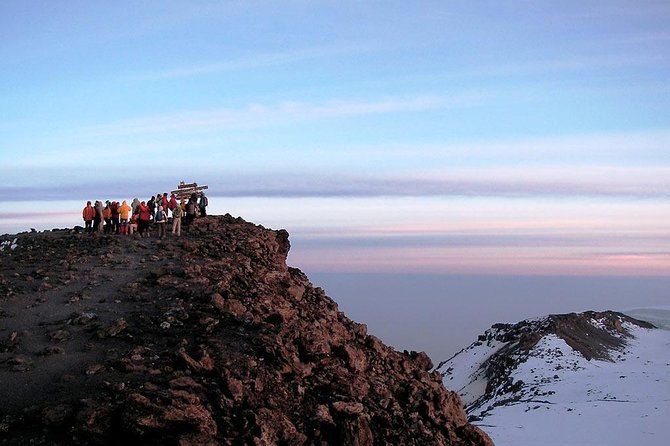
Day 5 is the big day. It’s listed as 12–15 hours, and it starts with a final ascent around midnight. Expect slow, steady climbing uphill. You pass Hans Meyer Cave at 5,220 m along the way.
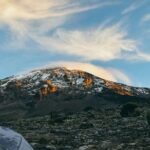
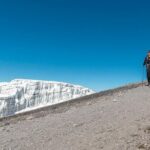
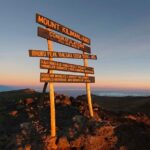
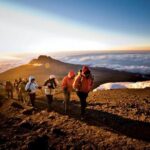
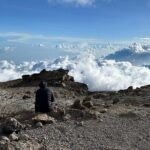
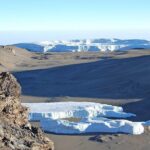
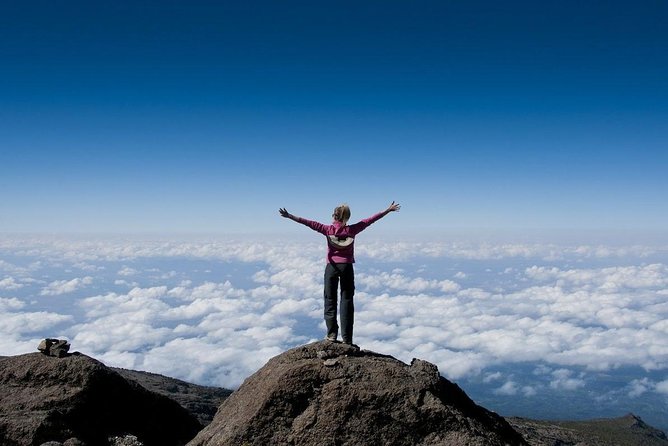
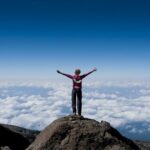
As dawn approaches, you’ll reach Gillman’s Point (5,681 m) at sunrise. This is the crater rim moment, when the sun starts warming the land and the climb feels more manageable—even if the air is still brutally thin.
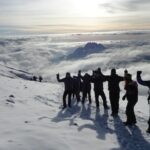
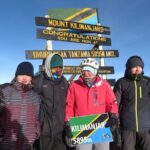
From there it’s about another 1–2 hours to Uhuru Peak (5,895 m). After summiting, you descend back to Kibo Hut for a warm meal, then rest for 1–2 hours before continuing down toward Horombo Hut.
A practical way to think about this day: it’s not just fitness. It’s planning your energy so you can keep moving in the cold and low-oxygen hours. And because the operator includes emergency oxygen for emergencies only, you’re supported if things go wrong—though you still should assume the summit depends on your own acclimatization and pace.
Day 6: descending via Mandara Hut to the Marangu Gate and back to Moshi
Day 6 starts with a descent that’s still structured. You pass through heath and moor zone to Mandara Hut (2,700 m), where lunch is waiting. Then the route continues through the tropical rainforest again.
Total trekking time is described as about 6 hours for the descent, but the day itself runs around 8 hours including park exit and transfers. You’ll return to the Kilimanjaro National Park gate (1,860 m), say goodbye to the guides, and then transfer back to your hotel in Moshi.
After you get back, you can take a warm shower and celebrate. That shower matters more than it sounds. After multiple nights in altitude conditions, warm water for washing and recovery is part of what helps your body bounce back.
What you’re really buying: the support system behind the summit attempt
On paper, this itinerary looks like a series of distances and hut names. In real life, the difference-maker is the support system. Here, the package includes guides, assistant guides, porters, and a cook, plus daily drinking water and hot water for washing.
The “warm food all the way” theme shows up strongly in the way the team is described, and that’s important on Kilimanjaro. Your motivation can fade when you’re cold and tired. Having meals organized and consistently served helps you keep your energy without constantly guessing what comes next.
Also, the tour is set up for emergencies with oxygen, though it’s clearly labeled for emergencies only and not as summit aid. That wording is worth paying attention to: you should still treat the climb as a human-acclimatization challenge first.
Who this trek fits best (and who should think twice)
This Marangu route fits best if you want:
- Hut sleeping instead of tent setup
- A plan that includes a real acclimatization day at Horombo
- A structured itinerary with meals, water, and washing handled for you
- A private group experience while still using dorm-style hut beds
It may be a less comfortable match if you’re aiming for extreme flexibility, because the schedule is built around sunrise and summit timing. And if you know you struggle with altitude even after careful pacing, the summit day could still feel like a grind.
Should you book this 6-day Marangu trek?
I’d book this if you want the classic Kilimanjaro approach with the simplest sleeping arrangement: huts, hot water for washing, organized meals, and an itinerary that gives you a real acclimatization buffer at Horombo.
I wouldn’t book it if you’re the type who hates long, cold midnight starts or you’re not confident you can handle altitude pressure—even with an extra acclimatization day.
If your main goal is to hike Kilimanjaro with solid support and a well-known route profile, this is a strong fit.
FAQ
How long is the Kilimanjaro trek on the Marangu route?
The itinerary runs for 6 days (approximately), moving from Marangu to Mandara Hut, then up through Horombo and Kibo before the summit day, and finally descending back to Moshi.
Do you get pickup in Moshi?
Yes. You’re collected from your lodge in Moshi and taken to the Marangu gate for paperwork before the hike starts.
What kind of sleeping arrangements are used?
Marangu is the route that offers sleeping huts in dormitory-style accommodations.
Are meals included?
Yes. Breakfast is included for 5 days, lunch is included for 6 days, and dinner is included for 5 days.
Is emergency oxygen included?
Yes. Emergency oxygen is included for use in emergencies only, and it is not provided as summit aid.
What’s the itinerary’s summit timing and altitude highlight?
The summit stage starts around midnight, sunrise is reached at Gillman’s Point (5,681 m), and Uhuru Peak (5,895 m) is reached after a further 1–2 hours.
What costs are not included in the price?
Not included are visas, flights, and travel and health insurance. Personal trekking/hiking gear is also not included (though rental is available), along with personal items, snacks/portable toilet, personal medicine, and water purifying tablets.
Is this a private tour?
Yes. It’s described as a private tour/activity, and only your group will participate.