REVIEW · MOSHI
5 Days Kilimanjaro Trekking – Marangu Route
Book on Viator →Operated by Afrishare Trekking and Safaris · Bookable on Viator
A five-day stairway to Africa’s roof. This Kilimanjaro Marangu route trek uses huts and gradual altitude gains, then asks you to start the summit climb around midnight for the walk up to Uhuru Peak.
What I really like here are the built-in support pieces. You get hotel pickup and drop-off, plus a private setup where only your group goes, and the plan includes a rest/acclimatization day at Horombo with options to hike higher toward Zebra Rocks and Mawenzi Tarn Hut.
One consideration: Marangu might be the “easier” route, but the final push can still be tough. Expect a steep climb on heavy scree or snow after an early start, and weather can turn the whole trek serious.
In This Review
- Key highlights you’ll feel on the trail
- Why the Marangu Route gets called the Coca Cola Route
- Before you go: fitness, cold/wet gear, and the altitude reality check
- Getting started from Moshi: the drive to the gate and day one momentum
- Mandara to Horombo: rain forest fades, moorland opens, and the views ramp up
- Horombo’s acclimatization day: Zebra Rocks and Mawenzi Tarn options
- Summit night to Uhuru Peak: the midnight start, Gilman’s Point, and the long descent
- The descent to Moshi: forest paths, mud management, and the hot lunch wait
- Price and value: what $1,460 covers (and why it can be fair)
- Who this trek suits best (and where it may not)
- Should you book this Marangu 5-day trek from Moshi?
- FAQ
- FAQ
- How long is the Kilimanjaro Marangu trek?
- Where does the trek start and end?
- What’s included in the price?
- What food options are available?
- Is this tour private?
- What should I pack for the trek?
- Is there a cancellation option for a full refund?
Key highlights you’ll feel on the trail
- Private tour with pickup in Moshi (and airport drop-off if you fly out the same day)
- Horombo acclimatization day with optional hikes to higher points
- Midnight-to-dawn summit schedule aiming for Gilman’s Point and then Uhuru Peak
- Hut-to-hut staging (Mandara and Horombo) to keep the trek structured
- Food and comfort support often praised, including mention of guides like Ibra, Alex, and Godfrie
- All-weather operation with clear guidance on dressing for cold, wet, and muddy sections
Why the Marangu Route gets called the Coca Cola Route
The Marangu route is often described as the easier option among Kilimanjaro paths, and you can see why in the way this itinerary is built. It’s a 5-day climb that’s structured around huts—Mandara Hut and Horombo Hut—and a clear acclimatization plan before the summit night.
That structure matters because Kilimanjaro isn’t just about stamina. It’s about how you handle altitude, timing, and fatigue. This plan gives you time to move, recover, and then go for the top in the dark when conditions are usually colder but the trail is more stable.
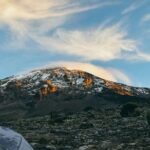
Also, you’re not stuck in one scenery type. You’ll move from rain forest glades into more open moorlands, and the route includes big views tied to the volcanic shapes around you—especially the Mawenzi side of the mountain and Kibo’s summit mass.
You can also read our reviews of more tours and experiences in Moshi.
Before you go: fitness, cold/wet gear, and the altitude reality check
You don’t need superhero fitness for this trip, but you do need moderate physical fitness. The itinerary includes multiple altitude jumps, a long summit day, and a descent through wet and sometimes muddy forest.
Gear basics, based on what the trek calls out:
- Bring trekking poles and consider gaiters for the wet/muddy lower sections on the way down.
- Have a mix of clothing: shorts and a t-shirt may be fine in parts, but keep rain gear and warmer layers ready.
- Plan around early darkness. The summit day starts between midnight and 2am, so you’ll want to be prepared for cold, wind, and low-visibility conditions even if you feel fine when you go to bed.
Altitude note (simple and important): you can start to feel it on the days around Horombo. The plan even flags that the altitude effects may hit as you leave the forest and reach open moorlands. The goal of the acclimatization day isn’t to “rest forever”—it’s to help your body adjust so summit night isn’t a random surprise.
Getting started from Moshi: the drive to the gate and day one momentum
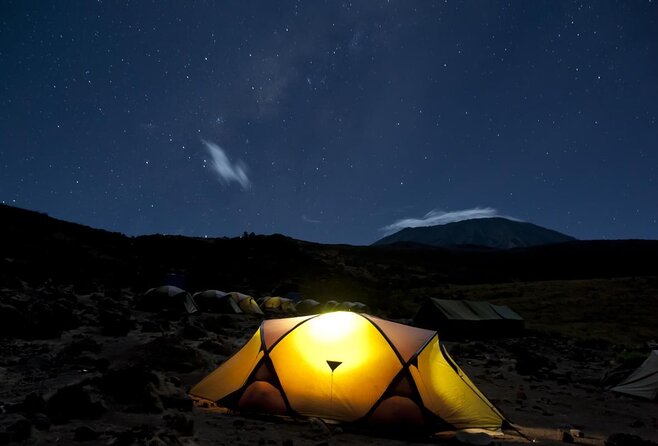
Your trek begins with a straightforward arrival plan. You’ll either be picked up early from the airport and driven to the starting gate, or picked up directly from your accommodation in the Moshi area and then taken to Marangu starting gate.
That’s not just convenience. On a climb like this, cutting stress on day one helps. You avoid the usual chaos of finding transport, arguing with maps, or trying to coordinate multiple moving parts before altitude even becomes the main problem.
Day 1 is described as climbing the Marangu route, and the tour includes the fees and access side—so you’re not scrambling for paperwork while you’re trying to get going.
Mandara to Horombo: rain forest fades, moorland opens, and the views ramp up
The first real hiking day in this plan runs from Mandara Hut to Horombo Hut, reaching about 3700 m. It’s listed as about 3–4 hours, which is a manageable chunk to start building rhythm.
One of the most practical things about this day is the way the landscape changes. After roughly 15 minutes, you leave the forest glades and transition onto open moorlands with an ascending path. That shift is more than scenery—it changes how cold you feel, how exposed you get, and how you pace yourself.
You’ll also see classic high-altitude plant forms mentioned for this area, including giant senecio and lobelias. And the views start coming in. You’re in a zone where you can look toward Mawenzi and the summit region around Kibo, so it’s one of those days where stopping for photos might actually help you reset your breathing.
Possible drawback for day two: altitude can start to feel noticeable. If you notice a quicker-than-normal breath, don’t treat it as a personal failure. Treat it as a signal to keep your pace steady and let your guide manage the rhythm.
Horombo’s acclimatization day: Zebra Rocks and Mawenzi Tarn options
Day three is considered optional in the sense that the itinerary starts and ends at Horombo. But it’s also the day that can make a real difference for your summit odds because it’s built for acclimatization.
Here’s what’s on the menu:
- Rest at Horombo camp, if you want a lighter day.
- Or do a day trek to Zebra Rocks (4200 m) and Mawenzi Tarn Hut (4300 m), then return to Horombo for the overnight.
If you’re the kind of person who wants to feel productive without overdoing it, the optional hike structure is handy. You can go out higher, experience the air and conditions, and still return before you burn too much energy.
Also, this is the day where your guide’s judgment matters. The itinerary design makes it easy to adjust: if you feel rough, you can choose the rest option. If you feel strong, you have that higher-point hike as a controlled challenge.
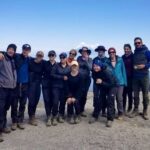
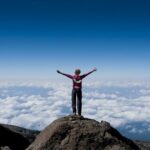
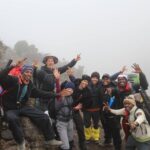
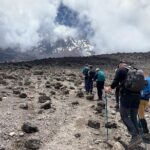
Summit night to Uhuru Peak: the midnight start, Gilman’s Point, and the long descent
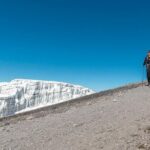
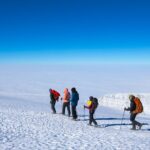
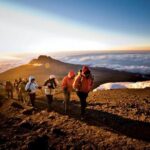
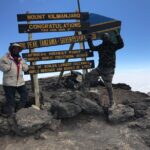
This is the big day, and the itinerary is very clear about the timeline. You begin the summit climb at midnight to 2am. From there, the route takes you over steep terrain—described as heavy scree or snow—up to Gilman’s Point on the crater rim at 5861 m (listed as about 4–5 hours).
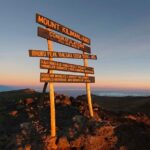
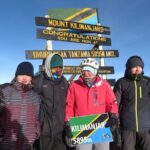
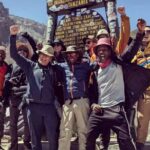
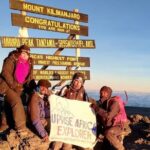
Then it’s up again to Uhuru Peak, the highest point in Africa at 5895 m. That final push is listed as 1–2 hours.
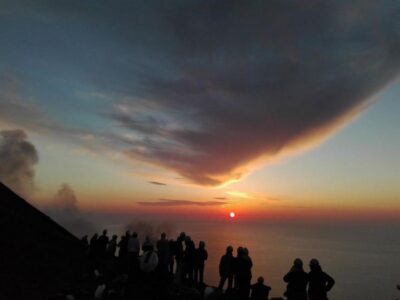
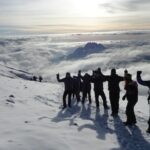
What you should expect: the views will be intense and constant. The plan specifically notes unbelievable views at every turn and encourages a photo at the summit. That moment is short, but it’s usually the kind of memory you’ll remember for years—especially because you earned it in the cold, one careful step at a time.
After the summit, you don’t just sprint down. The itinerary includes a descent plan:
- Lunch and a rest at Kibo
- Then continued descent back toward Horombo encampment for dinner and overnight, with the descent portion listed as 3–4 hours
One more practical point: because the climb is steep and cold, your pacing and clothing matter a lot. Even if you feel strong, rushing the early segment can make the higher sections feel harder than they need to.
The descent to Moshi: forest paths, mud management, and the hot lunch wait
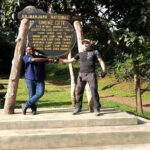
After breakfast on day five, you start descending through moorland toward Mandara Hut, dropping to about 2700 m. Then you continue downward into lush forest on a good path toward the national park gate at Marangu, around 1830 m.
The itinerary calls out a key reality for the end of the trek: lower elevations can be wet and muddy. This is where your prep pays off. Gaiters and trekking poles help your footing and reduce the stress on your legs.
Clothing guidance is also practical here. Shorts and t-shirts may work at lower points, but the trek warns to keep rain gear and warmer items handy—because tropical weather on Kilimanjaro can change fast, and you’ll be tired enough that cold rain can feel extra annoying.
When you reach the gate, you’ll find a car waiting for you. You’ll get hot lunch and then drive back to Moshi/Arusha for your overnight or an airport drop-off if you’re flying out the same day.
Price and value: what $1,460 covers (and why it can be fair)
At $1,460 per person for about 5 days, this trek sits in the “serious trip” category. The value question is: what do you get for that money, and what parts would cost you extra if you tried to DIY?
Here’s what’s included:
- 4 nights accommodation (so you’re not paying for tents/huts separately each night)
- All fees and taxes (important for park/access costs)
- Lunch
- Professional guide
- Hotel pickup and drop-off
- Private tour (only your group participates)
- Mobile ticket
- The itinerary also labels admission ticket items as free in the stop descriptions, aligning with the all-fees-included approach
What’s not included:
- Alcoholic drinks
- Souvenir photos (available to purchase)
This is the big value lever: a private, guided summit attempt with accommodations and included fees. The summit day alone is logistically heavy, and the guide plus the rest of the team support is what keeps you safe, paced, and fed when you’re working hard.
Based on the feedback pattern tied to this operator, two areas tend to matter most to people: pace and food. The guides are described as patient and caring, with check-ins, and the food is often praised as excellent. Names like Ibra, Alex, and Godfrie show up in the same conversation, which suggests a real local team behind the scenes—not just a generic arrangement.
Who this trek suits best (and where it may not)
This trek is a strong match if:
- You want a private experience rather than a mixed group shuffle.
- You like a plan that includes an explicit acclimatization day at Horombo.
- You’re aiming for the summit and value structured logistics—starting from Moshi, reaching huts, and getting guided timing for the midnight push.
It may not be the best fit if:
- You’re dealing with health issues where altitude is a concern. The itinerary calls for moderate physical fitness, and the climb still reaches nearly 5900 m.
- You hate early starts. Summit night begins between midnight and 2am, and the cold can be a shock if you’re not prepared.
Also, because the tour operates in all weather conditions, you should be comfortable with the idea that you’ll climb whether it’s clear or messy. That’s not a deal-breaker, but it changes what packing and headspace you’ll need.
Should you book this Marangu 5-day trek from Moshi?
If your top priority is a well-structured Kilimanjaro plan with hut stages, hotel pickup, and a realistic acclimatization day, I’d say this is worth serious consideration. The route’s design—Horombo day for adjustment, then a timed summit push—gives you more control than a trip that just throws people uphill.
Book it if you’re ready for the summit night schedule and you’ll take altitude seriously, including steady pacing and proper layers. Also, if you like the idea of a private tour where your group doesn’t get mixed into someone else’s pace, the setup here supports that.
Hold off if you know you struggle with steep, cold terrain or you can’t commit to the effort level. Marangu can be “easier” compared to other routes, but it’s still Kilimanjaro—so the mountain will do what it does, weather and all.
FAQ
FAQ
How long is the Kilimanjaro Marangu trek?
It’s listed as 5 days (approx.), with multi-day hut staging and a summit climb on the fourth day starting between midnight and 2am.
Where does the trek start and end?
You start from the Marangu starting gate after being driven from Moshi (airport pickup or hotel pickup). You finish at the Marangu National Park gate and then return by car to Moshi/Arusha or for airport drop-off if needed.
What’s included in the price?
The price includes 4 nights accommodation, all fees and taxes, lunch, a professional guide, hotel pickup and drop-off, and a private tour setup. You’ll also receive a mobile ticket.
What food options are available?
The tour indicates that a vegetarian option is available. You should advise dietary requirements at the time of booking.
Is this tour private?
Yes. It’s private, meaning only your group participates.
What should I pack for the trek?
The tour advises you to dress appropriately for all weather. For the descent, it notes that areas can be wet and muddy, and suggests gaiters and trekking poles. It also mentions shorts and t-shirts may be enough in some parts, but to keep rain gear and warmer clothing handy.
Is there a cancellation option for a full refund?
Yes. You can cancel up to 24 hours in advance for a full refund, based on local time cut-offs.